Are you tired of shelves that wobble or pictures that fall off the wall? The secret to a strong, reliable hold is anchoring into a wall stud.
When you know how to find and anchor into a stud, your hangings stay secure, and you avoid damage to your walls. You’ll learn simple, step-by-step methods to locate wall studs and anchor into them like a pro. Keep reading, and soon you’ll feel confident tackling any wall project with ease and precision.

Credit: abutterflyhouse.com
Why Wall Studs Matter
Wall studs are the wooden or metal beams inside walls. They support the weight of the wall and anything attached to it.
Anchoring into a wall stud gives your items strong support. Drywall alone cannot hold heavy objects safely.
Finding and using wall studs helps prevent damage to your walls. It keeps items secure and stable for a long time.
Provides Strong Support
Wall studs carry the weight of shelves, TVs, and cabinets. Screwing into a stud keeps these items from falling.
Prevents Wall Damage
Anchors in drywall may pull out easily. Studs hold screws tightly and avoid holes or cracks.
Improves Safety
Heavy items can fall if not anchored well. Studs reduce the risk of accidents and injuries.
Keeps Items Stable
Wall studs stop items from shifting or wobbling. This is important for shelves and mounted devices.
Tools You’ll Need
Anchoring into a wall stud requires the right tools for a secure hold. These tools help you find the stud, drill the hole, and fasten the anchor properly. Using the correct tools makes the job easier and safer.
Stud Finder
A stud finder helps locate the wooden beams behind the drywall. It shows where the studs are so you can anchor correctly. Choose a simple, reliable model for accurate results.
Drill And Drill Bits
A drill creates the hole for the anchor. Use a drill bit that matches the size of your anchor. A power drill saves time and effort compared to a manual one.
Screwdriver Or Screw Gun
A screwdriver or screw gun tightens the screws into the anchor. A screw gun is faster and reduces hand strain. Make sure the tip fits the screw head for a good grip.
Level
A level ensures your anchor is straight. It helps keep shelves and pictures aligned. A small, pocket-sized level works well for most tasks.
Measuring Tape
Measuring tape helps mark the exact spot for drilling. Accurate measurements prevent mistakes and uneven hanging. Use a tape that locks in place for ease.
Locating Wall Studs
Finding a wall stud is the first step to secure heavy objects. Studs provide strong support inside walls. Drywall alone cannot hold much weight. Knowing where studs are helps hang shelves, TVs, and cabinets safely.
There are several ways to find studs. Some use tools, others rely on simple tricks. Check the wall carefully before drilling or nailing.
Using A Stud Finder
A stud finder is a small electronic tool. It senses changes behind the wall surface. Move the device slowly across the wall. It beeps or lights up over a stud. Mark the spot with a pencil. This method is quick and accurate.
Manual Methods
Look for clues on the wall surface. Nails or screws in baseboards often attach to studs. Measure from corners; studs usually sit 16 or 24 inches apart. Tap the wall lightly; a solid sound means a stud. A hollow sound means no stud. Use a small nail to test the spot gently.
Confirming Stud Placement
Double-check before drilling. Drill a small hole to see if wood is behind. A slight resistance means a stud. No resistance means only drywall. Use a thin wire or a hooked tool to feel inside. Mark the stud clearly for your project.

Credit: www.wikihow.com
Choosing The Right Anchor
Choosing the right anchor is key for strong wall support. Anchors hold items firmly and keep them safe. Picking the best type depends on the wall and the item’s weight. Use the correct anchor to avoid damage or accidents. Let’s explore common anchor types and how to match them with your needs.
Types Of Anchors
Plastic expansion anchors work for light loads in drywall. They expand as screws go in, holding tight. Metal anchors offer more strength for medium loads. They dig into the wall for better grip. Toggle bolts spread load behind the wall. Good for heavy items like shelves or mirrors. Choose anchors based on wall material and load size.
Weight Considerations
Check the item’s weight before choosing an anchor. Light items need simple anchors, like plastic ones. Medium weight items require metal anchors for safety. Heavy items need strong anchors such as toggle bolts. Overloading an anchor can cause it to fail. Always match anchor strength with the item’s weight. This keeps your wall and items secure.
Preparing The Wall
Preparing the wall is the first step to anchor securely into a wall stud. It helps to avoid mistakes and ensures a strong hold. Taking time to prepare the wall saves effort later and keeps your project safe.
Marking The Spot
Find the exact spot on the wall where you want to anchor. Use a stud finder to locate the stud behind the drywall. Mark the spot lightly with a pencil. Check the mark twice to be sure it is right over the stud. This step is key to a secure anchor.
Drilling Pilot Holes
Use a drill bit slightly smaller than the anchor screw. Drill a pilot hole straight into the marked spot. Drill just deep enough for the anchor to fit. Pilot holes guide the screw and prevent the wall from cracking. Keep the drill steady and slow for best results.
Installing The Anchor
Installing the anchor correctly is key to a strong hold in a wall stud. The anchor keeps your screws stable and supports the weight of the item you hang. This process requires care and the right tools to avoid damage. Follow simple steps to secure the anchor firmly into the stud.
Driving Screws Into Studs
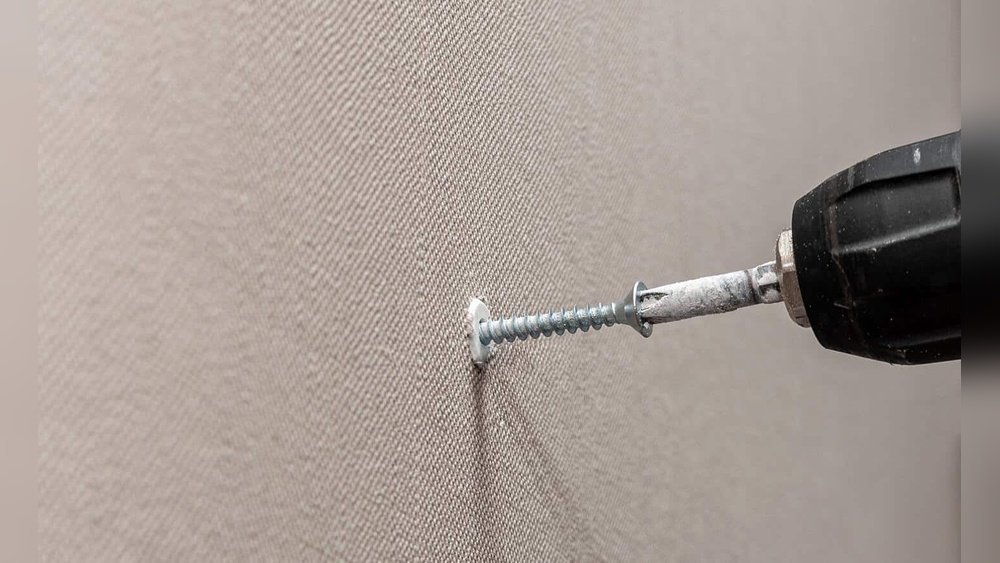
Start by choosing the correct screw length for your project. The screw must reach deep into the stud to hold well. Use a drill or screwdriver to drive the screw straight into the anchor. Turn slowly at first to avoid stripping the screw head. Tighten the screw until it feels secure but do not over-tighten. Over-tightening can damage the wall or the anchor.
Avoiding Common Mistakes
Do not use screws that are too short or thin. They will not grip the stud properly. Avoid drilling at an angle; this weakens the hold. Check the stud location carefully before drilling. Missing the stud means the anchor will fail. Do not force the screw if it resists; back it out and try again. Use the right anchor type for the wall material and weight load.
Testing The Support
Testing the support is a key step before anchoring into a wall stud. It ensures the stud can hold the weight of what you want to hang. Without proper testing, the anchor may fail and cause damage.
Start by gently pressing or tapping the wall surface where you found the stud. A solid feel means the stud is likely behind the drywall. A hollow sound suggests no stud is there.
Use A Small Nail Or Pin
Push a small nail or pin into the wall at the stud spot. If it goes in easily and meets resistance quickly, you hit the stud. If it slides in without resistance, no stud is present.
Apply Light Pressure
Press with your finger or a tool on the wall where the stud is. You should feel firm support. Soft or moving areas mean no stud or weak support.
Check For Movement
Try to gently wiggle the wall near the stud. Little to no movement means strong support. If the wall moves or flexes, the stud may not be reliable.
Tips For Heavy Items
Anchoring heavy items into a wall stud needs extra care. The right steps keep your items safe and your walls strong. Follow simple tips to ensure your heavy objects stay in place without damage.
Choose The Correct Anchor Type
Use anchors made for heavy loads. Lag bolts and toggle bolts work well. Avoid using light-duty anchors for heavy items.
Locate The Stud Accurately
Use a stud finder to find the exact stud position. Mark the spot before drilling. Anchors must go directly into the stud for best support.
Drill Pilot Holes
Make small pilot holes before inserting screws or bolts. This prevents the wood from splitting. It also makes anchoring easier and stronger.
Use Multiple Anchors
Spread the weight across several anchors. This reduces pressure on one point. It helps hold the item securely on the wall.
Check Weight Limits
Know the weight your anchor can hold. Choose anchors rated for more than your item’s weight. Safety matters when hanging heavy objects.

Credit: www.youtube.com
Frequently Asked Questions
How Do I Locate A Wall Stud Easily?
Use a stud finder tool or tap the wall to hear a solid sound. Studs are usually 16 or 24 inches apart. Mark the spot before drilling to ensure accuracy.
What Screws Work Best For Anchoring Into Studs?
Use wood screws that are at least 2 to 3 inches long. They provide strong support and grip firmly into the wooden stud. Avoid drywall anchors for stud anchoring.
Can I Anchor Heavy Items Directly Into Drywall?
No, drywall alone cannot support heavy weight. Always anchor heavy objects into wall studs for safety and stability. Use proper screws or bolts designed for studs.
How Deep Should I Drill Into A Wall Stud?
Drill deep enough to accommodate the entire screw length. Typically, 1. 5 to 2. 5 inches deep is sufficient. Avoid drilling too deep to prevent damaging wiring or pipes.
Conclusion
Anchoring into a wall stud keeps your items secure and safe. Use a stud finder to locate the stud easily. Drill a pilot hole before inserting the anchor for best results. Choose the right anchor size for your project. Tighten screws carefully to avoid damage.
This simple method helps hang shelves, frames, and heavy objects. Practice these steps to gain confidence and ensure strong support. Your walls will hold up better and look neat. Start with small projects to build your skills today.