Have you ever struggled to loosen a stubborn bolt tucked away in a tight corner? If you’ve faced this challenge, you know how frustrating it can be to twist and turn, only to find your tools just don’t fit.
What if there was a ratchet designed to give you the angle flexibility you need to reach those impossible spots with ease? Imagine saving time and effort every time you work on your projects. You’ll discover how a specially designed ratchet can change the way you handle hard-to-reach fasteners, making your job smoother and more efficient.
Keep reading to learn how this tool can become your new best friend in any repair or maintenance task.
Design Features
The design of a ratchet that offers angle flexibility is key for working in tight spaces. Every feature focuses on making hard-to-reach fasteners easier to service. The ratchet combines smart engineering with user comfort and strength. This allows users to work faster and with less effort.
Below are the main design features that make this tool practical and reliable for tough jobs.
Flexible Head Mechanism
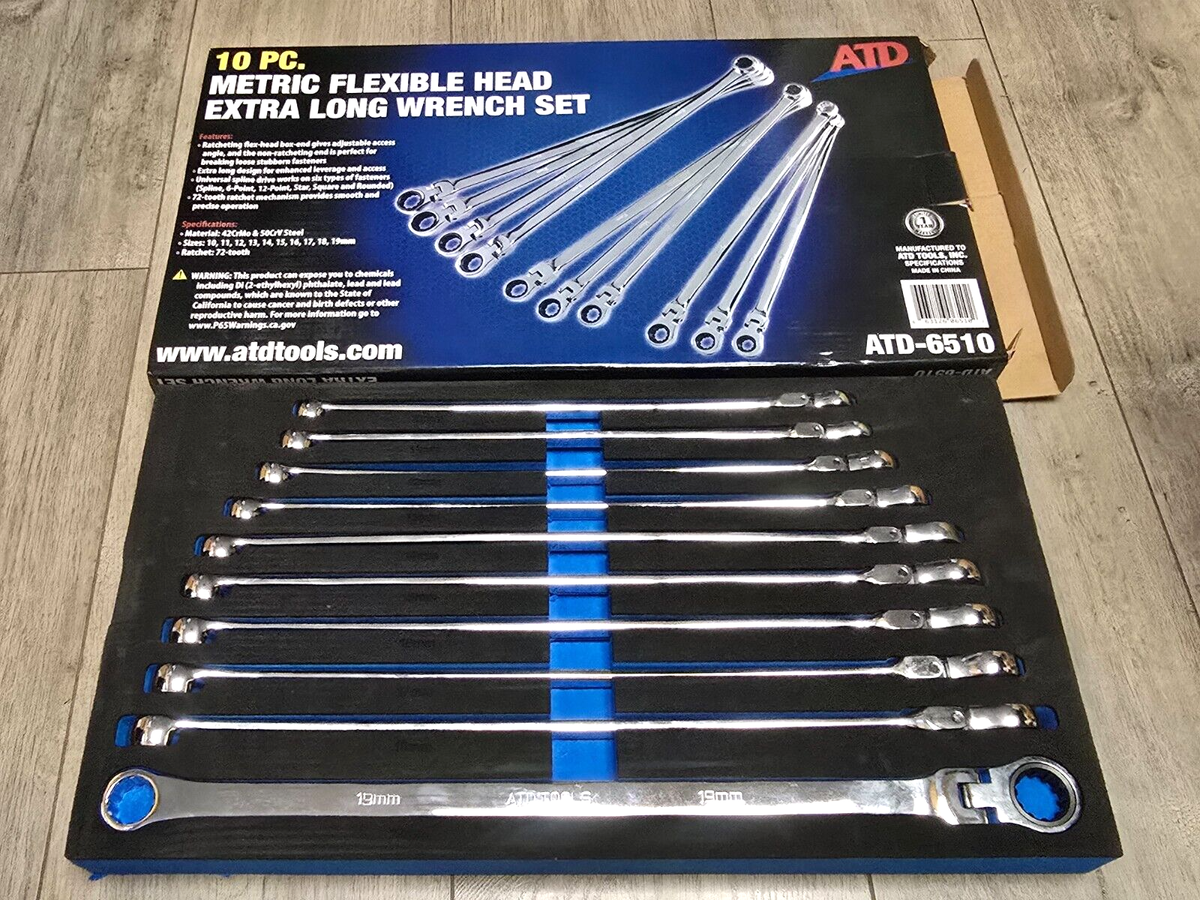
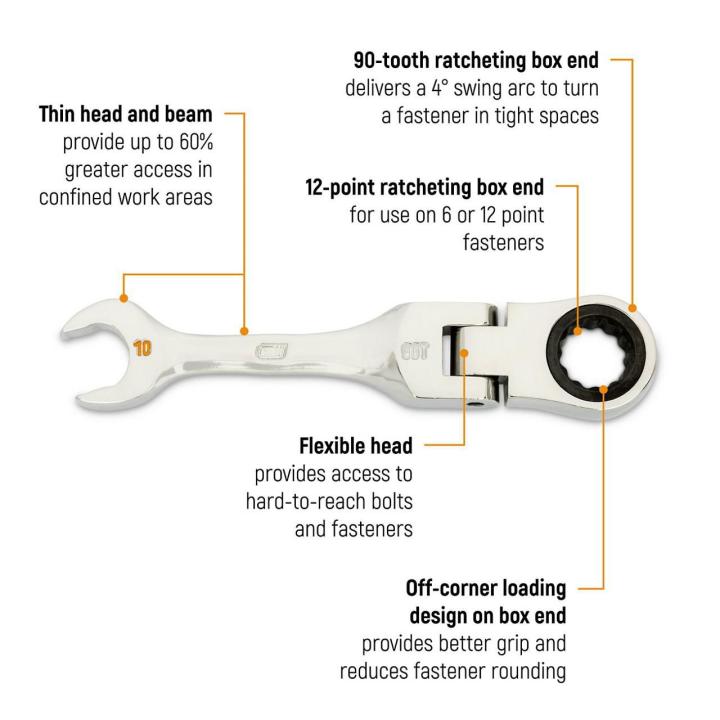
The ratchet’s head can bend to different angles smoothly. This flexibility lets you reach bolts in narrow spots. It locks securely in place to avoid slipping during use. The mechanism is simple but strong. It adds great value by saving time and reducing hand strain.
Ergonomic Handle
The handle is shaped to fit comfortably in your hand. It has a soft, non-slip grip to prevent accidents. The size works well for people with different hand sizes. This design helps users maintain control even in slippery conditions. It reduces fatigue during long tasks.
Material Durability
The ratchet uses high-quality steel for strength and long life. The materials resist rust and wear from heavy use. This durability ensures the tool performs well over time. It stands up to tough work environments without breaking. A strong ratchet saves money by lasting longer.
Credit: www.ebay.com
Benefits In Tight Spaces
Working in tight spaces can be a real challenge. A ratchet with angle flexibility makes these tasks easier. It allows you to reach fasteners in hard spots without stress. This tool improves your work quality and speed in cramped areas.
Accessing Difficult Angles
Angle flexibility helps reach fasteners hidden behind objects. It fits into corners where straight ratchets cannot go. This feature lets you turn bolts in narrow spaces easily. No need to remove parts to get a better angle.
Reducing User Fatigue
Less strain on your hands and wrists is a big benefit. You do not have to force the tool in awkward positions. This ratchet moves smoothly at different angles. It makes long jobs less tiring and more comfortable.
Improving Speed And Efficiency
You finish tasks faster with better tool control. The ratchet’s flexible head reduces the number of tool changes. It lets you keep working without stopping to adjust. This saves time and effort in every job.
Applications Across Industries
A ratchet with angle flexibility is useful in many fields. It helps reach fasteners in tight, hard-to-see spots. This tool saves time and effort. Different industries benefit from this smart design.
Automotive Repairs
Cars have many parts in small spaces. Mechanics use flexible ratchets to loosen bolts in tight spots. It fits around engine parts and under the dashboard. This tool makes repairs faster and easier. It reduces the need to remove many parts just to reach one bolt.
Electronics Assembly
Electronic devices have tiny screws in narrow areas. Workers use angle-flexible ratchets to handle these small fasteners. The tool helps avoid damage to delicate parts. It allows precise control in cramped spaces. This makes assembling and fixing electronics safer and quicker.
Home Maintenance
Many home projects need reaching awkward fasteners. Flexible ratchets fit in corners and behind furniture. They help with tasks like fixing plumbing or assembling furniture. This tool reduces strain and improves accuracy. It is useful for many common household repairs.
Comparison With Traditional Ratchets
Traditional ratchets have long been a staple in toolkits. They work well for many tasks but struggle with fasteners in tight spaces. A ratchet with angle flexibility changes this. It bends and twists, reaching places others cannot. Comparing these tools shows clear differences in function and ease of use.
Angle Flexibility Advantage
Traditional ratchets have a fixed head. This limits movement and access. Flexible ratchets bend at different angles. This helps reach bolts in tight corners. Less force is needed to turn fasteners. The flexible design reduces wrist strain and effort. Tasks that once took longer now finish quicker.
Versatility In Use
Standard ratchets suit straight or open spaces. Flexible ratchets adapt to many positions. They fit in engine bays, under sinks, and behind appliances. These ratchets handle various fasteners easily. One tool replaces several angle adapters. Users save space and carry less weight.
Cost And Longevity
Traditional ratchets often cost less upfront. They are simple and durable tools. Flexible ratchets may cost more due to complex parts. Quality models last long with proper care. Both types require maintenance like cleaning and oiling. Investment depends on the user’s needs and tasks.
Tips For Maximizing Performance
Maximizing the performance of a ratchet with angle flexibility is key for efficient work. This tool helps reach tight spots with ease. Using it correctly saves time and effort. Follow these tips to get the best results and keep your tool working well.
Proper Angle Adjustment
Adjust the ratchet angle to match the fastener’s position. Small angle changes improve access in tight spaces. Avoid forcing the tool at extreme angles. This prevents damage and keeps the tool working smoothly. Make sure the angle locks securely before use.
Maintenance And Care
Clean the ratchet regularly to remove dirt and grease. Apply light oil to the moving parts for smooth operation. Check for worn or damaged components often. Replace parts to avoid tool failure. Store the ratchet in a dry place to prevent rust.
Choosing The Right Size
Select a ratchet size that fits the fastener well. Using the correct size reduces slipping and wear. Smaller ratchets work better in tight spots. Larger sizes provide more torque for bigger fasteners. Match the ratchet size to your specific task for best results.
Credit: www.gearwrench.com

Credit: www.gearwrench.com
Frequently Asked Questions
What Is An Angle Flexible Ratchet?
An angle flexible ratchet allows adjusting the handle’s angle. This feature helps reach fasteners in tight or awkward spaces easily.
How Does Angle Flexibility Improve Servicing Fasteners?
Angle flexibility lets you work around obstacles. It enhances precision and comfort when tightening or loosening hard-to-reach fasteners.
Which Tasks Benefit Most From A Flexible Ratchet?
Automotive repair, machinery maintenance, and furniture assembly benefit. These tasks often involve fasteners in confined or angled spaces.
Can Flexible Ratchets Replace Standard Ratchets?
Yes, for tight or angled spaces, they outperform standard ratchets. However, standard ratchets may be better for open, straightforward jobs.
Conclusion
This ratchet makes working in tight spaces much easier. It bends to fit awkward angles. You can reach fasteners that were once out of reach. This tool saves time and effort on tough jobs. It fits well in any toolbox or workshop.
Anyone doing repairs or maintenance will find it useful. Simple design, but very effective. A smart choice for tight, tricky spots.