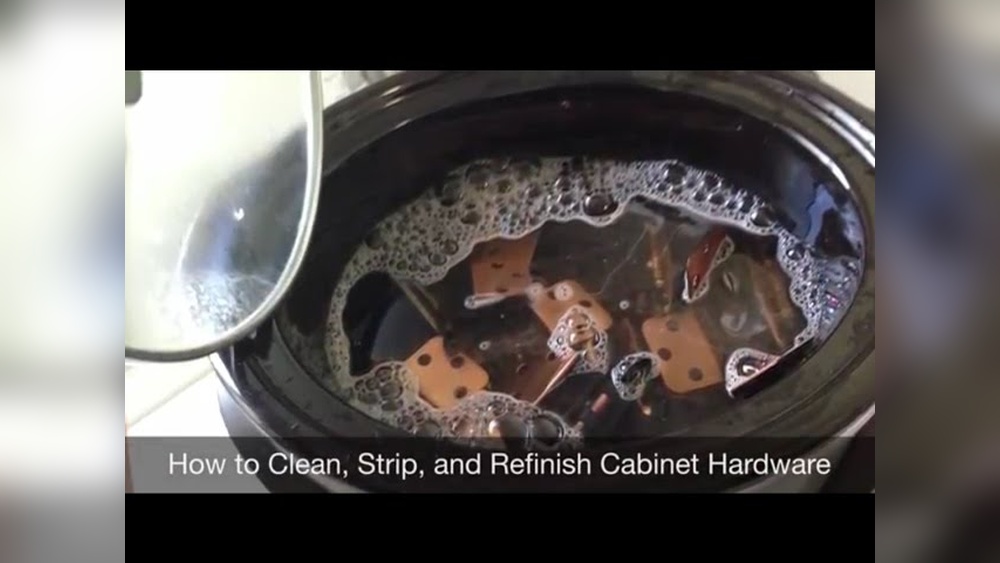
Are your cabinet door handles looking dull or dirty? Cleaning them might seem like a small task, but it can instantly refresh the look of your entire kitchen or bathroom.
You don’t need fancy tools or harsh chemicals to make your hardware shine like new. You’ll discover simple, effective ways to clean your cabinet door hardware quickly and safely. Keep reading to find out how easy it is to bring back that sparkling finish you thought was lost!
Types Of Cabinet Hardware
Cabinet hardware comes in many types. Each type has a different look and function. Knowing these types helps you clean them properly. It also keeps your cabinets looking fresh and new.
Hardware pieces include knobs, pulls, hinges, and handles. These parts often get dirty and need regular care. Understanding their materials and finishes matters too. Some need gentle cleaning, others can handle stronger products.
Knobs And Pulls
Knobs are small, round pieces you hold to open doors. Pulls are longer and allow a better grip. Both are easy to clean but collect grime over time. Dirt builds up around their bases and inside crevices. Cleaning these parts regularly keeps them shiny.
Hinges And Handles
Hinges connect the door to the cabinet frame. They allow doors to swing open and close smoothly. Handles serve the same purpose as pulls but are often bigger. Hinges can trap dust and need careful cleaning to avoid rust. Handles need wiping to remove fingerprints and oils.
Materials And Finishes
Cabinet hardware comes in metals, plastic, wood, and glass. Common metals include brass, stainless steel, and chrome. Finishes can be shiny, matte, or brushed. Each finish requires a specific cleaning approach. Avoid harsh cleaners on soft finishes to prevent damage. Knowing the material helps pick the right cleaning method.
Tools And Supplies Needed
Cleaning cabinet door hardware requires the right tools and supplies. Having these items ready makes the job easier and faster. It also helps protect the hardware from damage. Gather everything before you start to clean.
Cleaning Solutions
Choose a gentle cleaner for your cabinet hardware. Mild soap and warm water work well for most metals. For tougher grime, use vinegar mixed with water. Avoid harsh chemicals that can damage finishes.
Soft Cloths And Brushes
Use soft cloths to wipe down the hardware. Microfiber cloths are gentle and absorbent. Small brushes, like old toothbrushes, reach tight spots. These tools help remove dirt without scratching.
Protective Gear
Wear gloves to protect your hands from cleaning solutions. Use eye protection if using sprays or strong cleaners. A mask helps if you are sensitive to fumes. Safety keeps the cleaning process safe and comfortable.
Preparation Steps
Preparation is key to cleaning cabinet door hardware effectively. Taking a few simple steps ensures a smooth process and protects your cabinets. These preparation steps help avoid damage and make cleaning easier.
Removing Hardware Safely
Start by removing the cabinet door hardware carefully. Use a screwdriver that fits the screws well. Turn screws slowly to avoid stripping them. Keep the screws and hardware parts in a small container. This prevents losing any pieces during cleaning.
Protecting Cabinet Surfaces
Cover the cabinet surfaces to avoid scratches or damage. Use soft cloths or painter’s tape around the edges. This shield keeps the wood or paint safe. Take extra care if your cabinets have delicate finishes.
Setting Up A Cleaning Area
Choose a well-lit and ventilated spot for cleaning hardware. Lay a towel or cloth on a flat surface to work on. Organize your cleaning tools within reach. This setup keeps the process tidy and efficient.

Credit: www.hiatt-hardware.com
Cleaning Methods For Different Materials
Cabinet door hardware comes in many materials. Each type needs a special way to clean it. Using the right method keeps the hardware shiny and lasting longer. Dirt, grease, and fingerprints can dull the look. A gentle, correct cleaning approach brings back the original shine.
Metal Hardware Care
Metal hardware includes brass, stainless steel, and chrome. Use a soft cloth with warm water and mild soap. Wipe gently to remove dirt and oils. For tough spots, try a paste of baking soda and water. Rub lightly, then rinse and dry well. Avoid harsh cleaners that can scratch or damage metal. Polish with a dry cloth to restore shine.
Cleaning Plastic And Resin
Plastic and resin hardware can collect grime easily. Use a soft cloth with warm, soapy water. Avoid abrasive scrubbers that can cause scratches. For stubborn dirt, a toothbrush helps reach small areas. Rinse with clean water and dry with a soft towel. Avoid strong chemicals that may cause discoloration or damage.
Wooden Hardware Tips
Wooden hardware needs gentle care to prevent damage. Dust regularly with a dry, soft cloth. Clean with a cloth dampened in mild soapy water. Wipe carefully and dry immediately to avoid water damage. Use wood polish or oil occasionally to keep wood healthy. Avoid soaking wood or using harsh chemicals that strip finish.
Dealing With Stubborn Stains
Stubborn stains on cabinet door hardware can be tough to remove. These marks often come from grease, dirt, or hard water. Cleaning them needs care. The goal is to make the hardware shine without damage. Below are easy and safe ways to tackle these tough spots.
Using Baking Soda And Vinegar
Baking soda and vinegar form a natural cleaning duo. Sprinkle baking soda on the hardware first. Then spray or dab vinegar over it. The mix will fizz and break down grime. Let it sit for a few minutes. Use a soft brush or cloth to scrub gently. Rinse with warm water and dry well. This method works well on metal and plastic hardware.
Commercial Cleaners
Many commercial cleaners target stubborn stains effectively. Choose a cleaner made for the hardware type. Read the label to avoid harsh chemicals. Apply the cleaner with a cloth or sponge. Let it sit as instructed. Rub gently to lift the stains. Rinse thoroughly to remove residue. Dry the hardware to prevent water marks. Test the cleaner on a small spot first.
Avoiding Damage
Scrubbing too hard can scratch or damage hardware. Use soft cloths or brushes only. Avoid abrasive pads or steel wool. Harsh chemicals can dull finishes or cause corrosion. Always test cleaners on hidden areas first. Remove hardware if possible to clean better. Dry all parts completely to stop rust. Handle hardware gently to keep it looking new.

Credit: www.wikihow.com
Polishing And Protecting Hardware
Polishing and protecting cabinet door hardware keeps it shiny and lasting longer. Clean hardware looks fresh and adds charm to any room. Regular care prevents rust, dullness, and wear from daily use.
Natural Polishing Agents
Lemon juice brightens metal with natural acid. Mix lemon juice with baking soda to form a paste. Rub gently on hardware using a soft cloth. Let it sit for a few minutes, then wipe clean.
Olive oil also works well for polishing. Apply a small amount on a cloth and rub hardware softly. It adds shine and prevents drying out. Avoid harsh chemicals that may damage finishes.
Applying Protective Coatings
Clear wax helps protect hardware from moisture and dirt. Use a soft cloth to apply a thin layer of wax. Buff the surface until it shines and feels smooth. Wax creates a barrier that keeps hardware looking new.
Another option is a spray clear lacquer. Spray lightly and evenly on clean hardware. Let it dry fully before use. This coating guards against fingerprints and corrosion.
Regular Maintenance Tips
Wipe hardware weekly with a dry cloth to remove dust. Clean more deeply once a month with mild soap and water. Avoid soaking hardware; dry it immediately to stop rust.
Check screws and tighten if loose. Loose hardware can wear out faster. Small steps like these keep your cabinet hardware in top shape.
Reinstalling Hardware
Reinstalling cabinet door hardware is the last step after cleaning. It brings your cabinets back to life and makes them look neat. Take your time to put everything back correctly. This helps the doors work smoothly and look great.
Ensuring Proper Alignment
Start by placing the hardware in the right spot. Check the holes on the door and match the hardware with them. Make sure the handle or knob sits straight. Misaligned hardware can cause the door to hang wrong or look off.
Tightening Screws Correctly
Use a screwdriver to tighten the screws gently. Tighten enough to hold the hardware firmly. Avoid over-tightening, which can strip the screw holes or damage the door. Tight screws keep the hardware stable and prevent wobbling.
Final Inspection
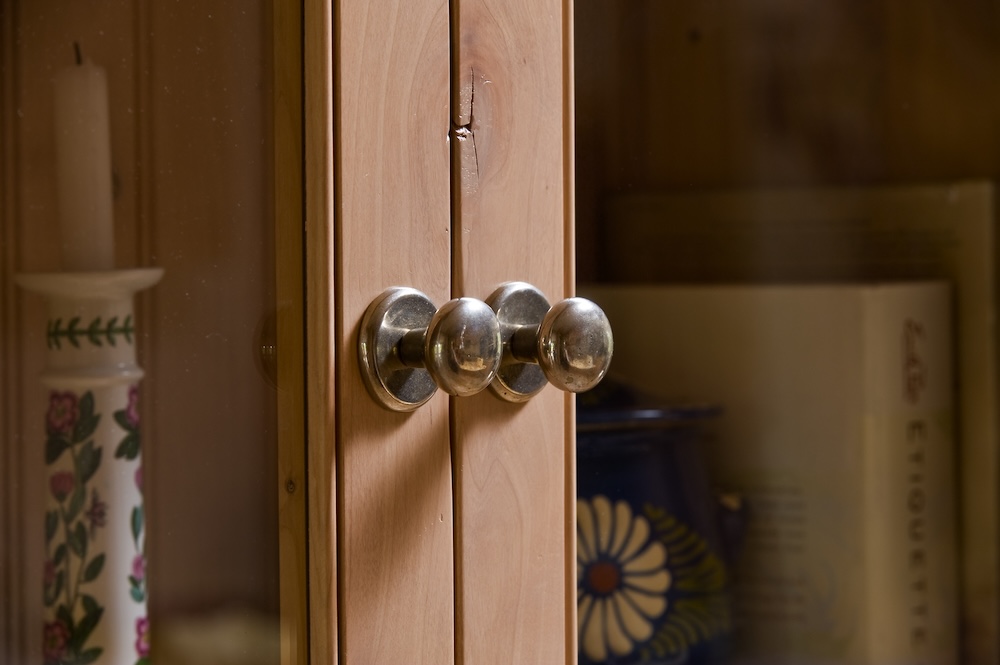
Look at the hardware closely after installation. Check if it moves smoothly and fits well. Open and close the door to test the hardware. Fix any loose screws or alignment issues right away. A final check ensures your cabinet looks and works great.
Credit: www.rockymountainhardware.com
Frequently Asked Questions
How Do I Safely Remove Cabinet Hardware For Cleaning?
To remove cabinet hardware safely, use a screwdriver to unscrew knobs or pulls carefully. Keep screws and parts organized. This prevents damage and loss, making cleaning easier and hardware reinstallation smooth.
What Is The Best Cleaner For Cabinet Door Hardware?
Mild soap and warm water work best for most cabinet hardware. Avoid harsh chemicals that can damage finishes. For tough grime, use a soft brush and gentle cleaner suitable for the hardware material.
How Often Should I Clean Cabinet Door Hardware?
Clean cabinet door hardware every 1-2 months to maintain shine and hygiene. Frequent cleaning prevents buildup of grease, dirt, and bacteria, keeping your kitchen or bathroom looking fresh and well-maintained.
Can I Clean Metal Cabinet Hardware With Vinegar?
Yes, vinegar is effective for cleaning metal hardware like brass or stainless steel. Dilute with water to avoid damage, and wipe with a soft cloth. Avoid using vinegar on delicate or coated finishes.
Conclusion
Cleaning cabinet door hardware keeps your kitchen looking fresh and neat. Use gentle cleaners and soft cloths to avoid damage. Regular care stops dirt and grime build-up. Small efforts save time and money on repairs. Clean hardware adds a nice shine and feel.
Try these easy steps to keep your cabinets in great shape. A little cleaning goes a long way. Your cabinets will look clean and welcoming every day. Simple habits bring lasting results.

