Choosing the right size for your cabinet hardware might seem simple, but it can change the whole look and feel of your space. If your knobs or pulls are too big, they can overpower your cabinets.
Too small, and they might look lost or feel awkward to use. You want your hardware to fit perfectly—not just for style, but for comfort and function too. You’ll discover exactly how big your cabinet hardware should be to make your kitchen or bathroom both beautiful and easy to use.
Keep reading to find the perfect balance for your cabinets.
Choosing The Right Hardware Size
Choosing the right hardware size for your cabinets is important. The size affects both the look and function of your kitchen or bathroom. The right size makes cabinets easier to use and looks balanced. Small or large hardware can change the whole style. Understanding the best size helps you get the most from your cabinets.
Factors Influencing Hardware Size
Several factors affect the size of cabinet hardware. The cabinet’s purpose matters. Cabinets used often may need larger handles for easy grip. Material and finish also play a role. Some materials work better with certain sizes. The style of your room affects size choice too. The space available on the door or drawer limits hardware size. Think about comfort and style together.
Impact Of Cabinet Style
Cabinet style guides hardware size. Modern cabinets usually need sleek and smaller handles. Classic or traditional cabinets look good with bigger, ornate hardware. Shaker style cabinets often use simple, medium-sized knobs or pulls. The hardware should match the cabinet’s design theme. Too big or too small hardware can look odd. Choose size to keep style consistent and attractive.
Considering Door And Drawer Dimensions
Door and drawer size affects hardware size choice. Large doors need bigger handles to look balanced. Small drawers work better with smaller knobs or pulls. Measure the width and height of doors and drawers first. Hardware should fit well without crowding the edges. Leave enough space around hardware for easy use. Proper size makes cabinets comfortable and visually pleasing.

Credit: refusingtoforget.org
Common Hardware Sizes
Choosing the right size for cabinet hardware matters. Proper sizes improve both look and function. This section covers common hardware sizes. It helps find the best fit for cabinets. Understanding sizes makes installation easier and more precise.
Standard Pull Sizes
Cabinet pulls come in many sizes. Most pulls measure between 3 to 5 inches. The measurement refers to the distance between screw holes. Common sizes include 3, 3.5, 4, and 5 inches. Larger pulls suit big drawers. Smaller pulls work well on narrow doors.
Knob Dimensions
Knobs usually range from 1 to 2 inches wide. Most knobs are round or square. The size affects grip comfort and style. Small knobs fit tiny drawers and doors. Bigger knobs offer better hold and stand out more.
Backplate And Rosette Options
Backplates and rosettes add style behind knobs or pulls. Backplates come in sizes from 1.5 to 3 inches. They can be square, round, or decorative. Rosettes are smaller, often under 2 inches. These options protect cabinet surfaces and enhance hardware look.
Measuring For Hardware
Measuring cabinet hardware is a key step before buying pulls or knobs. Accurate measurements ensure the hardware fits perfectly and looks balanced. Taking time to measure carefully saves you from mistakes and extra costs. Follow simple steps to get the right size for your cabinets.
Tools You’ll Need
Gather a tape measure or a ruler. Use a pencil to mark spots gently. A level helps keep hardware straight. A small piece of masking tape can hold marks without damage. These tools make measuring easier and more precise.
How To Measure Pulls And Knobs
Measure the center-to-center distance for pulls. This is the space between screw holes. For knobs, measure the base diameter. Note the depth if the pull or knob sticks out a lot. Write down all numbers clearly to avoid confusion later.
Spacing And Alignment Tips
Keep pulls centered on drawers or doors. Align knobs at a comfortable height and position. Use a level to check horizontal or vertical alignment. Space hardware evenly for a tidy look. Consistent spacing helps your cabinets look professional.
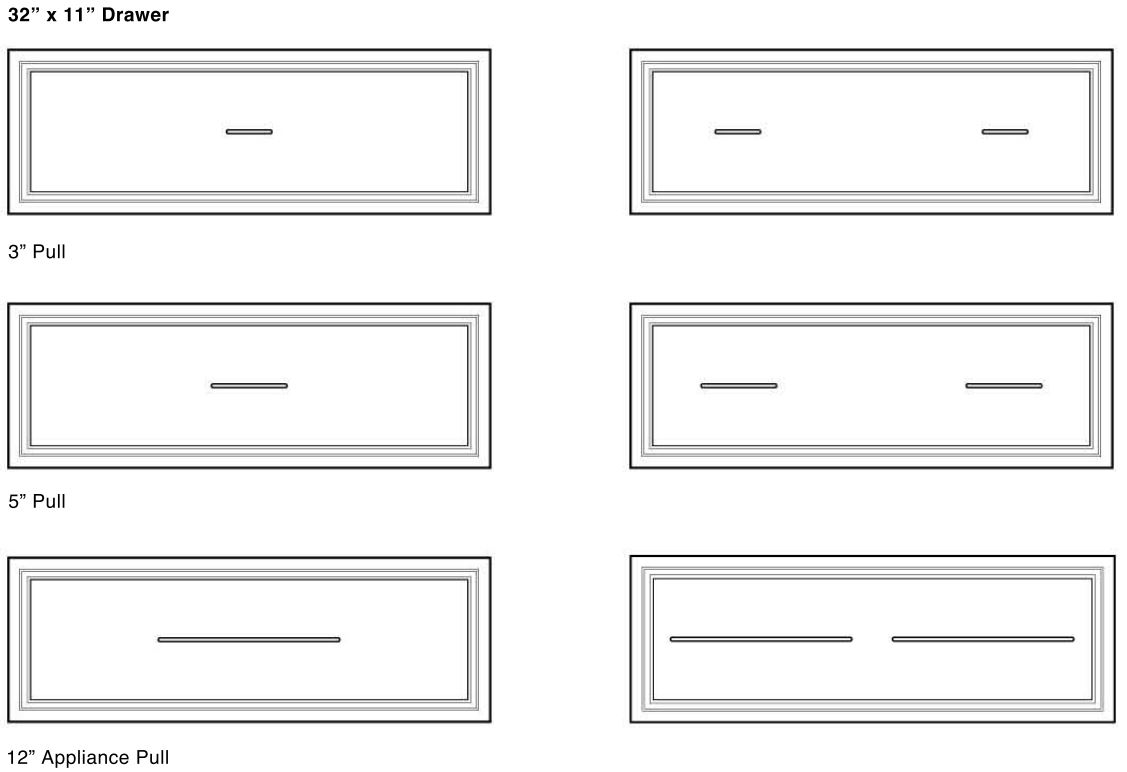
Credit: www.theknobbery.net
Hardware Size For Different Cabinet Types
Choosing the right hardware size depends on the cabinet type. Different cabinets need different hardware sizes for function and style. The size affects ease of use and the overall look of the space. Here is a guide to hardware size for various cabinet types.
Kitchen Cabinets
Kitchen cabinets usually have larger hardware. Handles between 3 to 5 inches work well. Bigger handles give a good grip for frequent use. Small knobs can feel awkward on big doors. For drawers, longer pulls make opening easier. The hardware should be strong to last in busy kitchens.
Bathroom Cabinets
Bathroom cabinets often use smaller hardware. Knobs or pulls from 1 to 3 inches fit well. Bathrooms are smaller spaces, so small hardware keeps a neat look. Small hardware also suits delicate cabinet styles. It helps keep the space looking clean and simple.
Furniture And Custom Cabinets
Furniture and custom cabinets vary in hardware size. Size depends on the cabinet’s style and use. Large pieces can handle bigger handles or knobs. Small furniture needs smaller, subtle hardware. Custom cabinets allow creative hardware choices. Always match hardware size to the cabinet’s design and purpose.
Balancing Function And Style
Choosing the right size for cabinet hardware means balancing how it works and how it looks. Hardware should be easy to use and fit the style of your cabinets. Too big, and it feels awkward. Too small, and it looks lost. The goal is to find a size that feels natural and matches your kitchen’s design.
Ergonomics Of Hardware Size
Hardware must be comfortable to hold and pull. Handles that are too small can be hard to grip, especially for people with larger hands. Larger handles offer better control but can look bulky on small cabinets. Measure the space and think about daily use. The right size helps you open cabinets smoothly and safely.
Matching Hardware With Cabinet Finish
Hardware size should match the cabinet’s color and material. Light or shiny finishes often suit smaller, delicate handles. Dark or textured cabinets pair well with bigger, bold hardware. Matching size and finish creates a balanced and pleasing look. It makes the whole kitchen feel connected and well-designed.
Trends In Cabinet Hardware Sizes
Recent trends show a mix of large and small hardware styles. Slim and long handles are popular for modern kitchens. Classic kitchens often use medium-sized knobs or pulls. Trends change, but function stays important. Pick a size that fits your kitchen style and daily needs for lasting appeal.
Installation Best Practices
Installing cabinet hardware correctly makes a big difference in how your cabinets look and function. Proper installation ensures the hardware fits well and feels sturdy. Following best practices helps avoid mistakes and keeps everything aligned. Here are some important tips to guide you through the process.
Placement Guidelines
Place hardware at a height that feels natural to reach. For drawers, install handles in the center or along the top edge. On cabinet doors, position knobs near the corner opposite the hinges. Measure carefully before drilling to keep hardware straight. Use a ruler or template for accuracy.
Ensuring Consistency Across Cabinets
Keep hardware placement uniform across all cabinets. Use the same distance from edges on every door and drawer. Consistency creates a clean, balanced look. Mark spots with a pencil before installing. Double-check measurements to avoid uneven spacing.
Adjusting Hardware Size After Installation
If the hardware feels too big or small, you can adjust it. Remove screws and try a different size if needed. Sometimes moving the hardware slightly improves comfort and appearance. Test the grip before final tightening. Small changes can make a big difference.
Troubleshooting Size Issues
Choosing the right size for cabinet hardware can sometimes cause problems. Size issues may make cabinets look odd or feel uncomfortable to use. Understanding how to fix these problems helps keep your cabinets functional and attractive.
Hardware Too Large Or Small
Hardware that is too big can overpower small cabinet doors. It may look heavy and awkward. Small hardware on large doors can seem lost or weak. Choose hardware that fits the size of the door or drawer. Measure the cabinet face before buying any hardware.
Dealing With Uneven Doors Or Drawers
Uneven doors or drawers cause hardware to sit crooked. This makes the cabinet appear poorly made. Tighten screws or adjust hinges to fix alignment. Sometimes, replacing hinges helps achieve even spacing. Correct hardware placement improves both look and function.
When To Replace Hardware
Replace hardware if it does not fit the cabinet properly. Old hardware may wear out or break. New hardware can enhance cabinet style and ease of use. Choose sizes that match the cabinet’s design and scale. Proper hardware keeps your cabinets looking fresh and working well.

Credit: www.reddit.com
Frequently Asked Questions
What Size Hardware Suits Standard Cabinet Doors?
Standard cabinet doors typically work well with hardware measuring 3 to 4 inches. This size balances aesthetics and functionality, making it easy to open doors comfortably.
How To Measure Cabinet Hardware Size Correctly?
Measure the center-to-center distance between screw holes on your cabinet door. This measurement ensures the hardware fits perfectly without extra drilling or adjustments.
Does Cabinet Hardware Size Affect Kitchen Style?
Yes, hardware size influences the kitchen’s overall look. Larger hardware suits modern, bold designs, while smaller sizes complement traditional, delicate styles.
Can Oversized Hardware Damage Cabinets?
Oversized hardware can stress cabinet doors and hinges if too heavy. Always select hardware proportional to cabinet size to avoid damage.
Conclusion
Choosing the right cabinet hardware size affects both style and function. Small handles may look neat but can be hard to use. Larger hardware offers better grip and suits bigger cabinets. Match hardware size with cabinet size for balance. Consider comfort and ease when selecting pulls or knobs.
The right size makes daily use easier and improves your kitchen’s look. Simple choices create a lasting impact. Take time to measure and test before buying. Your cabinets deserve hardware that fits perfectly and feels right.

