
Are you ready to give your file cabinet a fresh new look or fix a stubborn drawer? The first step is often removing the hardware—handles, knobs, and locks—that hold it all together.
But if you’re unsure how to do this without damaging your cabinet or wasting time, you’re in the right place. In this guide, you’ll discover simple, step-by-step tips that make taking hardware off your file cabinet quick and hassle-free. Keep reading, and you’ll gain the confidence to tackle this task like a pro.
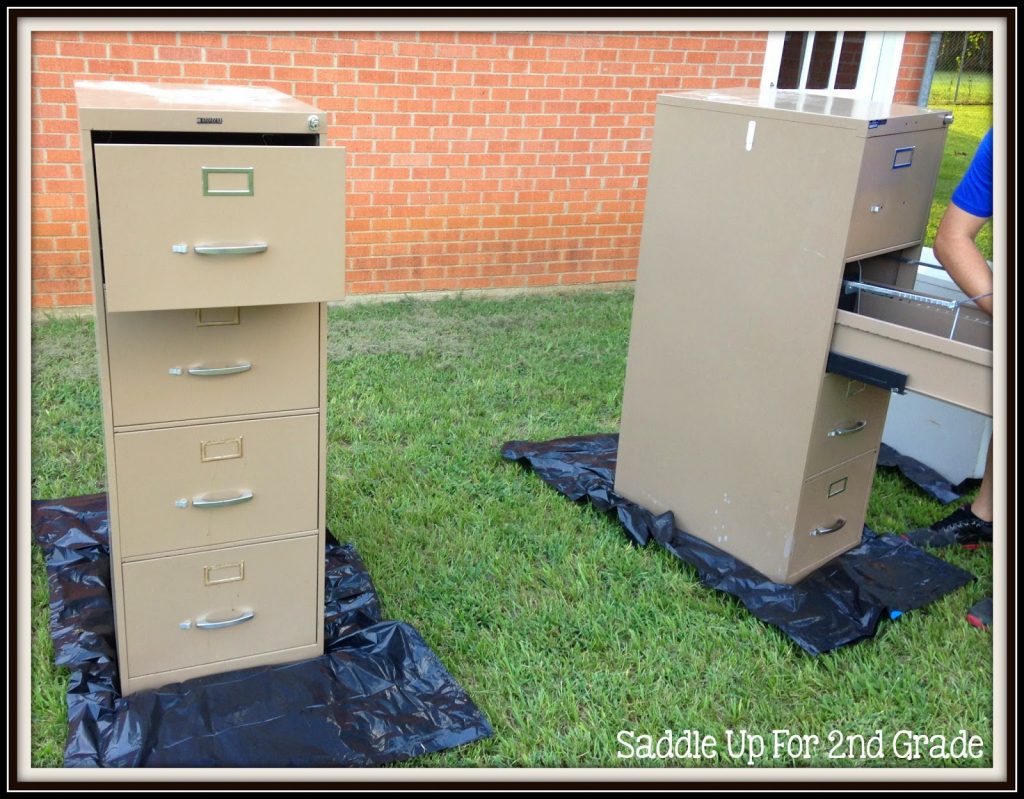
Credit: saddleupfor2ndgrade.com
Tools Needed
Removing hardware from a file cabinet needs the right tools. Using proper tools saves time and avoids damage to the cabinet. Prepare all tools before starting the project. This helps the process go smoothly and safely.
Essential Tools
A screwdriver is a must-have tool for most hardware removal. Choose a flathead or Phillips based on the screw type. A set of screwdrivers with different sizes is helpful. A pair of pliers can grip nuts and bolts firmly. Sometimes, a wrench is needed to loosen tight nuts. Keep a small container to hold screws and small parts. It prevents losing pieces during removal.
Optional Tools For Stubborn Hardware
Rusty or stuck screws may need extra help. A lubricant spray can loosen rusty screws or bolts. A hammer can gently tap stuck hardware to free it. Use a screwdriver with a better grip for tough screws. A power drill with screwdriver bits speeds up removal. Use these tools carefully to avoid damage.
Credit: www.bedbathandbeyond.com
Prepare The File Cabinet
Preparing the file cabinet before removing hardware makes the process easier and safer. It helps avoid damage and keeps your workspace organized. Follow these simple steps to get ready.
Empty Drawers
Take everything out of the drawers. Papers, folders, and small items can get in the way. Empty drawers make the cabinet lighter and easier to handle. It also prevents things from falling out while working.
Clear Work Area
Find a clean, flat surface to work on. Remove any clutter around the cabinet. A clear space gives you room to place tools and hardware parts. It reduces the risk of losing screws or damaging the cabinet.
Identify Hardware Types
Before removing hardware from a file cabinet, it is important to identify the types of hardware involved. Each type requires a different approach and tools. Knowing the hardware helps avoid damage to the cabinet and makes removal easier. This section explains how to spot common hardware parts on a file cabinet.
Handles
Handles are the parts you pull to open drawers. They often attach with screws or bolts. Some handles sit on the drawer front, while others are recessed inside. Look closely to see how the handle is fixed. This helps choose the right screwdriver or wrench for removal.
Locks
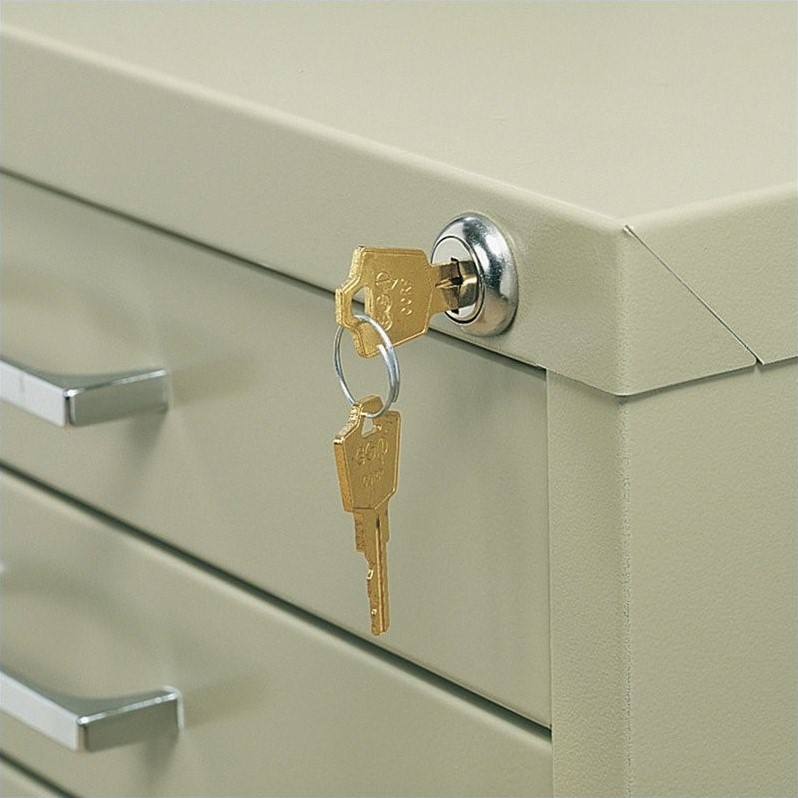
Locks secure the drawers and keep contents safe. They usually have a keyhole on the front. Locks may be attached with screws from inside the drawer or the back panel. Identifying the lock type helps to remove it carefully without breaking the mechanism.
Label Holders
Label holders display drawer names or numbers. They are often small metal or plastic frames. Label holders attach by clips, nails, or small screws. Check how they are fixed before trying to pull or unscrew. This prevents bending or cracking the holder.
Remove Handles
Removing handles from a file cabinet is a simple task. It helps if you know the right steps. Handles may be old or broken, or you want to change the look of your cabinet.
Start by checking the fasteners that hold the handle. These fasteners keep the handle attached to the drawer. Removing them carefully prevents damage to the cabinet.
Unscrew Handle Fasteners
Look inside the drawer to find screws holding the handle. Use a screwdriver that fits the screws well. Turn the screwdriver counterclockwise to loosen each screw. Keep the screws safe for later use. If screws are tight, try applying a little pressure. Avoid forcing the screws, as this can strip them.
Handle Removal Tips
After removing screws, gently pull the handle away from the drawer. If the handle feels stuck, wiggle it slightly. Use a flat tool to help lift it off if needed. Check for any glue or paint that may hold it in place. Clean the area before installing a new handle. This keeps the surface smooth and neat.
Detach Locks
Detaching locks from a file cabinet is a key step in removing hardware. Locks keep your files safe, but you may need to remove them to repair or replace parts. This section explains how to remove locks carefully and safely.
Locate Lock Screws
First, open the drawer to see the lock from inside. Look for screws holding the lock in place. These screws are usually small and near the lock cylinder. Use a flashlight if the area is dark. Note the screw type, like Phillips or flathead, for the right screwdriver.
Safe Lock Removal
Use the correct screwdriver to avoid slipping or damage. Turn screws slowly and gently. Keep the screws in a safe place for reinstallation or storage. Once screws are out, pull the lock cylinder straight out. Avoid forcing it to prevent damage to the drawer or lock. Handle the lock carefully as parts may be fragile.
Credit: www.cymax.com
Take Off Label Holders
Removing label holders from a file cabinet is a simple step. It helps update or clean your cabinet. Label holders come in different styles and attach in various ways. Knowing how to remove them without damage is important for a neat look.
Identify Attachment Method
First, check how the label holder is attached. Some use clips that snap on easily. Others have small screws or adhesive backing. Look closely at the edges and back of the holder. This helps you pick the right removal method.
Remove Without Damage
For clip-on holders, gently pull from one side. Use a plastic tool to pry if needed. Avoid using metal tools to prevent scratches. If screws hold the holder, use a screwdriver to remove them carefully. For adhesive holders, apply heat with a hairdryer. This softens the glue. Slowly peel the holder off to avoid paint damage.
Handle Stuck Or Rusted Hardware
Handles on file cabinets can get stuck or rusted over time. This makes removing them a challenge. Rust blocks movement and seizes screws in place. Stuck handles need careful steps to avoid damage. Proper care helps loosen hardware without breaking it.
Use Lubricants
Apply a small amount of lubricant to the handle’s metal parts. WD-40 or similar oils work well. Let the lubricant sit for 10 to 15 minutes. It loosens rust and dirt around screws. This makes turning screws easier and reduces damage risk.
Apply Gentle Force
Use a screwdriver to turn screws slowly. If screws don’t move, tap the handle lightly with a rubber mallet. Avoid using too much force to prevent breaking the handle. Repeat lubricant application if needed. Patience helps free rusted hardware safely.
Clean And Inspect Hardware
Cleaning and inspecting hardware is an important step after removing it from a file cabinet. Dirt, dust, and old grease can build up on handles, knobs, and locks. This buildup can cause problems later, such as rust or poor function. Careful cleaning helps hardware look better and last longer.
Inspection checks for any damage. Cracks or bends can affect how the hardware works or fits back on the cabinet. Catching these issues early allows you to fix or replace parts before reassembling the cabinet.
Remove Residue
Start by wiping the hardware with a dry cloth. Remove loose dust and dirt. Use a mild soap and warm water to clean sticky residue or grease. A soft brush helps reach small crevices. Avoid harsh chemicals that may damage the finish. Rinse and dry the hardware thoroughly to stop rust.
Check For Damage
Look closely for cracks, bends, or broken pieces. Check screws and bolts for stripped threads. Test moving parts like locks or hinges. Ensure they move smoothly without sticking. Replace damaged parts to keep the cabinet working well. Proper hardware condition means easier reinstallation.
Tips For Reinstallation Or Replacement
Reinstalling or replacing hardware on a file cabinet needs care. Proper steps make the job easier. It keeps the cabinet working well and looking good. Follow these tips to ensure smooth reinstallation or replacement.
Choosing New Hardware
Pick hardware that fits the cabinet style. Measure holes and spacing before buying. Choose durable materials like metal or strong plastic. Match the finish to the cabinet color. Check that screws and bolts fit the new pieces.
Proper Installation Techniques
Start by cleaning the surface and holes. Align new hardware carefully with existing holes. Use the right tools for screws and bolts. Tighten screws just enough to hold firmly. Avoid over-tightening to stop damage. Test the hardware by opening and closing drawers.
Frequently Asked Questions
How Do I Safely Remove File Cabinet Hardware?
To safely remove hardware, first empty the cabinet drawer. Use the right screwdriver to unscrew handles or locks. Work slowly to avoid damaging the surface. Keep screws and parts organized for reassembly or replacement.
What Tools Are Needed To Remove File Cabinet Hardware?
You typically need a Phillips or flathead screwdriver. Sometimes, an Allen wrench or pliers may be required. Choose tools that fit screws perfectly to prevent stripping. Having a magnetic tray helps keep screws secure.
Can I Replace File Cabinet Hardware Easily?
Yes, replacing hardware is straightforward. Remove the old parts carefully. Match new hardware sizes with old ones for easy installation. Ensure screws fit correctly to avoid loose or damaged handles.
How To Remove Stuck Or Painted-over Hardware?
Apply a lubricant like WD-40 to loosen stuck screws. Use gentle prying tools if necessary. For painted-over hardware, carefully score paint around screws before removal to prevent damage.
Conclusion
Removing hardware from a file cabinet is simple and quick. Use the right tools and work carefully. Keep screws and parts in a safe place. Avoid rushing to prevent damage. This guide helps you handle the task with ease. Now you can update or fix your cabinet confidently.
Try these steps the next time you work on your furniture. Easy and effective.


