Are you looking for a simple way to add snaps to your clothes or crafts? Learning how to use a Dritz snap fastener can make your projects look professional and last longer.
Whether you’re fixing a favorite jacket or creating a handmade bag, these snaps are easy to install and super reliable. Keep reading, and you’ll discover step-by-step tips that will save you time and frustration. By the end, you’ll feel confident using Dritz snap fasteners like a pro.
Choosing The Right Snap Fastener
Choosing the right snap fastener is key to a good sewing project. The right snap holds fabric well and lasts long. Picking the correct type, size, and material makes your work easier. This guide helps you find the perfect Dritz snap fastener for your needs.
Types Of Dritz Snap Fasteners
Dritz offers several snap fastener types. Standard snaps fit most fabrics and everyday use. Heavy-duty snaps work well with thick materials like denim. Decorative snaps add style to your project. Each type clicks firmly when closed and opens smoothly.
Materials And Sizes
Dritz snap fasteners come in metal and plastic. Metal snaps are strong and last longer. Plastic snaps are light and good for delicate fabrics. Choose the size based on fabric thickness and project use. Smaller snaps suit light fabrics. Larger snaps fit thick or heavy materials better.

Credit: www.youtube.com
Gathering Necessary Tools
Gathering the right tools makes installing Dritz Snap Fasteners easier and more precise. Having everything ready helps avoid delays and mistakes. This section covers the essential tools and how to prepare your workspace for the task.
Essential Tools For Installation
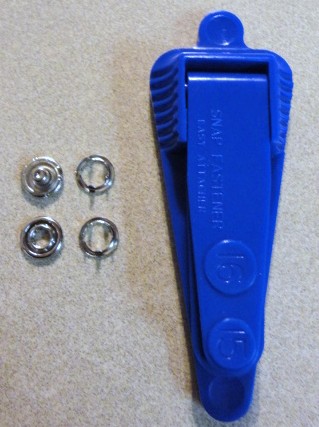
You need a few basic tools to install Dritz Snap Fasteners correctly. A snap fastener kit usually includes the snaps and an installation tool. Use a hammer to press the snaps into fabric firmly.
Also, have a small awl or sharp pin to mark the fabric. Scissors help trim any threads or fabric edges. A ruler or measuring tape ensures snaps go in the right spots evenly.
Preparing Your Workspace
Choose a clean, flat surface with good light. This helps you see small parts clearly. Lay down a soft cloth or mat to protect both your fabric and the table.
Keep all your tools and snaps within reach. This saves time and keeps things organized. Clear away any clutter before starting to avoid losing small pieces.
Preparing Fabric For Snaps
Preparing fabric for snaps is a key step for a smooth and strong attachment. Proper preparation helps snaps stay in place and work well over time. This section explains how to mark snap positions and reinforce fabric areas. Follow these steps to get the best results with Dritz snap fasteners.
Marking Snap Positions
Start by deciding where each snap will go on your fabric. Use a fabric pencil or tailor’s chalk to mark spots clearly. Mark both sides of the fabric to align snaps perfectly. Keep marks small and precise to avoid damage. Double-check the placement before you attach the snaps.
Reinforcing Fabric Areas
Snaps need strong fabric to hold tightly. Add a small piece of interfacing or fabric patch behind each snap mark. Use an iron-on patch or sew a piece of fabric for extra support. Reinforcement stops fabric from tearing or stretching. This step is important, especially on thin or stretchy materials.
Credit: www.indianainker.com
Installing Dritz Snap Fasteners
Installing Dritz snap fasteners is a simple process that anyone can do. These fasteners are handy for clothing, bags, and crafts. The installation needs careful alignment and firm attachment for best results. Follow these steps to ensure your snaps hold well and look neat.
Aligning Snap Components
Start by placing the snap parts on the fabric. The top part goes on the front side. The bottom part goes on the back side. Make sure they line up exactly. Misalignment can cause the snap to not close properly. Mark the spots lightly if needed for accuracy.
Using The Snap Pliers
Use Dritz snap pliers designed for these fasteners. Insert the snap parts into the correct jaws of the pliers. Hold the fabric steady between the jaws. Squeeze the pliers slowly and firmly. This presses the snap parts together tightly. Avoid squeezing too hard to prevent damage.
Securing The Snap Firmly
Check the snap after pressing. It should be tight and secure on the fabric. The snap must open and close smoothly without falling off. If loose, repeat the process with a new snap. Firm attachment ensures durability and long-lasting use.
Testing And Adjusting Snaps
Testing and adjusting snaps is a key step after installing Dritz snap fasteners. It ensures the snaps work properly and last long. This process helps find any problems early and fix them quickly. Snap fasteners should close tightly and open easily. A small check can save time and frustration later.
Ensuring Snap Functionality
Press the snap together firmly to test it. The snap should click and stay closed. Pull gently to see if it opens without force. Make sure the snap is not too loose or too tight. Check both the top and bottom parts of the snap. They must align correctly for smooth use.
Try snapping and unsnapping a few times. This will show if the snap holds well. If it feels weak or wobbly, the snap may need adjustment. Properly working snaps keep your clothes or projects secure.
Fixing Common Installation Issues
If the snap is loose, press it again with the tool. Sometimes the snap needs more pressure to fit tightly. Check if the snap parts are in the right position. Misaligned snaps often cause poor closure.
For snaps that are too tight, gently bend the ring back to loosen it. Avoid forcing the snap too much. Damaging the snap can make it unusable. Replace any broken parts with new Dritz snaps for best results.
Care And Maintenance Tips
Proper care and maintenance keep your Dritz snap fasteners working well. Clean snaps regularly to avoid dirt build-up. Handle snaps gently to prevent damage. Small efforts help snaps last longer and stay strong.
Cleaning Snap Fasteners
Use a soft cloth to wipe snap fasteners. Avoid harsh chemicals that can damage metal parts. A mild soap solution works well for cleaning. Dry snaps completely after cleaning to stop rust. Clean snaps often, especially after heavy use.
Extending Snap Lifespan
Check snaps for loose parts before use. Tighten loose snaps carefully to avoid breaking them. Store items with snaps in dry places to stop rust. Avoid pulling snaps roughly to keep them intact. Regular care extends the life of your snaps.

Credit: www.amazon.com
Frequently Asked Questions
What Tools Do I Need To Use Dritz Snap Fastener?
You need Dritz snaps, snap setter tools, a hammer, and fabric. These tools help attach snaps securely and neatly to any fabric.
How Do I Attach Dritz Snap Fasteners To Fabric?
Place the snap parts on fabric layers, align them, then use the snap setter and hammer. This fixes snaps tightly without damaging fabric.
Can Dritz Snap Fasteners Work On Thick Materials?
Yes, they work well on thick fabrics like denim and canvas. Use a stronger hammer strike to ensure the snap fastener sets firmly.
Are Dritz Snap Fasteners Reusable After Removal?
No, once removed, snaps usually lose their grip. It’s best to replace them with new Dritz snap fasteners for secure closure.
Conclusion
Using Dritz snap fasteners is simple and saves time. These fasteners hold fabric firmly and look neat. Practice placing snaps on scrap fabric first. Choose the right size for your project. With patience, your sewing work will look professional. Snap fasteners work great for clothes and crafts.
Keep your tools clean and organized. Enjoy making quick and easy closures with confidence.