When you need parts that hold everything together, Es Fasteners are the key to getting the job done right. Whether you’re working on a home project, fixing machinery, or building something new, having the right fasteners can make all the difference.
You might not always notice them, but these small pieces play a huge role in keeping things strong and secure. You’ll discover what makes Es Fasteners stand out, how they can improve your work, and why choosing the right fasteners matters for your success.
Keep reading to find out how to make your projects easier and more reliable with the right fasteners.
Types Of Es Fasteners
Es fasteners come in several types to suit different tasks and materials. Each type offers unique features for strong and secure connections. Understanding these types helps choose the right fastener for any project.
Bolts And Screws
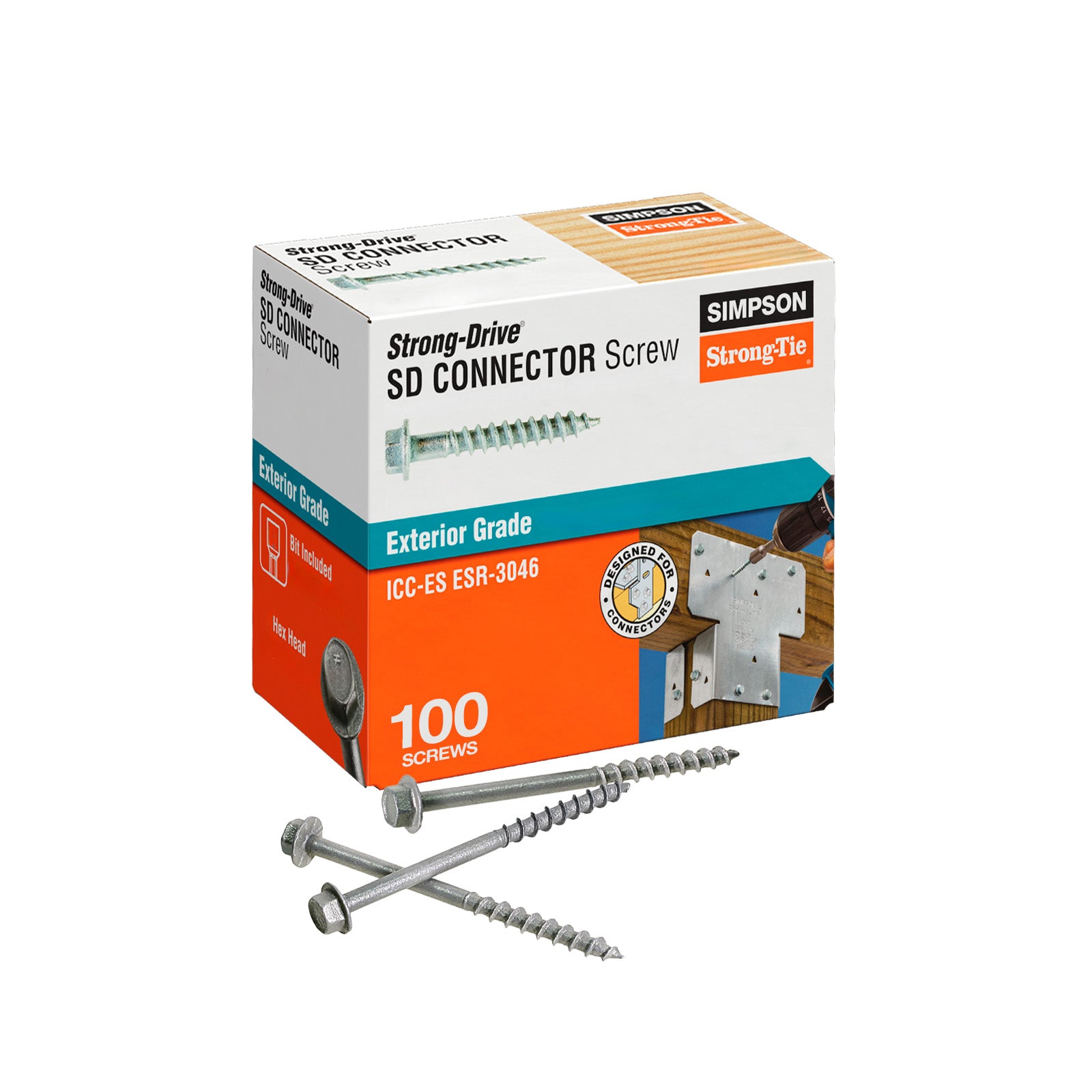
Bolts and screws are common fasteners in many industries. Bolts usually need nuts to hold parts together tightly. Screws can hold materials without nuts by digging into the surface. Both types come in different sizes and shapes for various uses.
Nuts And Washers
Nuts pair with bolts to lock parts firmly in place. Washers sit between nuts and surfaces to spread pressure evenly. This prevents damage and loosens fasteners less often. Nuts and washers come in many designs for specific needs.
Specialty Fasteners
Specialty fasteners serve unique roles in tough conditions. Examples include rivets, anchors, and clips. These fasteners provide extra strength or flexibility. They are vital for specialized projects and materials.
Materials And Coatings
Choosing the right materials and coatings is essential for Es fasteners. These factors affect strength, durability, and resistance to wear. Different projects need different types of fasteners. Understanding materials and coatings helps you pick the best option.
Steel Variants
Steel is a common material for fasteners. It offers high strength and good cost-effectiveness. Carbon steel is popular for general use. Alloy steel provides better strength and toughness. These steel types work well in many environments.
Stainless Steel Options
Stainless steel fasteners resist rust and corrosion. They contain chromium, which forms a protective layer. Grades like 304 and 316 are widely used. Grade 316 offers extra protection against harsh conditions. Stainless steel suits outdoor and marine applications.
Corrosion-resistant Coatings
Coatings increase fasteners’ lifespan by preventing rust. Zinc plating is a common protective coating. It creates a barrier against moisture and air. Other options include black oxide and phosphate coatings. These coatings improve appearance and corrosion resistance.
Choosing The Right Fastener
Choosing the right fastener is key to any project’s success. The right fastener holds parts together safely and lasts long. Picking the wrong one can cause damage or failure. Several factors affect this choice. Understanding these helps pick the best fit for your needs.
Load And Strength Requirements
Fasteners must handle the weight and force applied. Check the load type: tension, shear, or both. Use fasteners with strength that matches or exceeds the load. Overloading weak fasteners causes breakage. Consider safety margins for extra strength. This prevents accidents and keeps structures stable.
Environmental Considerations
Fasteners face different environments. Some face moisture, chemicals, or extreme temperatures. Choose materials resistant to rust and corrosion. Stainless steel or coated fasteners work well outdoors. Avoid materials that weaken or corrode fast. Proper fasteners last longer and save repair costs.
Compatibility With Materials
Fasteners must fit well with the joined materials. Metal fasteners suit metal parts best. Wood requires special screws to grip firmly. Avoid mixing metals that cause corrosion. Match fastener size to material thickness. Proper compatibility ensures a secure, lasting connection.
Manufacturing Standards
ES Fasteners follows strict manufacturing standards. These standards ensure every fastener meets high quality and safety levels. The company uses tested methods and checks at every step. This focus helps maintain reliable and durable products for customers.
Industry Certifications
ES Fasteners holds important industry certifications. These certificates prove the products meet global standards. Certifications include ISO 9001 for quality management systems. Such credentials show the company’s commitment to excellence. They help customers trust the products for various uses.
Quality Control Processes
Quality control at ES Fasteners is thorough and detailed. Each batch undergoes strict inspections to find defects. Machines and skilled workers test strength and measurements. Any product not meeting standards gets removed immediately. This process guarantees only the best fasteners reach the market.
Applications Of Es Fasteners
Es Fasteners are small but vital parts used in many industries. They hold things together firmly and safely. Their strength and reliability make them popular in different fields. This section explores where Es Fasteners are commonly used and why they matter.
Construction And Infrastructure
Es Fasteners join metal, wood, and concrete parts. Builders use them in bridges, buildings, and roads. These fasteners keep structures stable and safe. They resist weather and heavy loads well. Strong fasteners mean strong construction projects.
Automotive And Machinery
Cars and machines need secure parts to work right. Es Fasteners hold engine parts, panels, and wheels tightly. They handle heat, vibrations, and movement without failing. This helps vehicles and machines run smoothly and last longer.
Electronics And Appliances
Small devices need tiny but strong fasteners. Es Fasteners secure circuit boards, panels, and screens in electronics. They keep parts in place inside appliances like TVs and refrigerators. Their precision and strength protect delicate components.
Credit: www.fastenersplus.com
Installation Best Practices
Proper installation of ES fasteners ensures strong and lasting connections. Following best practices helps avoid common problems like loosening or damage. Understanding the right tools, techniques, and safety measures is key to success.
Tools And Techniques
Use the correct tools for the type of ES fastener. A torque wrench is often required for precise tightening. Hand tools like screwdrivers and pliers may be needed for smaller parts.
Clean the fastener and surface before installation. Dirt or rust can weaken the joint. Insert the fastener straight to prevent cross-threading.
Torque Specifications
Always follow the recommended torque values from the manufacturer. Over-tightening can strip threads or break the fastener. Under-tightening may cause loosening over time.
Use a calibrated torque wrench for accuracy. Tighten fasteners gradually and evenly. Check the torque after installation to ensure proper fit.
Safety Tips
Wear safety glasses and gloves during installation. Fasteners can snap or cause sharp edges. Work in a well-lit area to avoid mistakes.
Keep hands clear of moving parts. Dispose of damaged fasteners properly to prevent injuries. Always follow workplace safety guidelines for tool use.
Maintaining Durability
Maintaining durability is key to getting the most from ES fasteners. These small parts hold big structures together. Keeping them strong prevents accidents and saves money. Proper care ensures fasteners last longer and work better.
Inspection Methods
Regular checks help spot problems early. Look for cracks, rust, or loose parts. Use a magnifying glass for small details. Tighten any screws or bolts that feel loose. Record the condition to track changes over time.
Preventing Wear And Corrosion
Keep fasteners clean and dry. Remove dirt and moisture often. Apply protective coatings like oil or paint. Avoid harsh chemicals that can damage metal. Store fasteners in a dry place when not in use.
Replacement Guidelines
Replace fasteners if they show cracks or heavy rust. Do not reuse bent or damaged parts. Use the same size and type for replacements. Follow manufacturer instructions for proper installation. Timely replacement keeps structures safe and strong.
Credit: www.bigrocksupply.com
Latest Innovations
Es Fasteners have seen many new changes recently. These changes help improve strength and ease of use. Innovations focus on materials and smart technology. Both make fastening tasks faster and more reliable.
Advanced Materials
New materials make fasteners stronger and lighter. Some fasteners now use stainless steel with added corrosion resistance. Others use special plastics to reduce weight without losing strength. These materials last longer in tough environments. They also resist rust and wear better than before.
Fasteners made with new alloys can handle more pressure. This helps in construction and machine assembly. They keep parts tightly fixed even under stress. Such materials reduce the need for frequent replacements.
Smart Fastening Solutions
Smart fasteners include sensors to check tightness. These sensors send alerts if a fastener loosens. This feature helps prevent accidents and equipment failure. Some smart fasteners connect to mobile apps for easy monitoring.
Technology allows quick and precise installation. Tools can now detect the right torque to apply. This avoids over-tightening or under-tightening. Smart solutions save time and increase safety on job sites.
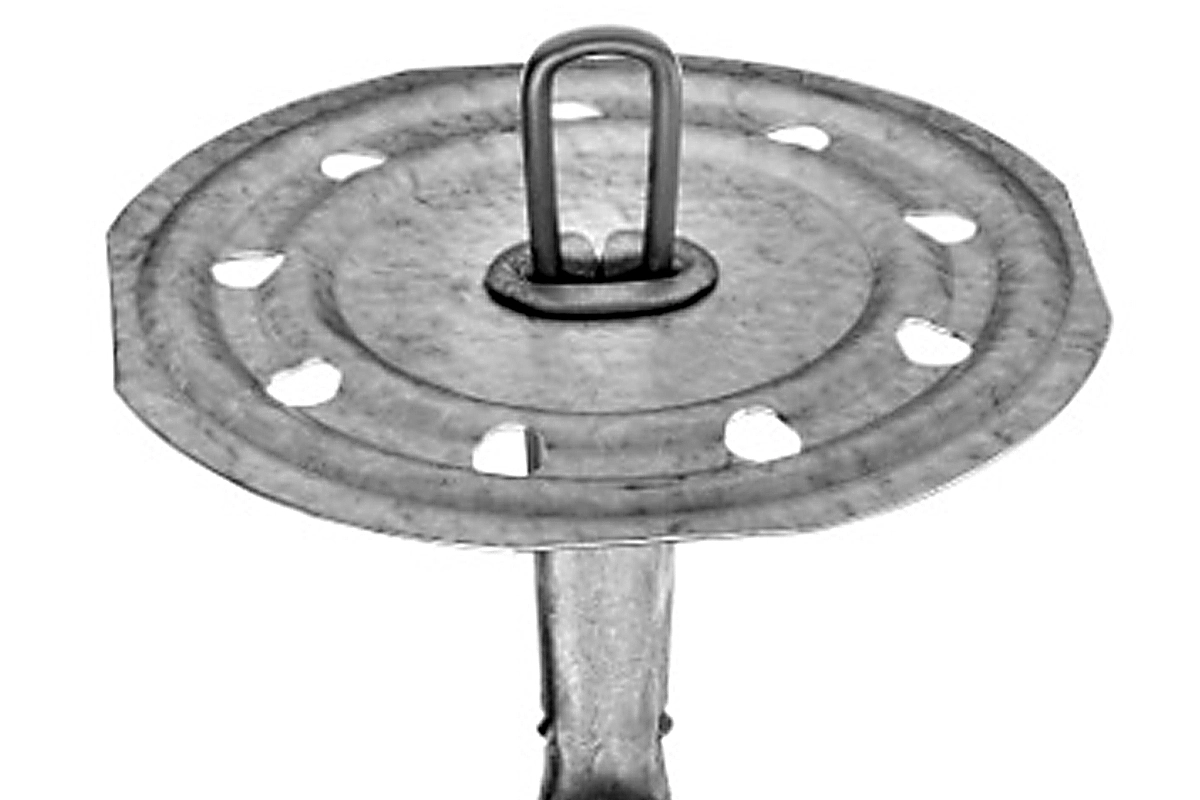
Credit: www.tremcoroofing.com
Frequently Asked Questions
What Are Es Fasteners Used For?
ES Fasteners are used to securely join materials like metal, wood, and plastic. They provide strong, durable connections in construction and manufacturing.
How Do Es Fasteners Differ From Regular Fasteners?
ES Fasteners offer enhanced strength and corrosion resistance. They are designed for high-stress environments and long-lasting performance compared to standard fasteners.
What Materials Are Es Fasteners Made From?
ES Fasteners are commonly made from stainless steel, carbon steel, or alloy steel. These materials ensure durability and resistance to wear and weather.
Are Es Fasteners Suitable For Outdoor Applications?
Yes, ES Fasteners are ideal for outdoor use. Their corrosion-resistant properties protect against rust and environmental damage.
Conclusion
Es Fasteners offer strong and reliable solutions for many projects. They fit different materials and keep things secure. Choosing the right fastener saves time and effort. Quality matters to ensure safety and durability. Trusting good fasteners helps your work last longer.
Simple, strong, and effective – that’s what Es Fasteners provide. Use them to build with confidence and ease.