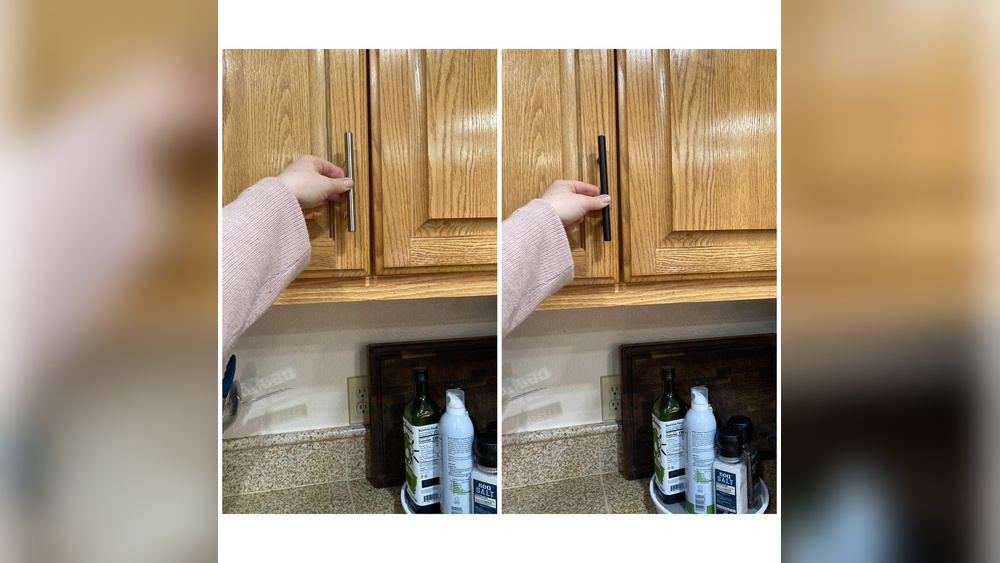
Are you struggling to find the perfect look for your kitchen cabinets? Choosing the right hardware might seem like a small detail, but it can completely change the feel of your space.
When your cabinet handles and knobs work together smoothly, your kitchen feels more stylish and put-together. In this guide, you’ll discover simple tips to match your hardware perfectly, making your kitchen not just functional but also beautiful. Keep reading to unlock easy ways to coordinate your cabinet hardware like a pro.

Credit: www.granitetransformations.com
Choosing The Right Hardware Finish
Choosing the right hardware finish is important for kitchen design. It helps create a balanced and stylish look. The finish of your cabinet handles and knobs can change the entire feel of your kitchen. It ties together different elements like appliances and fixtures. Picking the right finish makes your kitchen look complete and polished.
Matching Metals With Appliances
Match your hardware finish with the metal of your appliances. For example, use stainless steel handles with stainless steel appliances. This creates a smooth, unified look. If your appliances have a black finish, choose dark hardware. Matching metals helps avoid clashing styles in your kitchen. It keeps the design clean and simple.
Popular Finish Options
Popular hardware finishes include brushed nickel, chrome, bronze, and matte black. Brushed nickel has a soft, muted shine. Chrome is bright and shiny, giving a modern look. Bronze offers a warm, classic feel. Matte black adds a bold, contemporary touch. Choose a finish that matches your kitchen style and colors.
Mixing Finishes Creatively
Mixing finishes can add interest and depth to your kitchen. Use one finish for cabinet handles and another for drawer pulls. Combine metals with similar tones, like bronze with copper. Avoid mixing too many different finishes to keep harmony. Creative mixing can make your kitchen unique and stylish.
Selecting Hardware Styles
Selecting the right hardware styles for kitchen cabinets shapes the room’s look and feel. Cabinet handles and knobs do more than open doors. They add personality and style. Choosing hardware that fits the kitchen’s design creates harmony and improves function. Focus on style, matching, and usability to find the best fit.
Modern Vs. Traditional Designs
Modern hardware often features clean lines and simple shapes. It suits sleek cabinets and minimal decor. Materials like stainless steel and matte black work well in modern kitchens. Traditional hardware usually has more detail and curves. Classic finishes like bronze or brass create a warm, timeless look. Decide the style that fits your kitchen’s mood and stick to it.
Complementing Cabinet Styles
Hardware should match the cabinet style, not clash with it. Flat-front cabinets pair well with straight, simple handles. Raised panel or shaker-style cabinets look great with more detailed knobs and pulls. Consider the cabinet color and finish too. Light wood often matches soft, rounded hardware. Dark cabinets can handle bold, geometric designs. The goal: a balanced and unified appearance.
Balancing Function And Aesthetics
Hardware must look good and feel good to use. Choose handles that are comfortable to grip. Avoid small knobs on large drawers, which can be hard to open. Consider how often you use each cabinet. High-use spots need sturdy, easy-to-clean hardware. Think about safety too—smooth edges prevent snags and scratches. Find a style that fits your daily kitchen routine.
Considering Cabinet Material And Color
Choosing the right hardware for your kitchen cabinets depends a lot on the cabinet material and color. These two factors affect how the hardware looks and feels in your kitchen. Selecting hardware that matches or contrasts well can create a balanced and stylish space.
Hardware For Wood Cabinets
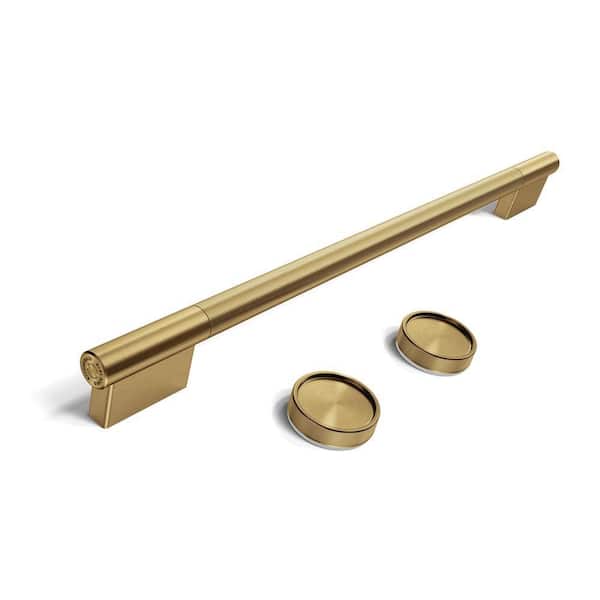
Wood cabinets bring warmth and texture to the kitchen. Choose hardware with natural finishes like bronze, brass, or oil-rubbed bronze. These metals blend well with wood tones. Simple designs enhance the beauty of the grain without overpowering it. Darker metals add depth to light wood, while lighter metals brighten dark wood.
Hardware For Painted Cabinets
Painted cabinets offer a smooth and colorful base. Shiny metals such as chrome, nickel, or stainless steel look great on painted surfaces. These finishes add a modern and clean touch. Matte black or antique brass hardware also works well for bold or soft colors. The key is to pick hardware that stands out but complements the paint shade.
Contrasting Vs. Coordinating Colors
Hardware can either match or contrast with cabinet colors. Coordinating colors create a calm and unified look. For example, silver hardware on gray cabinets feels sleek and subtle. Contrasting colors add interest and drama. Black handles on white cabinets make a strong statement. Think about the mood you want before choosing matching or contrasting hardware.
Credit: www.homedepot.com
Planning Hardware Placement
Planning hardware placement for kitchen cabinets is key to both style and function. Good placement makes cabinets easier to use and adds to the kitchen’s look. Small details like where knobs and pulls go can change the whole feel of the space. Think about how you use your kitchen daily. This helps decide the best spots for hardware.
Standard Knob And Pull Positions
Knobs usually sit near the corner of cabinet doors. This spot is easy to reach and looks neat. For drawers, pulls often go centered or near the top edge. This makes opening drawers smooth and quick. Follow these common spots to keep a clean, consistent look.
Ergonomic Considerations
Hardware should feel comfortable to use. Place knobs and pulls where hands rest naturally. Avoid spots that need bending or stretching. This saves effort and keeps joints safe. Think about the height and reach of all family members. Easy access helps everyone use the kitchen better.
Symmetry And Visual Flow
Symmetry brings balance and calm to kitchen design. Match hardware placement on opposite doors and drawers. This creates a neat, orderly look. Keep spacing even between knobs and pulls. A smooth visual flow makes the kitchen feel bigger and cleaner. Small, thoughtful details improve the whole room’s style.
Mixing And Matching Hardware
Mixing and matching kitchen cabinet hardware can add a unique touch to your kitchen. It creates interest and shows your personal style. Choosing different styles for various cabinets breaks the monotony. It also highlights special areas like the pantry or island.
Careful planning is needed to keep the look balanced. Too many styles can make the space feel messy. The right mix brings harmony and charm to your kitchen design.
When To Use Different Styles
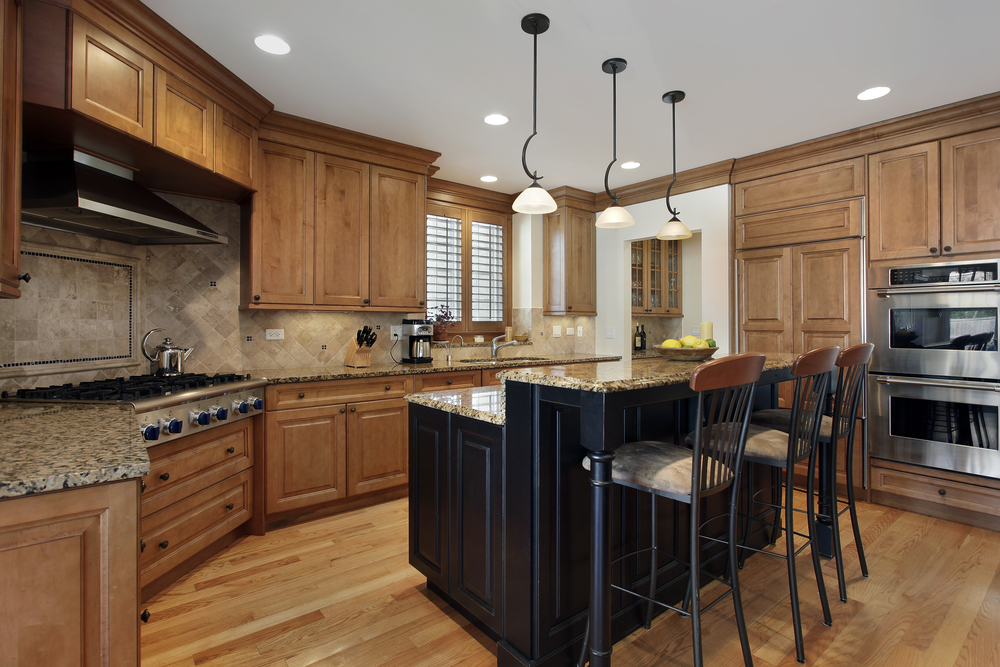
Use different hardware styles to separate cabinet zones. For example, pick bold handles for the island drawers. Use simple knobs for upper cabinets. Change hardware on pantry doors to make them stand out. Mixing styles works best when each style suits the cabinet’s function.
Tips For Consistent Looks
Keep the finish the same across all hardware pieces. Choose a shared color or metal tone. Match the size of handles and knobs closely. Keep the style theme consistent, like modern or vintage. This makes different pieces look like part of one design.
Avoiding Common Mistakes
Do not use too many different hardware styles. Avoid mixing finishes that clash, such as brass with chrome. Do not pick sizes that differ too much. Avoid styles that fight with your kitchen’s theme. These mistakes can make your kitchen look chaotic and unfinished.
Credit: www.awakitchencabinets.com
Maintenance And Longevity
Maintaining your kitchen cabinet hardware is key to keeping your kitchen looking fresh. Well-cared-for hardware lasts longer and works better. Small efforts can prevent damage and preserve the finish. Clean hardware regularly and protect it from harsh conditions. Recognize signs of wear early to avoid bigger problems.
Cleaning Tips For Hardware
Use a soft cloth to wipe hardware often. Avoid abrasive cleaners that can scratch surfaces. Warm water with mild soap works well for most finishes. Dry thoroughly to stop water spots and rust. For stubborn grime, use a toothbrush gently. Clean handles and knobs before they get greasy or sticky.
Protecting Finishes Over Time
Avoid harsh chemicals that can damage metal or paint. Use wax or polish made for your hardware type. Apply a thin layer and buff to protect the finish. Keep hardware dry to prevent rust on metal parts. Limit exposure to steam and heat from cooking. Regular care keeps hardware shiny and new-looking.
When To Replace Hardware
Replace hardware if it becomes loose or hard to use. Look for chips, cracks, or peeling finishes. Rust and corrosion are signs to change handles or knobs. New hardware can refresh your kitchen’s style easily. Choose replacement pieces that match your cabinets and decor. Timely replacement saves you from costly repairs later.
Budgeting For Hardware Upgrades
Upgrading kitchen cabinet hardware can refresh your entire kitchen look. Setting a clear budget helps control costs and avoid overspending. Planning lets you choose hardware that fits your style and wallet.
Cost Ranges For Popular Options
Basic cabinet knobs and pulls often cost between $2 and $10 each. Mid-range options, like brushed nickel or matte black, usually range from $10 to $25 each. Premium materials such as brass or custom designs can cost $30 or more per piece. Prices vary by style, finish, and brand.
Prioritizing Key Pieces
Focus on the most visible cabinets first. Handles on frequently used drawers or doors add the most impact. You can upgrade less visible hardware later to save money. Choose hardware styles that match your kitchen theme for a balanced look.
Diy Installation Tips
Installing cabinet hardware yourself saves money on labor. Use a template or measure carefully to keep holes aligned. A drill with the right bit makes the job easier and faster. Take your time to avoid mistakes and ensure a neat finish.
Frequently Asked Questions
How Do I Choose Matching Cabinet Hardware Styles?
Select hardware styles that complement your kitchen’s design theme. Match finishes and shapes with your cabinets. Consistency creates harmony and enhances overall aesthetics. Avoid mixing too many styles to keep a cohesive look.
What Finishes Work Best For Kitchen Cabinet Hardware?
Popular finishes include brushed nickel, matte black, and polished chrome. Choose finishes that coordinate with appliances and fixtures. Consider durability and ease of cleaning when selecting finishes. The right finish adds a stylish and functional touch.
Can I Mix Different Hardware Types On Cabinets?
Yes, mixing pulls and knobs adds visual interest. Use knobs on smaller doors and pulls on larger drawers. Ensure the finish and style remain consistent for balance. Thoughtful mixing elevates both form and function.
How Do I Measure For Cabinet Hardware Placement?
Measure the cabinet door or drawer front width and height. Position hardware centered or aligned for ergonomic use. Use a template or ruler for accuracy. Correct placement ensures comfort and a polished look.
Conclusion
Choosing the right hardware can change your kitchen’s look. Match styles and finishes for a smooth, balanced feel. Think about how handles and knobs work with your cabinets. Small details make a big difference in design. Take your time and pick pieces that fit your taste.
The right hardware adds both function and style. Enjoy a kitchen that feels fresh and well put together. Simple steps lead to a polished, inviting space. Your cabinets deserve hardware that complements them well.