If you’re working with Hardie Board, you know it’s a durable and popular choice for siding and exterior projects. But are you using the right fasteners to secure it properly?
Choosing the wrong fasteners can lead to costly repairs, damage, or even safety issues down the line. You’ll discover exactly which fasteners work best with Hardie Board. By the end, you’ll feel confident that your project will hold strong and look great for years to come.
Keep reading to make sure you get it right the first time.
Hardie Board Basics
Hardie Board is a popular siding material made to last long. It stands strong against weather and fire. Many builders choose it for homes and buildings. Knowing its basics helps in using the right fasteners.
Material Features
Hardie Board is made from cement, sand, and fibers. It resists water and won’t rot like wood. The surface holds paint well and stays smooth. It also stops bugs from damaging the siding. This board is heavy but tough.
Common Applications
People use Hardie Board mainly for house siding. It protects walls and gives a clean look. It fits on walls, soffits, and trim areas. Some use it on commercial buildings too. Its durability makes it good for many places.
Credit: www.homedepot.com
Types Of Fasteners
Choosing the right fasteners for Hardie Board is very important. Fasteners hold the boards firmly in place. Different types of fasteners offer different benefits. Knowing the types helps you pick the best one for your project.
Nails
Nails are a common choice for Hardie Board installation. They are quick to use and cost-effective. Galvanized or stainless steel nails resist rust and last longer. Nails with a ring or spiral shank grip better and reduce board movement.
Screws
Screws provide a strong hold and prevent loosening over time. They are easier to remove if needed. Use corrosion-resistant screws made for exterior use. Screws need pre-drilling to avoid cracking the Hardie Board.
Staples
Staples are less common but sometimes used for thin materials. They are fast to install but offer less holding power. Avoid staples for heavy or thick Hardie Boards. Choose staples made from rust-resistant materials for outdoor use.
Recommended Fasteners For Hardie Board
Choosing the right fasteners for Hardie Board is important. The wrong fasteners can cause damage or reduce the board’s lifespan. The best fasteners hold the board firmly and resist weather effects. They should also prevent rust and corrosion for long-lasting results.
Stainless Steel Nails
Stainless steel nails work well with Hardie Board. They do not rust or stain the siding. These nails provide strong holding power. They resist weather damage and last a long time. Using stainless steel nails helps keep your siding secure and looking good.
Coated Screws
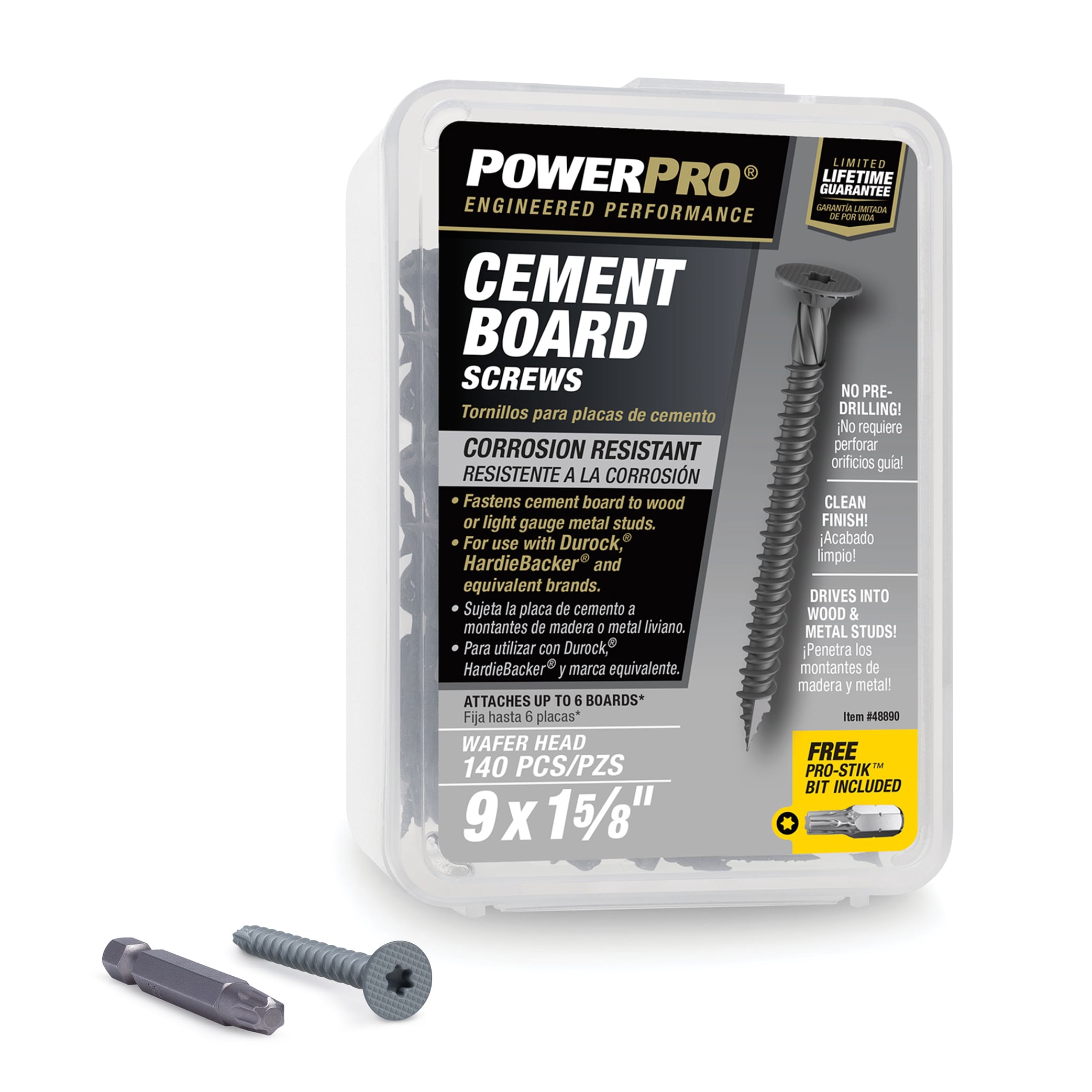
Coated screws are another good choice. The coating protects them from moisture and rust. Screws hold the board tightly in place. They allow easy removal if needed. Choose screws made for exterior use to ensure durability.
Corrosion Resistance
Corrosion resistance is key for fasteners with Hardie Board. Fasteners exposed to rain or snow must not rust. Rust weakens the fastener and damages the siding. Stainless steel and coated fasteners resist corrosion well. This keeps the siding safe and strong for years.
Credit: www.lowes.com
Fastener Size And Length
Choosing the right fastener size and length is crucial for installing Hardie Board. The fastener must hold the board firmly and prevent damage. Too short or too thin fasteners may cause loose panels. Too long or too thick fasteners can crack the board or wood underneath.
Choosing The Right Length
The fastener length should be long enough to pass through the Hardie Board and the wood framing. Generally, a 1 ¼ inch to 1 ½ inch length works well. This length ensures the fastener goes deep enough into the wood to hold tightly. Avoid using fasteners shorter than the board thickness plus the wood depth. This can lead to weak attachment and panel movement.
Diameter Considerations
Fastener diameter affects strength and damage risk. A common choice is a 8 or 9 gauge screw. These sizes provide strong holding power without splitting the board. Thicker fasteners may crack the Hardie Board surface. Thin fasteners may bend or strip easily. Using corrosion-resistant screws made for fiber cement is important for durability.
Installation Tips
Installing Hardie Board requires the right tools and methods for a strong, lasting finish. Choosing the correct fasteners is only part of the job. Proper installation ensures the siding stays secure and looks great for years.
Proper Fastening Techniques
Use corrosion-resistant nails or screws made for fiber cement. Fasteners should be long enough to reach the framing behind the board. Drive them straight, not at an angle, to hold the board firmly.
Space fasteners about 8 inches apart for walls and 6 inches for soffits. Leave a small gap between the fastener head and the board surface. Avoid overdriving, which can damage the siding.
Check local building codes for any special fastening rules. Follow manufacturer instructions closely for best results.
Avoiding Common Mistakes
Do not use drywall screws or ordinary nails. They can rust or fail over time. Avoid placing fasteners too close to board edges to prevent cracking.
Do not force fasteners into the board. This causes splits and reduces strength. Always pre-drill holes in cold weather to avoid damage.
Keep boards dry before installation. Wet boards can shrink and pull fasteners loose later. Careful handling and proper fastening keep your siding strong.
Fastener Spacing Guidelines
Fastener spacing is key to securing Hardie Board properly. Correct spacing stops panels from warping or bending over time. It also helps resist strong winds and other weather conditions. Follow these guidelines for best results.
Horizontal Spacing
Place fasteners about 16 inches apart along horizontal edges. This distance keeps the board tight against the frame. Avoid spacing fasteners too far apart to prevent gaps and looseness. For longer panels, stay close to these measurements.
Vertical Spacing
Fasteners should be spaced roughly 8 inches apart vertically. This distance supports the panel evenly and reduces stress on the board. Keep fasteners near vertical joints for added strength. Proper vertical spacing helps maintain the board’s flat surface.
Tools For Installing Fasteners
Installing fasteners on Hardie Board requires the right tools. Good tools make the job easier and faster. They also help place fasteners correctly. This section covers two common tools used for this task.
Nail Guns
Nail guns speed up the fastening process on Hardie Board. They deliver nails with power and precision. Using a nail gun reduces hand fatigue. Choose a nail gun that fits the nail size recommended for Hardie Board. Pneumatic nail guns are popular for their strong and consistent drive. Always check the nail length to avoid damaging the board.
Drills And Drivers
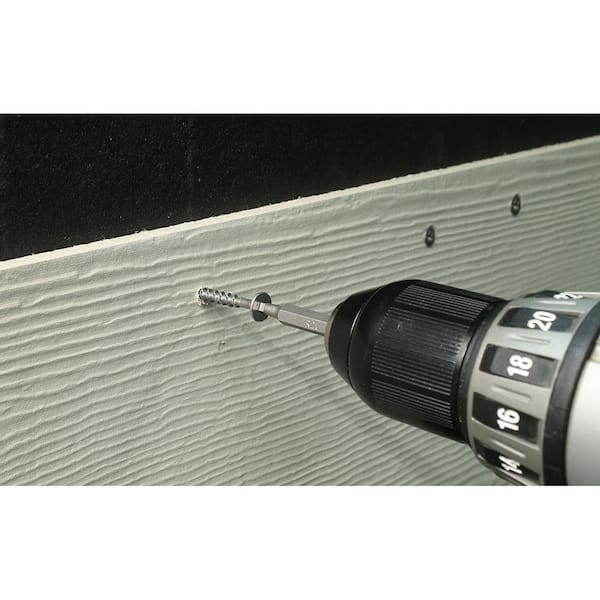
Drills and drivers are essential for screws on Hardie Board. They allow control over screw depth and tightness. Cordless drills offer portability and convenience. Use a driver bit that matches the screw head to prevent slipping. Slow and steady drilling helps avoid cracks in the board. These tools also work well for pre-drilling pilot holes, improving screw grip.
Maintenance And Longevity
Maintaining fasteners on Hardie Board is key to its long life. Proper care stops damage and keeps siding strong. Check fasteners regularly to avoid costly repairs later. Simple steps extend the durability of your Hardie Board installation.
Checking Fastener Integrity
Inspect fasteners for rust, looseness, or damage. Tighten screws that feel loose without stripping them. Look for corrosion, which weakens fastener grip. Use a magnet to find hidden metal fasteners. Replace any fasteners that no longer hold tight.
Replacing Damaged Fasteners
Choose corrosion-resistant fasteners like stainless steel or coated nails. Remove damaged fasteners carefully to avoid harming the siding. Use the same size and type as original fasteners. Drive new fasteners straight to prevent cracks. Proper replacement keeps the Hardie Board secure and lasting longer.
Cost And Availability
Choosing the right fasteners for Hardie Board depends on cost and availability. These two factors affect your project budget and timeline. Knowing prices and where to buy helps you plan better.
Price Comparison
Fasteners for Hardie Board come in different types and prices. Stainless steel screws cost more than galvanized ones. Galvanized fasteners are cheaper but may rust over time. Expect to pay around $10 to $20 for a box of 100 screws. The price varies by size and coating. Buying in bulk often lowers the price per piece. Balance cost with durability for the best value.
Where To Buy
Home improvement stores stock fasteners for Hardie Board. Large chains like Home Depot and Lowe’s have a wide selection. Local hardware stores also carry these fasteners. Online shops offer more variety and sometimes better prices. Check product details carefully to match Hardie Board requirements. Availability can change with location and season. Plan your purchase early to avoid delays.

Credit: forum.nachi.org
Frequently Asked Questions
What Type Of Fasteners Work Best With Hardie Board?
Stainless steel or hot-dipped galvanized nails are best for Hardie Board. They resist rust and corrosion, ensuring durability. Use 1¼-inch to 1½-inch length for proper fastening. Avoid common steel nails as they can cause staining and damage.
Can You Use Screws To Install Hardie Board?
Yes, corrosion-resistant screws like stainless steel or coated exterior screws are suitable. Screws provide strong holding power and reduce the risk of board cracking. Use screws at least 1¼ inches long for secure attachment.
How Far Apart Should Fasteners Be On Hardie Board?
Fasteners should be spaced 7 inches apart on edges and 12 inches apart in the field. Proper spacing prevents board warping and ensures stability. Always follow manufacturer guidelines for best results.
Should Fasteners Penetrate The Framing Behind Hardie Board?
Yes, fasteners must penetrate framing members by at least 1 inch. This ensures a secure hold and prevents boards from loosening. Use a drill or nail gun for accurate placement.
Conclusion
Choosing the right fasteners makes Hardie Board last longer and stay strong. Use corrosion-resistant nails or screws designed for fiber cement. Avoid cheap or wrong fasteners that can cause damage or rust. Proper fastening keeps your siding safe from wind and weather.
Always follow manufacturer guidelines for best results. Small details matter a lot in siding projects. Good fasteners mean less repair and better protection. Simple steps lead to a sturdy, beautiful home exterior.