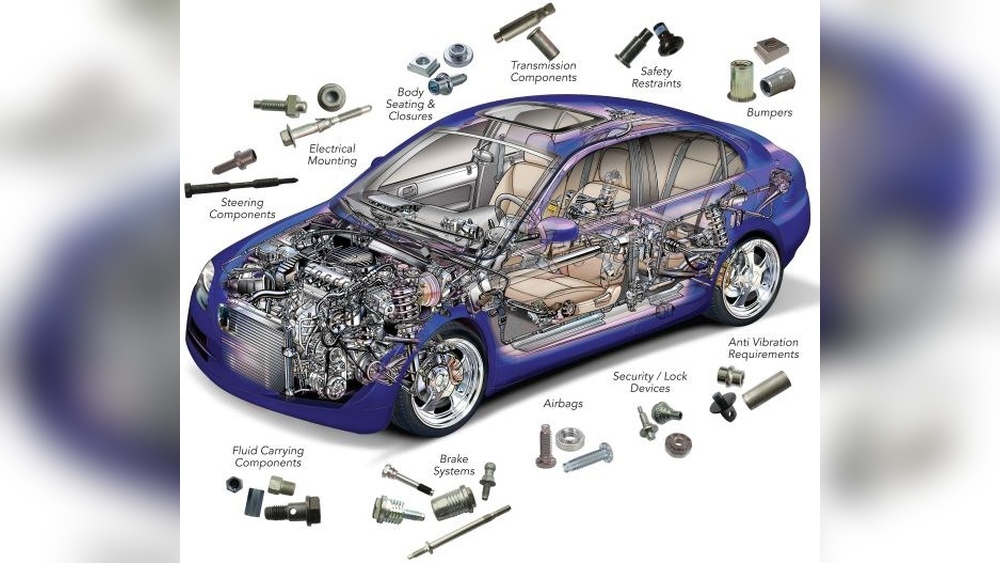
Have you ever wondered what holds your car’s parts tightly together, keeping everything running smoothly and safely? The answer lies in automotive fasteners.
These small but mighty components play a crucial role in your vehicle’s performance and durability. Understanding what automotive fasteners are and how they work can give you a new appreciation for your car’s design—and help you make smarter decisions when it comes to repairs or upgrades.
Keep reading to discover the essential role these fasteners play and why they matter to you.
Types Of Automotive Fasteners
Automotive fasteners play a key role in vehicle assembly and maintenance. They hold parts together and ensure safety on the road. Different types of fasteners serve different purposes. Each type has unique features and uses in the automotive world.
Bolts And Screws
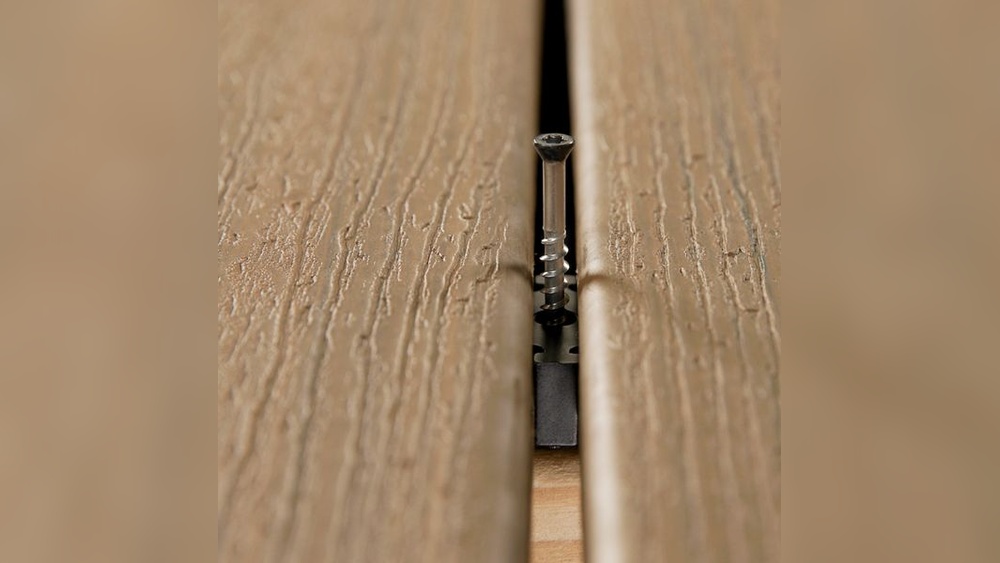
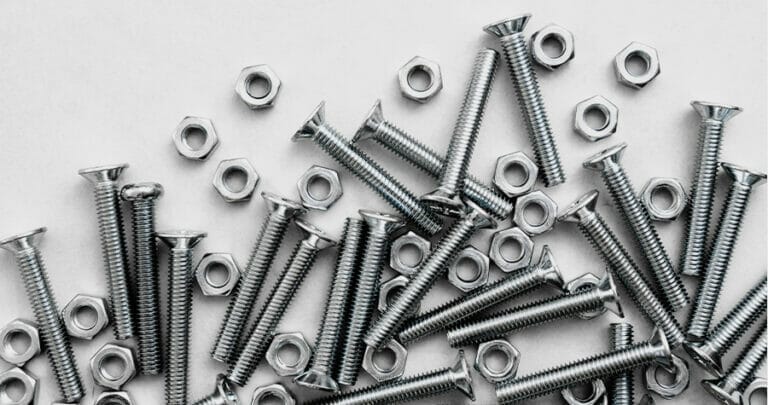
Bolts and screws join parts by threading into materials. Bolts often work with nuts to secure heavy components. Screws can fasten parts directly into surfaces. Both come in many sizes and materials to fit various needs.
Nuts And Washers
Nuts pair with bolts to lock parts firmly. Washers sit under nuts or bolt heads. They spread pressure evenly and prevent damage. Washers also stop nuts from loosening due to vibration.
Clips And Rivets
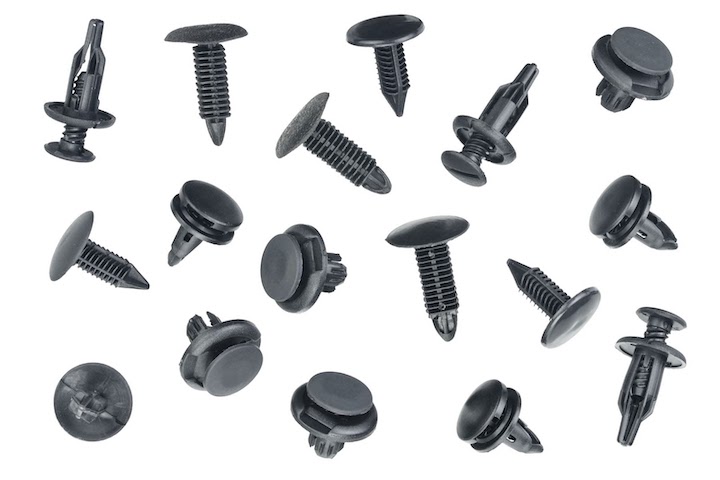
Clips hold panels and trim pieces without screws or bolts. They allow easy removal and replacement. Rivets create permanent joints by deforming their ends. They are strong and resist loosening over time.
Specialty Fasteners
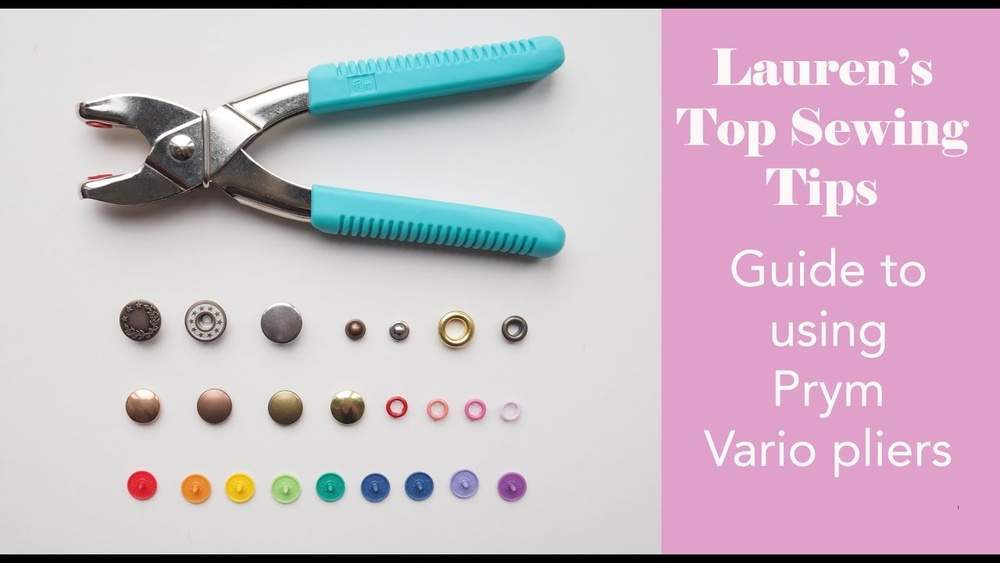
Specialty fasteners include unique designs for specific tasks. Examples include speed nuts, push pins, and thread-locking fasteners. They offer extra grip, quick installation, or vibration resistance. These fasteners improve vehicle durability and performance.
Materials Used In Fasteners
Automotive fasteners hold parts of a vehicle tightly together. The materials used in these fasteners affect their strength and durability. Different materials fit different needs in a car’s design and function. Choosing the right material helps keep vehicles safe and reliable.
Steel Variants
Steel is the most common material for automotive fasteners. It is strong and can handle high pressure. Carbon steel offers good strength for many uses. Stainless steel resists rust and works well in wet areas. Alloy steel provides extra toughness for critical parts.
Aluminum And Alloys
Aluminum fasteners are light and resist corrosion. They help reduce the car’s weight, improving fuel efficiency. Aluminum alloys add strength while keeping the weight low. These fasteners are common in engine parts and body panels.
Plastic Fasteners
Plastic fasteners are light and resist corrosion. They are used in interior parts and non-structural areas. Plastic is easy to shape and cost-effective. These fasteners help reduce overall vehicle weight.
Corrosion Resistance Coatings
Coatings protect metal fasteners from rust and wear. Zinc plating is common and affordable. It prevents corrosion in many environments. Other coatings include chrome and phosphate. These layers extend fastener life and improve performance.
Fastener Functions In Vehicles
Automotive fasteners hold many important roles in vehicles. They keep parts together and ensure safety during travel. Each fastener has a special job that helps the vehicle work well and last longer.
Structural Support
Fasteners connect different parts of a vehicle’s frame and body. They keep panels, engines, and other components in place. Strong fasteners prevent parts from moving or breaking apart.
Vibration Resistance
Cars create vibrations while moving. Fasteners absorb these vibrations to stop loosening. This keeps the vehicle stable and reduces noise inside the cabin.
Sealing And Protection
Some fasteners help seal areas against water and dust. They protect important parts from damage and rust. This keeps the vehicle running smoothly for longer.
Ease Of Maintenance
Fasteners allow easy removal and reattachment of parts. This makes repairs and maintenance faster and simpler. Good fasteners save time and reduce costs for vehicle owners.
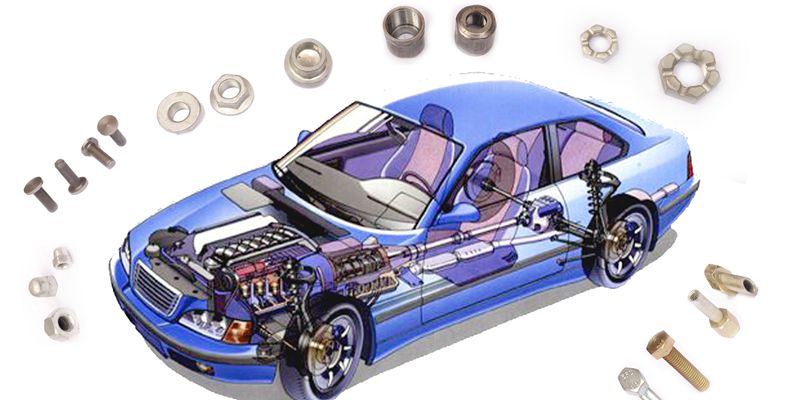
Credit: autoprotoway.com
Selection Criteria For Fasteners
Selecting the right automotive fasteners is important for vehicle safety and performance. Fasteners must hold parts securely under various conditions. Choosing the wrong fastener can cause damage or failure.
Several factors guide the selection process. These include the forces on the fastener, the environment it faces, material compatibility, and cost. Understanding these points helps pick the best fastener for each use.
Load And Stress Factors
Fasteners must handle the weight and forces in the vehicle. Some parts face heavy loads or constant vibration. The fastener needs enough strength to resist breaking or loosening. Engineers check the stress levels to select a strong fastener.
Environmental Conditions
Fasteners face heat, cold, moisture, and chemicals inside vehicles. Some parts are exposed to rain or road salt. Fasteners must resist rust and corrosion in these conditions. Choosing materials that withstand the environment extends fastener life.
Compatibility With Materials
Fasteners join different vehicle parts, such as metal to plastic or metal to metal. They must match or work well with these materials. Wrong choices cause damage or poor fitting. Matching materials prevents corrosion and ensures a tight hold.
Cost And Availability
Fasteners come in many types and prices. It is important to balance cost with quality and strength. Using common fasteners saves money and eases replacement. Availability affects repair time and overall vehicle maintenance.
Installation Techniques
Installation techniques for automotive fasteners are crucial for vehicle safety and performance. Correct methods ensure parts stay secure and work well. Poor installation can cause damage or accidents.
Understanding how to install fasteners properly helps mechanics and DIYers. This section covers key techniques that improve fastener reliability and lifespan.
Torque Specifications
Torque is the force used to tighten a fastener. Each fastener has a specific torque value set by manufacturers. Too little torque causes loose parts. Too much torque can strip threads or break fasteners.
Use a torque wrench to apply the exact force. Follow vehicle manuals for correct specifications. Consistent torque ensures safety and proper part function.
Thread Locking Methods
Thread locking prevents fasteners from loosening due to vibration. Common methods include thread-locking fluids or mechanical devices like lock washers. Thread-locking fluids harden to keep fasteners tight.
Choose the right method based on fastener type and location. Proper thread locking increases durability and reduces maintenance needs.
Proper Tools
Using the correct tools makes installation easier and safer. Torque wrenches, ratchets, and screwdrivers designed for automotive fasteners work best. Avoid worn or damaged tools to prevent fastener damage.
Proper tools help apply correct torque and avoid slipping. This protects both the fastener and surrounding parts.
Common Installation Mistakes
Skipping torque checks is a frequent error. Over-tightening or under-tightening fasteners leads to failures. Using the wrong tool size can strip fastener heads or threads.
Not cleaning threads before installation causes poor tightening. Ignoring manufacturer instructions risks unsafe assembly. Avoid these mistakes for reliable fastener performance.
Maintaining Fastener Durability
Maintaining the durability of automotive fasteners is crucial for vehicle safety and performance. These small components hold many parts together. If fasteners fail, it can cause serious damage or accidents. Regular care helps fasteners last longer and work better.
Regular Inspections
Check fasteners often for any signs of wear or damage. Look for loose bolts, cracks, or bends. Tighten any loose fasteners carefully. Early detection stops problems before they grow. Use the right tools to avoid stripping or breaking fasteners.
Corrosion Prevention
Rust weakens fasteners quickly. Keep fasteners clean and dry to prevent rust. Apply anti-corrosion sprays or coatings as needed. Avoid exposure to salt and moisture. Store spare fasteners in a dry place to keep them rust-free.
Fastener Replacement Indicators
Replace fasteners if they show rust, cracks, or stripped threads. Fasteners that no longer tighten properly need replacement. Bent or deformed fasteners lose strength and must be swapped out. Using damaged fasteners risks vehicle safety and reliability.
Best Practices For Longevity
Use the correct fastener for each job. Follow manufacturer torque specifications to avoid over-tightening. Clean fastener threads before installation. Apply thread locker if needed for added security. Store fasteners properly to keep them in good condition.
Innovations In Automotive Fasteners
Innovations in automotive fasteners have improved vehicle safety and performance. New designs focus on strength, weight, and environmental impact. These advances help cars run better and last longer. Manufacturers use cutting-edge technology to meet today’s demands.
Lightweight Designs
Lightweight fasteners reduce the overall weight of vehicles. These fasteners use strong but lighter materials like aluminum and titanium. Lighter cars consume less fuel and produce fewer emissions. This innovation supports the growing need for energy-efficient vehicles.
Smart Fasteners
Smart fasteners include sensors to monitor tightness and stress. They send real-time data to the vehicle’s control system. This helps detect loosening or damage early. Smart fasteners improve safety and reduce maintenance costs.
Eco-friendly Materials
Eco-friendly fasteners use recyclable or biodegradable materials. These reduce waste and environmental harm. Manufacturers focus on sustainable production methods. This shift supports the automotive industry’s green goals.
Advanced Coatings
Advanced coatings protect fasteners from rust and wear. These coatings extend the life of fasteners in harsh conditions. Some coatings also reduce friction for easier installation. Coatings improve durability and reduce repair needs.
Credit: sendcutsend.com
Credit: www.fictiv.com
Frequently Asked Questions
What Are Automotive Fasteners Used For?
Automotive fasteners secure parts in vehicles, ensuring stability and safety. They join components like panels, engines, and interiors efficiently.
Which Materials Are Common In Automotive Fasteners?
Steel, stainless steel, aluminum, and plastic are common materials. Each offers strength, corrosion resistance, or lightweight benefits for vehicle durability.
How Do Automotive Fasteners Impact Vehicle Safety?
Proper fasteners maintain structural integrity and prevent part loosening. They reduce risks of accidents caused by component failures during driving.
What Types Of Automotive Fasteners Exist?
Common types include bolts, nuts, screws, clips, and rivets. Each type serves specific assembly purposes in various vehicle sections.
Conclusion
Automotive fasteners hold vehicle parts tightly together. They keep cars safe and strong on the road. Different types serve different jobs in a car’s build. Choosing the right fastener helps avoid damage and wear. Understanding these small parts aids in better car care.
They may seem simple but play a big role. Remember, good fasteners mean a reliable vehicle every time.