Are you struggling to figure out where to place cabinet hardware for the best look and function? You’re not alone.
The right placement can make your cabinets easier to use and instantly upgrade your space’s style. But get it wrong, and it can feel awkward or even damage your cabinets. You’ll discover simple, expert tips to find the perfect spot for your cabinet knobs and pulls.
By the end, you’ll know exactly where to place your hardware so your cabinets look great and work smoothly every day. Keep reading—you’re just a few steps away from transforming your cabinets!
Credit: taylorcraftdoor.com
Choosing Hardware Styles
Choosing the right hardware style for your cabinets helps define your kitchen or bathroom look. Hardware is more than just functional. It adds personality and style. Consider your room’s design and your daily use. Hardware choices affect both appearance and comfort.
Knobs Vs Pulls
Knobs are small and round. They work well for smaller drawers and cabinets. Knobs are easy to install and clean. Pulls are longer and offer a better grip. They suit larger doors and drawers. Pulls can be straight or curved. Choose knobs for simplicity. Pick pulls for ease of use.
Material And Finish Options
Hardware comes in many materials like metal, plastic, and wood. Metal is durable and popular. Common metals include brass, chrome, and nickel. Each metal type has a different look and feel. Finishes vary from shiny to matte. Some finishes resist fingerprints and scratches. Choose a finish that matches your decor. Think about the room’s moisture and use.
Placement Basics
Placing cabinet hardware correctly helps your kitchen or bathroom look neat and function well. Proper placement makes cabinets easier to open and adds a balanced look. Small changes in position can make a big difference in comfort and style.
Knowing the basics of where to place handles and knobs is the first step. This guide explains the standard heights and common distances from edges for hardware placement.
Standard Heights For Handles
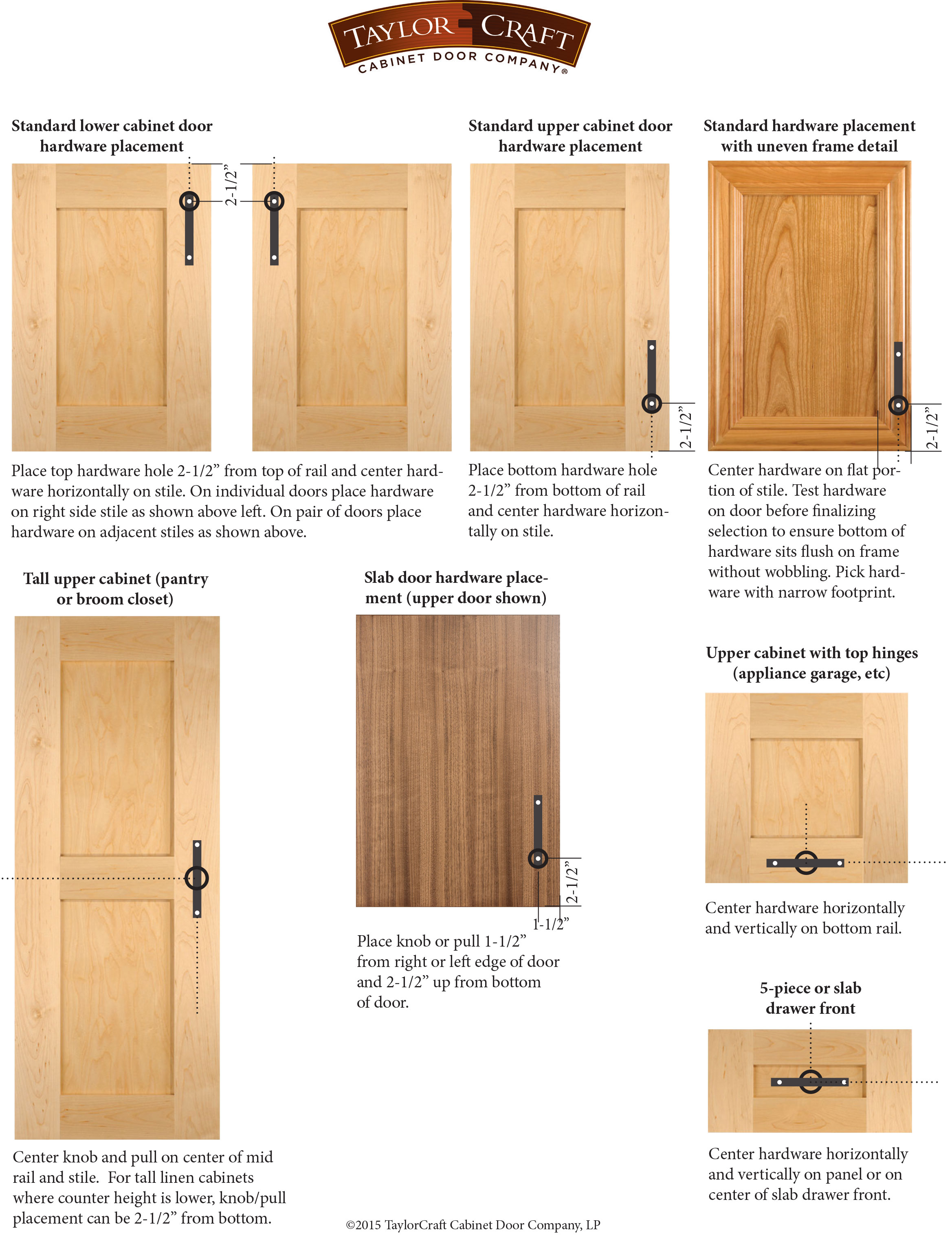
Handles on drawers usually sit about 2 to 3 inches from the bottom edge. This height makes it easy to pull drawers open. For cabinet doors, the handle is best placed 2 to 3 inches from the top edge. This spot allows a natural grip when standing.
For taller cabinets, like pantry doors, handles can be placed at a height that matches the user’s comfort. A common range is 36 to 42 inches from the floor. This height helps avoid stretching or bending.
Common Distances From Edges
Hardware should not be too close or too far from the edges. For knobs, placing them about 2 inches from the edge works well. This distance gives enough space for fingers to grip without looking crowded.
For handles, the distance from the edge depends on the length of the handle. A general rule is to center the handle 2 to 4 inches from the edge. This creates balance and ease of use.
On double doors, place handles evenly to keep symmetry. Correct spacing helps the hardware look intentional and neat.
Placement For Different Cabinet Types
Cabinet hardware placement varies by cabinet type. Correct placement helps with ease and style. Each cabinet type needs a different approach to hardware position. This guide covers base cabinets, wall cabinets, and tall cabinets or pantries.
Base Cabinets
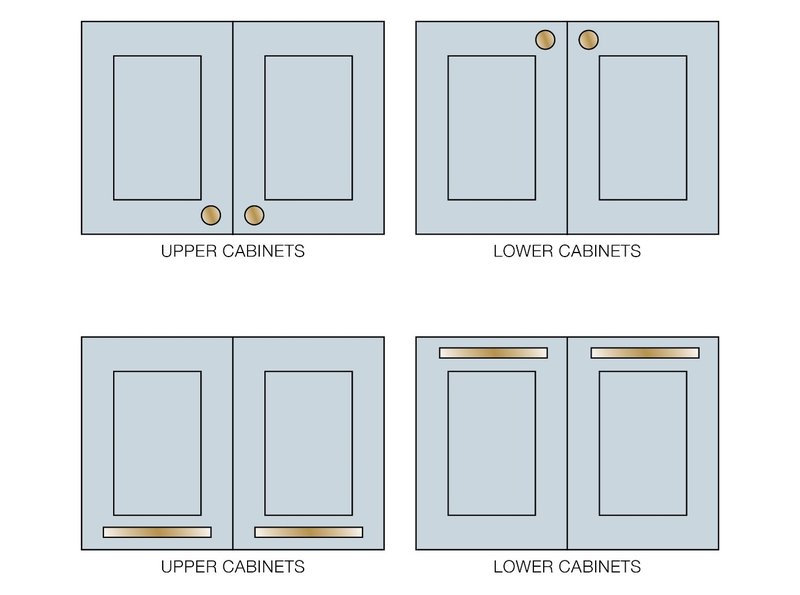
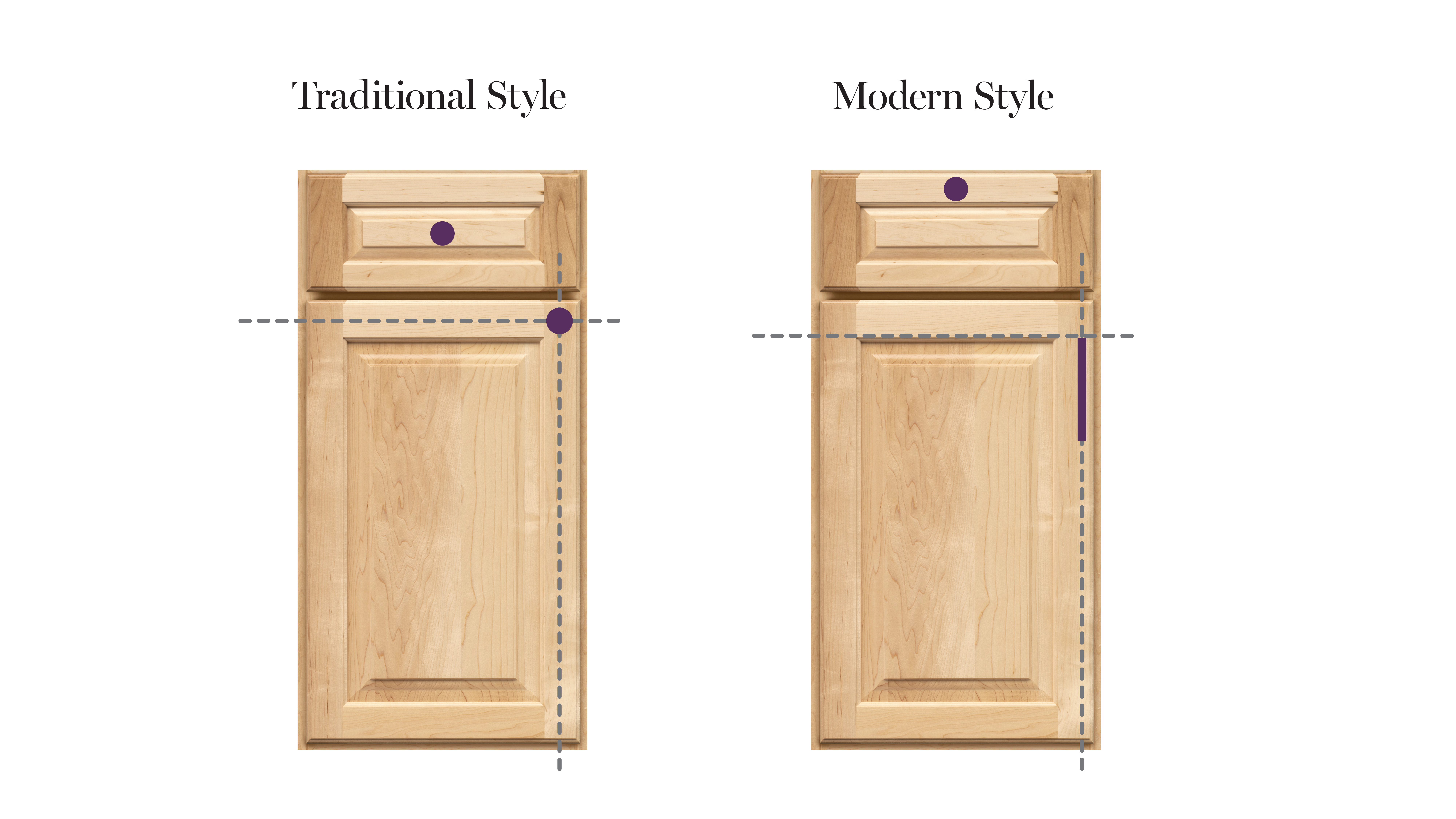
Place hardware near the top edge of the door or drawer front. For drawers, center the handle horizontally and vertically. For doors, position handles about 2 to 3 inches from the corner. This allows easy reach while standing. It also keeps hardware visible but not in the way.
Wall Cabinets
Hardware should be placed near the bottom edge of the door. Position handles about 2 to 3 inches from the corner. This location helps reach handles without stretching too much. For wider doors, consider placing two handles for balance. Keep hardware aligned with base cabinets for a neat look.
Tall Cabinets And Pantries
Place handles vertically along the door edge. Position them about 36 to 48 inches from the floor for comfort. For double doors, place handles on the outer edges. This keeps the middle area clear for opening. Hardware should be easy to reach for all family members.
Symmetry And Alignment
Symmetry and alignment are key to making cabinet hardware look neat and balanced. Proper placement helps the whole kitchen or room feel organized and pleasing. Misaligned hardware can make cabinets look messy and awkward.
Focus on matching hardware positions across doors and drawers. This creates a smooth, uniform look. Keep hardware at the same height and distance for a polished finish.
Aligning Hardware On Double Doors
Double doors need special attention for hardware placement. Place handles or knobs at the same height on each door. This keeps the look balanced and tidy.
Center hardware on the door edge where you open it. Avoid placing knobs too close to the gap between doors. Symmetrical placement prevents a cluttered feel.
Consistent Spacing Across Cabinets
Spacing matters for a clean appearance. Measure the distance between hardware on drawers and doors. Keep spacing equal for all pieces.
Use a ruler or template to mark spots before installing. Consistency in spacing helps cabinets look well-planned and stylish.
Special Considerations
Choosing where to place cabinet hardware requires special attention. Some factors affect both style and function. Consider safety and ease of use. Also, think about how hardware fits with your cabinet’s look.
Child Safety And Accessibility
Hardware placement can impact child safety. Keep handles away from small children’s reach. This helps prevent accidents and injuries. Use hardware that is easy for adults to grip. Avoid sharp or protruding designs that can hurt little ones.
Accessibility matters for all family members. Place hardware where everyone can reach comfortably. This includes elderly people or those with limited movement. Choose locations that reduce bending or stretching. This makes daily use simple and safe.
Blending Hardware With Cabinet Design
Hardware should match the style of your cabinets. Choose finishes that complement the cabinet color and texture. Consider the size of the hardware in relation to the cabinet doors. Small cabinets look better with smaller handles. Large cabinets need bigger, sturdy hardware for balance.
Think about the overall room design. Hardware can enhance a modern or classic look. Select shapes and styles that fit the theme. Proper placement highlights both the hardware and the cabinet design.
Credit: www.emtek.com
Tools And Techniques
Placing cabinet hardware requires the right tools and techniques to ensure a neat and professional look. Using precise methods helps avoid mistakes and saves time. This section covers essential steps to measure and mark hardware positions. It also explains how templates and jigs make the process easier and more accurate.
Measuring And Marking Accurately
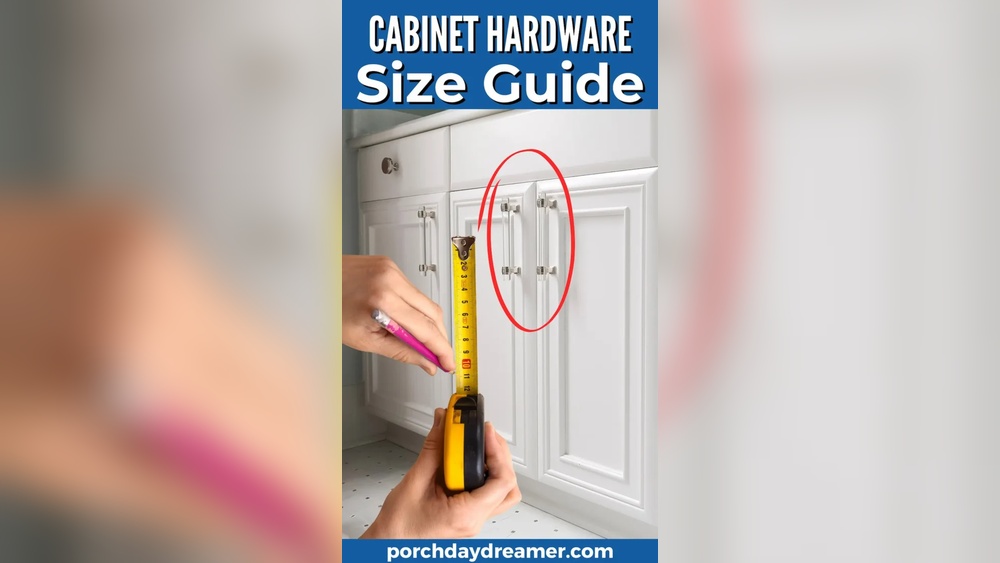
Start by measuring the exact spot for your cabinet handles or knobs. Use a tape measure or ruler to find the center or preferred position. Mark the spot lightly with a pencil. Double-check measurements on each cabinet to keep hardware consistent. Small errors can cause uneven placement. Take your time and measure twice before drilling any holes.
Using Templates And Jigs
Templates and jigs simplify hardware placement by guiding where to drill. You can buy ready-made templates or create your own from cardboard or wood. Place the template on the cabinet door or drawer and mark the holes through it. A jig holds the drill steady and ensures holes are drilled at the same angle. These tools speed up the process and improve accuracy, especially on multiple cabinets.
Credit: www.kraftmaid.com
Frequently Asked Questions
Where Is The Best Spot To Place Cabinet Hardware?
The best spot is usually the top corner of drawers and the bottom corner of cabinet doors. This placement is ergonomic, making it easy to grasp and open. It also creates a balanced, clean look that complements most kitchen and bathroom designs.
How Far From The Edge Should Cabinet Hardware Be Placed?
Cabinet hardware should be placed about 2 to 3 inches from the edge. This distance provides comfortable access while maintaining a neat, proportional look. It also prevents hardware from interfering with door or drawer function and keeps the design visually balanced.
Should Cabinet Hardware Placement Differ Between Drawers And Doors?
Yes, hardware placement varies: knobs go on doors’ top corners and drawers’ upper corners. Pull handles are centered vertically on doors but placed horizontally on drawers. This ensures ease of use and a consistent aesthetic across your cabinetry.
Can Cabinet Hardware Placement Affect Cabinet Functionality?
Absolutely. Proper placement improves ease of opening and closing cabinets. Incorrect placement can cause awkward grip or damage to cabinet surfaces. Good hardware positioning enhances both the look and usability of your cabinets.
Conclusion
Choosing the right spot for cabinet hardware makes a big difference. It helps your kitchen or bathroom look neat and feel easy to use. Think about the size and style of your cabinets. Place handles or knobs where your hand naturally goes.
This small step can improve how you work in the space every day. Try different spots before deciding. The right placement brings both comfort and style to your home. Simple changes can make your cabinets look fresh and inviting.