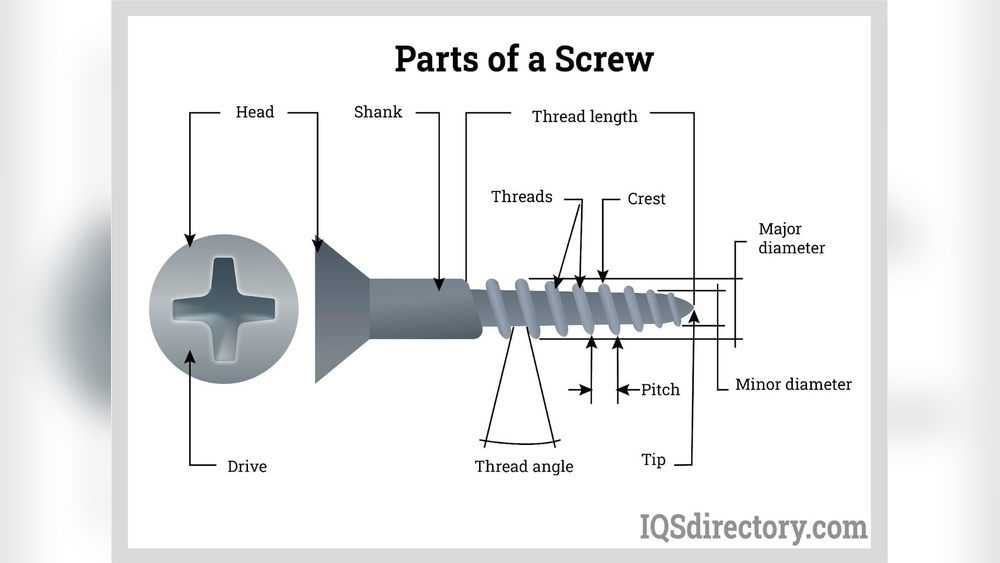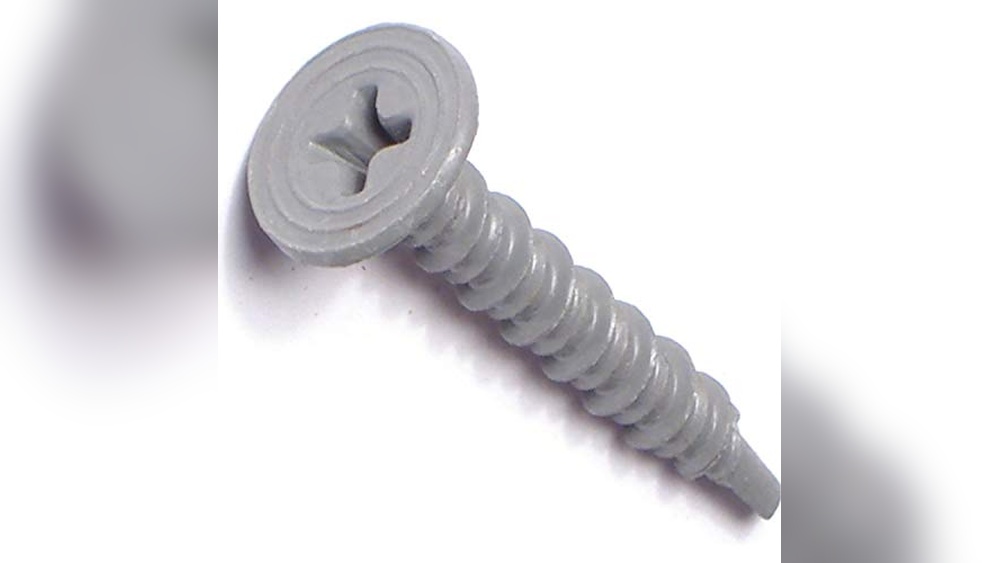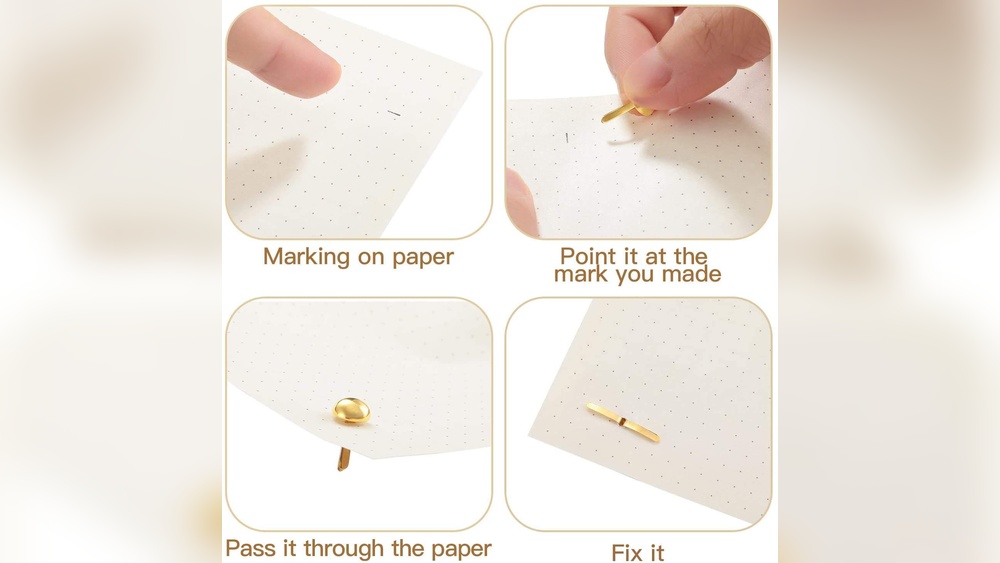
If you’ve ever struggled with choosing the right fastener for your project, round head fasteners might be the solution you need. These simple yet strong tools can make your work easier and more secure.
But how do you use them correctly to get the best results? You’ll discover easy steps and expert tips that anyone can follow. By the end, you’ll feel confident handling round head fasteners like a pro, saving time and avoiding common mistakes.
Ready to upgrade your skills and make your projects last? Let’s dive in.
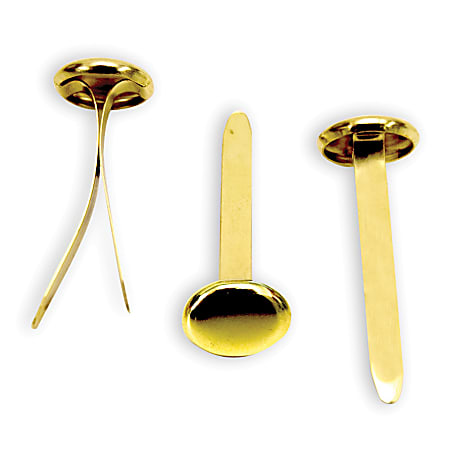
Credit: www.odpbusiness.com
Types Of Round Head Fasteners
Round head fasteners come in many types. Each type fits specific needs. Choosing the right type helps your project last longer. It also makes assembly easier. Below are key types of round head fasteners to know.
Common Materials
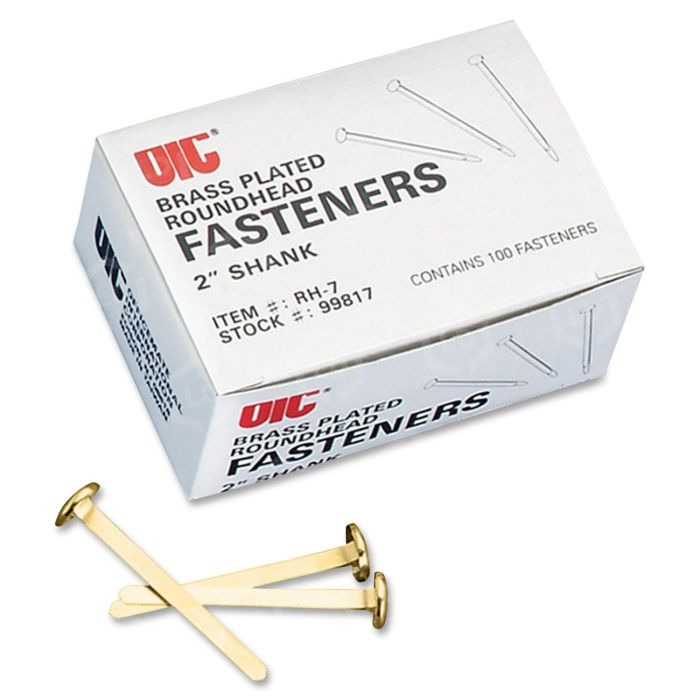
Round head fasteners often use steel for strength. Stainless steel resists rust and works well outdoors. Brass offers a bright look and resists corrosion. Aluminum is light and good for less heavy work. Plastic round heads appear in light, non-structural uses.
Size Variations
These fasteners come in many sizes. Lengths range from short to very long. Diameter varies from thin to thick. Choose size based on your material thickness and strength needs. Correct size ensures a tight, secure fit.
Specialty Fasteners
Some round head fasteners have unique features. Tamper-resistant heads prevent unauthorized removal. Some have built-in washers to spread pressure. Others have different drive types, like Phillips or slotted, for special tools. Specialty fasteners fit unique jobs and improve security.
Credit: www.ldproducts.com
Choosing The Right Fastener
Choosing the right round head fastener is key for a strong and lasting hold. Picking the wrong fastener can cause damage or fail under pressure. This section helps you select the best fastener for your task. Focus on matching materials, load needs, and corrosion resistance.
Matching Material And Application
Use fasteners made of materials that fit your project parts. Metal fasteners work best with metal surfaces. Wood needs fasteners that won’t split or crack the material. Choose the right size and type for your specific use. This ensures a secure fit and avoids damage.
Load And Strength Considerations
Think about how much weight or force the fastener must hold. Use stronger fasteners for heavy loads. Light tasks need smaller, less strong fasteners. Check the fastener’s strength rating to match your needs. This helps keep the connection safe and stable.
Corrosion Resistance
Select fasteners that resist rust and corrosion. Outdoor projects need fasteners with coatings or made from stainless steel. Indoor uses may not need high corrosion resistance. Proper choice extends the fastener’s life and keeps your work sturdy.
Tools Needed For Installation
Installing round head fasteners requires the right tools. Using proper tools makes the work easier and faster. It also helps avoid damage to the fasteners or the material.
This section explains the main tools needed for installation. These tools help ensure a secure and clean fit.
Screwdrivers And Drivers
Screwdrivers are essential for turning round head fasteners. Choose the right size and type for your fastener’s slot. Common types include flathead and Phillips screwdrivers. Drivers can be manual or powered. They provide better control and reduce hand fatigue.
Power Tools
Power tools speed up the installation process. Cordless drills and electric drivers are common choices. Use adjustable torque settings to avoid over-tightening. Power tools save time on large projects. Always wear safety gear when using power tools.
Measuring And Marking Tools
Measuring tools help place fasteners accurately. A tape measure or ruler works well for this task. Marking tools like pencils or markers show exact points. Accurate marks ensure fasteners align properly. This improves the overall strength and look of your work.

Credit: www.officesupply.com
Step-by-step Installation Guide
Installing round head fasteners is a straightforward process. Following a clear guide helps ensure a secure fit. This step-by-step guide breaks down each part of installation. It keeps the task simple and effective.
Preparing The Surface
Clean the surface where the fastener will go. Remove dirt, dust, and grease. Use a cloth or brush for cleaning. Ensure the area is dry before starting. A clean surface helps the fastener hold better.
Positioning The Fastener
Place the round head fastener in the right spot. Align it with holes or marks. Double-check the position before moving on. Proper placement prevents misalignment and damage.
Securing The Fastener
Use a screwdriver or drill to tighten the fastener. Turn slowly to avoid stripping the head. Stop when the fastener feels snug. Do not over-tighten as it may cause damage.
Checking For Tightness
Test the fastener by gently trying to move it. It should feel firm and not wiggle. If loose, tighten slightly more. Correct tightness ensures the fastener stays in place.
Common Mistakes To Avoid
Using round head fasteners correctly ensures strong and lasting connections. Avoiding common mistakes helps keep projects safe and efficient. Many errors come from simple oversights. Learn these pitfalls to work better and faster.
Over-tightening Risks
Applying too much force can damage the fastener or material. Over-tightening may strip threads or break the fastener. It can also deform the surface under the fastener head. This weakens the hold and may cause failure over time. Use a torque tool or follow manufacturer guidelines to avoid this.
Incorrect Fastener Selection
Choosing the wrong type or size leads to poor performance. Fasteners must match the materials and load requirements. Using a smaller size may cause loosening or breakage. A larger size might not fit properly, damaging parts. Pick fasteners designed for your specific task to ensure safety and durability.
Ignoring Surface Preparation
Skipping surface cleaning reduces fastener grip. Dirt, oil, or rust weakens the bond and causes slipping. Prepare surfaces by cleaning and drying before installation. Smooth surfaces help fasteners sit flush and hold better. Taking these steps improves connection strength and longevity.
Maintenance And Inspection Tips
Proper maintenance and inspection keep round head fasteners working well. Small checks help avoid big problems later. Regular care makes fasteners last longer and stay safe.
Regular Tightness Checks
Check fasteners for tightness often. Loose fasteners can cause parts to move or fall off. Use a screwdriver or wrench to tighten them. Do not over-tighten as this can damage threads.
Cleaning Fasteners
Clean fasteners to stop rust and dirt build-up. Use a soft brush and mild soap with water. Dry fasteners well after cleaning. Avoid harsh chemicals that may weaken metal.
Replacing Damaged Parts
Look for cracks, rust, or stripped heads on fasteners. Replace any damaged fasteners immediately. Using broken fasteners can cause failure or accidents. Keep spare fasteners on hand for quick fixes.
Applications Of Round Head Fasteners
Round head fasteners are versatile tools used in many fields. Their design offers a smooth, rounded top that sits above the surface. This shape makes them ideal for various applications. The rounded head also reduces the risk of snagging or injury. Below are some common uses of round head fasteners across different projects.
Woodworking Projects
Round head fasteners work well in woodworking. They provide a strong hold without damaging the wood surface. The rounded top adds a neat finish to furniture or cabinets. These fasteners prevent splitting in delicate wood pieces. They also allow easy removal for repairs or adjustments.
Metal Fabrication
In metal fabrication, round head fasteners join metal sheets and parts. Their shape spreads the load evenly, reducing stress on thin metals. These fasteners are easy to tighten and loosen. They create secure bonds without sharp edges that could cause injury.
Electronics Assembly
Electronics use round head fasteners to secure small parts safely. Their smooth tops prevent scratching or damaging delicate components. These fasteners fit well in tight spaces and allow for quick assembly. They also help in maintaining the device’s sleek appearance.
Frequently Asked Questions
What Are Round Head Fasteners Used For?
Round head fasteners securely join materials like wood, metal, and plastic. Their rounded top offers a smooth finish and prevents snagging.
How Do I Choose The Right Round Head Fastener?
Select size, material, and thread type based on your project needs. Consider load requirements, environment, and compatibility for optimal performance.
Can Round Head Fasteners Be Used Outdoors?
Yes, especially stainless steel or coated fasteners resist rust and weather damage, making them ideal for outdoor applications.
How Do I Install Round Head Fasteners Correctly?
Use the right screwdriver or drill bit. Align the fastener properly and tighten firmly without over-tightening to avoid damage.
Conclusion
Round head fasteners offer strong and simple connections. Choose the right size and material for your project. Tighten them carefully to avoid damage. These fasteners fit many uses, from furniture to machinery. Keep tools handy and check fasteners regularly. Using round head fasteners correctly saves time and effort.
Practice makes the process easier and more reliable. Trust these tips to help your work last longer.