Are you struggling to find Rhino Bond fasteners hidden beneath your TPO membrane? You’re not alone.
Locating these fasteners can feel like searching for a needle in a haystack, but knowing exactly where they are is crucial for a secure roof and smooth repairs. You’ll discover simple, effective methods to pinpoint Rhino Bond fasteners without damaging your membrane.
Keep reading, and you’ll gain the confidence and skills to handle your roofing project like a pro.
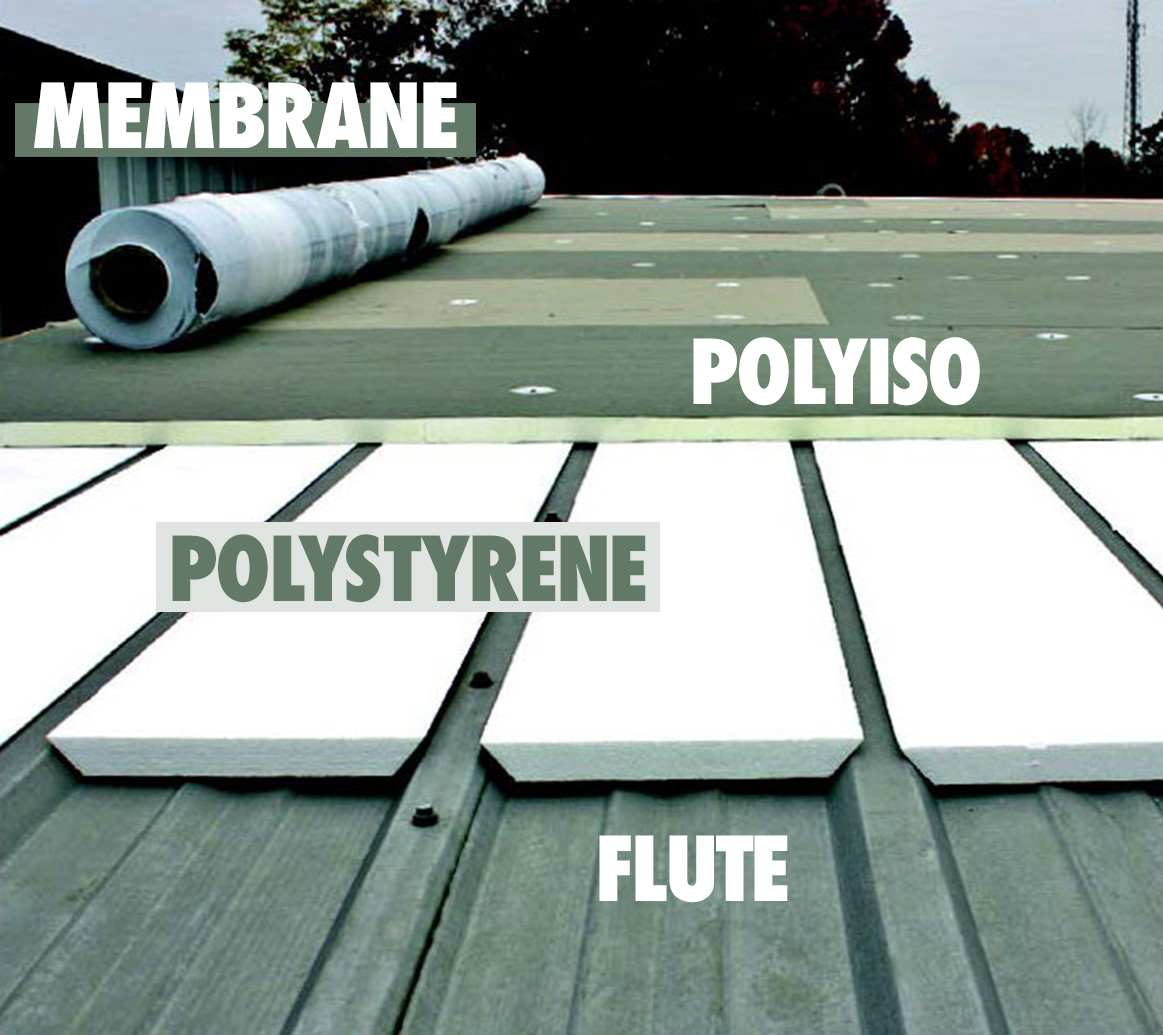
Credit: www.omgroofing.com
Rhino Bond Fasteners Basics
Understanding Rhino Bond fasteners is important for anyone working with TPO membranes. These fasteners help secure the membrane to the roof deck safely and efficiently. Learning their basics makes locating them easier and ensures a strong roof hold.
This section explains what Rhino Bond fasteners are and highlights their main benefits. It provides clear, simple details for better roof maintenance and installation.
What Are Rhino Bond Fasteners
Rhino Bond fasteners are special tools used in roofing. They attach TPO membranes to metal decks without penetrating the membrane itself. These fasteners use induction welding to bond the membrane to the fastener plate. This method creates a strong and secure hold. The fasteners consist of a metal plate and a screw that goes into the roof deck. The process avoids damage to the TPO membrane, reducing leaks and repairs.
Benefits Of Using Rhino Bond Fasteners
Rhino Bond fasteners offer many advantages. They reduce the risk of membrane damage during installation. The fasteners create a tight seal that prevents water leaks. They also speed up the installation process, saving time and labor costs. These fasteners improve roof durability and extend its lifespan. Their design helps distribute wind loads evenly, increasing roof stability. Overall, Rhino Bond fasteners provide a safe and efficient way to secure TPO membranes.

Credit: www.profastening.com
Challenges Locating Fasteners
Finding Rhino Bond fasteners under TPO membranes can be tricky. These fasteners are hidden beneath layers, making them hard to spot. Roofers often face problems detecting them accurately. This section explains the common challenges and errors during the search.
Why Fasteners Are Hard To Find
Rhino Bond fasteners sit under the TPO membrane and insulation. They do not create visible marks on the surface. The metal plates blend with roofing materials. Over time, dirt and debris cover the membrane. These factors make pinpointing fasteners tough. Special tools are needed to detect them correctly.
Common Mistakes During Detection
One major mistake is rushing the inspection. Quick scans miss many fasteners. Using the wrong device can also cause errors. Some tools fail to identify fasteners beneath thick insulation. Ignoring membrane condition leads to false readings. Skipping proper training affects accuracy too. Careful technique and correct equipment improve results.
Tools For Finding Fasteners
Finding Rhino Bond fasteners under a TPO membrane can be tricky. The right tools help make this task easier and faster. These tools detect fasteners without damaging the membrane. Using proper equipment saves time and avoids costly repairs.
Electronic Scanners
Electronic scanners use signals to find metal fasteners. They send electric pulses that bounce back from metal objects. The scanner shows where fasteners are located under the membrane. These tools are precise and work well on large roofs. They help pinpoint fasteners quickly and reduce guesswork.
Magnetic Locators
Magnetic locators detect metal by sensing magnetic fields. They work best on steel fasteners like Rhino Bonds. The locator beeps or signals when near a fastener. These tools are simple and easy to use. They are effective for fastener detection in tight spaces.
Visual Inspection Techniques
Visual inspection helps find fasteners by looking for surface clues. Look for small bumps or dimples on the membrane. These marks often show where fasteners are hidden. Use a flashlight at an angle to spot shadows and textures. This method is low cost and useful before using electronic tools.
Step-by-step Detection Process
Locating Rhino Bond fasteners under a TPO membrane requires careful steps. This process ensures accuracy and avoids damage to the roofing system. Follow these clear steps to detect fasteners safely and efficiently.
Preparing The Tpo Membrane
Start by cleaning the TPO membrane surface. Remove dirt, dust, and debris gently. Use a soft brush or broom to avoid damage. Check the membrane for any visible signs of wear or holes. Prepare the area by marking a grid pattern to guide scanning.
Using Scanning Devices Effectively
Choose a reliable scanning device made for roofing inspections. Turn on the scanner and calibrate it according to instructions. Slowly move the device over the membrane in the marked grid. Keep the scanner close but do not touch the membrane. Watch for signals that show the location of fasteners beneath.
Marking Fastener Positions
Mark detected fastener spots with a soft, non-permanent marker. Use small dots or crosses for clear visibility. Avoid using sharp tools that can puncture the membrane. Double-check marks by rescanning the area. This step helps prevent mistakes during repairs or replacements.
Expert Tips For Accuracy
Locating Rhino Bond fasteners under TPO membranes requires precision. Small mistakes can lead to wasted time and damage. These expert tips help improve accuracy and avoid common pitfalls. Follow these easy steps to get clear, reliable results every time.
Avoiding False Positives
False positives occur when the tool signals fasteners where none exist. To avoid this, keep the scanning device steady. Move slowly and cover each area carefully. Check suspicious spots twice to confirm findings. Clean the membrane surface before scanning to reduce interference.
Working In Different Weather Conditions
Weather affects scanning accuracy. Bright sunlight can cause glare on the membrane. Work in shaded areas when possible. Cold weather may slow down the device response. Warm the equipment gently before use in cold conditions. Rain or moisture can create false readings. Wait for dry conditions or use protective covers.
Maintaining Equipment
Regular equipment care ensures reliable performance. Clean sensors and lenses after each use. Check battery levels before starting your task. Replace worn parts promptly to avoid errors. Store devices in a dry, dust-free place. Routine checks prevent unexpected breakdowns on the job.
Repair And Maintenance After Detection
Repair and maintenance are key after you detect Rhino Bond fasteners under a TPO membrane. Proper care keeps the roofing system strong. It prevents leaks and costly damage. This section covers how to handle damaged fasteners, maintain membrane integrity, and schedule inspections.
Handling Damaged Fasteners
Remove any damaged Rhino Bond fasteners carefully. Avoid pulling or tearing the membrane. Use proper tools to extract fasteners without harm. Replace fasteners with the correct size and type. Secure them firmly to maintain roof stability. Check that the new fasteners do not create wrinkles or gaps.
Ensuring Membrane Integrity
Inspect the membrane around fasteners for holes or tears. Patch small damages with compatible TPO repair kits. Use heat welding or adhesive methods for strong seals. Avoid walking on wet or newly repaired areas. Keep the membrane clean to prevent dirt buildup. Clean surfaces help adhesives bond better.
Scheduling Regular Inspections
Plan roof inspections at least twice a year. Check fasteners and membrane condition thoroughly. Early detection of issues saves money and time. Use a checklist to track repairs and replacements. Hire experienced professionals for detailed inspections. Regular checks extend the roof’s lifespan and performance.

Credit: www.panthereast.com
Frequently Asked Questions
How Can I Identify Rhino Bond Fasteners Under Tpo Membrane?
Rhino Bond fasteners are located using electromagnetic detection tools. These tools sense the metal plates beneath the TPO membrane without causing damage. Scanning the roof surface systematically ensures precise fastener location for maintenance or repair.
Why Is Locating Rhino Bond Fasteners Important?
Locating fasteners prevents membrane damage during repairs or inspections. It helps avoid costly mistakes and ensures proper fastening system integrity. Knowing fastener positions also supports safer roof maintenance and extends membrane lifespan.
What Tools Are Best For Finding Rhino Bond Fasteners?
Electromagnetic scanners designed for roofing are ideal. These devices detect the metal plates quickly and accurately. Using a professional-grade scanner improves efficiency and reduces the risk of membrane puncture.
Can I Locate Rhino Bond Fasteners Without Removing The Membrane?
Yes, electromagnetic detection allows locating fasteners without membrane removal. This non-invasive method preserves the roof’s waterproof integrity. It enables safe inspections and repairs without exposing the underlying insulation.
Conclusion
Finding Rhino Bond fasteners under TPO membranes needs care and patience. Use a metal detector or magnet to help locate them quickly. Mark each fastener spot clearly to avoid damage. Work slowly to keep the membrane safe. This method saves time and cuts repair costs.
Keep tools handy and follow these simple steps. Your roof will stay strong and secure. Easy to do, even for beginners. Try these tips next time you inspect a TPO roof.