
Have you ever wondered what that small, shiny piece of metal holding things together is called? Whether you’re fixing something at home or just curious, knowing the name of a metal fastener can save you time and confusion.
You’ll discover exactly what a metal fastener is called, why it’s important, and how it plays a crucial role in everyday items. Keep reading—you’ll be surprised how this simple knowledge can make your next project easier and more efficient.

Credit: diy.stackexchange.com
Metal Fastener Basics
Metal fasteners are simple but important tools used in many projects. They hold parts together tightly. Without them, building anything strong would be hard. These fasteners come in many shapes and sizes. Each type serves a special purpose. Understanding the basics helps you choose the right fastener for any job.
Common Materials
Most metal fasteners are made from steel or stainless steel. Steel is strong and cost-effective. Stainless steel resists rust and lasts longer outside. Some fasteners use brass or aluminum. Brass fasteners do not rust and have a shiny look. Aluminum fasteners are light but still strong. The choice of material depends on the use and environment.
Key Functions
Metal fasteners join parts by holding them firmly. They prevent movement and keep structures stable. Fasteners also allow easy assembly and disassembly. This makes repairs or changes simple. Some fasteners handle heavy loads. Others provide a tight seal to stop leaks. Each function makes metal fasteners very useful in many tasks.
Types Of Metal Fasteners
Metal fasteners hold parts together in machines, buildings, and furniture. They come in many shapes and sizes. Each type serves a special purpose. Understanding these types helps you choose the right fastener for your project.
Bolts And Screws
Bolts and screws join materials tightly. Bolts need nuts to hold parts. Screws cut threads into the material. Both create strong, lasting bonds. They work well with wood, metal, and plastic.
Nuts And Washers
Nuts secure bolts in place. Washers sit between the nut and surface. They spread pressure and prevent damage. This combination stops loosening from vibrations. Nuts and washers come in many sizes.
Rivets
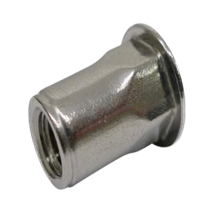
Rivets fasten pieces without threads. They are permanent once set. Rivets are common in aircraft and bridges. They resist vibration and hold tight. You need special tools to install rivets.
Pins
Pins hold parts in line or stop movement. Common types include cotter pins and dowel pins. They are easy to insert and remove. Pins often secure moving parts or hinges. They do not use threads or nuts.
Clips And Clamps
Clips and clamps hold objects firmly together. Clips snap into place quickly. Clamps tighten using screws or levers. They allow easy removal or adjustment. These fasteners work well for temporary holds.
Choosing The Right Fastener
Choosing the right metal fastener is key for a strong and lasting connection. Not every fastener fits every job. You must think about several important factors before making a choice. This helps avoid failures and keeps your project safe and durable.
Load And Strength Considerations
Consider the weight the fastener must hold. Heavy loads need strong fasteners made from tough materials. Check the fastener’s tensile strength and shear strength. These show how much force it can handle without breaking. Match the fastener strength to your project’s needs.
Environmental Factors
Think about where the fastener will be used. Outdoor or wet places need rust-resistant fasteners. Stainless steel and coated fasteners resist corrosion better. Heat and cold can also affect fastener performance. Choose materials that survive the environment around your project.
Compatibility With Materials
Fasteners must fit well with the materials they join. Use fasteners that do not damage the material. For example, soft woods need screws that don’t split them. Metal parts require fasteners that prevent corrosion between metals. Proper compatibility ensures a secure and lasting hold.
Credit: www.fastenright.com
Applications Across Industries
Metal fasteners play a key role in many industries. They hold parts together, ensuring strength and safety. Different industries use various types of metal fasteners based on their needs. Understanding these uses helps appreciate their importance.
Construction
Construction relies heavily on metal fasteners. Nails, screws, and bolts join wood, steel, and concrete. Fasteners keep buildings stable and safe. They help assemble frameworks, walls, and roofs. Strong fasteners prevent structures from falling apart.
Automotive
Cars need many metal fasteners for assembly. Screws and bolts connect engines, doors, and seats. Fasteners must withstand heat and vibration. They keep vehicles running smoothly and safely. Precision fasteners support complex automotive parts.
Electronics
Electronics use tiny metal fasteners to hold parts. Screws secure circuit boards and casings. Fasteners protect delicate components from damage. They help maintain device durability and performance. Small sizes fit tight spaces inside gadgets.
Furniture
Furniture depends on metal fasteners for stability. Screws and bolts join wood and metal parts. Fasteners make furniture strong and long-lasting. They allow easy assembly and repair. Proper fasteners keep chairs and tables steady.
Installation Techniques
Installing metal fasteners properly ensures strong and lasting connections. Different fasteners need specific methods for the best results. Understanding these installation techniques helps avoid common problems. It also makes your work safer and more efficient.
Tools Required
Each fastener type needs certain tools. Screws require screwdrivers or power drills. Bolts need wrenches or socket sets. Nails are installed with hammers. Rivets use special rivet guns. Using the right tool saves time and effort. It also prevents damage to the fastener or material.
Safety Tips
Wear safety glasses to protect your eyes. Gloves can protect your hands from sharp edges. Keep your work area clean and well-lit. Use tools correctly to avoid injuries. Make sure fasteners are secure before moving on. Double-check your work to prevent accidents.
Maintenance Practices
Regularly inspect fasteners for rust or wear. Tighten loose screws and bolts promptly. Replace damaged or corroded fasteners. Lubricate moving parts to reduce friction. Proper maintenance extends fastener life and keeps structures safe.

Credit: www.odbproject.org
Frequently Asked Questions
What Is The General Term For Metal Fasteners?
Metal fasteners are commonly called bolts, screws, nuts, or rivets. They join materials firmly and securely.
How Do Metal Fasteners Work?
Metal fasteners hold parts together by threading, clamping, or deforming materials. They ensure stability and strength.
What Are Common Types Of Metal Fasteners?
Common metal fasteners include screws, bolts, nuts, washers, rivets, and pins. Each type serves a specific purpose.
Why Choose Metal Fasteners Over Other Types?
Metal fasteners offer durability, high strength, and resistance to wear. They are ideal for heavy-duty applications.
Conclusion
Metal fasteners hold things together tightly and safely. They come in many types like screws, bolts, and nails. Choosing the right fastener depends on the job and materials used. Knowing what a metal fastener is helps with repairs and building projects.
Always pick a strong fastener for lasting results. Small parts, big difference. Now, you can identify and use metal fasteners with confidence.


