When you pick up a wrench or grab a bolt, do you ever wonder what those numbers and letters on them really mean? Understanding the designations that identify the size of hand tools and fasteners can save you time, prevent mistakes, and make your projects run smoothly.
Whether you’re tightening a screw or assembling furniture, knowing these size markers helps you choose the right tool or fastener every time. You’ll discover how to decode these important labels and make your work easier and more precise. Keep reading—you’ll never look at your toolbox the same way again.

Credit: www.theengineeringchoice.com
Hand Tool Size Standards
Hand tool size standards help users pick the right tool for the job. They ensure tools fit fasteners correctly and work safely. These standards use clear size designations. They make tool selection easier and reduce mistakes. Understanding these standards is key for anyone using hand tools or fasteners.
Metric Vs Imperial Systems
Two main systems measure hand tools and fasteners: metric and imperial. The metric system uses millimeters to show size. It is common worldwide and easy to convert. The imperial system uses inches and fractions. It is still popular in the United States. Tools and fasteners must match the system used. Mixing systems can cause poor fit and damage.
Common Measurement Units
Hand tools come in many sizes. Common units include millimeters, inches, and fractions of inches. For example, a wrench might be 10 mm or 3/8 inch. Fasteners like screws and bolts also use these units. Correct measurement units help users avoid buying wrong tools. Knowing these units speeds up work and improves safety.
Tool Size Markings
Manufacturers mark tools with size labels. These markings show the tool’s exact size. They appear on wrenches, sockets, and screwdrivers. Metric sizes show numbers like 8, 10, or 12. Imperial sizes show fractions such as 1/4 or 1/2. Some tools list both systems. Clear markings save time and help users find the right tool fast.
Fastener Size Classifications
Fastener size classifications help identify the exact dimensions of screws, bolts, and nails. These sizes ensure the right fit for any project. Understanding these classifications makes choosing the correct fastener easier and prevents mistakes.
Thread Diameter And Pitch
Thread diameter measures the width of the fastener’s threaded part. It is usually given in millimeters or inches. Pitch refers to the distance between threads. A smaller pitch means finer threads, while a larger pitch means coarser threads. Both diameter and pitch are critical for matching fasteners to nuts or tapped holes.
Length And Head Types
Length refers to the total size of the fastener from tip to where the head starts. Different fasteners have different head types like flat, round, or hex heads. The head type affects how you drive or tighten the fastener. Knowing both length and head type helps pick the right fastener for strength and appearance.
Standard Size Notations
Fasteners use standard notations to describe size clearly. Common systems include metric (M for millimeters) and imperial (fractions or numbers). For example, M6 means a 6mm diameter. These notations make it easy to communicate and buy the right fasteners. Always check the size notation before purchasing or using fasteners.
Size Designations For Wrenches
Understanding the size designations for wrenches helps choose the right tool. Wrenches come in many sizes for different bolts and nuts. Each wrench size matches specific fastener dimensions. Knowing these sizes avoids damage and improves work quality.
Open-end And Box-end Sizes
Open-end and box-end wrenches have clear size markings. Sizes usually show in inches or millimeters. The number on the wrench indicates the distance between jaws or width across flats. Open-end wrenches fit around two sides of a bolt head or nut. Box-end wrenches fit around all sides for a tighter grip. Using the correct size prevents slipping or rounding fasteners.
Adjustable Wrench Guidelines
Adjustable wrenches have a movable jaw for different sizes. Their size is usually given by the maximum jaw opening. These wrenches work well on various fastener sizes. Tighten the jaw close to the fastener for better grip. Avoid using them on very small or very large fasteners. Proper adjustment reduces tool wear and fastener damage.
Screwdriver Size Codes
Screwdriver size codes help identify the right tool for each job. These codes show the tip size, shape, and handle details. Knowing these codes makes work easier and safer. It also prevents damage to screws and tools.
Tip Sizes And Shapes
Screwdriver tips come in many sizes and shapes. Common shapes include flat, Phillips, and Torx. Each shape fits specific screw heads. Tip sizes are usually marked with numbers or letters. Smaller numbers mean smaller tips. Matching tip size to screw size is important. It ensures a tight fit and reduces slipping.
Handle Size And Grip
Handle size affects comfort and control. Larger handles offer more grip and force. Smaller handles work well in tight spaces. Handles come in different shapes to fit your hand. Some have rubber grips for better hold. Choose a handle size that feels good. Good grip helps prevent accidents and fatigue.
Measuring Tools For Accurate Sizing
Measuring tools play a key role in identifying the size of hand tools and fasteners. They help ensure the right fit and proper function. Using precise measuring tools reduces mistakes and saves time. These tools give accurate readings for better project results.
Calipers And Micrometers
Calipers measure the outside, inside, and depth of objects. They show measurements in millimeters or inches. Digital calipers display easy-to-read numbers. Micrometers provide even more precise measurements. They are perfect for small parts and tight spaces. Both tools help check diameters and thicknesses quickly and accurately.
Thread Gauges
Thread gauges check the pitch and size of threaded fasteners. They confirm whether screws and bolts match the needed specifications. There are two main types: pitch gauges and plug gauges. Pitch gauges measure the distance between threads. Plug gauges test the internal thread size. Using thread gauges ensures fasteners fit well and hold securely.

Credit: webstore.ansi.org
Interpreting Size Labels On Packaging
Understanding size labels on hand tools and fastener packaging helps you pick the right item. These labels show important details about the tool or fastener size. They save time and prevent mistakes during work. Reading these labels correctly ensures your project goes smoothly. The labels use short codes and numbers to describe size quickly. Learn how to read these codes for better tool and fastener choices.
Decoding Markings
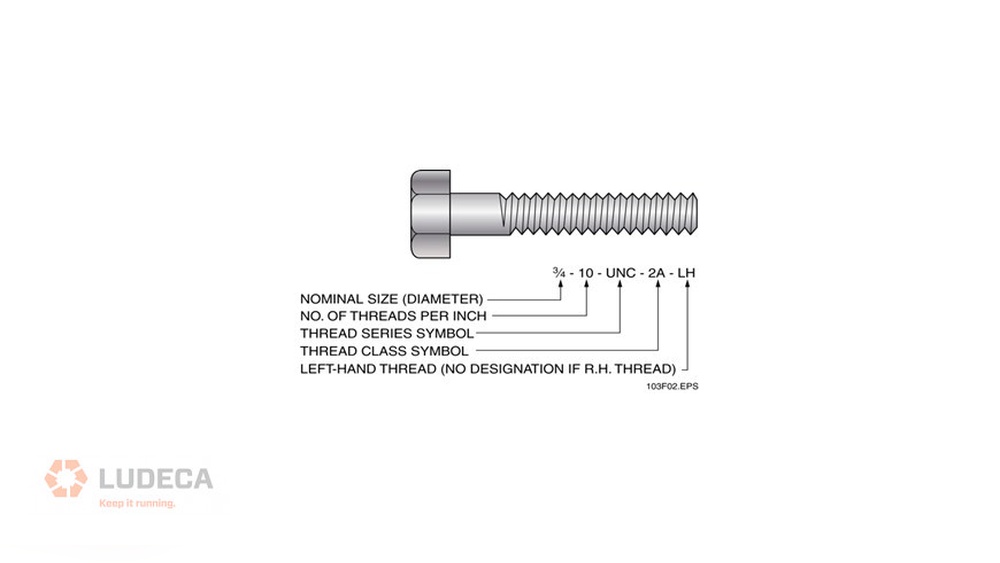
Size markings often combine numbers and letters. They describe length, diameter, or width. For example, a wrench marked “10mm” fits a 10-millimeter bolt. Fasteners might show length as “1 inch” or “25mm.” Sometimes, markings include thread pitch, like “M6 x 1.0.” This means a 6mm diameter and 1.0mm thread spacing. Understanding these marks helps you match tools and fasteners correctly. It avoids buying wrong sizes and saves money.
Common Label Abbreviations
Labels use abbreviations to fit size info in small spaces. “Dia” means diameter. “L” stands for length. “W” means width. Metric sizes show as “M” plus a number, like “M8” for 8mm. Inches often use fractions, such as “1/4”. Thread types appear as “UNC” (coarse) or “UNF” (fine). Knowing these abbreviations helps read labels fast. It makes shopping for tools easier and more accurate.
Choosing The Right Size For Your Project
Choosing the right size for your project is important. Using the correct hand tools and fasteners makes the work easier and safer. The right size helps the parts fit well and hold together strong. It also prevents damage to materials and tools.
Understanding size designations can save time and reduce mistakes. Small errors in size can cause big problems. Knowing how to match tools with fasteners ensures better results.
Matching Tools To Fasteners
Tools come in different sizes to fit fasteners like screws, bolts, and nuts. Always check the size marked on the tool and the fastener. Use a wrench or screwdriver that fits snugly. A loose tool can slip and damage the fastener head. Tight tools give better control and avoid stripping.
Size labels often include numbers or letters. These show the diameter, length, or thread pitch. Match these numbers carefully. For example, a 10 mm wrench fits a 10 mm bolt head. Using the exact size tool makes tightening easier.
Avoiding Size Mismatches
Size mismatches cause slipping, stripping, and damage. A tool too large or small will not grip well. This can round off fastener heads or break tools. Double-check sizes before starting work. Measure the fastener or tool if unsure.
Use size charts or guides to confirm matches. Keep your tools organized by size. This reduces the chance of grabbing the wrong tool. Correct sizing saves time and prevents frustration.

Credit: www.ebay.com
Frequently Asked Questions
What Do Hand Tool Size Designations Mean?
Hand tool size designations indicate the tool’s dimensions and capacity. They help users pick the right size for tasks. Common sizes include metric (mm) and imperial (inches). These labels ensure compatibility with specific fasteners and materials.
How Are Fastener Sizes Identified?
Fastener sizes are identified by diameter, length, and thread pitch. Diameter is usually in millimeters or inches. Length measures how deep the fastener goes. Thread pitch shows the distance between threads, ensuring proper fit.
Why Are Tool Size Designations Important?
Tool size designations prevent damage by ensuring proper fit. Using the correct size improves efficiency and safety. It also extends tool and fastener lifespan. This helps avoid stripping or breaking during use.
What Standard Systems Label Hand Tools And Fasteners?
Hand tools and fasteners use metric and imperial systems. Metric sizes are in millimeters; imperial sizes are in inches. Standards like ANSI, ISO, and DIN regulate these designations. These systems maintain consistency across industries worldwide.
Conclusion
Knowing the size designations of hand tools and fasteners helps you pick the right ones. Sizes like inches, millimeters, and gauge numbers give clear information. This makes your work easier and faster. Always check the size marks before buying or using tools.
It saves time and avoids mistakes. Understanding these labels keeps your projects smooth and safe. Keep this guide handy for your next task. Simple size codes make a big difference.