Have you ever wondered what holds machines, buildings, and gadgets together? The secret lies in fasteners.
These small but mighty components play a crucial role in engineering, ensuring everything stays strong and secure. Whether you’re curious about how your car parts connect or how a bridge withstands heavy loads, understanding fasteners is key. Keep reading to discover what fasteners are, why they matter, and how they impact your daily life in ways you might not expect.

Credit: en.wikipedia.org
Types Of Fasteners
Fasteners are essential in engineering to join parts securely. They come in many forms, each designed for specific uses. Understanding different types helps in choosing the right one for a project. This section explains the main types of fasteners used in engineering.
Bolts And Screws
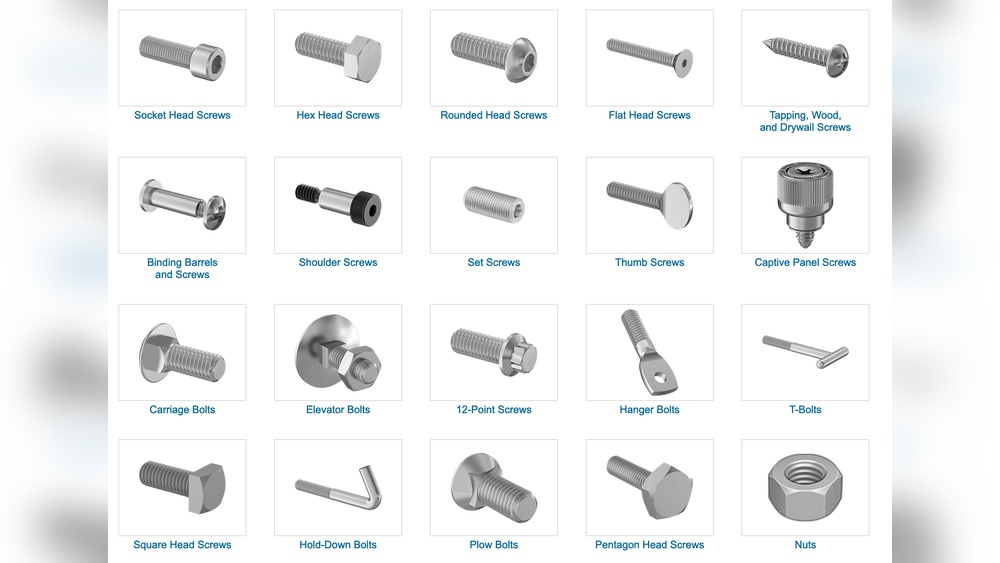
Bolts and screws are among the most common fasteners. Both have threads that grip into materials. Bolts usually need a nut to hold parts together. Screws can often hold parts without a nut. They come in various shapes and sizes for different tasks.
Nuts And Washers
Nuts work with bolts to secure parts firmly. They twist onto the bolt’s threads to lock the joint. Washers sit between the nut and the surface. They spread the load and prevent damage to the material. Washers also stop the nut from loosening over time.
Rivets And Pins
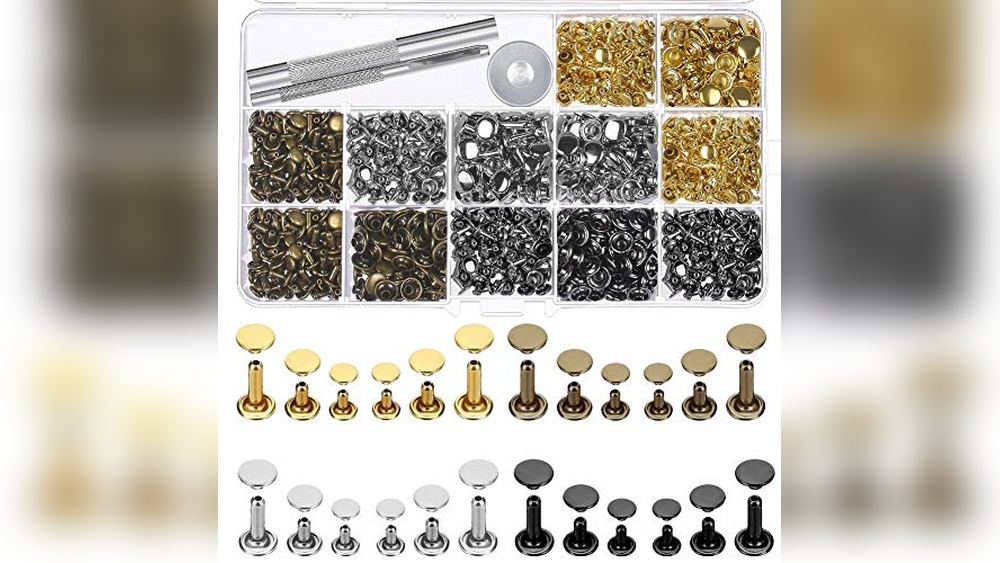
Rivets permanently join parts by deforming the end. They are strong and ideal for metal sheets. Pins hold parts together but can be removed easily. They allow movement or quick assembly and disassembly. Both are useful in different engineering situations.
Clips And Clamps
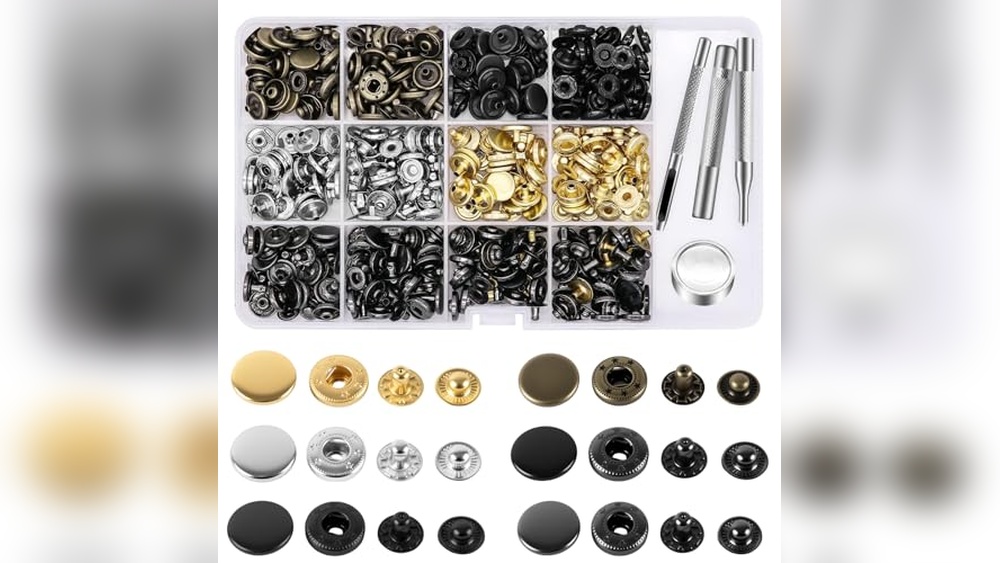
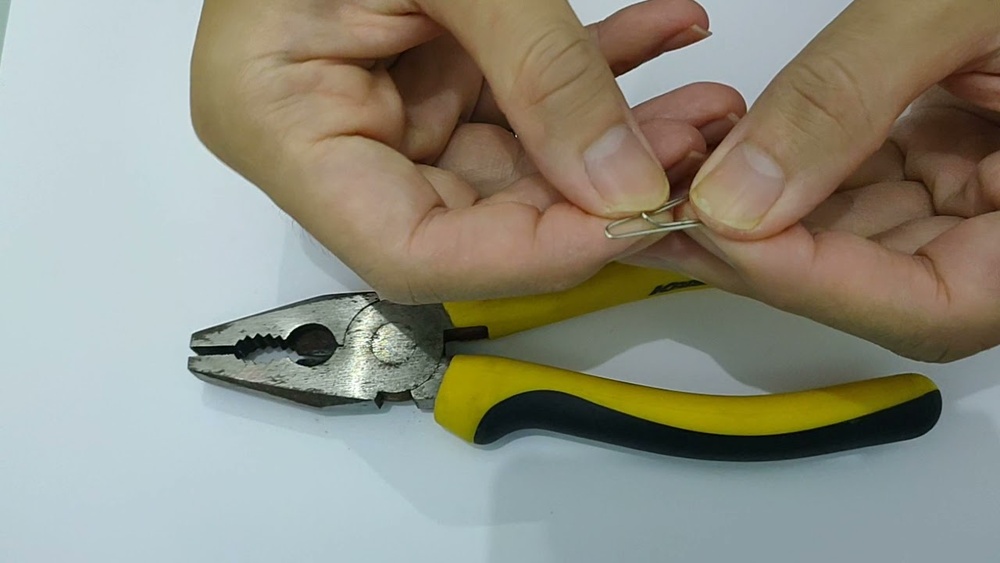
Clips fasten parts by snapping into place. They are quick to install and remove. Clamps hold objects tightly by pressure. They are adjustable and reusable. Clips and clamps work well for temporary or flexible fastening needs.

Credit: www.engineeringexpress.com
Materials Used In Fasteners
Fasteners are small parts that hold objects together. Their strength and durability depend on the materials used. Choosing the right material makes fasteners safe and long-lasting. Different materials suit different engineering needs. Here are the common materials used in fasteners.
Steel And Stainless Steel
Steel is the most popular fastener material. It is strong and can hold heavy loads. Stainless steel does not rust. It works well in wet or outdoor places. Engineers prefer stainless steel for its durability and resistance to corrosion. Fasteners made from steel and stainless steel last long under tough conditions.
Aluminum And Brass
Aluminum fasteners are light but still strong. They resist rust and are easy to shape. These are good for projects where weight matters. Brass fasteners have a bright gold color. They resist corrosion and conduct electricity well. Brass is often used in electrical and decorative applications.
Plastic And Nylon
Plastic fasteners are light and do not rust. Nylon is a common plastic used for fasteners. It is flexible and resists chemicals. These fasteners are good for light-duty jobs. They work well in electronics and appliances. Plastic and nylon fasteners offer a low-cost, corrosion-free option.
Applications Of Fasteners
Fasteners are vital in many industries. They join parts together securely. Different types of fasteners fit different needs. Their applications vary widely across engineering fields. Understanding where they are used shows their importance.
Automotive Industry
Fasteners hold car parts tightly. Engines, frames, and interiors rely on them. They ensure safety and durability. Bolts, screws, and rivets are common here. Fasteners must resist heat and vibration. They keep vehicles running smoothly every day.
Construction And Infrastructure
Buildings and bridges depend on strong fasteners. Nails, bolts, and anchors connect materials firmly. They help structures bear heavy loads. Fasteners make construction faster and safer. They support steel, wood, and concrete parts. Their strength is key to lasting buildings.
Electronics And Appliances
Small fasteners hold delicate components in place. Screws and clips secure circuit boards and panels. They allow easy assembly and repair. Fasteners keep devices compact and reliable. Their precision is crucial for electronic function. Appliances depend on them for everyday use.
Choosing The Right Fastener
Choosing the right fastener is key to the success of any engineering project. The fastener must hold parts together securely and last over time. Picking the wrong fastener can lead to failure, safety issues, and extra costs. Several factors guide this choice, including the load it must bear, the environment it faces, and how well it fits with other materials.
Load And Strength Requirements
Every fastener has a strength limit. It must handle the forces acting on it without breaking or bending. Consider the weight and pressure the fastener must support. Choose fasteners made from strong materials like steel or alloy for heavy loads. Use smaller or lighter fasteners for low-stress parts. Always check the fastener’s load rating before use.
Environmental Factors
Fasteners face different environments, such as moisture, heat, or chemicals. These conditions affect their durability. Use corrosion-resistant fasteners in wet or salty environments. Stainless steel or coated fasteners work well outdoors. For high temperatures, pick fasteners that keep strength under heat. Matching the fastener to the environment ensures longer life.
Compatibility With Materials
Fasteners must work well with the materials they join. Metal fasteners suit metal parts. Plastic or softer materials need special fasteners to avoid damage. Avoid mixing metals that cause rust or corrosion. Choose fasteners that fit the thickness and type of material. Proper compatibility prevents loosening and improves joint strength.
Installation Techniques
Installing fasteners correctly is key in engineering projects. The right technique ensures strength and durability. Poor installation can cause failure and safety risks. Understanding different methods helps achieve better results.
Hand Tools Vs Power Tools
Hand tools include wrenches, screwdrivers, and pliers. They offer control and precision for delicate tasks. Power tools like electric drills speed up the process. They work well for many fasteners but need careful handling. Choosing the right tool depends on the job size and material.
Torque Specifications
Torque means the turning force applied to fasteners. Each fastener has a specific torque limit. Too little torque causes loose connections. Too much torque can damage threads or break parts. Use a torque wrench to apply the correct force. This ensures safety and long-lasting joints.
Safety Precautions
Wear safety gear such as gloves and goggles during installation. Keep tools clean and in good condition. Check fasteners for defects before use. Work in a well-lit area to avoid mistakes. Follow manufacturer instructions strictly to prevent accidents.
Common Fastener Failures
Fasteners hold parts together in machines and structures. They face many challenges during use. These challenges can cause failures that stop machines from working properly. Understanding common fastener failures helps prevent breakdowns and saves money.
Corrosion And Wear
Corrosion happens when fasteners react with water, air, or chemicals. It weakens the metal and causes rust. Rust makes fasteners brittle and easy to break. Wear occurs from friction between parts. It slowly removes material from the fastener. Both corrosion and wear reduce the life of fasteners.
Over-tightening Issues
Over-tightening means applying too much force when fastening. It can stretch or break the fastener. Threads may strip, making the fastener useless. Over-tightening also damages connected parts. This causes leaks or loose joints. Proper torque is important for safe fastening.
Fatigue And Loosening
Fatigue happens from repeated stress on fasteners. Small cracks grow over time, leading to failure. Vibrations or movements cause fasteners to loosen. Loose fasteners lose grip and can fall out. Regular checks and good locking methods keep fasteners secure.
Innovations In Fastener Technology
Fastener technology has evolved a lot over the years. New materials and designs improve strength and safety. Engineers now create fasteners that work better in tough conditions. These innovations help industries build more reliable and durable structures.
Fasteners are no longer simple bolts or screws. They now include advanced features and smart functions. This progress changes how machines and buildings are held together. It also helps reduce maintenance and costs.
High-strength Alloys
High-strength alloys make fasteners stronger and lighter. These metals resist corrosion and wear better than regular steel. This means fasteners last longer in harsh environments. They are useful in automotive, aerospace, and construction fields. Using these alloys improves safety and performance.
Self-locking Mechanisms
Self-locking fasteners prevent loosening from vibrations. They use special designs or materials to stay tight. This reduces the need for extra tools or parts. These fasteners increase reliability in machines and vehicles. They also save time during assembly and repair.
Smart Fasteners With Sensors
Smart fasteners contain tiny sensors that monitor conditions. They can track tension, temperature, or movement. This data helps detect problems early before failures occur. Smart fasteners improve safety and maintenance planning. They are used in critical structures like bridges and aircraft.
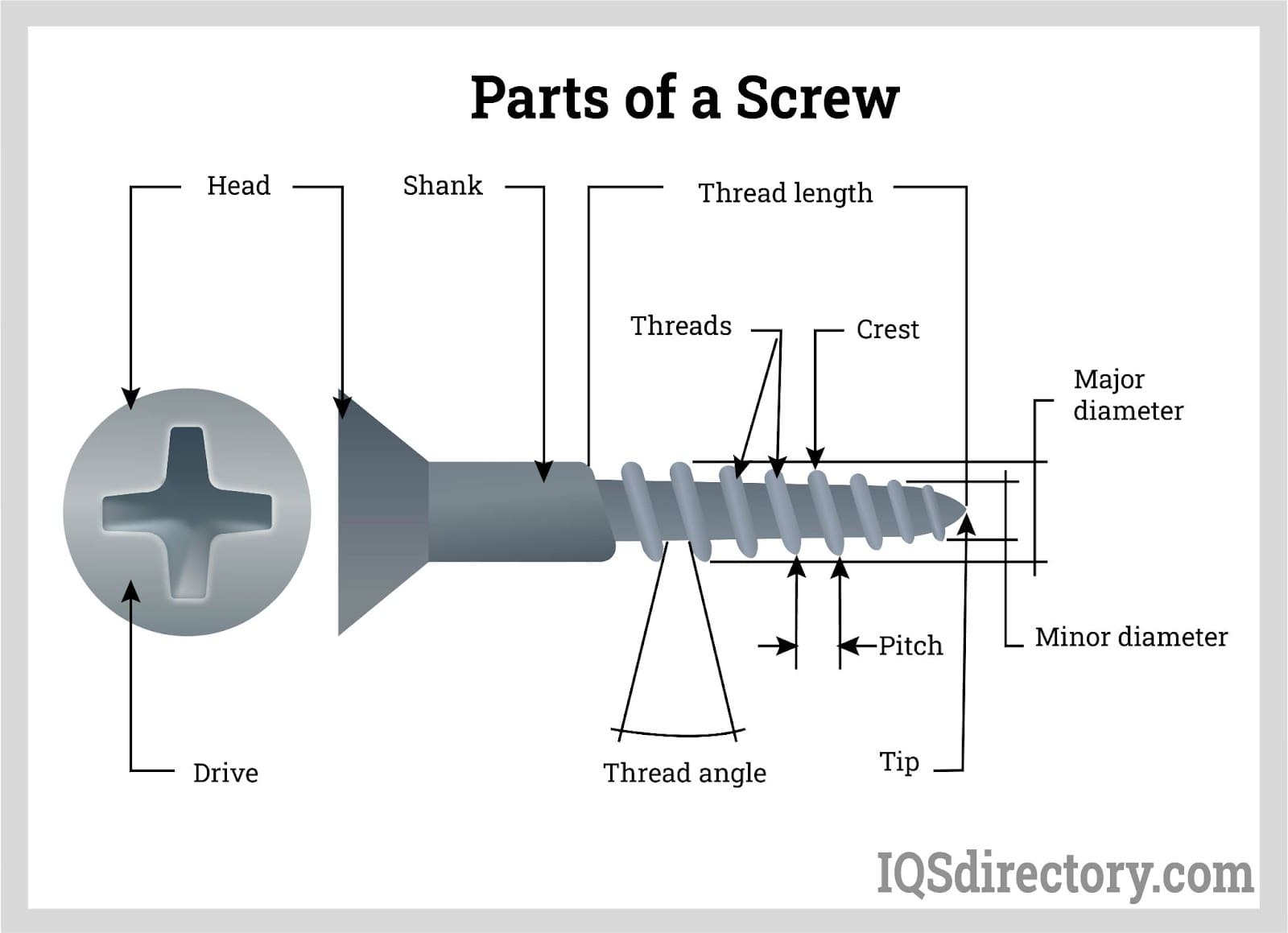
Credit: www.iqsdirectory.com
Frequently Asked Questions
What Are Fasteners In Engineering?
Fasteners are hardware devices that join two or more objects together. They ensure structural stability and allow easy disassembly when needed. Common types include screws, bolts, nuts, and rivets. Fasteners are essential for construction, machinery, and automotive applications, providing secure and reliable connections.
Why Are Fasteners Important In Engineering?
Fasteners provide strong, removable joints between components. They allow for easy assembly, maintenance, and repairs. Without fasteners, structures would be less stable and harder to service. They also help distribute loads evenly, preventing damage and increasing safety in engineering designs.
What Types Of Fasteners Are Used In Engineering?
Common fasteners include screws, bolts, nuts, washers, rivets, and pins. Each type serves specific purposes depending on load, material, and environment. Engineers select fasteners based on strength, durability, and ease of installation to ensure optimal performance in various applications.
How Do Fasteners Affect Engineering Design?
Fasteners influence the strength, durability, and maintenance of designs. Proper selection ensures reliable joints under stress and environmental conditions. They also impact manufacturing cost and assembly time. Engineers must consider fastener type, size, and material during the design process.
Conclusion
Fasteners hold parts together in machines and structures. They come in many types like bolts, screws, and nuts. Choosing the right fastener is key to safety and strength. Understanding fasteners helps in building and fixing things better. Small but important pieces in engineering work.
They keep everything stable and secure. Remember, good fasteners make strong connections. Simple parts with big roles.