Are you curious about what fasteners really are and why they matter so much in everyday things around you? Whether you’re fixing something at home or working on a big project, understanding fasteners can save you time and frustration.
These small but powerful tools hold everything together, from furniture to machines. You’ll discover the different types of fasteners and how each one plays a unique role. Ready to unlock the secrets behind these essential connectors? Keep reading, and you’ll gain the knowledge to choose the right fastener for your next task with confidence.
Credit: www.visionalloys.com
Fasteners Basics
Fasteners are small devices that join two or more objects together. They hold parts firmly in place. Fasteners play a big role in building things. From machines to furniture, they keep everything connected and stable.
Understanding the basics of fasteners helps us see their importance. They come in many shapes and sizes. Each type serves a specific purpose in construction and repair.
Definition And Purpose
Fasteners are hardware tools that connect objects. Their main job is to hold parts tightly. They allow easy assembly and disassembly. This makes fixing or changing parts simple and fast. Without fasteners, many products would fall apart.
Common Materials Used
Fasteners are made from metals like steel and brass. Steel is strong and resists wear. Brass is used for its corrosion resistance. Some fasteners come in plastic or nylon. These materials suit lightweight or non-metal objects. The choice depends on strength and environment needs.
Applications In Everyday Life
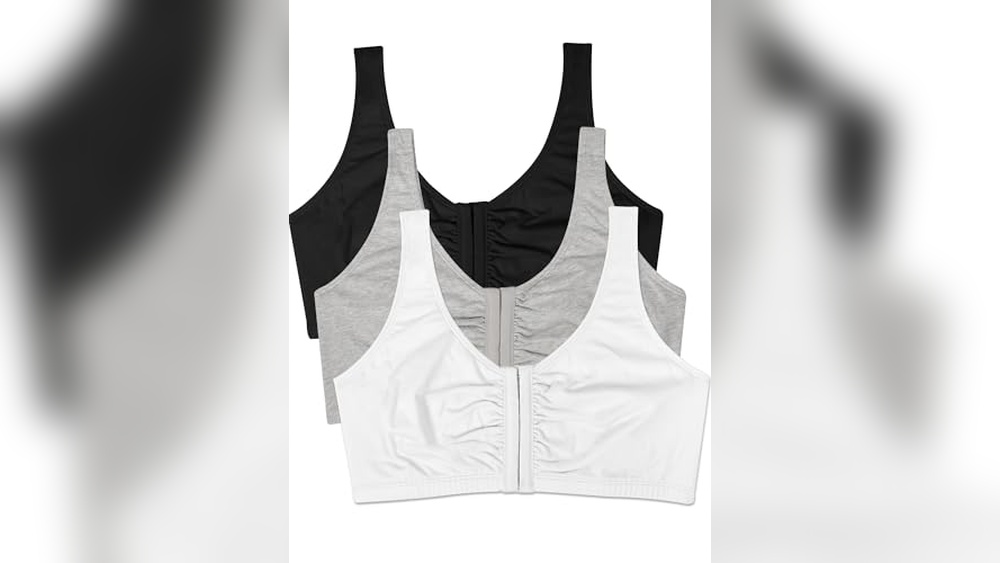
Fasteners are everywhere. They hold together furniture like chairs and tables. Cars use fasteners to secure engines and doors. Electronics rely on small fasteners to keep parts in place. Even clothes have fasteners like buttons and zippers. These small items make life easier and safer.
Mechanical Fasteners
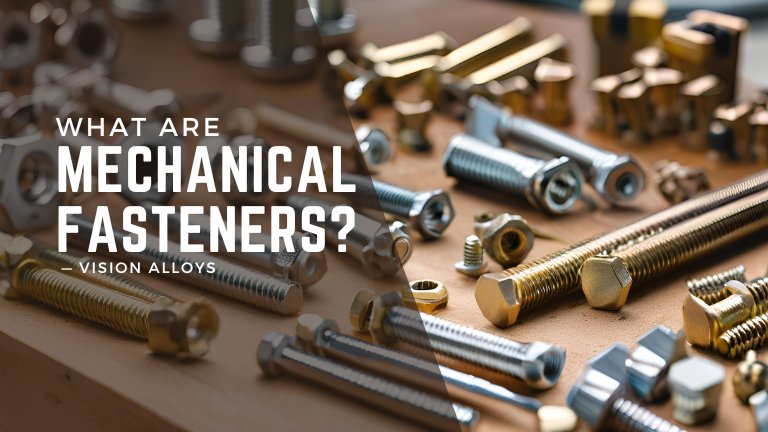
Mechanical fasteners hold parts together in machines and structures. They create strong joints that can be taken apart if needed. These fasteners come in many shapes and sizes. Each type serves a specific purpose in construction and repair work.
Bolts And Screws
Bolts and screws are common fasteners with threads. Bolts usually need a nut to hold parts tight. Screws can hold parts directly by digging into the material. Both types come in various lengths and thicknesses. They are used in wood, metal, and plastic projects.
Nuts And Washers
Nuts are small pieces that fit onto bolts. They lock the bolt in place to stop loosening. Washers are thin discs placed under nuts or bolt heads. They spread the load evenly and protect the surface. Together, nuts and washers improve joint stability and strength.
Rivets And Pins
Rivets join two pieces by deforming one end after insertion. They create permanent, strong connections. Pins fit into holes to hold parts in place. Some pins allow movement, while others secure parts firmly. These fasteners are common in metalwork and machinery.
Non-mechanical Fasteners
Non-mechanical fasteners join materials without screws or bolts. They rely on bonding, heat, or pressure. These fasteners work well for different materials and shapes. They offer clean looks and can save time during assembly.
Adhesives
Adhesives use glue to stick materials together. They work on wood, metal, plastic, and more. Different types include epoxy, polyurethane, and acrylic. Adhesives spread evenly and hold parts firmly. They are good for smooth or uneven surfaces.
Welding And Soldering
Welding melts metals to join them firmly. It creates strong, permanent bonds. Soldering uses a low melting metal to connect parts. Both methods need heat and skill. They are common in metalwork and electronics.
Tape And Hook-and-loop
Tape fastens parts with sticky surfaces. It is quick and easy to use. Hook-and-loop uses tiny hooks and loops to attach. It allows fast opening and closing. Both types work well for temporary or light holds.
Specialized Fasteners
Specialized fasteners serve unique purposes in various industries. They offer solutions where standard fasteners fall short. These fasteners handle specific materials or conditions. They provide extra strength, stability, or ease of installation. Understanding these types helps in choosing the right fastener for your project.
Threaded Inserts
Threaded inserts create strong threads in soft materials. They fit into wood, plastic, or metal surfaces. This fastener allows screws to hold tightly without damage. Threaded inserts are common in furniture and machinery. They improve durability and make repairs easier.
Clips And Clamps
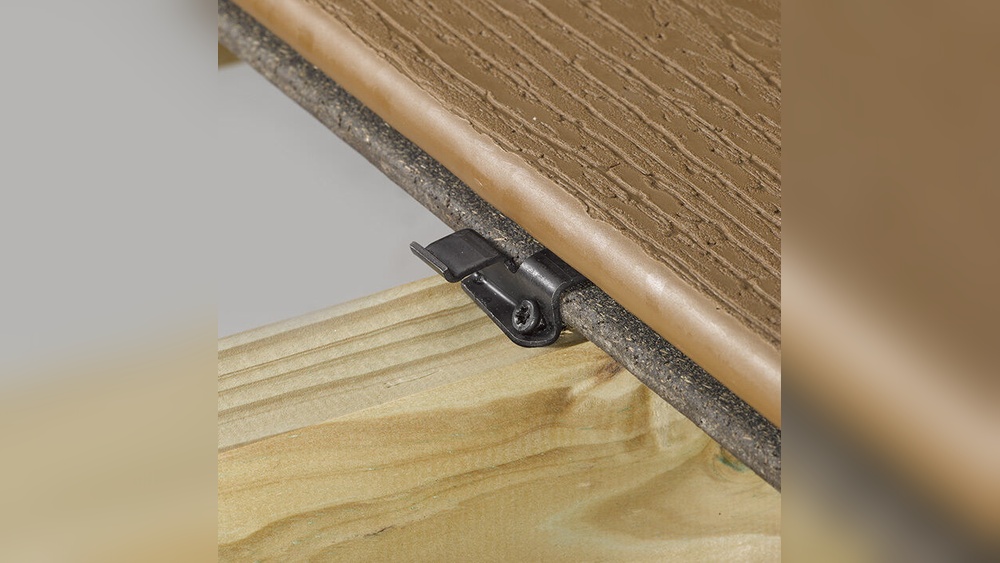
Clips and clamps hold parts firmly without screws. They are easy to install and remove. These fasteners work well in tight spaces. Clips keep wires and hoses organized. Clamps secure pipes or cables to surfaces quickly.
Anchors And Expansion Fasteners
Anchors and expansion fasteners secure objects to walls. They expand inside holes to grip tightly. These fasteners work in concrete, brick, and drywall. They provide strong support for heavy items. Anchors prevent fasteners from pulling out easily.
Choosing The Right Fastener
Choosing the right fastener is key to a strong and lasting connection. Different projects need different fasteners. The choice depends on many factors. Selecting the correct fastener prevents damage and ensures safety. Consider the materials involved, the load it must hold, and the environment it will face.
Material Compatibility
Fasteners must match the materials they join. Using the wrong type can cause corrosion or weakening. Steel fasteners suit metal parts well. Plastic parts need special fasteners that do not damage them. Wood requires screws or nails made for wood. Always check if the fastener reacts with the material.
Load And Strength Requirements
The fastener must hold the weight or force applied. Heavy loads need strong fasteners like bolts or heavy-duty screws. Light loads work with smaller screws or clips. Check the fastener’s strength rating. Using a weak fastener can cause failure. Choose based on the expected stress and use.
Environmental Considerations
Where the fastener will be used matters. Outdoor fasteners need to resist rust and weather. Stainless steel or coated fasteners work well outside. Indoor fasteners can be simpler. In wet or salty environments, corrosion resistance is vital. Consider temperature changes and moisture before deciding.

Credit: screwexpert.com
Installation Tips
Installing fasteners correctly ensures a strong and lasting hold. Poor installation can cause failures or damage. Follow simple tips for better results.
Proper Tools And Techniques
Use the right tools for each fastener type. Screwdrivers, wrenches, and drills must fit well. Tighten fasteners evenly to avoid stripping threads. Work slowly to keep control and accuracy.
Avoiding Common Mistakes
Do not overtighten fasteners; it can break or strip them. Avoid mixing different fastener materials to prevent rust. Check the surface is clean and dry before installation. Use the correct size fastener for each job.
Maintenance And Inspection
Regularly check fasteners for looseness or damage. Tighten loose fasteners before they cause problems. Replace rusty or worn fasteners to maintain strength. Clean fasteners to stop dirt buildup and corrosion.

Credit: grabcad.com
Frequently Asked Questions
What Are Fasteners Used For In Construction?
Fasteners join two or more objects securely. They ensure structural stability and safety in construction projects. Common fasteners include screws, bolts, and nails.
What Are The Main Types Of Fasteners?
The main types include screws, bolts, nuts, washers, rivets, and nails. Each type serves different fastening needs and materials.
How Do Screws Differ From Bolts?
Screws are threaded fasteners that often go directly into materials. Bolts require nuts to secure and are used for heavier loads.
What Materials Are Fasteners Commonly Made From?
Fasteners are usually made from steel, stainless steel, brass, or aluminum. Material choice depends on strength, corrosion resistance, and application.
Conclusion
Fasteners hold things tightly together. They come in many types, like screws, bolts, and nails. Each type has a special job. Choosing the right fastener keeps projects strong and safe. Knowing their uses helps in repairs and building. Keep these basics in mind for your next task.
Simple tools, big results. Fasteners make work easier and better every day.