Are you ready to give your kitchen a fresh, new look without spending a fortune? Installing kitchen cabinet hardware is one of the easiest and most effective ways to transform your space.
Imagine opening your cabinets with smooth, stylish handles that match your personality perfectly. In this guide, you’ll discover simple, step-by-step instructions to install your cabinet knobs and pulls like a pro—no special tools or skills needed. Keep reading, and you’ll soon enjoy a kitchen that feels both beautiful and functional, all thanks to your own hands.

Credit: www.youtube.com
Tools And Materials Needed
Installing kitchen cabinet hardware requires the right tools and materials. Having these ready makes the process smooth and fast. It helps avoid mistakes and keeps your cabinets looking great.
Essential Tools
Start with a drill for fast and clean holes. A screwdriver is important for tightening screws. Use a tape measure to mark exact spots on the cabinets. A pencil helps mark where to place the hardware. A level ensures handles and knobs stay straight. A ruler or straight edge assists with alignment. Finally, use a template or jig to keep holes consistent.
Choosing The Right Hardware
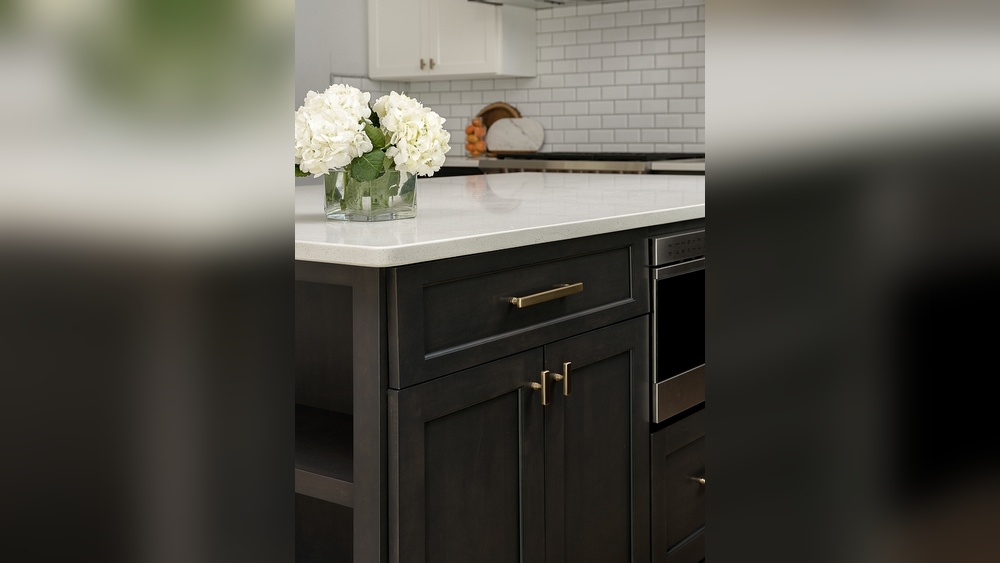
Pick hardware that matches your kitchen style. Knobs and pulls come in many shapes and finishes. Consider metal finishes like chrome, brass, or bronze. Choose sizes that fit your cabinet doors and drawers well. Check that screws fit your cabinet thickness. Select durable materials for long-lasting use. Simple designs often look best and are easier to install.
Preparing Your Cabinets
Preparing your cabinets is a key step before installing hardware. It helps ensure the hardware fits well and lasts long. This part of the process makes your work easier and neater. Follow simple steps to get your cabinets ready.
Cleaning And Inspecting
Start by cleaning the cabinet surfaces. Use a soft cloth and mild cleaner. Remove dust, grease, and dirt completely. Clean cabinets make hardware stick better and look nice.
Next, check for damage. Look for cracks, loose parts, or worn areas. Fix any problems before installing hardware. Strong cabinets hold hardware firmly and last longer.
Marking Hardware Placement
Measure carefully to mark where hardware will go. Use a ruler or tape measure for accuracy. Mark spots lightly with a pencil.
Check alignment by measuring from edges or between marks. Consistent placement gives a balanced and professional look. Take your time. Precise marks make installation smooth.
Installing Handles And Pulls
Installing handles and pulls on kitchen cabinets can change the look and feel of your space. This step is simple but needs care to avoid mistakes. Proper placement and secure attachment make your cabinets easy to use and look great.
Measuring And Drilling Holes
Start by measuring the exact spot for each handle or pull. Use a ruler or tape measure for accuracy. Mark the drill spots with a pencil. Double-check the marks to keep handles level and consistent.
Choose a drill bit that matches the screw size. Drill holes slowly to avoid cracking the cabinet surface. Keep the drill straight for neat holes. Clean any dust before attaching hardware.
Attaching Hardware Securely
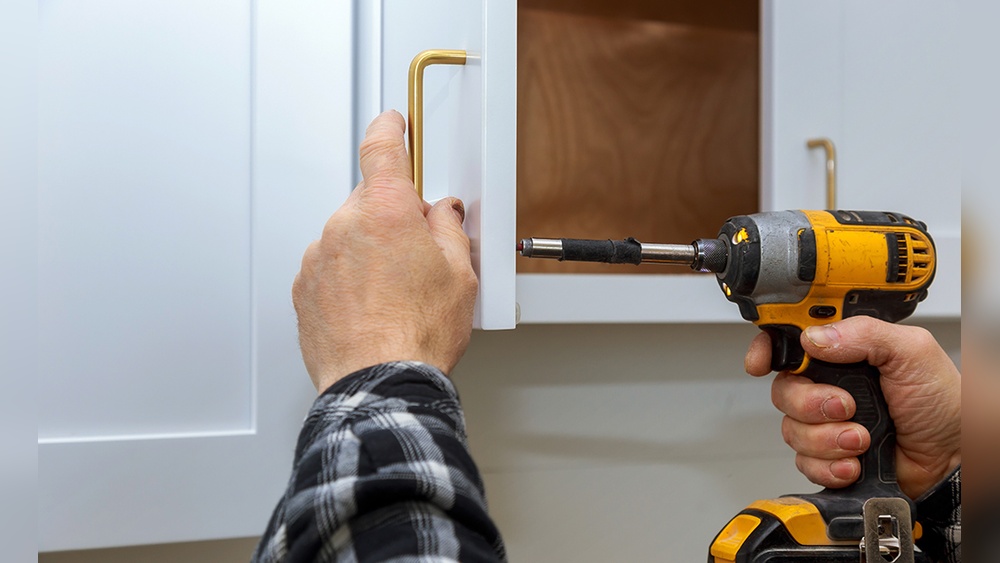
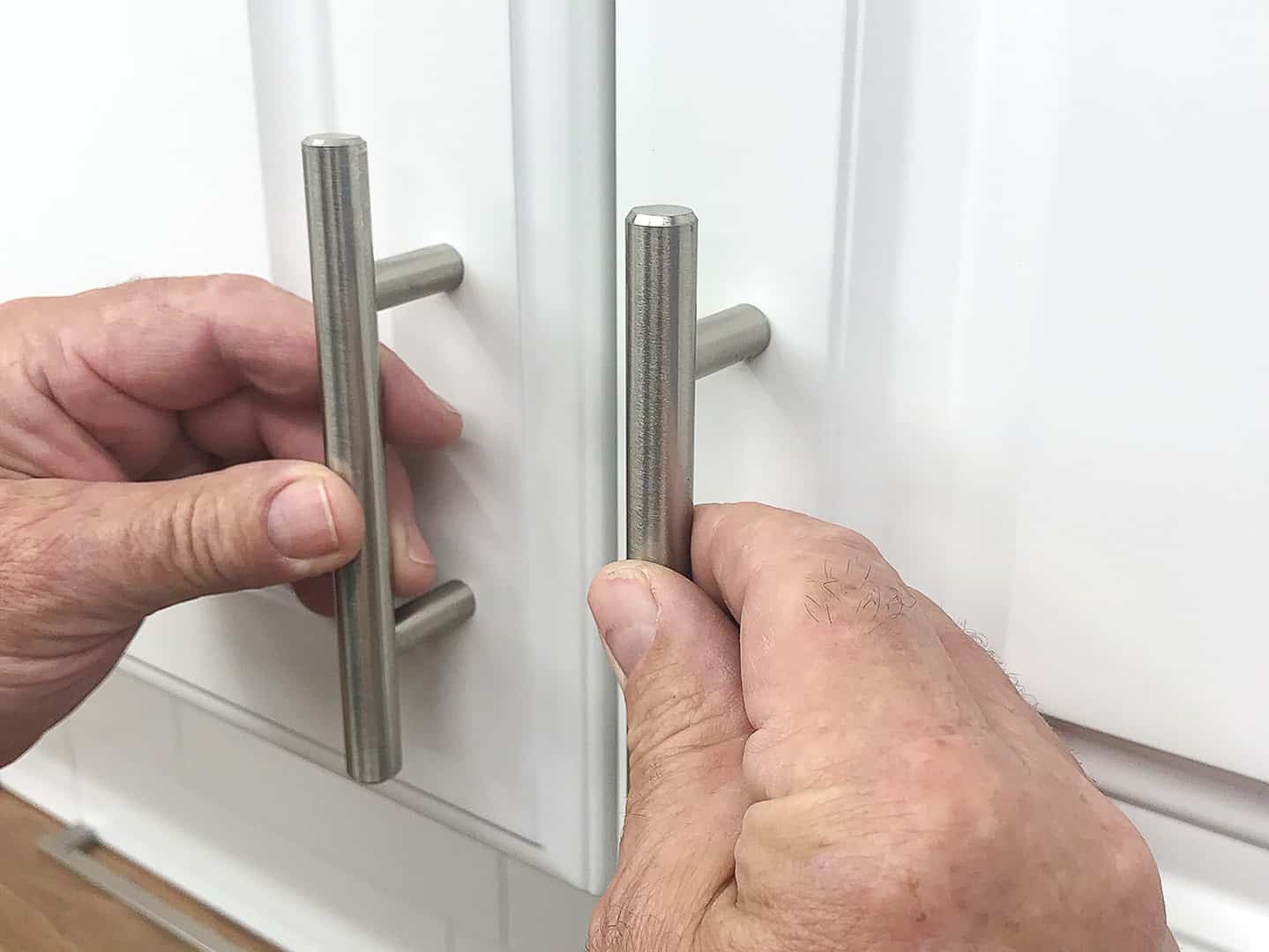
Place the handle or pull over the drilled holes. Insert screws from the inside of the cabinet door or drawer. Use a screwdriver to tighten screws carefully. Avoid overtightening to prevent damage.
Check each handle or pull for stability. Make sure it does not wiggle or feel loose. Adjust screws if needed for a firm fit. Test the hardware by opening and closing cabinets smoothly.
Hinges Installation
Installing hinges on kitchen cabinets is a key step for smooth door operation. Proper hinge installation ensures doors open and close correctly. It also keeps cabinets looking neat and aligned. This guide explains the main types of hinges and how to mount them properly.
Types Of Hinges
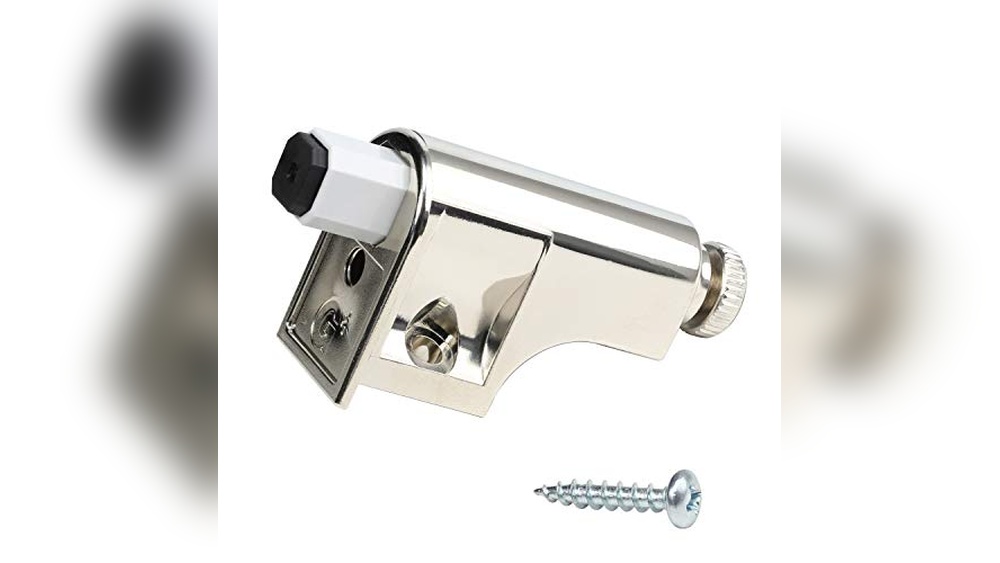
There are several common hinge types for kitchen cabinets. Concealed hinges are hidden when the door closes. They give a clean look and adjust easily. Overlay hinges sit on the cabinet frame and show when closed. They are simple to install. Inset hinges fit inside the cabinet frame for a flush door. They need precise fitting. Choose hinges based on door style and cabinet design.
Mounting Hinges Correctly
Mark hinge positions carefully on both the door and frame. Use a pencil and measuring tape for accuracy. Drill pilot holes to prevent wood splitting. Attach the hinge plates to the cabinet first. Then screw the hinges to the door. Check the door movement after each step. Adjust screws to align the door perfectly. Tighten all screws securely once the door fits well. Test the door to ensure smooth opening and closing.
Adjusting And Aligning Hardware
Adjusting and aligning kitchen cabinet hardware is a key step for a neat, professional look. Proper alignment ensures your cabinets open smoothly and look balanced. Small adjustments make a big difference.
Take your time to check each handle and knob. Loose or crooked hardware can spoil the entire kitchen’s appearance. Use a level or ruler to keep everything straight. This step improves both function and style.
Ensuring Smooth Operation
Hardware must move without sticking or wobbling. Test each drawer and door after installation. Tighten screws just enough to avoid looseness. Over-tightening can damage the cabinet or hardware.
Check hinges for even gaps around cabinet doors. Adjust hinge screws to correct any uneven space. Use a screwdriver to fine-tune the fit. Smooth operation means less wear and longer hardware life.
Fixing Common Alignment Issues
Misaligned hardware often shows as uneven handles or doors that don’t close properly. Start by loosening screws slightly. Shift the hardware gently to the right place. Then, tighten screws firmly to hold the position.
For handles, measure the distance from edges to ensure uniform placement. Use a template or mark spots before drilling. This prevents mistakes and saves time. Correct alignment enhances kitchen aesthetics and usability.

Credit: smart.dhgate.com
Maintenance Tips
Maintaining your kitchen cabinet hardware keeps your kitchen looking fresh. Clean and well-kept hardware lasts longer. Regular care prevents damage and wear.
Cleaning Hardware
Use a soft cloth to wipe handles and knobs. Mild soap mixed with water works well. Avoid harsh chemicals that can damage the finish. Dry hardware completely after cleaning. This stops rust and water spots.
Tightening And Replacing
Check screws and bolts often. Loose hardware can cause damage. Use a screwdriver to tighten any loose parts. Replace worn or broken pieces quickly. This keeps cabinets functional and safe.
Credit: truepositiontools.com
Frequently Asked Questions
What Tools Are Needed To Install Kitchen Cabinet Hardware?
You need a drill, screwdriver, measuring tape, pencil, and level. These tools help ensure precise installation of handles or knobs on cabinets. Using the right tools prevents damage and makes the process quicker and easier.
How Do I Measure For Cabinet Hardware Placement?
Measure the center of the door or drawer front. Mark the spot where you want to attach the hardware. Consistent measurement ensures uniform placement, improving the kitchen’s overall look.
Can I Install Cabinet Hardware Myself Without Experience?
Yes, you can install hardware yourself with basic tools and patience. Follow instructions carefully, measure accurately, and take your time. DIY installation saves money and lets you customize your kitchen easily.
How Do I Choose The Right Hardware For Kitchen Cabinets?
Consider the cabinet style, finish, and your kitchen decor. Choose hardware that complements your cabinets and is comfortable to use. Proper selection enhances both functionality and aesthetics.
Conclusion
Installing kitchen cabinet hardware can be simple and quick. Follow each step carefully for the best results. Use the right tools and take your time. Check measurements twice to avoid mistakes. Enjoy the fresh look that new handles bring. Small changes make your kitchen feel new again.
Keep your tools handy for future updates. Now, you can confidently update your kitchen cabinets yourself.