If you’ve ever tried to hang something heavy on a concrete wall, you know it’s not as simple as using regular nails or screws. That’s where concrete fasteners come in.
They’re designed to grip tightly into tough surfaces like concrete, brick, or stone, making sure your shelves, hooks, or fixtures stay firmly in place. But how do you choose the right fastener? And how do you use it properly to avoid common mistakes?
You’ll discover easy steps and smart tips to master the use of concrete fasteners, saving you time, effort, and frustration. Keep reading to make your next project a solid success!
Types Of Concrete Fasteners
Concrete fasteners are essential for securing objects to concrete surfaces. Different types work best for different jobs. Knowing each type helps you pick the right one. Here are the main types of concrete fasteners and how they work.
Expansion Anchors
Expansion anchors expand inside the concrete hole to hold tight. They work well for medium to heavy loads. You insert the anchor, then tighten the bolt to make it expand. This creates a strong grip in the concrete.
Sleeve Anchors
Sleeve anchors have a metal sleeve that expands when the bolt is tightened. They fit various thicknesses of materials. These anchors are good for securing items to walls and floors. They offer solid holding power in concrete.
Wedge Anchors
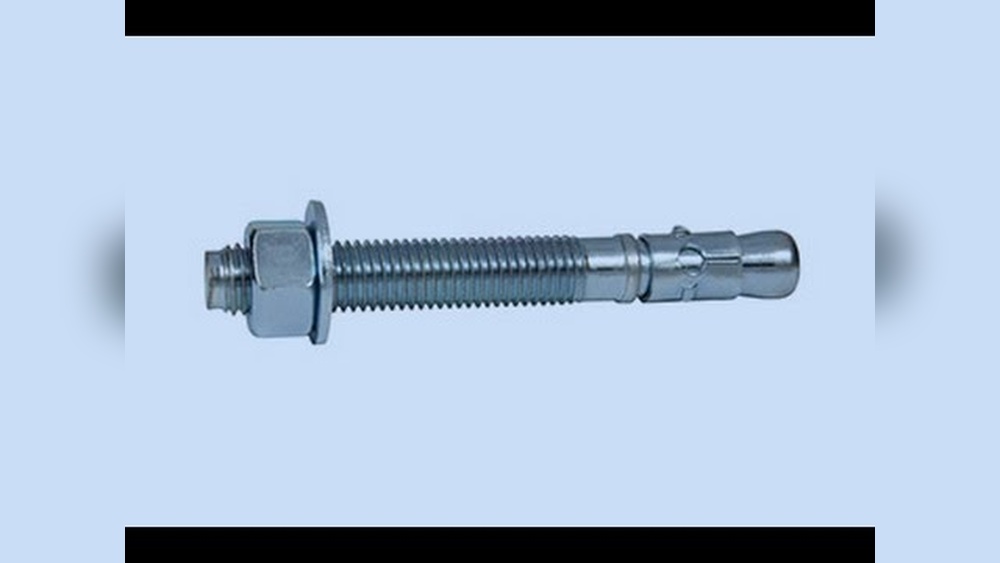
Wedge anchors use a wedge-shaped end that locks into the concrete. You hammer the anchor into the hole and tighten the nut. This pulls the wedge tightly against the concrete. They are strong and often used for heavy-duty tasks.
Hammer Drive Anchors
Hammer drive anchors are simple and quick to install. You hammer the pin into the anchor body, which expands inside the concrete. They work best for light to medium loads. Ideal for attaching fixtures or signs to concrete.
Drop-in Anchors
Drop-in anchors sit flush inside the concrete surface. You insert them into a drilled hole, then use a setting tool to expand them. These anchors provide a clean finish and hold well under tension. Suitable for overhead fixtures.
Chemical Anchors
Chemical anchors use resin or epoxy to bond fasteners in concrete. They fill the hole and harden around the anchor. This creates a very strong hold. Best for heavy loads and where vibration resistance is needed.
Choosing The Right Fastener
Choosing the right concrete fastener is key to a safe and lasting hold. The wrong choice can lead to weak attachments or damage. Consider several factors before making your selection. This guide helps you pick the best fastener for your project.
Assessing Load Requirements
Start by thinking about how much weight the fastener must hold. Light loads need smaller fasteners. Heavy loads require strong, heavy-duty fasteners. Choose a fastener that matches the load to avoid failure.
Considering Concrete Thickness
The thickness of your concrete affects fastener choice. Thin concrete needs shorter fasteners to avoid cracking. Thick concrete can handle longer, more robust fasteners. Measure the thickness and pick a fastener that fits well.
Indoor Vs Outdoor Use
Indoor and outdoor settings demand different fasteners. Indoor fasteners face less wear and moisture. Outdoor fasteners must resist weather, rain, and temperature changes. Select fasteners designed for the environment of your project.
Corrosion Resistance Factors
Corrosion can weaken fasteners over time. Choose fasteners made from stainless steel or coated metals for rust resistance. This is crucial for outdoor or damp areas. Corrosion-resistant fasteners last longer and keep your project secure.
Tools Needed For Installation
Installing concrete fasteners requires the right tools for a safe and strong hold. Having the correct equipment makes the process easier and more efficient. This section covers essential tools needed for proper installation. Use these tools to ensure your fasteners stay secure in concrete surfaces.
Drill Types And Bits
A hammer drill works best for concrete fasteners. It combines rotation with a pounding action to break through hard surfaces. Use carbide-tipped masonry bits for clean, precise holes. Choose the right size bit for your fastener to get a snug fit. Avoid using regular drill bits; they wear out quickly on concrete.
Hammer And Wrench
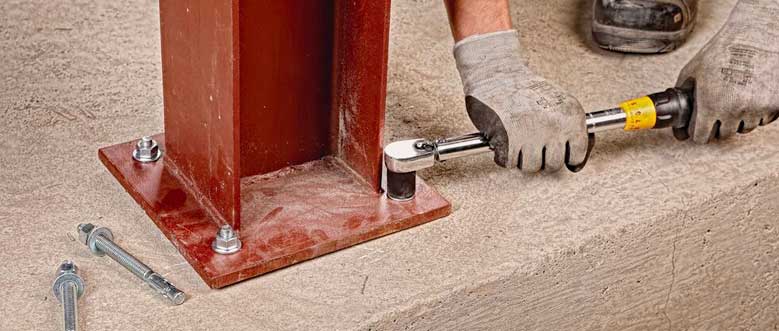
A hammer helps tap fasteners into place firmly. Use a claw or sledgehammer depending on fastener type and size. A wrench or socket set tightens bolts and anchors securely. Make sure the wrench fits the fastener head to avoid slipping or damage. These tools ensure fasteners hold tight under pressure.
Measuring And Marking Tools
Measure accurately before drilling for precise fastener placement. Use a tape measure or ruler for exact distances. Mark drill spots with a pencil or chalk for clear guides. Proper measurement prevents mistakes and keeps your work neat. This step saves time and ensures fastener stability.
Safety Gear
Wear safety glasses to protect eyes from dust and debris. Use ear protection to guard against loud drilling noise. Gloves protect hands from sharp edges and rough surfaces. Dust masks prevent inhaling harmful particles. Always use safety gear to reduce injury risks during installation.
Credit: resources.tannerbolt.com
Preparing The Surface
Preparing the surface is the first step to using concrete fasteners correctly. A clean and well-marked surface helps the fasteners hold firmly. You need to follow a few simple steps before starting to drill. These steps make sure your project is safe and strong.
Cleaning The Area
Remove dust, dirt, and loose debris from the concrete surface. Use a brush or vacuum to clean the area well. A clean surface helps the fastener grip better. Avoid oil or grease on the surface, as they reduce holding power. Clean surfaces improve drilling accuracy and safety.
Marking Drill Points
Measure and mark where you want to place the fasteners. Use a pencil or chalk to make clear marks. Double-check the spacing and alignment of your marks. Proper marking prevents mistakes and saves time. Clear marks guide the drill bit for precise holes.
Drilling Techniques
Use a hammer drill with a masonry bit for concrete. Start drilling slowly to avoid slipping. Drill straight at the marked points for accurate holes. Drill to the correct depth for the fasteners you use. Remove dust from holes before inserting fasteners. Proper drilling makes installation easier and stronger.
Step-by-step Installation Process
Installing concrete fasteners correctly is key to strong and lasting attachments. Follow these clear steps to ensure a secure hold in concrete surfaces. Each step is simple and easy to understand.
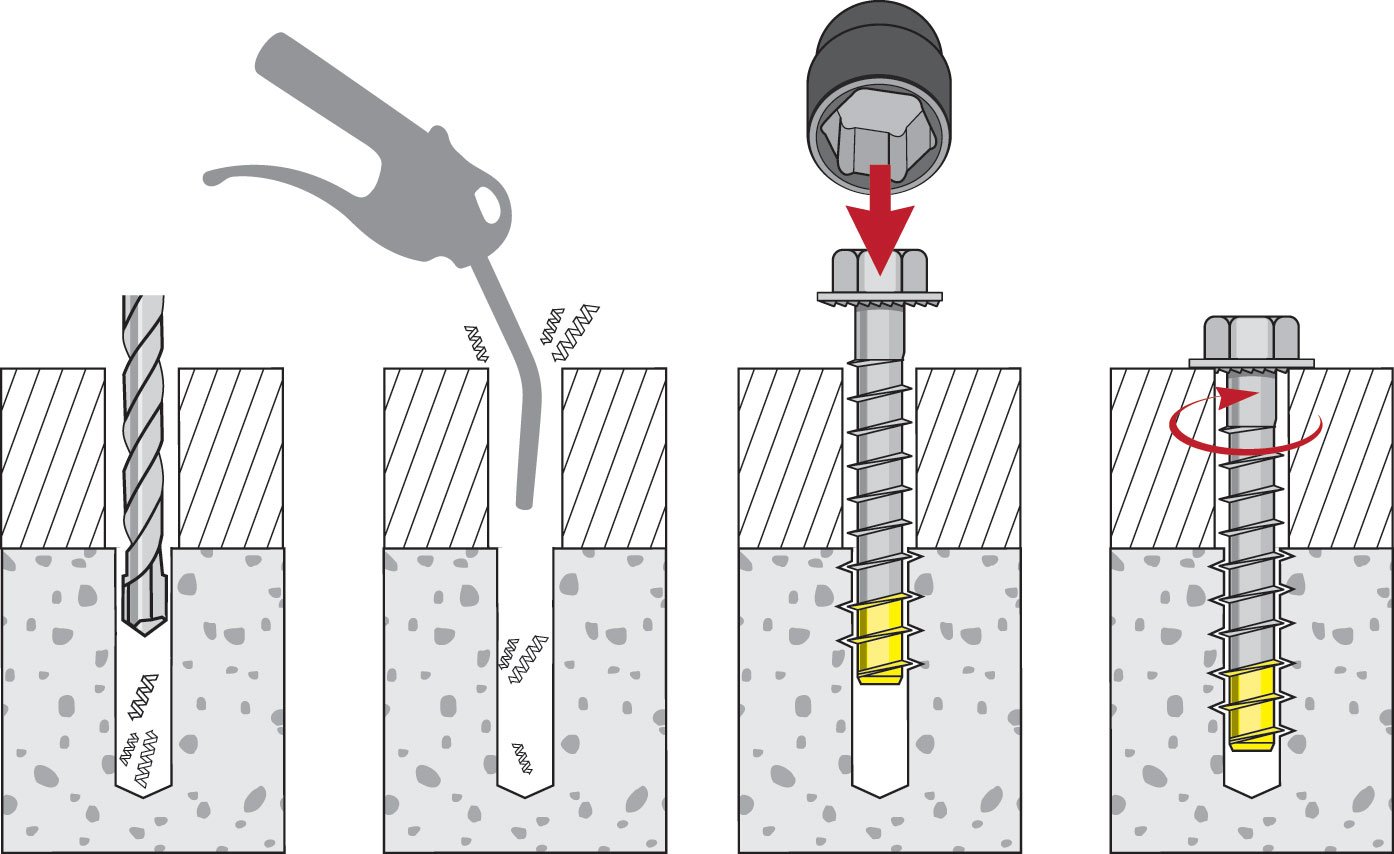
Drilling The Hole
Start by choosing the right drill bit size for the fastener. Use a hammer drill for best results. Drill straight into the concrete at the marked spot. Drill to the exact depth needed for the fastener length.
Cleaning The Hole
Remove dust and debris from the hole. Use a wire brush or a small blower to clear it out. Clean holes help the fastener grip better and hold tight.
Inserting The Fastener
Place the fastener into the cleaned hole. Tap it gently with a hammer until it sits flush with the surface. Ensure it fits snugly without forcing it in.
Securing The Fastener
Tighten the fastener using the correct tool, such as a wrench or screwdriver. Apply steady pressure until it is firmly set. Avoid over-tightening, which can weaken the hold.
Common Mistakes To Avoid
Using concrete fasteners can be simple, but many people make basic mistakes. These errors can weaken the hold and cause safety problems. Avoiding these common mistakes helps your project last longer and stay secure.
Incorrect Drill Size
Choosing the wrong drill size is a frequent error. A hole too small can crack the concrete. A hole too big makes the fastener loose. Always match the drill bit size to the fastener’s instructions. This ensures a tight and safe fit.
Insufficient Hole Cleaning
Drilling creates dust and debris inside the hole. Leaving it there stops the fastener from gripping well. Use a brush or air blower to clean the hole. Clean holes improve the fastener’s strength and reliability.
Over-tightening Fasteners
Fasteners need to be tight but not too tight. Over-tightening can damage the fastener or concrete. It can also reduce the fastener’s hold. Tighten fasteners just enough to hold firmly without forcing them.
Ignoring Load Limits
Every fastener has a load limit. Exceeding this limit risks failure and accidents. Check the load rating before use. Use the right fastener size and type for your project’s weight and stress.
Maintaining And Inspecting Fasteners
Maintaining and inspecting concrete fasteners is essential for safety and durability. Proper care helps avoid failures and costly repairs. Regular checks ensure fasteners hold firmly and work as intended.
Inspection is simple but must be done often. Look for signs of damage and wear. Timely action can extend the life of your fasteners.
Regular Inspection Tips
Check fasteners every few months. Use a flashlight for better visibility. Tighten any loose fasteners carefully. Look for rust or corrosion on metal parts. Clean dirt and debris around the fasteners. Use a wrench to test firmness gently. Record inspection dates and findings for future reference.
Signs Of Wear Or Damage
Rust spots show fasteners may weaken. Cracks in concrete near fasteners signal problems. Bent or broken fasteners need attention. Fasteners that spin or move easily are unsafe. Missing fastener heads indicate damage or loss. Loose anchors suggest a poor hold. These signs mean fasteners may fail soon.
When To Replace Fasteners
Replace fasteners showing any damage or rust. If tightening does not hold, change the fastener. Fasteners with stripped threads cannot secure loads. Replace if concrete around fastener cracks or crumbles. Use the same type and size for replacement. Timely replacement ensures safety and strength.
Credit: www.youtube.com
Credit: allfasteners.com
Frequently Asked Questions
What Are Concrete Fasteners Used For?
Concrete fasteners secure objects to concrete surfaces. They are ideal for attaching fixtures, shelves, and electrical boxes. These fasteners provide strong, durable holds in masonry materials.
How Do I Choose The Right Concrete Fastener?
Select based on load, concrete type, and environment. Consider fastener size, material, and installation method for best results. Proper choice ensures safety and longevity.
Can I Install Concrete Fasteners Without A Hammer Drill?
A hammer drill is recommended for best results. Without it, drilling may be difficult and less accurate. Using a hammer drill ensures a clean, precise hole.
Are Concrete Fasteners Reusable After Removal?
Most concrete fasteners are not reusable once removed. Removing them often damages threads or anchors. It’s best to use new fasteners for reinstallation.
Conclusion
Using concrete fasteners is simple with the right steps. Choose the correct fastener for your project. Drill holes carefully to fit the fasteners well. Tighten them firmly but avoid overdoing it. This ensures a strong and lasting hold. Always follow safety rules while working.
Practice makes the job easier and faster. Now, you can fix items on concrete with confidence.