Have you ever wondered who invented the hook and loop fastener that makes your shoes, bags, and clothes so easy to use? This simple yet clever invention has changed the way you fasten things every day.
Understanding its origin will give you a new appreciation for this common item you might take for granted. Keep reading to discover the surprising story behind the hook and loop fastener and the mind that created it. Your next “aha” moment is just ahead!

Credit: en.wikipedia.org
Origin Of Hook And Loop Fastener
The hook and loop fastener is a simple yet clever invention. It changed how we fasten things every day. The idea came from observing nature and solving a practical problem. Its origin shows creativity and close attention to the world around us.
Understanding where it started helps us appreciate this common fastener. It was not just made overnight. There were early inspirations and natural influences that guided the invention.
Early Inspirations
The inventor, George de Mestral, noticed something during a walk. He saw burrs stuck on his clothes and his dog’s fur. These burrs had tiny hooks that caught on loops of fabric. This simple observation sparked a big idea.
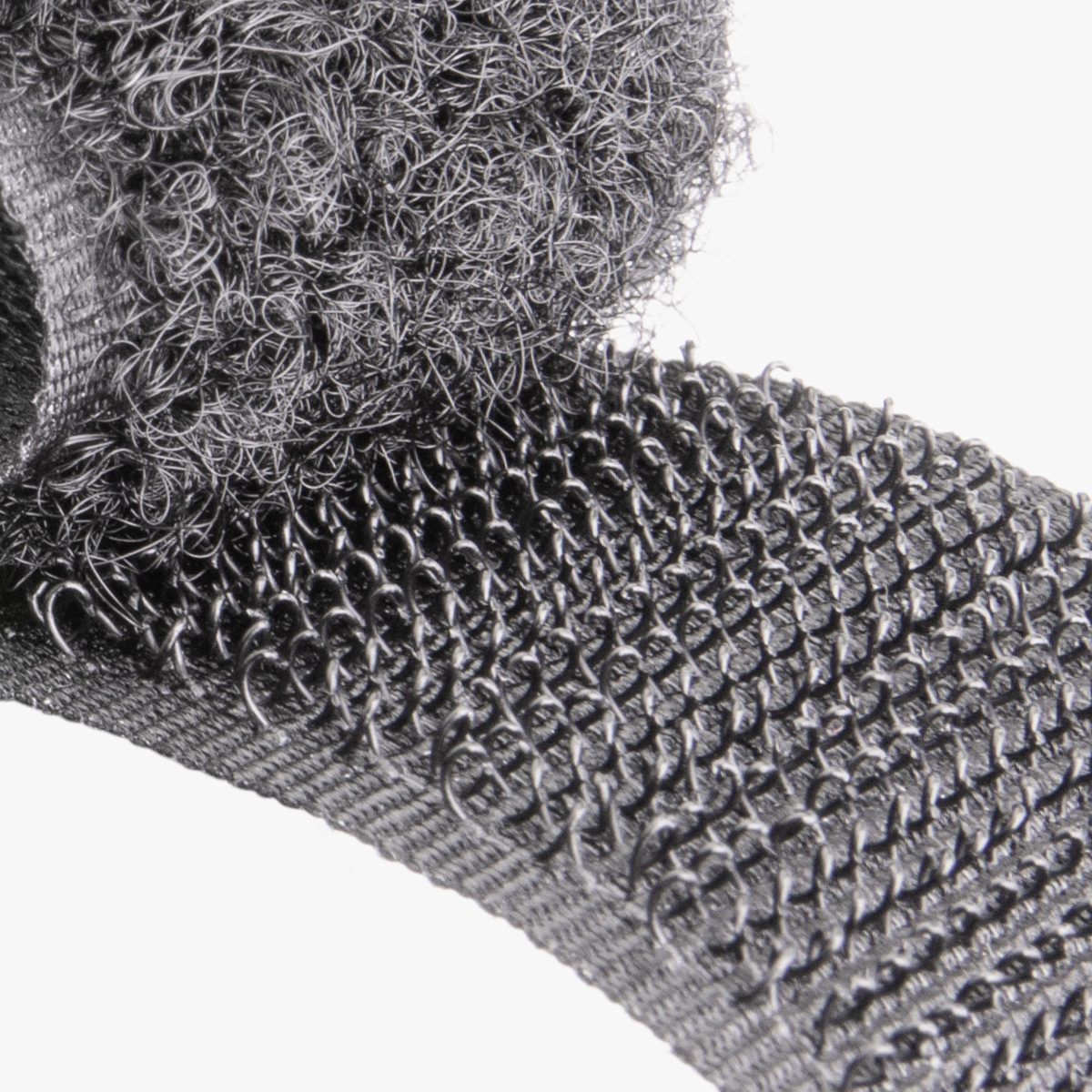
De Mestral studied the burrs under a microscope. He saw how the hooks and loops worked perfectly together. This inspired him to create a fastener that mimics this natural hook-and-loop system. He worked to design a fabric fastener that was easy to use and strong.
Nature’s Influence
Nature often inspires human inventions. The hook and loop fastener is a clear example. The burrs’ hooks cling tightly to loops, showing a natural fastening method. This natural design helped solve a human problem.
The way burrs stick to fur and fabric is a perfect model. It uses tiny hooks and loops to connect without glue or buttons. This natural solution influenced the creation of the hook and loop fastener. Nature’s design is simple, effective, and reusable.
The Inventor: George De Mestral
George de Mestral is the man behind the hook and loop fastener. His invention changed how we fasten things every day. This simple idea came from a curious mind and sharp observation. Understanding his story helps us appreciate this useful invention more.
Background And Early Life
George de Mestral was born in Switzerland in 1907. He grew up in a family that valued hard work and creativity. As a young boy, George loved exploring nature. His interest in science and engineering started early. He studied electrical engineering at university. After school, he worked as an engineer and inventor. His background gave him skills to solve practical problems.
The Spark Of Inspiration
One day, George took a walk with his dog in the woods. He noticed burrs stuck to his clothes and his dog’s fur. Curious, he examined the burrs under a microscope. He saw tiny hooks on the burrs that caught on fabric loops. This simple natural design inspired him. George thought he could make a fastener like this. He spent years testing and improving his idea. Finally, he created the first hook and loop fastener in 1941.
Invention Process
The invention process of the hook and loop fastener involved careful observation and testing. It started with simple ideas and grew into a useful product. The inventor studied nature to find a new way to fasten materials without buttons or zippers. This process took time, patience, and many trials to get right.
Initial Experiments
The inventor noticed how burrs stuck to clothes during a walk in the woods. This natural hook and loop effect inspired the first experiments. Small hooks and loops were made using fabrics and threads. Early tests showed promise but needed improvement. The inventor worked on making the hooks and loops stronger and easier to use.
Challenges Faced
Making the fastener durable was a big challenge. The hooks had to hold firmly but also release easily. Another problem was finding the right materials that would last through many uses. The inventor also had to design a method to produce the fastener in large amounts. Each challenge required new ideas and repeated testing.
Patent And Development
After many tests, the inventor applied for a patent to protect the idea. The patent described the unique design of hooks and loops. Factories started producing the fastener for clothes and shoes. Over time, improvements made the fastener more reliable. Today, it is used worldwide in many products.
Velcro’s Name And Branding
Velcro’s name and branding played a key role in its global success. The name itself tells a story about the invention. Branding helped people remember and trust the product. This section explores the origin of the name and the marketing strategy behind Velcro.
Origin Of The Name
The name Velcro comes from two French words. “Velours” means velvet, and “crochet” means hook. The inventor, George de Mestral, combined these words. He wanted to describe how the fastener works. Tiny hooks catch on soft loops, like velvet fabric. The name is simple and easy to say.
Marketing Strategy
Marketing helped Velcro become a household name. The company showed how useful the fastener is. It appeared in clothes, shoes, and even space gear. Demonstrations made people see the product’s strength. The brand focused on clear messages and practical uses. This built trust and made Velcro popular worldwide.
Applications And Impact
The hook and loop fastener, invented by George de Mestral, has many uses across different areas. It changed how people attach and secure items quickly and easily. This simple invention has a big impact on daily life and many industries.
Its design lets people fasten things without buttons or zippers. The fastener is strong but easy to open and close. This makes it useful in many places.
Everyday Uses
Hook and loop fasteners are common in clothes and shoes. Kids use them because they are easy to manage. People also find them in bags, hats, and gloves. They help keep things closed or attached without effort.
At home, these fasteners organize cables and hold items in place. They stick to walls or furniture without damage. This helps keep spaces neat and tidy.
Industrial And Medical Uses
In factories, hook and loop fasteners hold tools and parts securely. Workers use them to fasten safety gear and uniforms. The fasteners save time and improve work safety.
Hospitals use hook and loop fasteners for medical devices and bandages. They provide quick access and firm hold. Patients benefit from easy-to-use clothing and braces too.
The versatility of hook and loop fasteners makes them essential in many fields. They combine simplicity with strong function everywhere.
Credit: www.velcro.com
Evolution And Innovations
The hook and loop fastener has seen many changes since its invention. These changes improved its strength and ease of use. Innovations made it popular worldwide in many fields.
New materials made the fastener more durable and flexible. Designers created versions that fit different needs. This evolution helped the fastener stay useful and relevant today.
Advancements In Material
Early fasteners used rough nylon hooks and soft loops. Today, manufacturers use stronger fibers and plastics. These materials resist water, heat, and wear better.
Some fasteners now have added coatings for extra grip. Others use eco-friendly fibers to reduce waste. These material changes increase the fastener’s lifespan and performance.
Modern Variations
New designs include quieter versions for noise-sensitive areas. There are also fasteners that open easily with less force. Some types stick on surfaces without sewing or gluing.
Fasteners now come in many colors and shapes. This helps them blend with clothes or gear. Modern variations meet specific needs for sports, medical, and industrial use.
Legacy Of George De Mestral
George de Mestral left a lasting mark on everyday life. His invention, the hook and loop fastener, changed how people use clothing and gear. It started from a simple idea inspired by nature. His legacy continues to influence many fields today.
Influence On Design And Technology
De Mestral’s invention opened new doors in design. Many industries adopted the fastener for its ease and strength. It made products simpler to use and more flexible. Designers found new ways to include it in shoes, bags, and sportswear. The technology also moved into medical and military gear.
Recognition And Awards
George de Mestral earned respect worldwide. His work received many awards and honors. Institutions recognized the usefulness and creativity of his fastener. These awards helped spread knowledge about his invention. They also inspired others to innovate in simple, practical ways.

Credit: www.hookandloop.com
Frequently Asked Questions
Who Invented The Hook And Loop Fastener?
The hook and loop fastener was invented by Swiss engineer George de Mestral in 1941. He created it after observing burrs sticking to his clothes and his dog’s fur during a walk.
When Was The Hook And Loop Fastener Invented?
The hook and loop fastener was invented in 1941. George de Mestral patented it in 1955 after years of development and testing.
What Inspired The Invention Of Hook And Loop Fasteners?
George de Mestral was inspired by burrs that stuck to his clothes and dog’s fur. This natural mechanism led him to create the hook and loop fastener.
How Did George De Mestral Develop The Fastener?
De Mestral studied burrs under a microscope and replicated their hook structure using nylon. This innovation resulted in the durable and reusable hook and loop fastener.
Conclusion
George de Mestral invented the hook and loop fastener in 1941. He got the idea from burrs sticking to his clothes after a walk. This simple invention changed how we fasten things every day. You find it in shoes, clothes, and even space gear.
The hook and loop fastener remains useful and popular worldwide. It shows how nature can inspire smart solutions. This invention continues to help people in many ways.