Have you ever wondered what keeps your shoes snug or your cables neatly bundled without any fuss? That magic comes from something called a hook and loop fastener.
It’s simple, strong, and incredibly handy in your daily life. You’ll discover exactly what a hook and loop fastener is, how it works, and why it’s become a go-to solution for so many tasks. By the end, you’ll see just how this small invention can make a big difference in your world.
Keep reading to unlock the secrets behind this clever fastening system!
Hook And Loop Fastener Basics
Hook and loop fasteners are simple yet effective tools used daily. They help hold things together without buttons or zippers. This type of fastener is easy to use and can be opened and closed many times.
Understanding the basics helps to see why these fasteners are so popular. They come in many forms and materials. Each type works in a unique way to provide a strong hold.
How It Works
A hook and loop fastener has two parts. One side has tiny hooks. The other side has small loops. When pressed together, hooks catch loops. This connection holds the fastener closed. Pull them apart to open. The process can repeat many times.
Types Of Fasteners
There are different types of hook and loop fasteners. Sew-on fasteners are common in clothing. Adhesive-backed fasteners stick to surfaces. Heat-activated fasteners bond with heat. Each type suits different uses and materials.
Materials Used
Most fasteners use nylon or polyester. These materials are strong and flexible. Some fasteners use cotton for softness. The choice depends on where the fastener is used. Durability and comfort are key factors.
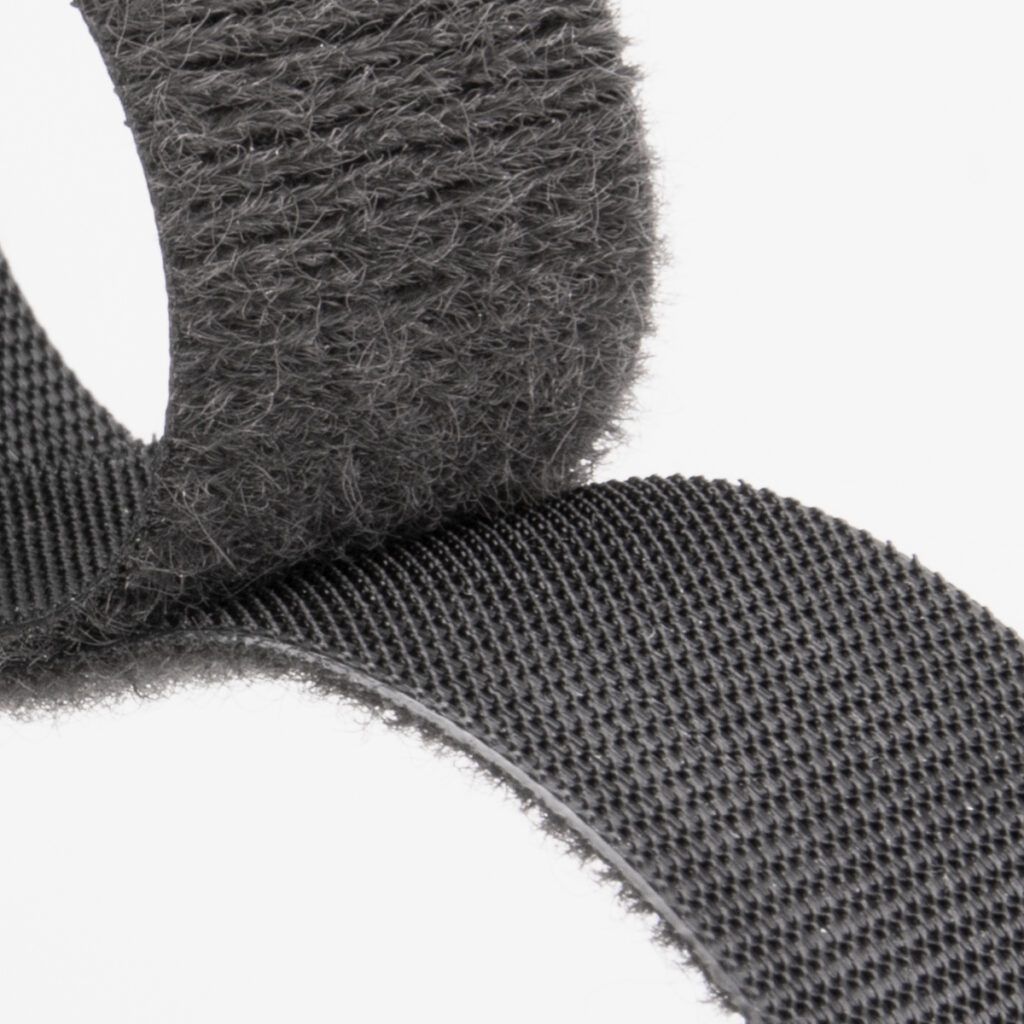
Credit: www.velcro.com
Common Uses
Hook and loop fasteners are simple yet effective tools used in many areas. They hold things together without buttons or zippers. Their ease of use and strength make them popular across different fields. Here are some common uses of hook and loop fasteners.
Clothing And Apparel
Hook and loop fasteners often replace buttons and zippers in clothing. They help with quick dressing and undressing. Kids’ clothes and shoes use these fasteners a lot. They also appear in adjustable straps on hats and gloves.
Home And Office
At home, these fasteners organize cables and hold curtains. They secure cushions and rugs in place. In offices, they keep wires tidy and attach items to walls. Their reusability adds convenience in many settings.
Sports And Outdoors
Sports gear often features hook and loop fasteners for easy adjustments. They secure pads, gloves, and helmets. Outdoor gear like tents and backpacks use them for quick setup and closure. Their strong grip works well in active conditions.
Medical Applications
Medical braces and supports use hook and loop fasteners for comfort. They allow easy fitting and removal. Hospital gowns and equipment straps also rely on them. Their gentle hold suits sensitive skin and frequent use.
Benefits Of Hook And Loop
Hook and loop fasteners offer many benefits. They simplify tasks and save time. Many industries and homes use them for various needs. Their design makes them a popular choice worldwide.
Ease Of Use
Hook and loop fasteners are simple to use. Just press the two sides together. No tools or special skills are needed. Opening and closing happens quickly and easily. This makes them great for all ages and abilities.
Durability
These fasteners last a long time. They resist wear and tear well. Even after many uses, they keep working strong. Their materials withstand dirt, moisture, and heat. This makes them reliable in many conditions.
Adjustability
Hook and loop fasteners allow easy adjustments. You can change tightness or fit instantly. This flexibility suits changing needs or sizes. It helps achieve comfort in clothes, shoes, and gear. Adjust as often as needed without damage.
Safety Features
Hook and loop fasteners are safer than many alternatives. They avoid sharp edges or pins. This lowers the risk of cuts or injuries. Their secure hold prevents accidental openings. Safe for children and adults in many uses.
Choosing The Right Fastener
Choosing the right hook and loop fastener is key for a secure hold. Different uses need different types of fasteners. Picking the right one saves time and avoids frustration. Consider size, strength, environment, and surface compatibility.
Size And Strength
Fasteners come in many sizes and strengths. Small fasteners work well for light tasks like crafts. Larger, stronger fasteners suit heavy-duty needs like outdoor gear. The size affects how much weight the fastener can hold. Choose one that matches your project’s demands.
Environmental Factors
Think about where the fastener will be used. Some fasteners resist water, heat, and cold better than others. Outdoor uses need fasteners that withstand rain and sun. Indoor fasteners do not need the same durability. Match the fastener to the environment for longer life.
Compatibility With Surfaces
Fasteners stick best to certain surfaces. Smooth surfaces like plastic need different fasteners than rough fabrics. Some fasteners have adhesive backs for easy sticking. Others sew directly onto fabric or gear. Check the surface type before choosing the fastener.
Maintenance Tips
Proper care keeps hook and loop fasteners working well. Regular maintenance stops dirt buildup and damage. This section shares simple tips to clean, protect, and fix these fasteners. Follow these steps to keep them strong and lasting longer.
Cleaning Techniques
Remove loose dirt with a soft brush or cloth. Use tweezers to pull out stuck threads or debris. Wash with mild soap and warm water for deeper cleaning. Avoid harsh chemicals that weaken the hooks and loops. Let the fastener air dry completely before using again.
Extending Lifespan
Close the fastener before washing or storing. This prevents hooks from catching on other items. Avoid heat sources like dryers or irons that can melt the material. Store in a dry place away from dust and moisture. Regular cleaning and careful handling extend its life.
Troubleshooting Common Issues
Loose hooks or loops reduce fastening strength. Use a fine needle to realign bent hooks gently. Replace the fastener if many hooks are missing or worn out. Sticky residue may come off with rubbing alcohol on a cloth. Quick fixes keep the fastener working well.
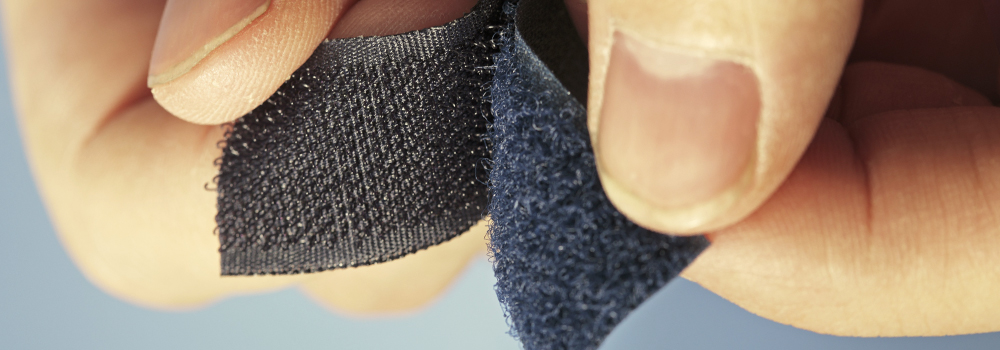
Credit: www.displays2go.com
Innovations And Trends
Hook and loop fasteners have changed a lot over the years. New ideas and trends make them better for many uses. These changes help the fasteners work well and meet new needs.
Fastener makers focus on materials that help the planet. Smart technology also plays a role. Design changes improve comfort and strength.
Eco-friendly Options
Many hook and loop fasteners now use recycled materials. This reduces waste and saves resources. Some are made to break down naturally. They help reduce pollution and protect the environment.
Manufacturers also use less plastic in production. This makes the fasteners lighter and greener. Eco-friendly fasteners are popular in clothes and packaging.
Smart Fasteners
Smart hook and loop fasteners include sensors or electronics. They can track use or control devices. For example, some fasteners change color with temperature.
Others connect to apps for easy adjustment. These smart fasteners improve safety and convenience. They are useful in sports and healthcare.
Design Enhancements
Designers improve fasteners for better grip and comfort. New shapes and sizes fit different needs. Some fasteners close quietly, ideal for schools or offices.
Durable coatings protect fasteners from water and dirt. This extends their life in tough conditions. Design changes also make fasteners easier to use for all ages.

Credit: en.wikipedia.org
Frequently Asked Questions
What Is A Hook And Loop Fastener?
A hook and loop fastener is a two-part fastening system. One side has tiny hooks, the other has soft loops. When pressed together, they create a secure bond that can be easily separated.
How Does A Hook And Loop Fastener Work?
The hooks catch onto the loops when pressed together. This interlocking creates a strong hold that resists pulling apart. It is reusable and adjustable for various applications.
Where Are Hook And Loop Fasteners Commonly Used?
They are used in clothing, shoes, bags, and medical devices. Industries like sports, automotive, and home organization also rely on them for convenience.
What Materials Are Used In Hook And Loop Fasteners?
Typically, nylon or polyester is used for both hooks and loops. These materials offer durability, flexibility, and resistance to wear and tear.
Conclusion
Hook and loop fasteners are simple and useful. They hold things tightly and open easily. People use them in clothes, shoes, and bags. They save time and effort every day. This fastener is strong but gentle on materials. It works again and again without losing grip.
Understanding how it works helps choose the right fastener. Easy to use and reliable for many tasks. A small thing that makes life smoother.