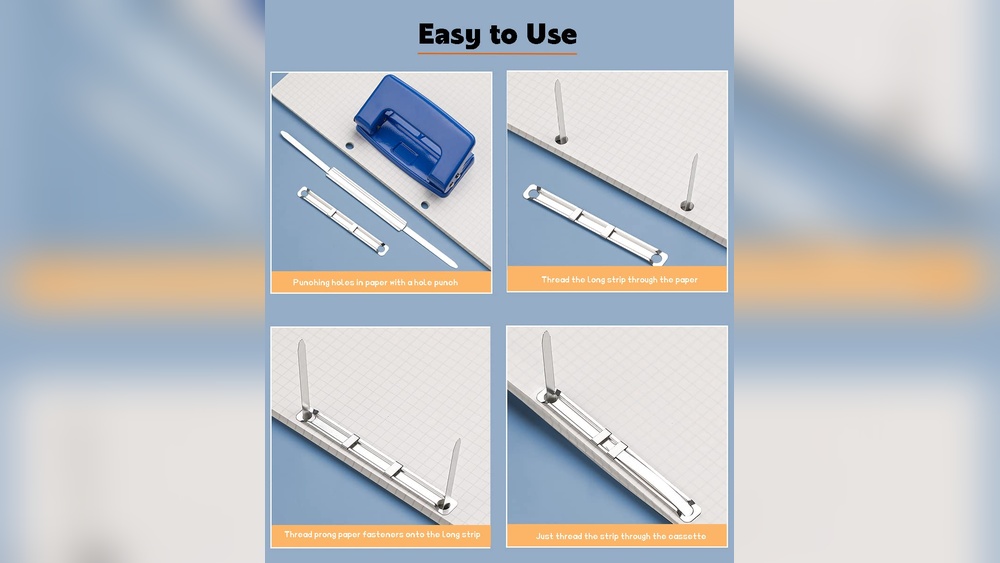
Have you ever struggled to put something together because you weren’t sure how to use a fastener? Whether you’re fixing furniture, building a shelf, or tackling a DIY project, knowing how to use fasteners correctly can save you time and frustration.
You’ll discover simple steps and practical tips that make fastening easy and effective. Keep reading, and you’ll gain the confidence to handle any fastener like a pro.
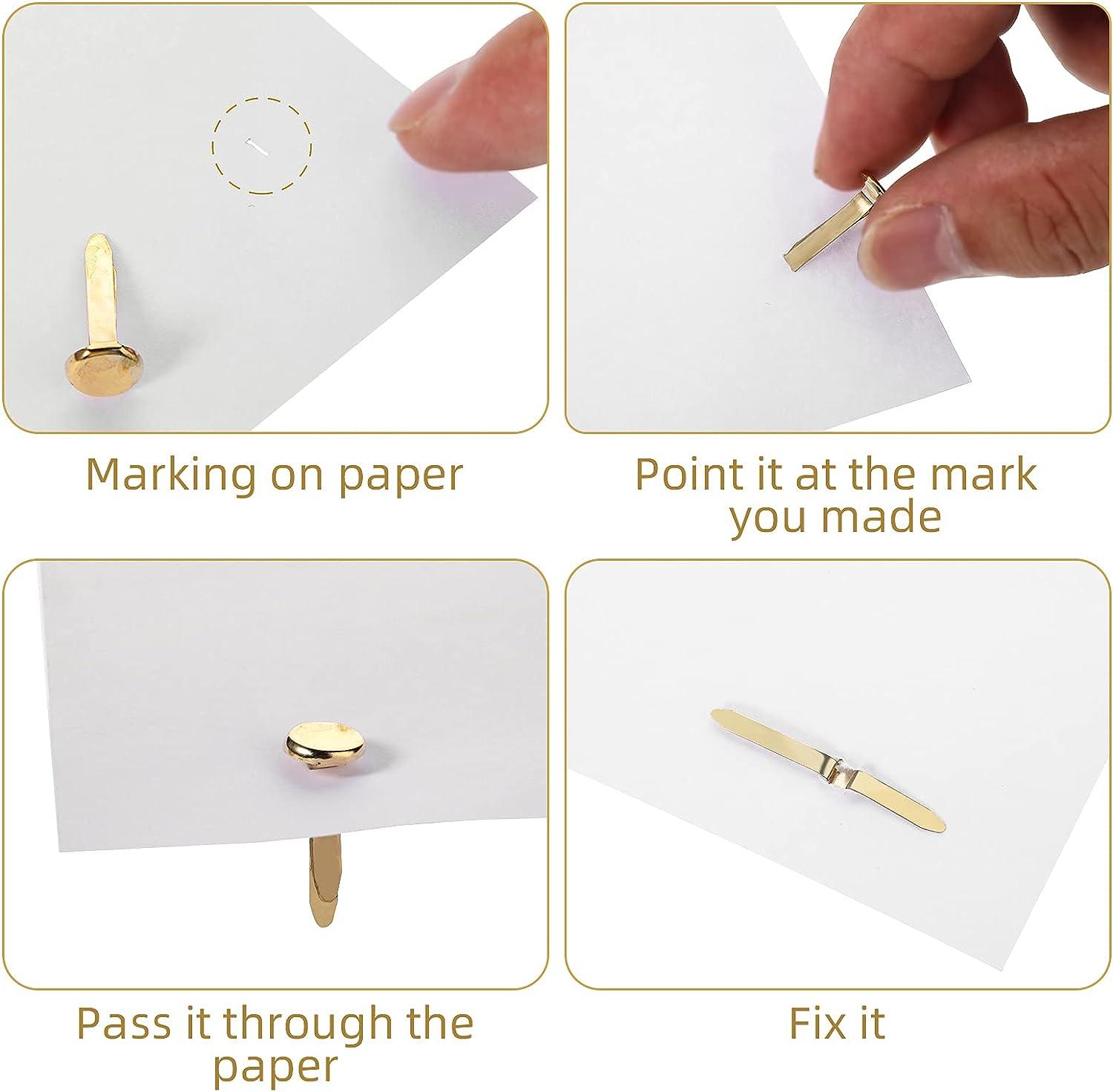
Credit: leetdorianhotel.net
Types Of Fasteners
Fasteners join materials together securely. Choosing the right type depends on your project. Different fasteners suit different materials and tasks. Understanding the main types helps you pick the best one.
Screws
Screws have threads that grip the material tightly. They come in many sizes and head shapes. Screws work well for wood, metal, and plastic. They hold materials firmly and are easy to remove.
Nails
Nails are simple and quick to use. They have a smooth shaft and a flat head. Nails work best for wood and light materials. They hold parts together but are harder to remove than screws.
Bolts
Bolts use nuts to hold materials together. They offer strong and stable connections. Bolts are common in heavy-duty projects. Use bolts when you need to join thick or metal parts.
Rivets
Rivets create permanent joins. They need special tools to install. Rivets are good for metal or thin materials. They hold parts tightly and do not loosen over time.
Anchors
Anchors secure fasteners in walls or concrete. They expand to grip inside the material. Anchors work well for heavy objects on drywall or masonry. Use anchors to prevent fasteners from pulling out.
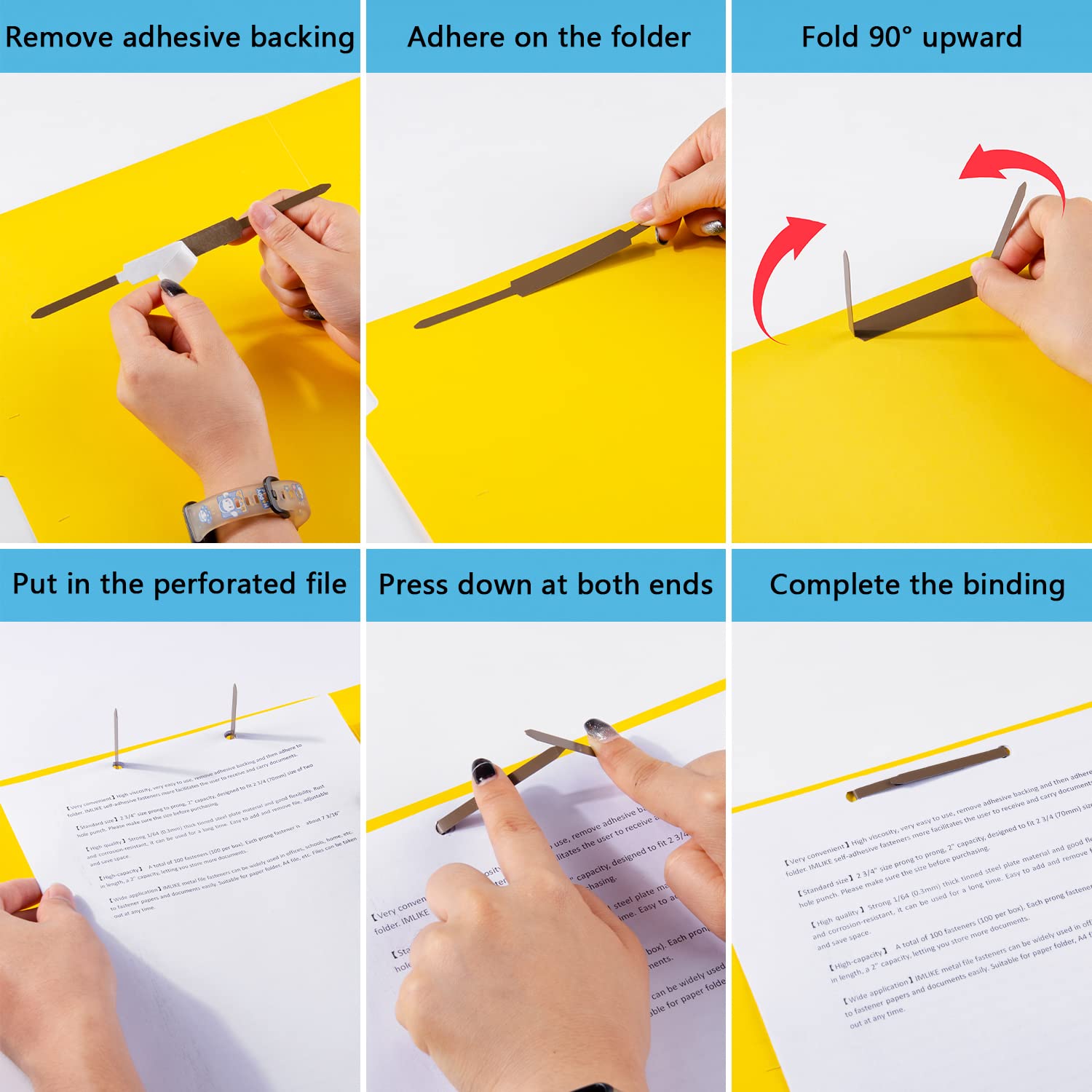
Credit: www.amazon.sa
Choosing The Right Fastener
Choosing the right fastener is key to a strong and safe assembly. The wrong fastener can cause parts to fail or break. Consider different factors to pick the best fastener for your project. Material, load, environment, and size all play important roles. This guide helps you make the right choice.
Material Compatibility
Fasteners must match the materials they join. Metal fasteners work well with metal parts. Plastic parts need plastic or special fasteners to avoid damage. Different metals can cause rust or corrosion when combined. Choose fasteners that do not react with the materials. This prevents weakening or failure over time.
Load Requirements
Consider how much weight or force the fastener must hold. Heavy loads need strong fasteners made from steel or other tough metals. Light loads can use smaller or weaker fasteners. Think about whether the load is steady or changes often. Select fasteners that keep parts secure under all conditions.
Environment Considerations
The place where the fastener will be used affects the choice. Outdoors, use rust-resistant fasteners like stainless steel. Wet or salty environments need fasteners that resist corrosion. High temperatures require fasteners made from heat-resistant materials. Match the fastener to the environment for longer life.
Fastener Sizes
Size matters for both strength and fit. Fasteners too small can break or loosen. Too large fasteners may damage parts. Measure the thickness of the parts to join. Check the fastener length and diameter to match. Use the right size for a tight and safe fit.
Essential Tools For Fastening
Fastening requires the right tools to make tasks easier and safe. Using proper tools saves time and prevents damage to materials. Below are key tools every beginner should have for fastening jobs.
Screwdrivers And Drills
Screwdrivers come in different types like flathead and Phillips. Choose the right one for your screw to avoid stripping. Drills help insert screws faster and with less effort. Cordless drills offer good mobility for many projects.
Wrenches And Pliers
Wrenches tighten and loosen nuts and bolts. Adjustable wrenches fit various sizes for convenience. Pliers grip and bend wires or small parts. Needle-nose pliers reach tight spaces with precision.
Measuring Tools
Accurate measuring ensures correct fit and alignment. Tape measures and rulers are basic tools to measure length. A level helps keep surfaces straight and balanced. Marking tools like pencils improve cutting and drilling accuracy.
Safety Gear
Safety gear protects from injuries during fastening tasks. Gloves guard hands against cuts and scrapes. Safety glasses shield eyes from flying debris. Ear protection reduces noise from power tools.
Preparing Materials
Preparing materials is the first step before using any fastener. Proper preparation ensures strong and secure connections. It also helps prevent damage to the materials. Taking time to prepare can save effort and fix problems later.
Marking And Measuring
Start by marking the exact spots for the fasteners. Use a pencil or marker that shows clearly on the surface. Measure twice to avoid mistakes. Precise marks guide where to place the fasteners. This step helps keep everything aligned and straight.
Pre-drilling Holes
Pre-drilling holes makes inserting fasteners easier. Use a drill bit slightly smaller than the fastener. This prevents wood or other materials from splitting. Drilling also helps fasteners go in smoothly and hold better. Always wear safety glasses while drilling.
Surface Preparation
Check the surface where the fastener will go. Clean dirt, dust, or grease for better grip. Sand rough areas to create a smooth spot. A clean surface helps fasteners stay tight longer. Good surface preparation improves overall strength.
Step-by-step Fastening Techniques
Fastening is an important skill for many projects. Using the right technique helps the fastener hold better and last longer. Follow these simple steps to use fasteners correctly. Each method needs care and attention to get the best results.
Driving Screws Correctly
Start by choosing the right screw for your material. Use a screwdriver or drill with the correct bit size. Hold the screw straight to avoid bending. Apply steady pressure while turning the screw. Stop when the screw is snug but not too tight. Over-tightening can strip the hole or break the screw.
Hammering Nails Safely
Pick a nail size that fits your project. Hold the nail near its head with your fingers. Tap the nail lightly to set it in place. Then, use stronger hits to drive it deeper. Keep your fingers clear after the first few taps. Use a steady, controlled swing to avoid bending the nail.
Tightening Bolts And Nuts
Choose the correct size wrench or socket. Place the bolt and nut so they align properly. Turn the wrench clockwise to tighten. Apply firm and even pressure. Avoid over-tightening to prevent damage. Check the fit and adjust if needed for a secure hold.
Using Rivets And Anchors
Select the right rivet or anchor for the material. Drill a hole that matches the fastener size. Insert the rivet or anchor firmly into the hole. Use a rivet gun or hammer as required. Ensure the fastener is flush and secure. Test the hold before finishing the project.
Common Mistakes To Avoid
Fasteners hold materials together. Using them correctly ensures strong and safe results. Many people make simple mistakes that cause problems. Avoid these errors to save time and effort. Learn what to watch out for when using fasteners.
Over-tightening
Applying too much force can strip threads or break the fastener. Over-tightening weakens the hold and can damage materials. Tighten fasteners until snug, then stop. Use a torque wrench if possible. This prevents damage and maintains strength.
Using Wrong Fasteners
Choosing the wrong fastener type or size leads to poor connections. Fasteners come in many shapes and materials. Match the fastener to the job and material. Using the wrong fastener can cause loosening or failure over time.
Ignoring Material Damage
Check materials before fastening. Cracks or soft spots reduce strength. Fastening damaged material can cause bigger breaks. Prepare surfaces properly and avoid driving fasteners near edges. Protect materials to keep joints secure.
Skipping Safety Precautions
Fastening involves sharp tools and force. Skipping safety puts you at risk of injury. Wear gloves and eye protection. Use tools correctly and keep hands clear. Safety helps you finish the job without harm.
Maintenance And Removal Tips
Maintaining fasteners is important for safety and durability. Proper care helps avoid damage and keeps things working well. Removing fasteners the right way prevents harm to both the fastener and the material.
Inspecting Fasteners Regularly
Check fasteners often to catch problems early. Look for rust, cracks, or looseness. Tighten any loose fasteners carefully. Replace fasteners that show signs of wear or damage. Regular checks extend the life of your items.
Loosening And Removing Safely
Use the correct tool for each fastener. Turn slowly to avoid stripping the head. Apply steady pressure to loosen stuck fasteners. If a fastener resists, use penetrating oil and wait. Avoid using excessive force to prevent damage.
Replacing Damaged Fasteners
Remove damaged fasteners completely before replacement. Match new fasteners to size and type needed. Use quality fasteners for a secure fit. Tighten replacements to the proper torque level. Proper replacement ensures lasting hold and safety.

Credit: m.made-in-china.com
Advanced Fastening Tricks
Advanced fastening tricks help improve your work quality and speed. These methods go beyond basic screwing or nailing. They make your projects stronger and more durable. Using the right trick saves time and prevents damage.
Using Adhesives With Fasteners
Combining adhesives with fasteners boosts joint strength. Adhesives fill gaps and stop movement. They also reduce vibration and noise. Apply glue on surfaces before fastening. Let it dry slightly for better hold. This method works well on wood, metal, and plastic.
Fastening In Tight Spaces
Tight spaces need special tools and techniques. Use angled drivers or flexible shafts to reach screws. Magnetic tips help hold fasteners in place. A small ratchet wrench can turn bolts where a regular tool won’t fit. Plan your fastening order to avoid blocking access.
Securing Heavy Loads
Heavy loads require strong fasteners and proper placement. Use larger screws or bolts made of hardened steel. Spread fasteners evenly to share weight. Add washers to prevent fasteners from pulling through material. Double-check tightness after installation for safety.
Frequently Asked Questions
What Types Of Fasteners Are Commonly Used?
Common fasteners include screws, bolts, nuts, nails, and rivets. Each type suits different materials and applications. Selecting the right fastener depends on the project’s strength and durability needs.
How Do I Choose The Right Fastener Size?
Choose a fastener size based on material thickness and load requirements. Measure carefully and check manufacturer guidelines to ensure a secure fit. Proper sizing prevents damage and improves joint strength.
Can I Reuse Fasteners Safely?
Reusing fasteners is possible if they are undamaged and clean. Inspect for wear, rust, or bending before reuse. Damaged fasteners can compromise safety and should be replaced.
What Tools Are Needed To Use Fasteners Effectively?
Common tools include screwdrivers, wrenches, pliers, and drills. Choose tools compatible with your fastener type for efficient installation. Proper tools ensure secure fastening and prevent damage.
Conclusion
Using a fastener is simple once you know the steps. Choose the right fastener for your project. Make sure you have the correct tools. Always check the fit before tightening. Take your time to avoid mistakes. Practice helps you get better.
Fasteners hold things firmly and keep them safe. You can fix many items with basic fastener skills. Keep learning and try new types of fasteners. Soon, you will feel confident using them in any task.


