Are you ready to transform your outdoor space with a sleek, modern deck that looks great and lasts for years? Installing composite deck boards with hidden fasteners is the secret to achieving a clean, professional finish without visible screws or nails.
In this guide, you’ll discover simple, step-by-step instructions to make the installation process smooth and stress-free. Whether you’re a beginner or have some DIY experience, you’ll learn how to save time, avoid common mistakes, and get stunning results that will impress your friends and family.
Let’s dive in and make your deck the highlight of your home!

Credit: www.youtube.com
Choosing Composite Deck Boards
Choosing the right composite deck boards is key for a strong and beautiful deck. The choice affects the deck’s look, feel, and how long it lasts. Understanding the types of materials, color options, and care needs helps you pick the best boards for your space.
Types Of Composite Materials
Composite deck boards come in several types. Wood-plastic composite mixes wood fibers with plastic for a natural look. Some boards are made from capped composite, which adds a protective layer for extra durability. Other options use recycled plastics for eco-friendly choices. Each type offers different strengths and feels.
Color And Texture Options
Composite boards come in many colors and textures. Some mimic real wood grains, adding charm and warmth. Colors range from natural browns to grays and even bold tones. Textured surfaces provide grip and reduce slipping. Choose a color and texture that fits your home’s style and your personal taste.
Durability And Maintenance
Composite deck boards resist rot, insects, and warping. They need less upkeep than wood. Cleaning requires just soap and water. Most boards do not need staining or sealing. Checking the warranty can help gauge how long the boards last. Durable boards save time and money over the years.
Selecting Hidden Fasteners
Selecting the right hidden fasteners is key to a strong and clean composite deck. These fasteners keep boards secure without visible screws. Choosing the correct type makes installation easier and ensures long-lasting durability.
Fastener Compatibility
Check if the fastener fits your composite deck boards. Some fasteners only work with specific brands or board styles. Using the wrong fastener can damage the boards or fail to hold them properly. Match the fastener size and shape to your decking material for the best fit.
Materials And Coatings
Fasteners come in various materials like stainless steel, aluminum, or plastic. Stainless steel resists rust and lasts longer outdoors. Coated fasteners offer extra protection against weather and corrosion. Choose materials that suit your climate and the deck’s exposure to sun and rain.
Tools Required
Hidden fasteners often need special tools for installation. Some require a specific driver or clip tool to snap them into place. Make sure you have the right drill bits and drivers. Having the correct tools speeds up the work and prevents damage to boards or fasteners.
Preparing The Deck Frame
Preparing the deck frame is a key step before installing composite deck boards with hidden fasteners. A strong frame ensures the deck stays stable and lasts long. Take time to check the frame carefully. Fix any problems to create a solid base for your new deck.
Inspecting And Repairing Joists
Start by examining all joists for damage or rot. Look for cracks, splits, or soft spots in the wood. Replace any joists that are weak or broken. Use wood preservative on joists that are still good but show signs of wear. This keeps the frame safe from insects and moisture.
Ensuring Proper Spacing
Check the spacing between joists before installing the deck boards. Composite boards need specific gaps to allow for expansion and air flow. Usually, joists should be 16 inches apart, but follow the board manufacturer’s guidelines. Correct spacing prevents warping and helps hidden fasteners work well.
Leveling The Frame
Use a level tool to make sure the frame is even. Uneven joists cause the deck boards to look crooked or feel unstable. Adjust the frame by adding shims or sanding high spots. A level frame creates a smooth, safe surface for your composite deck boards.
Credit: www.fastenmaster.com
Installing Composite Boards
Installing composite boards with hidden fasteners creates a clean, professional look. This method hides screws or nails beneath the board edges. It also helps protect the fasteners from weather damage.
Follow simple steps to ensure a strong, lasting deck surface. Start by preparing the deck frame. Check that it is level and secure before beginning.
Laying The First Board
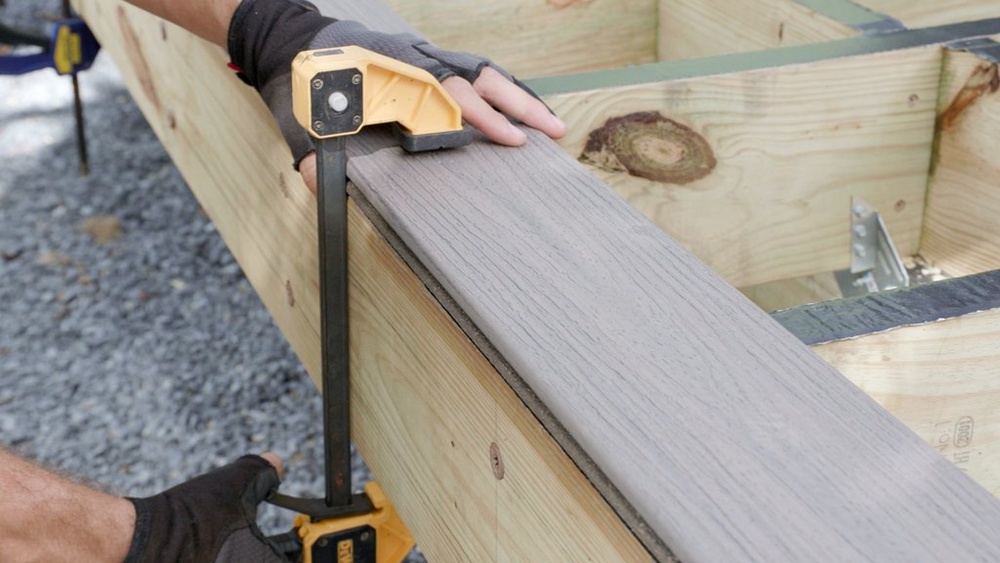
Place the first composite board along the edge of the deck frame. Align it carefully to keep the deck straight. Use a level to check the board’s position. This board sets the line for all others.
Securing With Hidden Fasteners
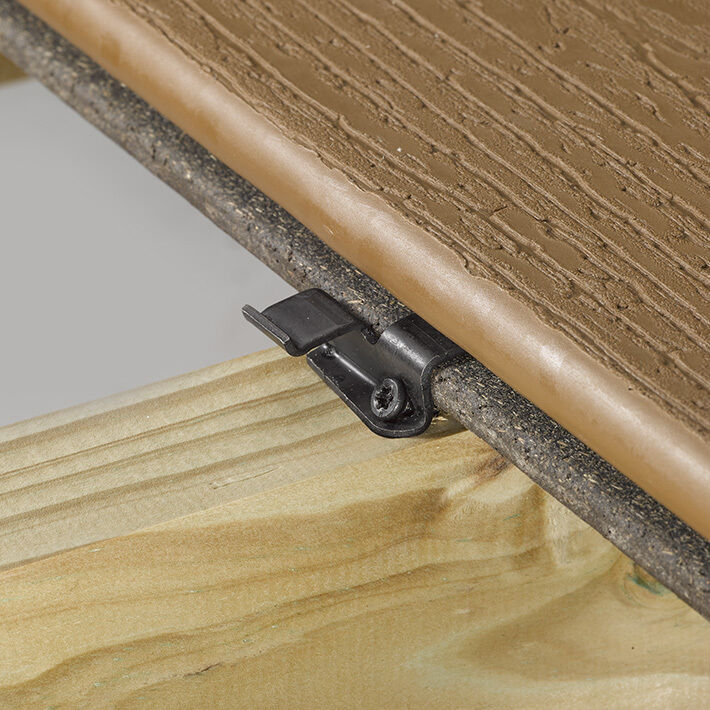
Attach hidden fasteners to the deck frame along the edge of the board. These clips hold the board without visible screws. Use a drill to secure the fasteners firmly. Push the next board into the fasteners until it snaps in place.
Spacing Between Boards
Leave a small gap between boards for drainage and expansion. Most manufacturers suggest 1/8 inch space. Use spacers to keep gaps even and consistent. Proper spacing prevents warping and allows water to drain.
Finishing Touches
Finishing touches are key to a beautiful composite deck. They give your deck a clean, polished look. These steps also protect your deck from wear and tear. Proper finishing ensures your deck lasts longer and stays safe.
Trimming Edges
Trim the edges of your deck boards carefully. Use a fine-toothed saw for smooth cuts. Cut along the board’s edge for a neat finish. Check for any rough spots and sand them down. Clean edges make your deck look professional and tidy.
Installing Fascia Boards
Fascia boards cover the deck’s frame sides. They hide the structure and improve the deck’s appearance. Measure the sides and cut fascia boards to size. Attach them with screws or hidden fasteners. Make sure they fit snugly for a seamless look.
Cleaning And Sealing
Clean the deck surface before sealing. Remove dirt, dust, and any debris with a broom or cloth. Use a mild soap and water solution for stubborn stains. Let the deck dry completely. Apply a sealant designed for composite materials. Sealing protects your deck from moisture and fading.
Common Installation Mistakes
Installing composite deck boards with hidden fasteners can be tricky. Many common mistakes can reduce the deck’s lifespan and look. Avoiding these errors ensures a strong, beautiful deck that lasts for years. Focus on key areas like board warping, fastener placement, and water damage prevention.
Avoiding Board Warping
Warping happens when boards dry unevenly or get too hot. Always leave space between boards for air to flow. This helps the boards stay flat and strong. Avoid installing boards too tight against each other or against walls. Choose boards with good quality to reduce warping risks.
Proper Fastener Placement
Place hidden fasteners correctly to avoid loose boards or damage. Follow the manufacturer’s guidelines for spacing and positioning. Fasteners too close to the board edge can cause cracking. Use the right tools to ensure fasteners sit flush and secure. Check each fastener during installation for proper hold.
Preventing Water Damage
Water can cause mold, rot, and damage to composite decks. Ensure proper drainage by sloping the deck slightly. Keep gaps between boards to let water escape. Avoid blocking water flow under the deck. Clean debris regularly to prevent moisture buildup. Use water-resistant materials on supporting structures.

Credit: www.arcadecks.com
Frequently Asked Questions
What Tools Are Needed For Hidden Fastener Installation?
You need a drill, composite deck screws, a hidden fastener system, a tape measure, and a saw. These tools ensure precise and secure installation of composite deck boards with hidden fasteners.
How Do Hidden Fasteners Improve Deck Appearance?
Hidden fasteners eliminate visible screws on deck surfaces. This creates a sleek, smooth, and more attractive deck finish. It also reduces tripping hazards and makes cleaning easier.
Can I Install Composite Boards Over Existing Wood Decks?
Yes, you can install composite boards over wood decks if the structure is sound and level. Use appropriate fasteners and ensure adequate spacing for ventilation to prevent moisture buildup.
How Much Space Should Be Left Between Deck Boards?
Leave a 1/8 to 1/4 inch gap between boards. This spacing allows for natural expansion, proper drainage, and prevents warping or buckling of composite boards.
Conclusion
Installing composite deck boards with hidden fasteners creates a clean, smooth surface. This method hides screws, making your deck look neat and stylish. It also helps prevent injuries from exposed nails or screws. Follow each step carefully for a strong, lasting deck.
Take your time and check your work often. Soon, you will enjoy a beautiful deck that lasts for years. Simple tools and clear instructions make the job easier than you think. Start your project with confidence and enjoy your new outdoor space.