Have you ever wondered what keeps your clothes, furniture, or even machines firmly together? The answer lies in something simple but powerful—fastenings.
These small but crucial components hold things in place, making your daily life smoother and safer. Whether you’re fixing a broken chair or choosing materials for a project, understanding fastenings can save you time, money, and frustration. Keep reading to discover what fastenings really are, why they matter, and how knowing about them can make a difference in your work and life.
Types Of Fastenings
Fastenings hold things together. They keep parts connected and stable. Different tasks need different types of fastenings. Choosing the right type ensures strength and durability. Here are the main types of fastenings used in various projects.
Mechanical Fastenings
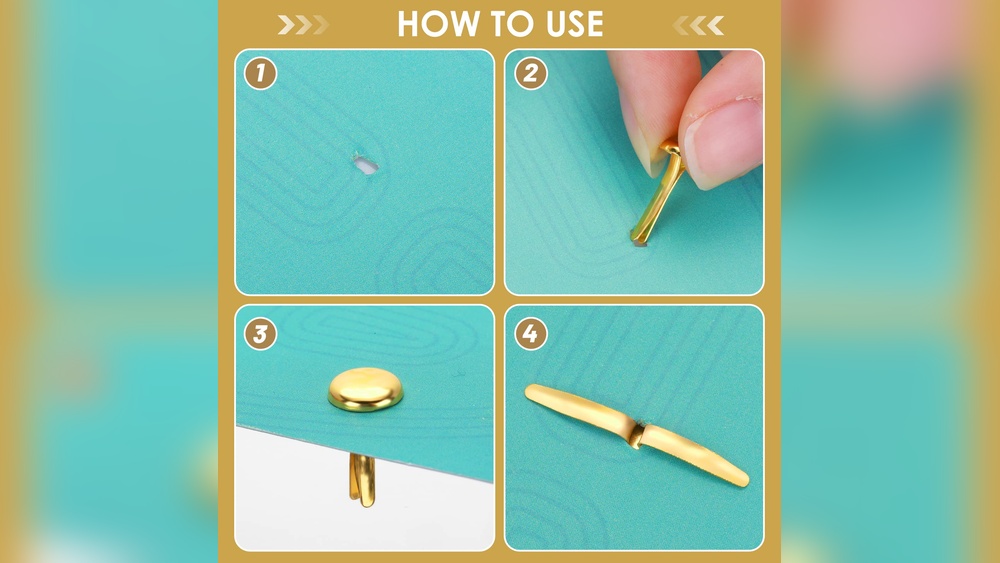
Mechanical fastenings join parts using physical components. Screws, bolts, and nuts are common examples. They allow easy assembly and disassembly. Nails and rivets also fall under this category. Mechanical fastenings provide strong and reliable bonds.
Adhesive Fastenings
Adhesive fastenings use glue or paste to bond surfaces. They spread evenly and fill gaps between parts. This type is useful for delicate materials. Adhesives can be flexible or rigid. They often prevent damage to the joined surfaces.
Welding And Soldering
Welding and soldering join metals by melting them together. Welding melts base metals to create a strong bond. Soldering uses a filler metal with a lower melting point. Both methods create permanent and durable joints. Used widely in metal construction and repairs.
Magnetic Fastenings
Magnetic fastenings use magnets to hold parts together. They allow quick attachment and removal. Magnets work best with metal surfaces. This fastening type is common in electronics and closures. It offers convenience without tools or damage.
Credit: favouritehub.com
Common Mechanical Fastenings
Mechanical fastenings hold parts together firmly. They are simple tools used in many projects. These fastenings make assembly quick and strong. Common types include nails, screws, bolts, nuts, rivets, clips, and clamps. Each type has a special use and design.
Nails And Screws
Nails are thin metal pins with a flat head. They are hammered into wood or other materials. Nails hold pieces tightly but can be removed with some effort.
Screws have a spiral thread and need a screwdriver. They grip materials better than nails. Screws create a stronger hold and are less likely to loosen.
Bolts And Nuts
Bolts are metal rods with threads along their length. They pass through holes in parts to join them. Nuts screw onto bolts to lock parts together.
This fastening allows easy assembly and disassembly. Bolts and nuts are common in machines and construction.
Rivets
Rivets are metal pins that join two pieces permanently. They are inserted into holes and then deformed to hold tight. Rivets are strong and used in aircraft and bridges.
They cannot be removed without damage. Rivets work well where a permanent join is needed.
Clips And Clamps
Clips and clamps hold parts without drilling holes. Clips snap over edges to keep pieces in place. Clamps squeeze parts together using pressure.
They allow quick assembly and easy adjustments. Clips and clamps are useful for temporary or adjustable fastening.
Adhesive Fastenings Explained
Adhesive fastenings join materials without screws or nails. They use sticky substances to hold parts together. This method is common in many industries and homes. It works well for different materials and shapes. Understanding adhesive fastenings helps choose the right type for a project.
Types Of Adhesives
There are many types of adhesives. Some common ones include epoxy, super glue, and hot glue. Epoxy is strong and good for metal and plastic. Super glue dries quickly and works on small surfaces. Hot glue melts and sticks fast, great for crafts and light materials.
Applications And Materials
Adhesives bond wood, metal, plastic, glass, and fabric. They are useful in construction, automotive, and electronics. Adhesives fix broken items and assemble new products. Some adhesives work better on porous materials like wood. Others suit smooth surfaces like metal or glass.
Advantages And Limitations
Adhesive fastenings avoid holes and damage to materials. They distribute stress evenly across the joint. This can make the bond stronger and last longer. Adhesives also allow joining of different materials easily. Limitations include less strength on heavy loads. Some adhesives take time to dry or cure. Temperature and moisture can affect their performance.
Specialized Fastenings
Specialized fastenings play a key role in many products we use daily. They offer unique ways to join materials securely and easily. These fastenings are designed for specific needs and bring convenience and strength. Understanding each type helps in choosing the right one for your project or product.
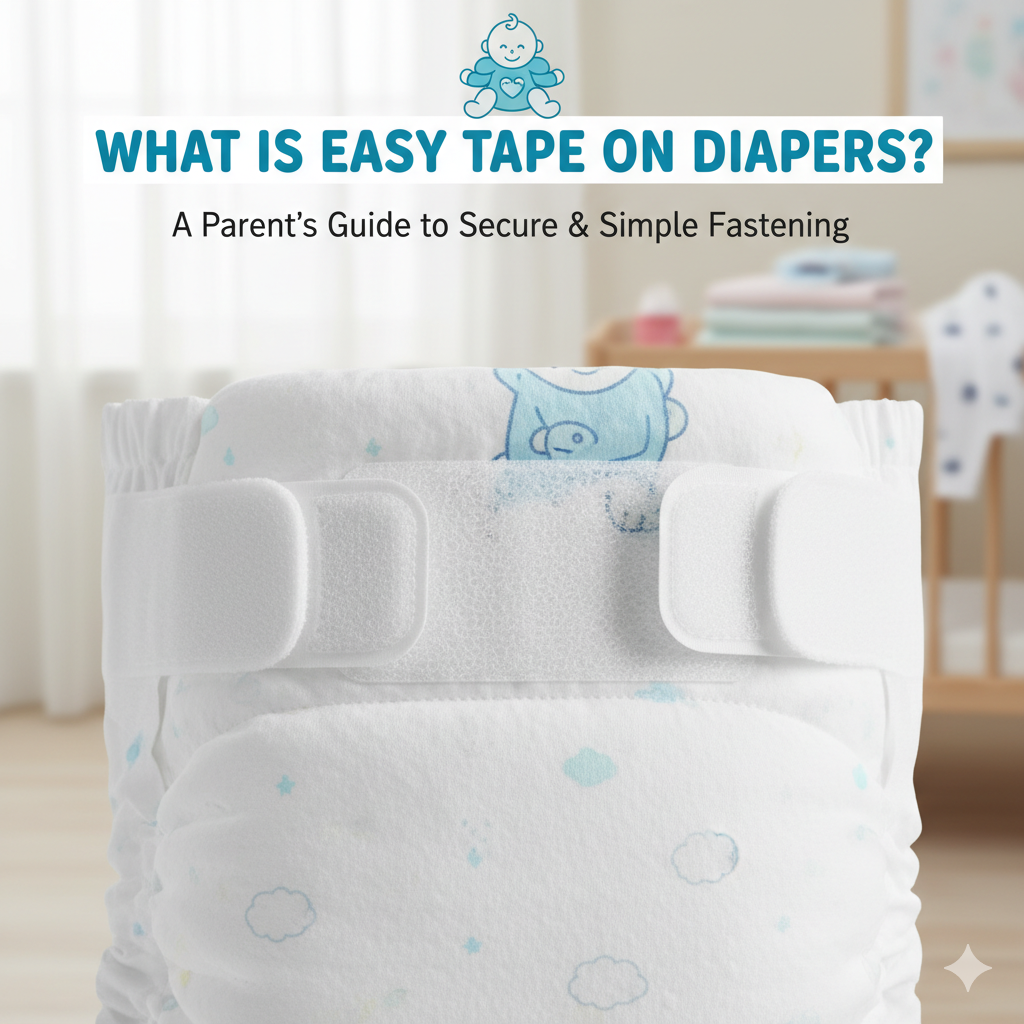
Hook And Loop
Hook and loop fastenings consist of two parts: hooks and loops. When pressed together, they stick firmly. They are easy to open and close multiple times. Commonly found on shoes, bags, and clothing, they offer quick fastening. This type is lightweight and flexible, ideal for many uses.
Zippers
Zippers join two fabric edges with interlocking teeth. They slide open and closed using a slider. Zippers are strong and keep items secure. Used in jackets, bags, and tents, they provide a tight seal. They come in various sizes and materials for different needs.
Snaps And Buttons
Snaps and buttons are simple fastenings that hold fabrics together. Snaps click into place and release easily. Buttons pass through holes or loops to fasten. Both are common in clothing and accessories. They add style and function with many designs and colors.
Choosing The Right Fastening
Choosing the right fastening is key for a strong and safe connection. Fastenings join parts together, so selecting the correct type affects the whole project. Consider the materials, how much load the fastening must hold, and the environment it faces. These factors guide your choice and ensure lasting results.
Material Compatibility
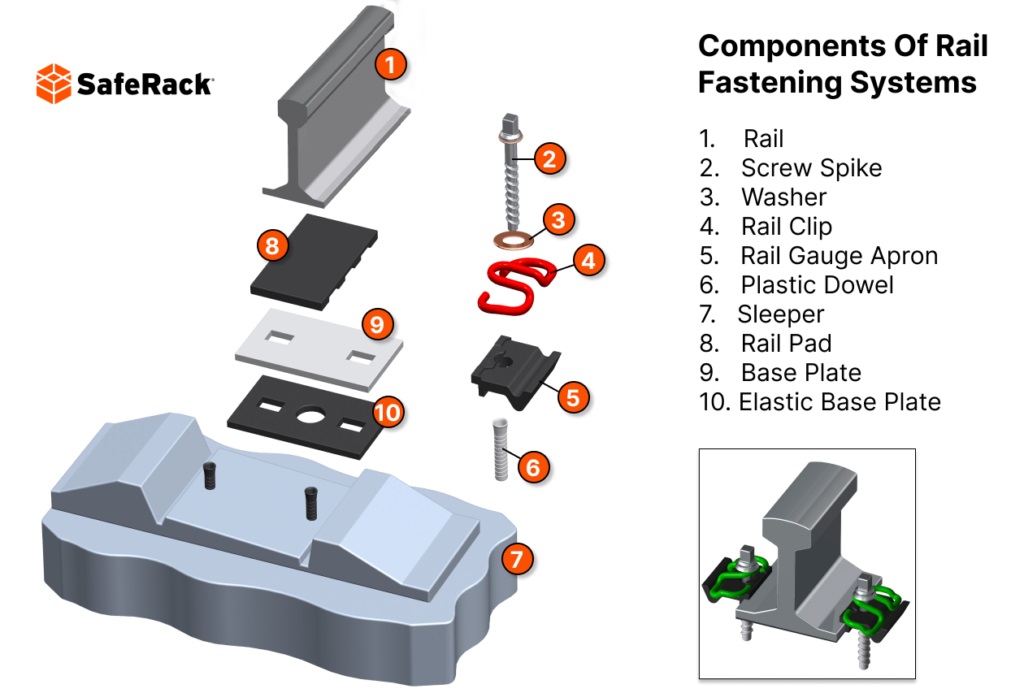
Match the fastening material with what you join. Use metal fasteners for metal parts. Wood needs screws or nails made for it. Using the wrong type can cause damage or weak joints. Some materials react with certain metals and cause rust or corrosion. Choose fasteners that work well with your materials to avoid problems.
Load And Strength Considerations
Think about the weight and stress on the fastening. Heavy loads need strong bolts or screws. Light loads can use smaller nails or clips. Check the size and type that can hold your load safely. Using a weak fastening can lead to breaks or accidents. Always pick fasteners that match the strength your project needs.
Environmental Factors
Consider where the fastening will be used. Outdoors needs fasteners that resist rust and weather. Indoor fasteners may not need special coatings. Wet or salty places require stainless steel or coated fasteners. Heat or chemicals can also affect fastener choice. Choose fasteners that can last in the environment around them.
Credit: saferack.com
Fastening Tools And Techniques
Fastening tools and techniques play a key role in joining materials securely. Choosing the right tools and methods ensures strong, lasting connections. Different projects need different approaches. Understanding these tools helps you work faster and smarter.
Hand Tools
Hand tools include screwdrivers, hammers, and pliers. These tools give full control over fastening. They work well for small jobs or tight spaces. Hand tools require no electricity. They are easy to carry and use anywhere.
Power Tools
Power tools like drills and impact drivers speed up fastening. They reduce effort and save time. These tools are perfect for large projects. Power tools handle screws, bolts, and nails quickly. Battery-powered options offer great mobility.
Installation Tips
Choose the right fastener for your material. Pre-drill holes to avoid splitting wood. Tighten fasteners firmly but avoid over-tightening. Check alignment before securing parts together. Use washers to spread pressure evenly. Clean the area before starting your work.
Safety And Maintenance
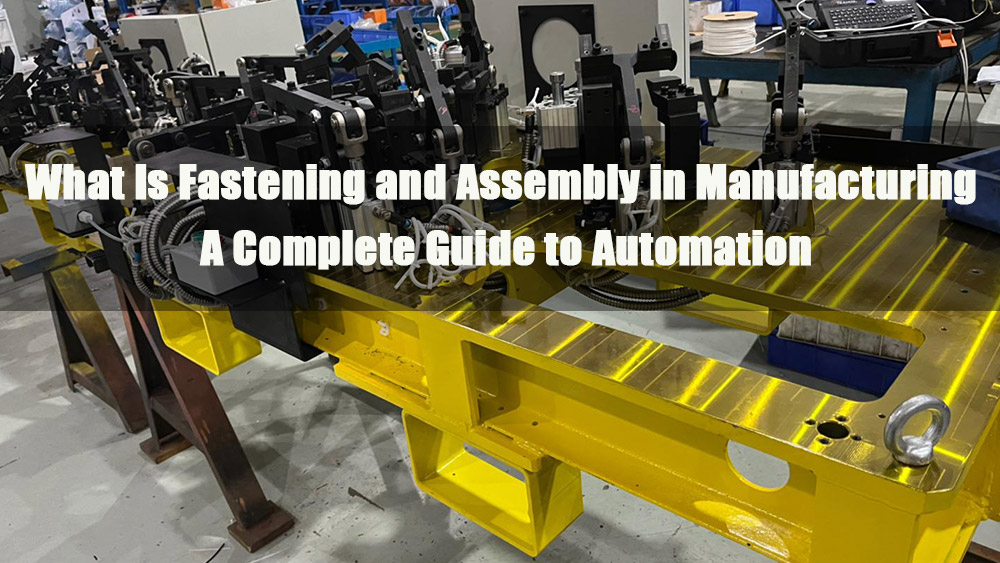
Safety and maintenance are key to using fastenings correctly. Poor care can cause accidents or damage. Regular checks keep structures strong and safe. Understanding how to inspect and maintain fastenings helps avoid risks and costly repairs.
Inspection Procedures
Start by looking closely at each fastening. Check for cracks, rust, or bending. Make sure screws and bolts are tight. Use a flashlight to spot hidden damage. Note any signs of wear or corrosion. Record your findings for future reference.
Common Failures
Fastenings often fail due to rust or loosening. Cracks and breaks are common signs of damage. Over-tightening can strip threads or break parts. Vibration can cause fastenings to loosen over time. Using the wrong type or size also leads to failure.
Replacement Guidelines
Replace fastenings if you see cracks or rust. Use the exact size and type needed. Avoid mixing metals to prevent corrosion. Always follow manufacturer instructions for installation. Replace fastenings after heavy stress or damage. Proper replacement keeps structures safe and stable.
Credit: www.alekvs.com
Frequently Asked Questions
What Are Fastenings Used For In Construction?
Fastenings secure materials together in construction, ensuring stability and safety. They include nails, screws, bolts, and rivets, each suited for different tasks and materials.
What Types Of Fastenings Exist?
Common fastenings include nails, screws, bolts, nuts, rivets, and clips. Each type serves specific purposes based on material compatibility and load requirements.
How To Choose The Right Fastening?
Select fastenings based on material type, load capacity, and environmental conditions. Proper choice ensures durability and structural integrity in any project.
Are Fastenings Reusable Or Single-use?
Some fastenings like screws and bolts are reusable, while nails and rivets are generally single-use. Reusability depends on design and application needs.
Conclusion
Fastenings hold parts together in many objects we use daily. They come in different types like screws, nails, and clips. Each fastening has a special job and fits certain materials. Choosing the right fastening keeps things strong and safe. Understanding fastenings helps in repairs and building projects.
Simple but important. Now you know why fastenings matter so much.