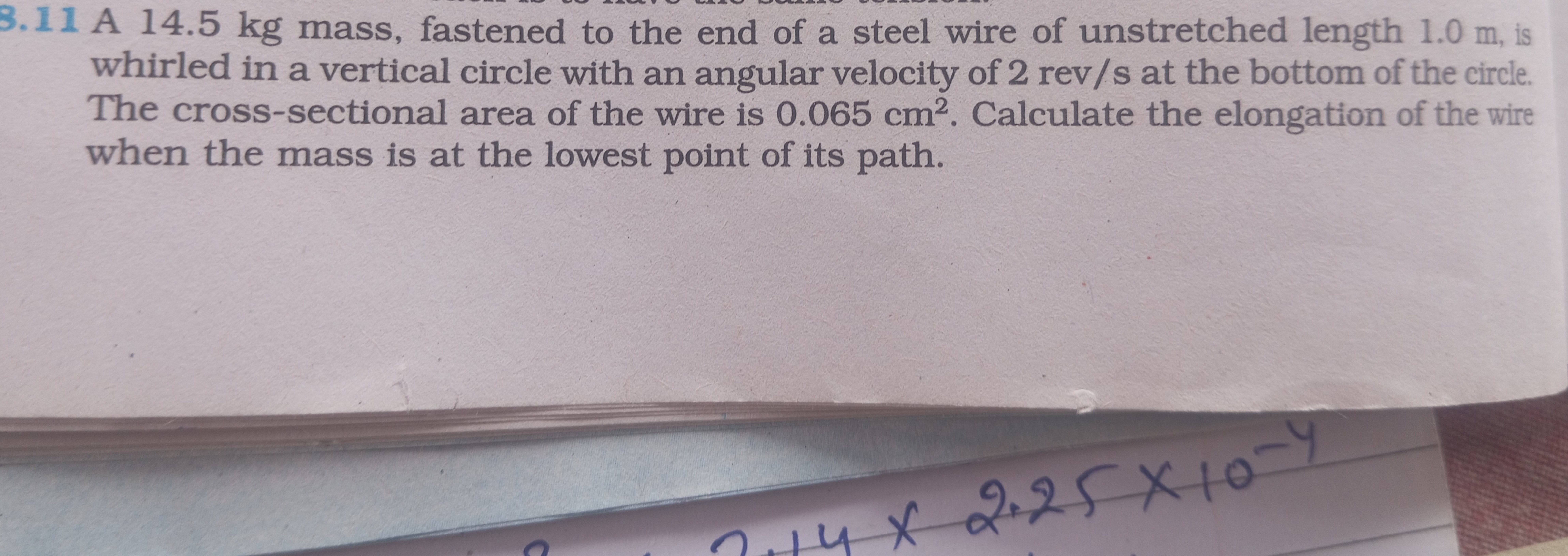
Imagine you have a 14.5 kg mass fastened securely in place. What happens next?
How does this simple setup affect motion, force, or balance? If you’ve ever wondered about the science behind weights and their impact, this article is for you. By understanding the basics of a mass fastened in different ways, you’ll unlock insights that can help you in everyday tasks, studies, or even your next project.
Stay with me, and you’ll discover how this seemingly simple object can teach you important lessons about physics and real-world applications.
Credit: askfilo.com
Choosing The Right Fastening Method
Choosing the right fastening method is key for securing a 14.5 kg mass safely. The right fastener keeps the load stable and prevents accidents. It also extends the life of the equipment. Understanding different fasteners, materials, and load capacities helps make the best choice.
Types Of Fasteners
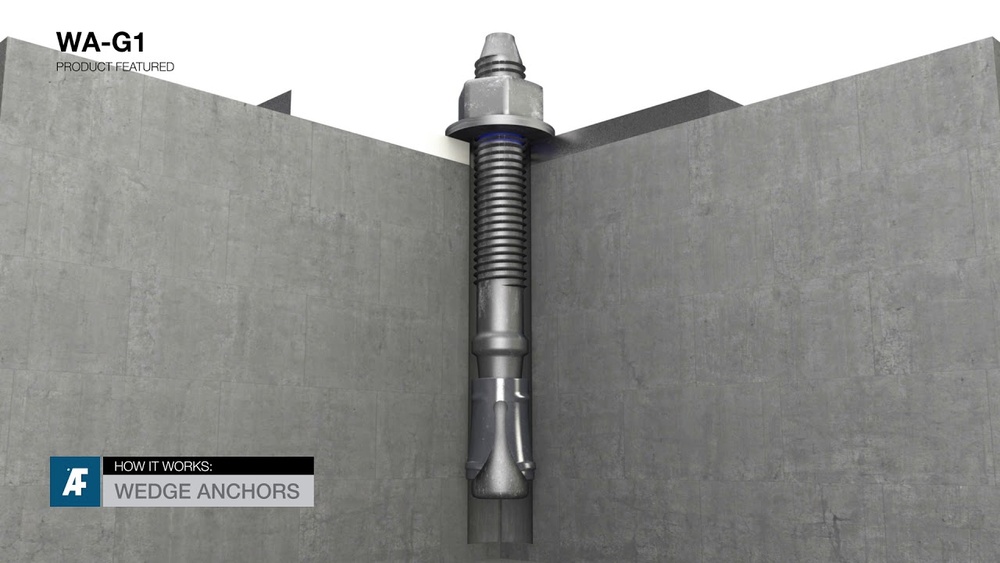
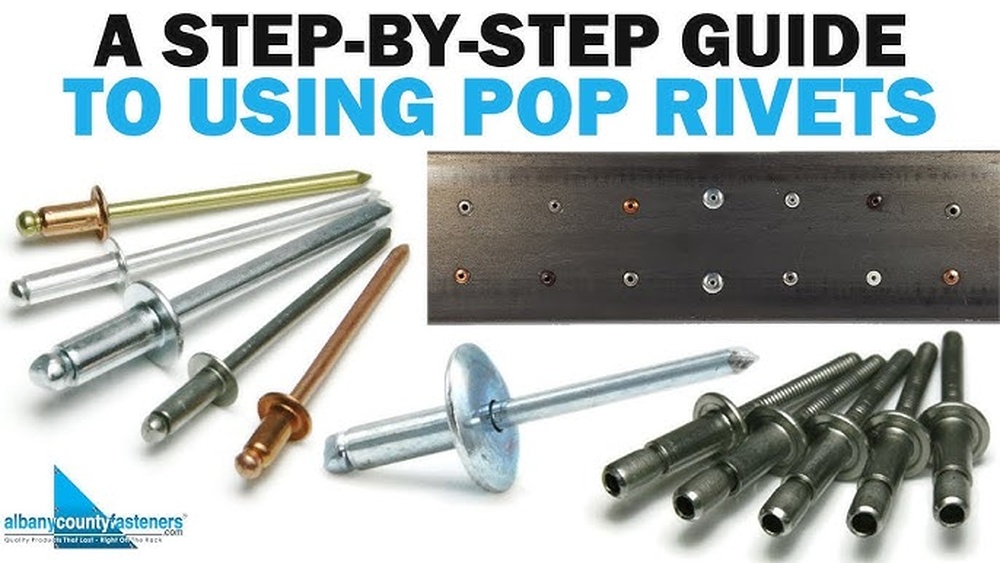
Fasteners come in many forms. Bolts, screws, nuts, and washers are common types. Each type serves a different purpose. Bolts are strong and good for heavy loads. Screws work well in wood or soft materials. Washers spread the load to avoid damage. Choose a fastener type that matches the material and weight.
Material Considerations
Material affects the strength and durability of the fastener. Steel fasteners are strong and resist wear. Stainless steel resists rust and works outdoors. Brass and aluminum are lighter but weaker. Match the fastener material to the environment and load needs. Avoid materials that corrode or weaken over time.
Load Capacity Ratings
Each fastener has a load capacity rating. This rating shows the maximum weight it can hold safely. Always pick fasteners with a rating above 14.5 kg. Consider safety factors to handle extra stress or shocks. Use load charts or consult product details to find the right rating. Proper capacity prevents failures and keeps the load secure.
Preparing The Mass For Securing
Preparing the 14.5 kg mass for securing is a crucial step. Proper preparation ensures safety and stability during use. It also helps avoid damage to the mass or the surface it attaches to. Careful preparation saves time and effort later.
Surface Inspection
Start by examining the surface where the mass will be fastened. Look for cracks, dirt, or uneven areas. Uneven surfaces reduce grip and cause instability. Check for moisture or rust that might affect adhesion. A clean, solid surface is best for securing the mass.
Cleaning And Treatment
Clean the surface thoroughly before attaching the mass. Use a brush or cloth to remove dust and debris. Apply a mild cleaner if needed to remove grease or oil. Allow the surface to dry completely. Treat any rust spots with rust remover or primer. This step improves the hold and extends the lifespan of the fastening.
Positioning Strategies
Choose the right position for the 14.5 kg mass carefully. Consider balance and center of gravity to prevent tipping. Mark the spot lightly before fastening. Make sure the mass will not block access or create hazards. Proper positioning ensures safety and ease of use.
Step-by-step Fastening Process
Fastening a 14.5 kg mass requires care and precision. Each step matters to ensure safety and stability. The process involves choosing the right tools, applying fasteners properly, and tightening them securely. Follow these steps for a strong and safe fastening.
Selecting Tools And Equipment
Choose tools that match the fasteners and the mass weight. Use strong, reliable fasteners like bolts or heavy-duty screws. Pick a wrench or screwdriver that fits the fasteners well. Avoid using worn or damaged tools to prevent slipping or stripping.
Applying Fasteners Correctly
Place the fastener in the right hole or slot. Align the mass carefully before inserting fasteners. Push or screw the fastener straight in to avoid bending. Check that each fastener sits flush against the surface for even support.
Tightening And Securing Techniques
Tighten fasteners steadily without rushing. Use a torque wrench if possible to get the right tightness. Avoid over-tightening to prevent damage to the mass or fasteners. Double-check all fasteners for firmness before finishing.

Credit: www.sarthaks.com
Safety Tips For Handling Heavy Masses
Handling heavy masses like a 14.5 kg weight requires care and attention. Safety is key to avoid injuries and accidents. Follow simple rules to protect yourself and others during lifting and moving tasks.
Proper Lifting Techniques
Bend your knees, not your back. Keep the object close to your body. Use your legs to lift, not your back muscles. Avoid twisting your body while lifting. Lift slowly and steadily to keep balance. Take breaks if the load feels too heavy.
Personal Protective Equipment
Wear gloves to improve grip and protect hands. Use sturdy shoes with good support and non-slip soles. Consider a back support belt for extra protection. Safety glasses can protect eyes from dust or debris. Dress in comfortable clothes that allow free movement.
Avoiding Common Hazards
Check the path before moving the weight. Remove any obstacles or slippery spots. Ask for help if the load is too heavy. Do not rush or take shortcuts. Be aware of your surroundings and other people nearby. Use tools like trolleys or lifts when possible.
Maintenance And Inspection
Maintaining and inspecting a 14.5 kg mass fastened is important for safety and performance. Regular care helps spot problems early. It also extends the life of the fastener. Proper checks keep the equipment working as it should.
Regular Check-ups
Check the fastener often. Look for any loose parts or unusual movements. Tighten bolts and screws to keep the mass secure. Clean the fastener to remove dirt and rust. Regular checks help avoid sudden failures.
Signs Of Wear And Damage
Watch for cracks or bends in the fastener. Rust or corrosion weakens the metal. Listen for strange noises during use. These signs show the fastener may fail soon. Early detection helps prevent accidents.
When To Replace Fasteners
Replace the fastener if it shows serious damage. If tightening does not hold it firm, change it. Fasteners with deep rust or cracks need replacement. Old fasteners lose strength and should be swapped out. Safety depends on strong, reliable fasteners.
Troubleshooting Common Issues
Troubleshooting common issues with a 14.5 kg mass fastened securely can save time and effort. Problems may arise from different sources. Knowing how to identify and fix these issues helps maintain safety and function.
Loose Fasteners
Loose fasteners cause instability in the setup. Check bolts and screws regularly. Tighten any that feel loose. Use a wrench or screwdriver to secure them firmly. Loose fasteners can lead to unwanted movement or failure.
Material Fatigue
Material fatigue happens over time due to stress. Look for cracks or bends in metal parts. Replace any damaged components immediately. Fatigue weakens the structure and may cause breaks. Regular inspections prevent serious damage.
Environmental Factors
Environmental factors impact the mass and fasteners. Moisture can cause rust and corrosion. Dust or dirt may clog moving parts. Keep the area clean and dry. Use protective coatings to reduce wear from weather.

Credit: www.youtube.com
Frequently Asked Questions
What Forces Act On A 14.5 Kg Mass Fastened?
A 14. 5 kg mass fastened experiences gravitational force downward. Tension or support force acts upward. Friction or air resistance may also apply depending on conditions.
How To Calculate Tension On A Fastened 14.5 Kg Mass?
Tension equals the gravitational force when stationary. Multiply mass (14. 5 kg) by gravity (9. 8 m/s²). Tension = 14. 5 × 9. 8 = 142. 1 N approximately.
Why Is Fastening Important For A 14.5 Kg Mass?
Fastening prevents movement and ensures safety. It supports the mass against gravity. Proper fastening avoids accidents and structural damage.
Can A 14.5 Kg Mass Cause Structural Strain?
Yes, the mass exerts force on its support. Over time, this can cause strain or damage. Proper materials and fastening reduce risks.
Conclusion
A 14. 5 kg mass fastened securely stays stable and safe. It affects motion and force in clear ways. Understanding its behavior helps in many tasks and projects. Simple steps keep the mass fixed and steady. This knowledge supports better handling in daily and technical work.
Always check fastenings to avoid problems and ensure safety. Small details make a big difference in managing weight. Keep these ideas in mind for smooth results.