Are you struggling to secure heavy objects to walls or concrete? Knowing how to use anchor fasteners can make your projects safer and more reliable.
Whether you’re hanging shelves, mounting TVs, or installing fixtures, the right anchor fastener can hold everything firmly in place. You’ll discover simple steps and tips that will help you choose and use anchor fasteners with confidence. Keep reading to unlock the secrets to stronger, more secure installations that last.
:max_bytes(150000):strip_icc()/how-to-use-and-discard-anchor-screws-1822671-003-05-a4247920f04c4a6788692e29d4c55add.jpg)
Credit: www.thespruce.com
Types Of Anchor Fasteners
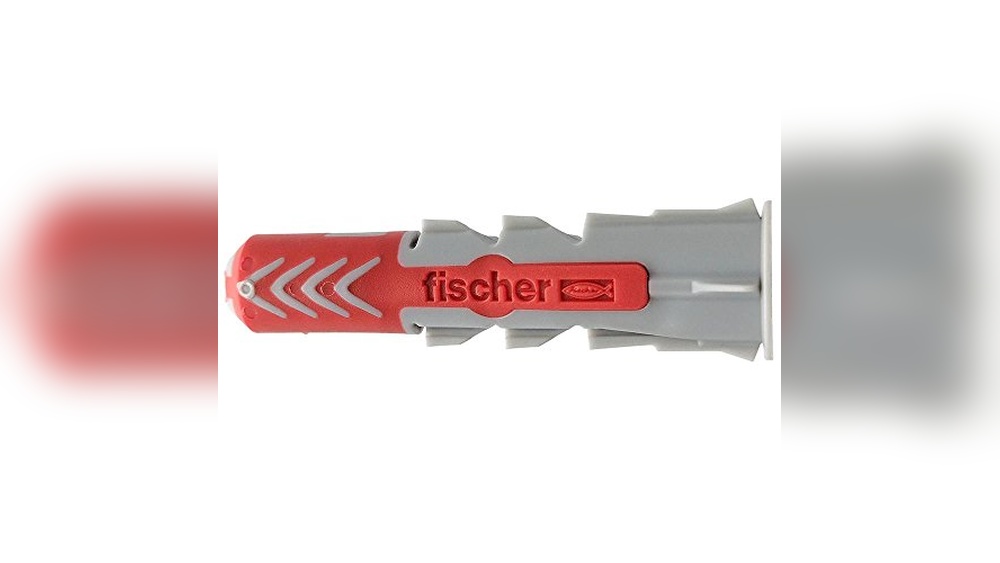
Anchor fasteners come in many types. Each type serves a specific purpose. Choosing the right one ensures a strong hold. Below are common types of anchor fasteners used for different materials and weights.
Expansion Anchors
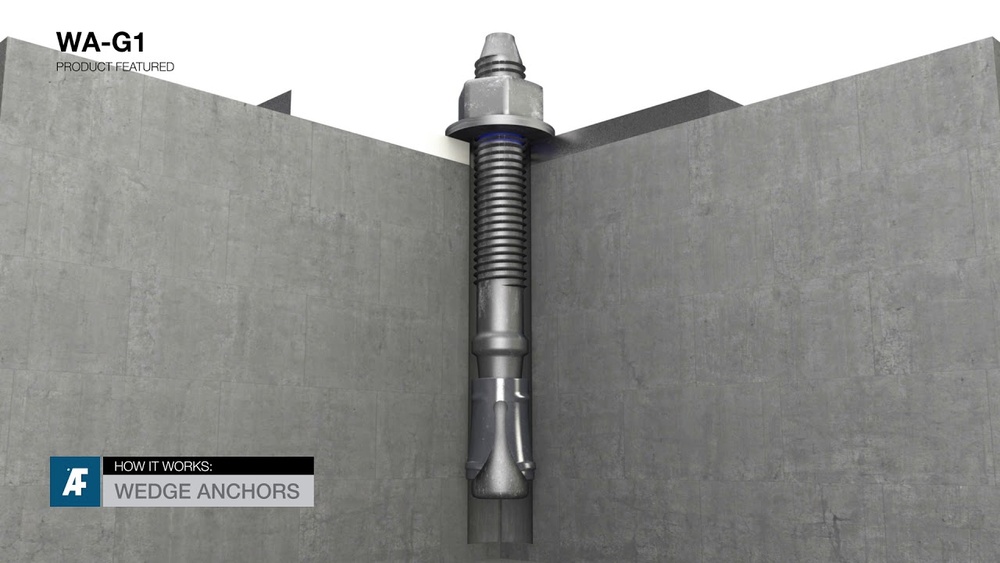
Expansion anchors work by expanding inside a drilled hole. They grip the walls tightly when a bolt or screw is tightened. These anchors are great for solid materials like concrete and brick. They hold medium to heavy loads securely.
Sleeve Anchors
Sleeve anchors have a metal sleeve that expands as the bolt is tightened. The sleeve presses against the hole’s sides for a firm grip. These anchors fit well in concrete, brick, and block walls. They provide strong support for heavy fixtures.
Toggle Bolts
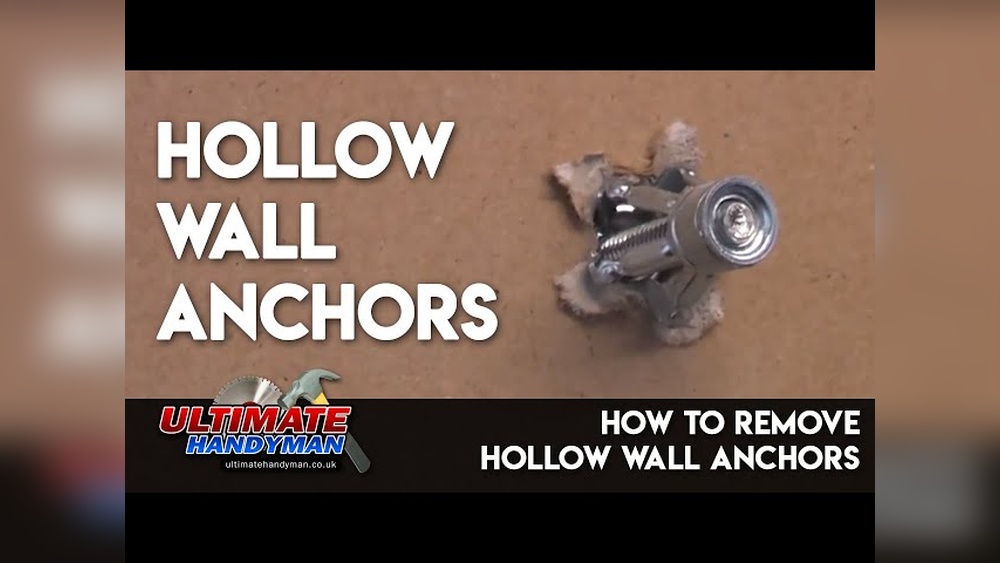
Toggle bolts use a spring-loaded wing that opens inside hollow walls. The wings spread the load over a larger area. They are ideal for drywall and hollow spaces. Toggle bolts can hold heavy objects where other anchors fail.
Chemical Anchors
Chemical anchors use a special resin to bond with the hole and fastener. The resin hardens and creates a very strong hold. These anchors are perfect for cracked or weak concrete. They work well for heavy-duty applications and uneven surfaces.
Choosing The Right Anchor
Choosing the right anchor fastener is key for a strong and safe hold. Different projects need different types of anchors. Picking the wrong one can cause weak support or damage. Understanding what matters helps you make the right choice.
Material Considerations
Anchors come in various materials. Steel anchors are strong and good for heavy loads. Plastic anchors suit light objects and drywall. Consider the base material too. Concrete needs different anchors than wood or brick. Match the anchor material to the surface for best results.
Load Requirements
Think about how much weight the anchor must hold. Heavy items like shelves or TVs need high-load anchors. Light fixtures need less strong anchors. Check the anchor’s load rating before buying. Using a weak anchor can lead to failure and accidents.
Environmental Factors
Where you place the anchor affects its choice. Outdoor anchors must resist rust and weather. Stainless steel or coated anchors work well outside. Indoor anchors do not need special coatings. Moist areas like bathrooms require moisture-resistant anchors. Choose anchors that suit the environment for long-lasting strength.
Tools Needed For Installation
Installing anchor fasteners requires the right tools for a secure hold. Using proper tools makes the process easier and safer. Prepare all tools before starting the installation.
Drills And Bits
A power drill is essential for making holes in walls or concrete. Use the correct drill bit size that matches the anchor fastener. Masonry bits work best for concrete and brick. Choose bits that are sharp and durable for smooth drilling.
Measuring Tools
Measuring tools help place anchors accurately. A tape measure ensures correct distance between holes. A pencil or marker marks the drill spots. Use a level to keep installations straight and even.
Safety Gear
Safety is important during installation. Wear safety glasses to protect your eyes from dust and debris. Use gloves to avoid hand injuries. Hearing protection helps reduce noise from drilling. Always work in a well-ventilated area.
:max_bytes(150000):strip_icc()/how-to-use-and-discard-anchor-screws-1822671-Final-ec8091ccf65241b1b1f888549f25003a.jpg)
Credit: www.thespruce.com
Step-by-step Installation Process
Installing anchor fasteners is simple when you follow clear steps. This guide walks you through each part of the process. Proper installation ensures strong support for your project.
Preparing The Surface
Start by cleaning the area where the anchor will go. Remove dust, dirt, and loose materials. A clean surface helps the anchor hold better. Check the wall or floor for cracks or damage. Fix any issues before you begin drilling.
Drilling The Hole
Choose the right drill bit size for your anchor. Match the drill bit to the anchor’s diameter. Drill straight into the surface at the marked spot. Drill to the correct depth, not too shallow or deep. Clear out dust from the hole using a brush or air blower.
Inserting The Anchor
Push the anchor into the drilled hole gently. Tap it lightly with a hammer if needed. The anchor should fit snugly without forcing it. Make sure the anchor sits flush with the surface. Avoid pushing it too far inside the hole.
Securing The Fastener
Insert the screw or bolt through your fixture into the anchor. Tighten slowly using a screwdriver or wrench. Stop tightening once the fixture feels secure. Do not overtighten to avoid damaging the anchor. Check that the fastener is steady and locked in place.
Common Mistakes To Avoid
Using anchor fasteners correctly is crucial for strong, safe installations. Many users make simple mistakes that reduce holding power. Avoiding these errors ensures your fasteners work as intended. Pay close attention to details during installation.
Incorrect Hole Size
Drilling the wrong hole size weakens the anchor’s grip. Too large a hole causes the anchor to slip. Too small a hole makes insertion difficult or damages the anchor. Always match the drill bit size to the anchor’s instructions. Measure carefully before drilling.
Poor Surface Preparation
Dirty or uneven surfaces reduce the anchor’s hold. Dust, oil, or loose material can stop the anchor from gripping properly. Clean the surface thoroughly before installation. Use a brush or vacuum to remove debris. A smooth, clean surface improves fastener strength.
Over-tightening
Over-tightening can damage the anchor or the material. It causes cracks or strips the threads. Tighten the fastener just until it is snug and secure. Use a torque wrench if possible to avoid excess force. Proper tightening protects both the fastener and the surface.

Credit: www.youtube.com
Maintenance And Inspection Tips
Proper maintenance and inspection of anchor fasteners ensure safety and durability. Regular care helps prevent failures and costly repairs. Checking anchors often keeps them strong and reliable.
Regular Checks
Inspect anchor fasteners at least once every month. Look for loose bolts, rust, or dirt buildup. Clean the anchors gently to avoid damage. Tighten any loose parts using the right tools. Keep a checklist to track inspection dates and findings.
Signs Of Wear
Look for cracks, bends, or corrosion on the fasteners. Rust spots can weaken the metal and cause failure. Notice any movement or wobbling in the anchors. Faded or damaged markings may indicate old or unsafe anchors. Listen for unusual noises during use, like creaking or snapping.
When To Replace Anchors
Replace anchors if you see deep rust or cracks. Bent or broken fasteners must be changed immediately. Swap out anchors that fail to hold tight after tightening. Change anchors after heavy impact or extreme weather. Use new anchors if inspections show serious wear signs.
Frequently Asked Questions
What Are Anchor Fasteners Used For?
Anchor fasteners secure objects to concrete, brick, or masonry. They provide strong, stable support for fixtures in construction and repairs.
How Do You Install Anchor Fasteners Properly?
Drill a hole matching the anchor size, clean debris, insert the anchor, then tighten the screw or bolt securely for firm hold.
Which Types Of Anchor Fasteners Exist?
Common types include wedge anchors, sleeve anchors, drop-in anchors, and expansion anchors. Each suits specific materials and load requirements.
Can Anchor Fasteners Be Reused?
Generally, anchor fasteners are designed for single use. Reusing them can reduce holding strength and compromise safety.
Conclusion
Anchor fasteners hold things tight and keep structures safe. Choose the right type for your project’s material and load. Always follow instructions for drilling, inserting, and tightening. Check the fastener’s strength and size before use. Proper use saves time and prevents damage or accidents.
Practice careful installation to get the best results. With these tips, your projects will stay strong and secure. Keep learning and improving your skills with each task.