When it comes to building, fixing, or creating, having the right fasteners can make all the difference. Whether you’re working on a small DIY project or managing a large construction job, the strength and reliability of your fasteners impact the final outcome.
You might not always notice them, but these tiny components hold everything together—literally. If you want your work to last longer and stay safe, understanding the types and uses of fasteners is key. Keep reading to discover how choosing the right fasteners can save you time, effort, and money on your next project.
Types Of Fasteners
Fasteners are essential parts used to hold objects together. They come in many shapes and sizes. Each type has a special job and is chosen based on the need. Knowing the different types helps in picking the right one for a project.
Bolts And Screws
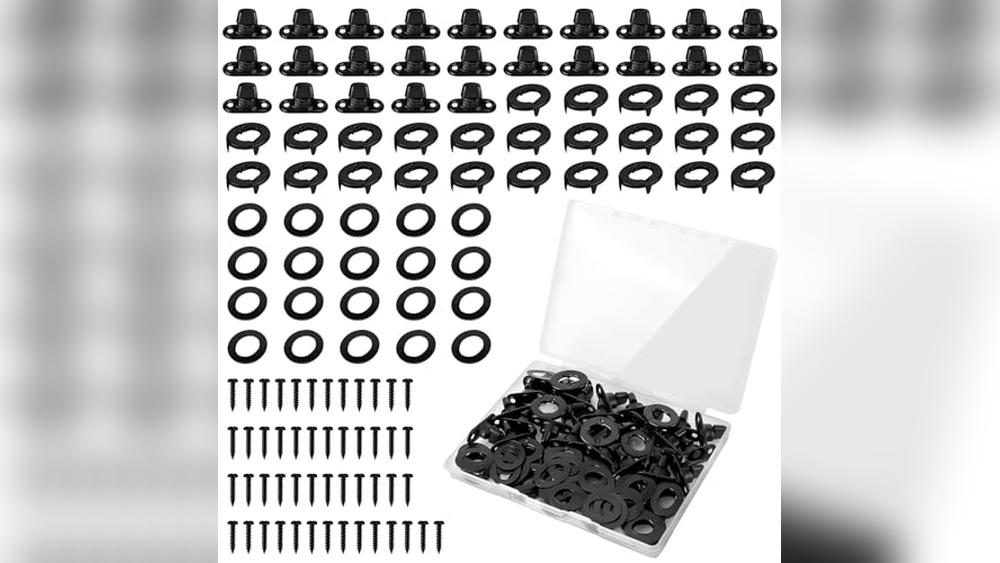
Bolts and screws are common fasteners. Both have threads that grip materials tightly. Bolts usually need nuts to hold things together. Screws can hold objects by themselves. They come in many types for wood, metal, or plastic.
Nuts And Washers
Nuts are small pieces that fit onto bolts. They lock the bolt in place. Washers are flat discs placed under nuts or bolt heads. They spread the load and prevent damage. Both help make strong, secure joints.
Rivets And Pins
Rivets join materials by being pressed or hammered. They create permanent bonds. Pins are used for parts that need to move or be removed. Both fasteners are useful in machines and structures.
Specialty Fasteners
Specialty fasteners serve unique purposes. Examples include clips, anchors, and clamps. They work in specific environments or materials. Choosing the right specialty fastener improves strength and safety.

Credit: hasvida.com.tr
Choosing The Right Fastener
Choosing the right fastener is key to a strong and lasting connection. Fasteners must fit the job and environment perfectly. A wrong choice can cause failure and extra costs. Consider several important factors to select the best fastener for your project.
Material Compatibility
Fasteners should match the materials they join. Different metals react and expand differently. Using the wrong fastener can cause corrosion or damage. Stainless steel fasteners work well with steel parts. Brass fasteners suit softer metals like copper. Always check material types before choosing fasteners.
Load And Stress Considerations
Think about the force the fastener must hold. Heavy loads need strong, high-grade fasteners. Light loads can use smaller or lower-grade fasteners. Consider if the load is steady or changes often. Fasteners must resist stretching or breaking under stress. Correct strength prevents accidents and repairs.
Environmental Factors
Fasteners face different environments. Some are exposed to water, salt, or chemicals. Others face heat, cold, or vibration. Choose fasteners that resist rust and corrosion in your environment. Coated or stainless steel fasteners work well outside. Avoid plain steel in wet or salty places.
Size And Thread Selection
Select the right size for the hole and materials. Fasteners too big or small cause weak joints. Threads should match the materials and tools used. Coarse threads grip soft materials better. Fine threads are best for hard materials. Proper size and threads ensure a tight and secure fit.
Installation Techniques
Installing fasteners correctly ensures strong and lasting connections. Proper techniques prevent damage and improve performance. This section covers key methods for installing fasteners safely and effectively.
Proper Torque Application
Apply the right torque to avoid over-tightening or loosening. Use a calibrated torque wrench for accuracy. Follow manufacturer torque specifications for each fastener type. Proper torque keeps the joint secure and prevents fastener failure.
Thread Locking Methods
Thread locking helps stop fasteners from vibrating loose. Choose the right locking product, such as threadlocker liquids or nylon inserts. Apply evenly to threads before installation. Thread locking adds extra security in high-vibration environments.
Surface Preparation
Clean all surfaces before fastening. Remove dirt, oil, and rust for better grip. Use a wire brush or solvent if needed. Proper surface prep improves fastener hold and prevents corrosion.
Avoiding Common Mistakes
Do not mix fastener types or sizes in one joint. Avoid cross-threading by starting fasteners carefully. Do not reuse damaged fasteners. Check alignment before tightening. These steps prevent installation errors and ensure safe fastening.

Credit: www.profil-global.com
Maintenance For Longevity
Fasteners hold many things together, from machines to buildings. Maintaining them well keeps everything strong and safe. Proper care helps fasteners last longer and work better. Small checks and fixes stop big problems later.
Learn simple ways to keep your fasteners in good shape. Follow these steps for steady performance and long life.
Regular Inspection Tips
Check fasteners often for signs of wear or damage. Look for loose, cracked, or missing pieces. Tighten any loose fasteners carefully. Use a flashlight to spot hidden problems. Schedule inspections regularly to catch issues early.
Corrosion Prevention
Rust weakens fasteners and can cause failure. Keep fasteners dry and clean from dirt. Apply protective coatings like paint or oil. Use stainless steel fasteners in wet areas. Avoid mixing metals that cause corrosion.
Fastener Replacement Guidelines
Replace fasteners that show cracks, rust, or wear. Use the same size and type for replacement. Avoid reusing old fasteners in critical places. Follow manufacturer instructions for torque and installation. Keep spare fasteners handy for quick fixes.
Troubleshooting Joint Failures
Troubleshooting joint failures is key to keeping structures strong and safe. Joints connect parts and hold everything together. When they fail, damage or accidents can happen. Finding the problem quickly helps fix it before it gets worse.
This section covers common issues in joints. It explains how to spot loose joints, detect material fatigue, and handle vibration problems. These tips help maintain reliable connections in many projects.
Identifying Loose Joints
Loose joints cause parts to move or wobble. Check for gaps between fasteners and surfaces. Listen for noises like creaking or clicking during use. Tighten bolts or screws if they feel loose by hand. Use a torque wrench for correct tightness. Regularly inspect joints to catch looseness early.
Detecting Material Fatigue
Material fatigue weakens joints over time. Look for cracks, bends, or surface wear around fasteners. Fading paint or rust can signal hidden damage. Test the joint’s strength by applying gentle pressure. Replace parts showing signs of fatigue to avoid failure. Track usage history to predict when fatigue may occur.
Addressing Vibration Issues
Vibration causes fasteners to loosen and joints to fail. Identify sources of vibration near the joint. Use lock washers, thread lockers, or nylon inserts to keep fasteners tight. Add dampers or pads to absorb vibration. Regularly check joints exposed to vibration for any loosening. Properly secured joints last longer in vibrating environments.

Credit: www.lincolninternational.com
Frequently Asked Questions
What Are The Common Types Of Fasteners?
Common fasteners include screws, bolts, nuts, washers, rivets, and clips. Each serves different purposes in joining materials securely.
How Do Fasteners Impact Construction Quality?
Fasteners ensure structural stability and safety. Using the right fastener improves durability and prevents material damage or failure.
What Materials Are Fasteners Made From?
Fasteners are commonly made from steel, stainless steel, brass, aluminum, and plastic. Material choice depends on strength and corrosion resistance needs.
Can Fasteners Be Reused Safely?
Some fasteners, like bolts and nuts, can be reused if undamaged. However, many fasteners lose strength after removal and should be replaced.
Conclusion
Fasteners hold many things together every day. They come in different shapes and sizes. Choosing the right fastener helps your projects last longer. Strong and reliable fasteners make work easier and safer. Remember to match fasteners with the materials you use.
Quality fasteners save time and reduce problems later. Keep fasteners clean and check them often for wear. Small parts, big impact. Fasteners truly keep our world connected.