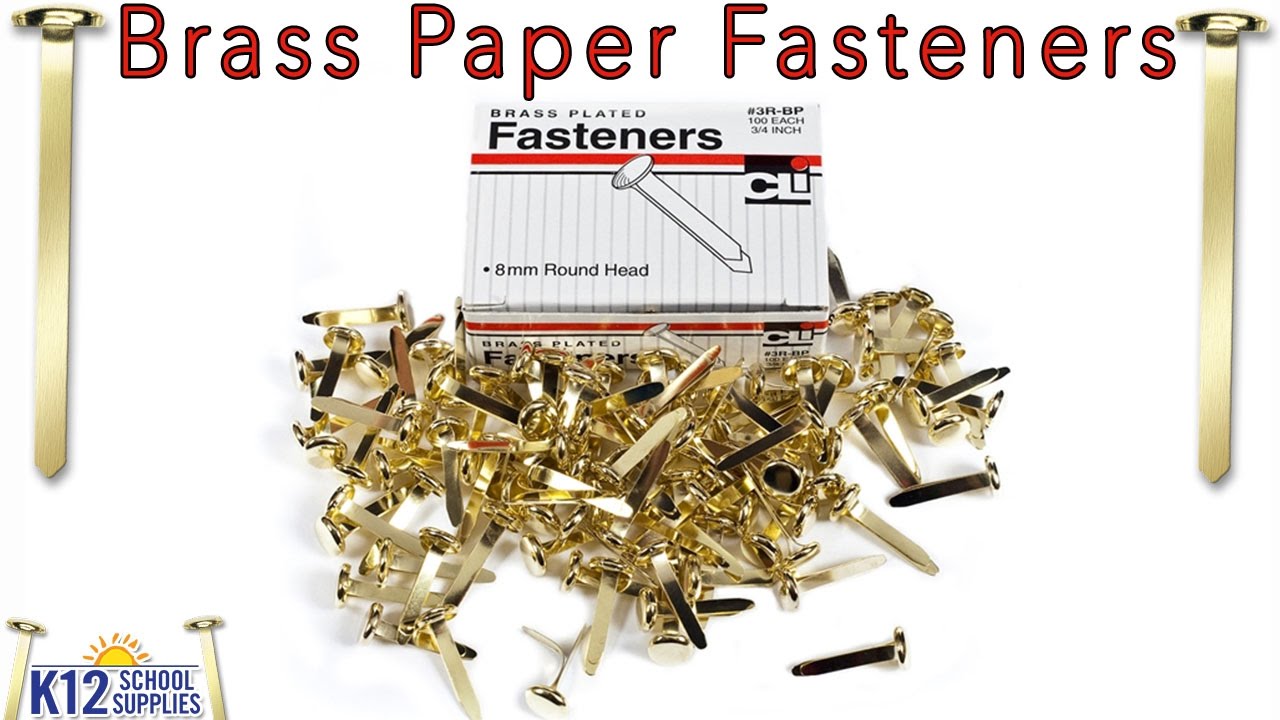
Are you looking for a simple, reliable way to hold papers, fabrics, or craft projects together? Brass fasteners might be exactly what you need.
They are easy to use, sturdy, and add a neat finish to your work. But if you’ve never used them before, you might wonder how to get started or how to make sure they hold everything firmly. You’ll discover clear, step-by-step tips on how to use brass fasteners like a pro.
By the end, you’ll feel confident handling your next project with ease and precision. Keep reading to unlock the secret to strong, stylish fastening!
Credit: www.youtube.com
Choosing Brass Fasteners
Choosing brass fasteners requires attention to detail. The right choice ensures strength and durability. Consider the type, size, and material quality before buying. Each factor plays a key role in the fastener’s performance. Understanding these points helps pick fasteners that fit your project perfectly.
Types Of Brass Fasteners
Brass fasteners come in many types. Common ones include screws, nails, and rivets. Screws provide strong, removable joints. Nails are quick and easy to use. Rivets offer permanent fastening. Choose the type based on how you want to join materials.
Selecting The Right Size
Size matters for brass fasteners. Too small fasteners may not hold well. Too large fasteners can damage materials. Measure thickness and weight of your materials first. Match the fastener length and diameter carefully. Proper size ensures a secure fit and longer life.
Material Quality Considerations
Quality brass fasteners last longer and resist corrosion. Look for fasteners made from high-grade brass. Avoid cheap or mixed metals that rust quickly. Good quality brass keeps a clean look over time. It also holds up well in outdoor or humid conditions.

Credit: www.amazon.com
Preparing Materials
Preparing materials is the first step in using brass fasteners correctly. This step ensures your project stays strong and looks neat. Good preparation saves time and avoids mistakes. Follow simple steps to get ready before you start attaching fasteners.
Surface Cleaning Techniques
Clean the surface to remove dirt, dust, and oil. Use a soft cloth or brush for gentle cleaning. Wipe the area with rubbing alcohol or a mild cleaner. Dry the surface completely to help fasteners stick well. Clean surfaces prevent slipping and help fasteners last longer.
Marking Fastener Placement
Mark where each fastener will go using a pencil or marker. Measure carefully to keep fasteners evenly spaced. Use a ruler or template to stay precise. Clear marks help avoid mistakes during drilling and fastening. Double-check marks before moving to the next step.
Drilling Accurate Holes
Choose the right drill bit size for your fastener. Drill slowly to avoid cracking or damaging the material. Keep the drill straight to make clean, straight holes. Test drill on scrap material if unsure. Accurate holes make fastening easier and hold parts tightly together.
Installing Brass Fasteners
Installing brass fasteners is simple with the right steps. These fasteners secure papers and materials neatly. Proper installation ensures they hold firmly and last long.
Proper Insertion Methods
Start by aligning the papers or materials carefully. Insert the fastener’s prongs through the holes. Spread the prongs outward flat against the back. This holds everything tightly in place. Avoid forcing the fastener through thick material.
Using The Correct Tools
Use a hole punch for clean, even holes. A pair of pliers helps bend prongs securely. Avoid using fingers only; prongs may bend unevenly. Proper tools make the fastener hold better and look neat.
Ensuring Tight Fits
Check the fit before bending the prongs. Papers should be snug without tearing. Bend prongs firmly to prevent loosening over time. Tight fits keep materials from slipping or shifting.
Preventing Common Issues
Brass fasteners are strong and reliable but can face some common issues. Taking simple steps helps keep them working well for a long time. This section shows how to avoid problems and keep brass fasteners in top shape.
Avoiding Corrosion
Brass resists rust but can still corrode over time. Keep fasteners dry and clean to stop corrosion. Use a soft cloth to wipe away dirt and moisture. Store brass fasteners in a dry place. Applying a thin layer of oil can protect them from moisture. Avoid contact with harsh chemicals or salty water.
Minimizing Wear And Tear
Fasteners face wear from repeated use or friction. Use the right size fastener for your project. Tighten only as much as needed to avoid damage. Check fasteners often for signs of wear or bending. Replace worn fasteners to keep things secure. Using washers can help reduce friction and protect the fastener’s surface.
Handling Over-tightening
Over-tightening can strip threads or break fasteners. Use a screwdriver or tool that fits well. Turn the fastener slowly and stop once it feels snug. Avoid forcing fasteners too hard. If using power tools, set the torque low to prevent damage. Proper tightening keeps fasteners strong and safe.
Maintaining Fasteners Over Time
Brass fasteners are durable and attractive, but they need care to last long. Maintaining them helps keep their shine and functionality. Small efforts can prevent damage and save time later.
Check fasteners often for signs of wear or rust. Early spotting can stop bigger problems. Clean and polish regularly to keep them bright. Replace any that show serious damage to ensure safety and look.
Regular Inspection Tips
Look at brass fasteners every few months. Check for loose parts, cracks, or rust spots. Tighten any that feel wobbly or loose. Use a flashlight to see hidden areas well. Mark any fasteners that need cleaning or replacing.
Cleaning And Polishing
Use a soft cloth and mild soap to clean brass fasteners. Avoid harsh chemicals that can damage the metal. Dry them completely after washing. Polish with a brass cleaner or a mix of lemon juice and baking soda. Buff gently to restore shine without scratching.
Replacing Damaged Fasteners
Remove fasteners that are bent or broken. Use the correct size and type for replacements. Installing new fasteners properly prevents future problems. Dispose of old fasteners safely to avoid injury. Keep spare brass fasteners handy for quick fixes.
Creative Uses For Brass Fasteners
Brass fasteners are small but very useful. They do more than just hold papers together. Their bright, shiny look makes them great for many creative projects. Using brass fasteners can add both style and function to your work. Explore different ways to use these fasteners beyond simple binding.
Craft Projects Ideas
Brass fasteners are perfect for craft projects. They make moving parts for paper toys or models. Use them to join parts of greeting cards that open or spin. Children’s art projects become more interactive with these fasteners. They also help in making scrapbooks, holding layers without glue.
Decorative Applications
Brass fasteners add a vintage or industrial look. Use them to decorate picture frames or journals. Attach fabric or leather pieces for a unique touch. They can create patterns or designs on wood or cardboard. Their golden color makes simple items look elegant and neat.
Functional Enhancements
Brass fasteners improve the function of many items. Use them to make adjustable straps or belts. They can secure loose parts on tools or boxes. Fasteners allow easy opening and closing of flaps. They help keep cables organized by bundling them neatly.

Credit: www.youtube.com
Frequently Asked Questions
What Are Brass Fasteners Used For?
Brass fasteners secure papers, leather, and light materials. They allow easy pivoting and are corrosion-resistant. They are ideal for crafts, office, and DIY projects.
How Do You Properly Insert Brass Fasteners?
Pierce the material with the prongs, then fold them outward. Ensure the prongs are flat and secure. This method prevents movement and keeps items firmly attached.
Can Brass Fasteners Be Reused Multiple Times?
Yes, brass fasteners can be reused. Their flexible prongs allow easy removal and reinsertion without damage. This makes them cost-effective and environmentally friendly.
Are Brass Fasteners Suitable For Heavy Materials?
Brass fasteners work best with light to medium materials. For heavy materials, stronger fasteners like screws or bolts are recommended. Brass fasteners provide flexibility, not heavy-duty strength.
Conclusion
Brass fasteners hold papers firmly and neatly. They work well for crafts and office tasks. Using them is simple and saves time. Choose the right size for your project. Keep fasteners clean to avoid rust or damage. Now, you can organize documents with ease.
Enjoy neat stacks and tidy workspaces. Brass fasteners add both function and style. Try them out in your next project!