Have you ever wondered what keeps your furniture sturdy or your car parts tightly connected? The answer often lies in something small but mighty: a threaded fastener.
Whether you’re fixing a loose cabinet door or assembling complex machinery, these tiny components play a crucial role in holding everything together. You’ll discover what a threaded fastener is, how it works, and why choosing the right one can make all the difference in your projects.
Ready to unlock the secrets behind these essential connectors? Let’s dive in and empower your next build with the right knowledge.

Credit: forum.digikey.com
Credit: mockbee.com
Frequently Asked Questions
What Is A Threaded Fastener?
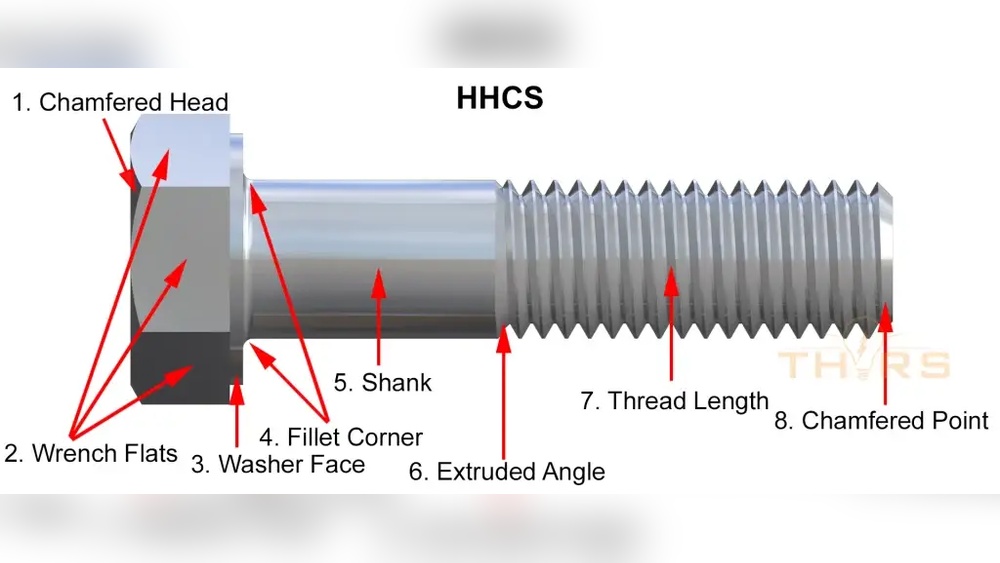
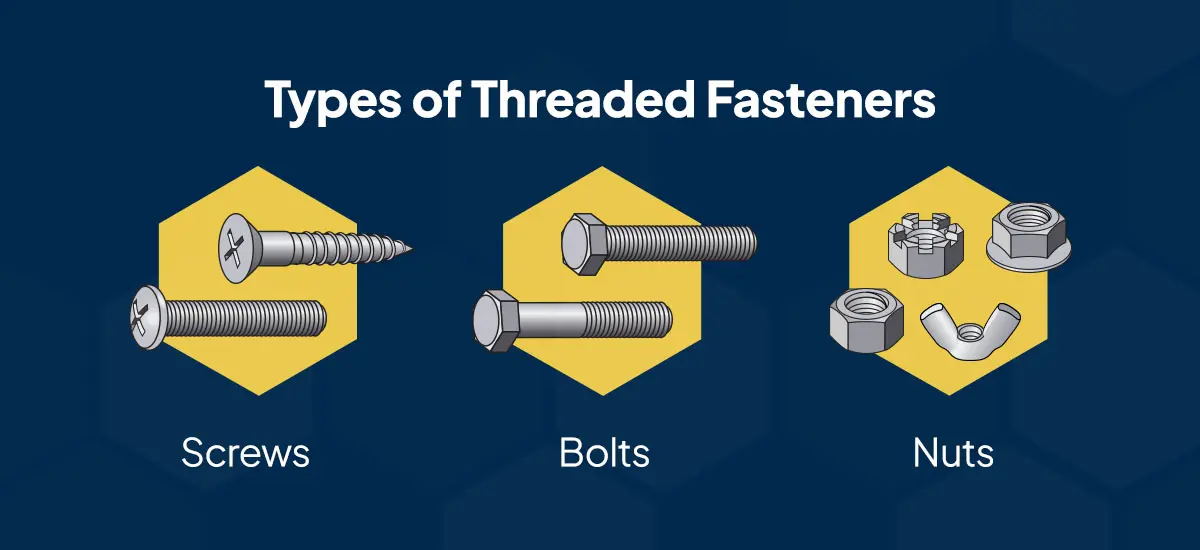
A threaded fastener joins parts using spiraling threads. Common types include screws, bolts, and nuts. They create strong, reusable connections by converting rotational force into clamping tension.
What Is The Word For A Threaded Fastener?
A threaded fastener is a mechanical device with spiraling threads that join parts securely. Common types include screws, bolts, and nuts.
What Is The Most Common Type Of Threaded Fastener?
The most common type of threaded fastener is the machine screw. It features uniform threads and fits into a tapped hole or nut. Machine screws provide strong, reusable connections in various applications, making them widely used in manufacturing and assembly industries.
What Are The Four Types Of Fasteners?
The four types of fasteners are screws, bolts, nuts, and washers. They secure materials by clamping or threading.
Conclusion
Threaded fasteners hold parts tightly and securely in place. They come in many sizes and types for different uses. These fasteners allow easy assembly and disassembly. Choosing the right fastener ensures strong and lasting connections. Understanding their function helps in selecting the best option.
Proper use improves safety and performance in projects. Threaded fasteners remain essential in construction and repairs. Simple, reliable, and versatile—these fasteners keep things together.