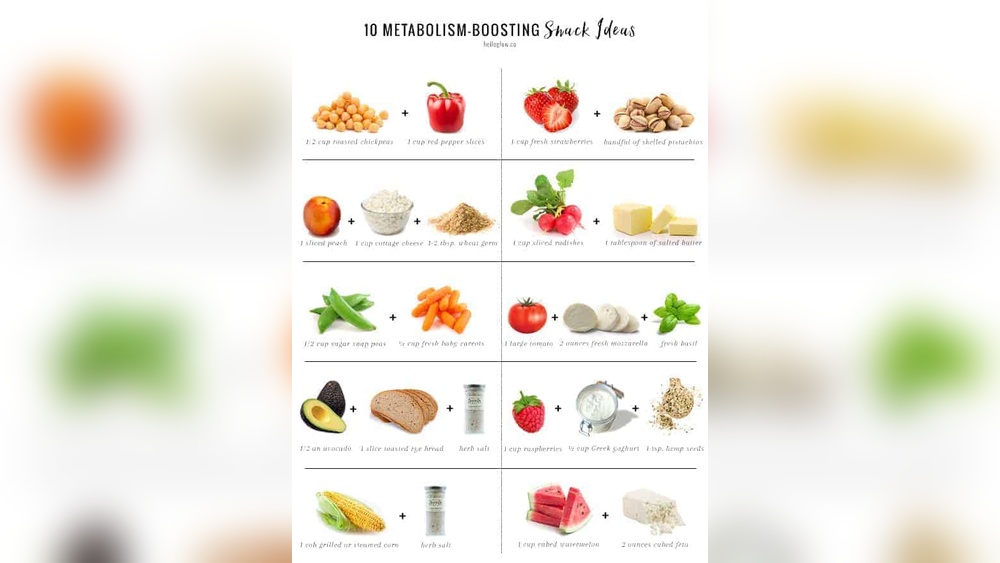
Are you tired of feeling sluggish and watching the scale barely budge no matter what you do? What if the secret to more energy and easier weight management lies in one simple factor: your metabolism?
Understanding what fastens metabolism can change the way your body burns calories and uses energy every single day. You’ll discover easy, practical ways to boost your metabolism naturally—without extreme diets or exhausting workouts. Ready to unlock your body’s full potential?
Keep reading, because what you learn here could transform how you feel and look.

Credit: toneop.com
Metabolism Basics
Understanding metabolism is key to knowing how the body uses energy. Metabolism includes all the chemical processes in your body that keep you alive. These processes turn food into energy. This energy supports everything from moving to thinking.
Metabolism is not the same for everyone. It changes based on many things. Knowing the basics helps you learn how to support a healthy metabolic rate.
How Metabolism Works
Metabolism breaks down food into smaller parts. These parts become fuel for the body. Cells use this fuel to perform tasks. These tasks include breathing, growing, and repairing.
Metabolism has two parts. One part builds up molecules, called anabolism. The other breaks down molecules, called catabolism. Both parts work together to keep energy balanced.
Factors Affecting Metabolic Rate
Age changes metabolism. It usually slows down as people get older. Muscle mass also affects metabolism. More muscle means a faster metabolic rate.
Gender plays a role too. Men often have a higher metabolic rate than women. Genetics influence how fast or slow metabolism works. Lifestyle choices such as diet and exercise matter.
Stress and sleep impact metabolism. Poor sleep and high stress can slow it down. Drinking water and staying active can help keep metabolism steady.
Credit: backinmotionsspt.com
Eat Protein-rich Foods
Eating foods high in protein can help speed up your metabolism. Protein takes more energy to digest than fats or carbs. This means your body burns more calories processing protein. Including protein-rich foods in your meals supports muscle growth and repair. More muscle mass also raises your metabolic rate. Protein keeps you full longer, which can reduce snacking and overeating. This helps with weight management and steady energy.
Thermic Effect Of Protein
The thermic effect of food is the energy used to digest and absorb nutrients. Protein has the highest thermic effect compared to fats and carbohydrates. Your body uses about 20-30% of protein calories just to process it. This is much higher than carbs (5-10%) and fats (0-3%). Eating protein-rich meals can increase daily calorie burn. This small boost in metabolism adds up over time. It makes protein an important part of a metabolism-friendly diet.
Best Protein Sources
Choose lean meats like chicken, turkey, and lean beef. Fish such as salmon and tuna also provide healthy protein. Eggs are a simple and affordable protein source. Dairy products like yogurt and cottage cheese offer protein and calcium. Plant-based options include beans, lentils, tofu, and quinoa. These foods are rich in protein and other nutrients. Include a variety of these sources to meet your protein needs.
Increase Physical Activity
Increasing physical activity helps speed up metabolism. Moving more burns calories and builds muscle. Both actions raise your body’s energy needs. This means your body uses more energy even at rest. Simple changes can make a big difference in how fast your metabolism works.
Strength Training Benefits
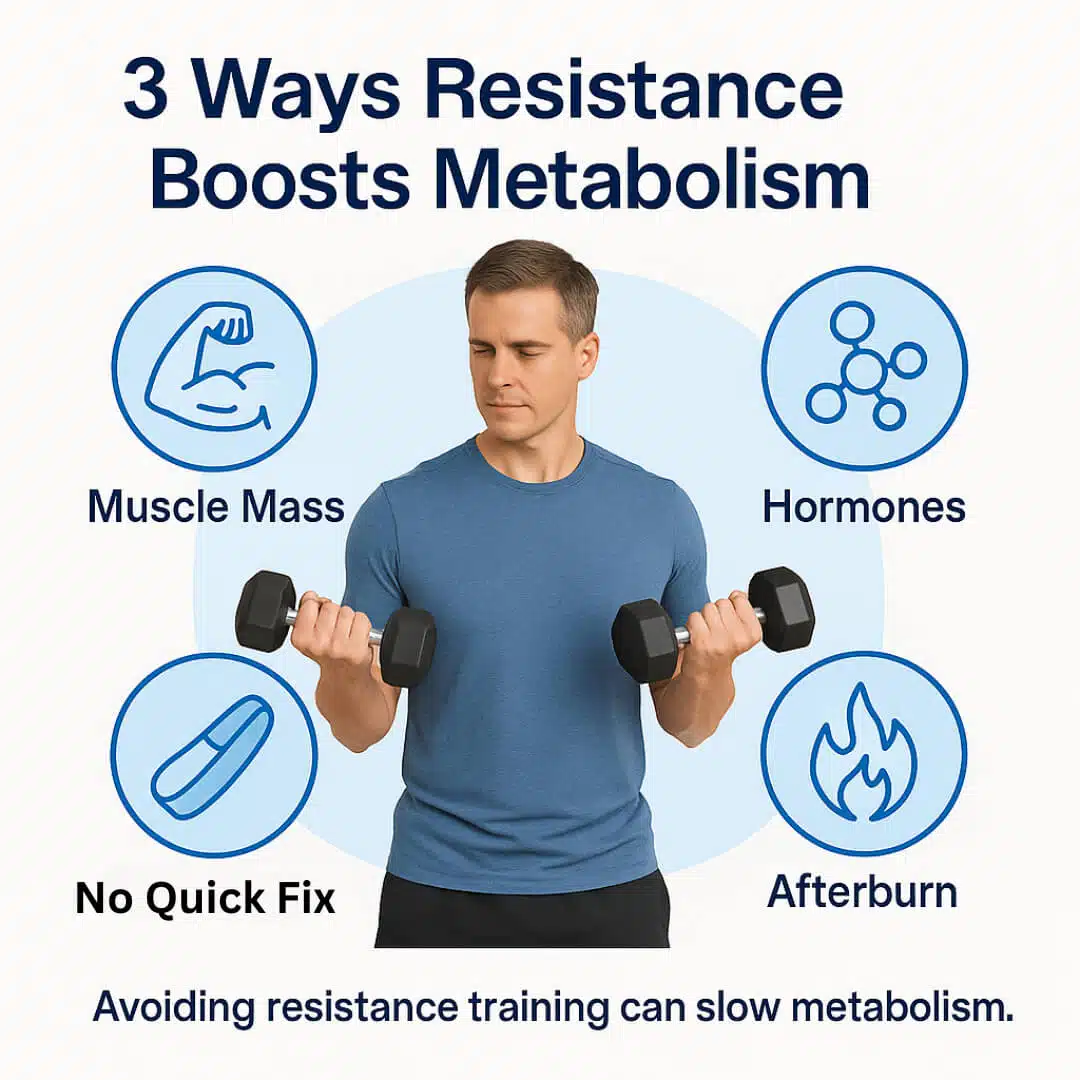
Strength training builds muscle mass. More muscle means a higher resting metabolic rate. Your body burns more calories just to maintain muscle. This effect lasts long after your workout ends. Lifting weights or using resistance bands are good options. Aim for two to three sessions a week. It helps your metabolism stay active and strong.
High-intensity Interval Training
High-Intensity Interval Training (HIIT) mixes short bursts of intense exercise with rest. This type of training boosts metabolism quickly. It increases calorie burn during and after the workout. HIIT workouts usually last 20 to 30 minutes. They fit well in busy schedules. This method improves your body’s fat-burning ability. Try sprinting, cycling, or jumping exercises in intervals.
Credit: rscbayarea.com
Stay Hydrated
Staying hydrated plays a big part in speeding up metabolism. Water helps the body work well. It supports many processes that burn calories. Drinking enough water keeps energy levels steady. It also stops tiredness that can slow metabolism down.
Water’s Role In Metabolism
Water helps break down food for energy. It moves nutrients to cells and removes waste. Drinking water can increase the number of calories burned. This is called water-induced thermogenesis. Even small amounts of water can boost metabolism a little. Proper hydration keeps organs working at their best.
Tips For Drinking More Water
Keep a water bottle close all day. Take small sips often instead of big gulps. Add a slice of lemon or cucumber for taste. Set reminders on your phone to drink water. Drink a glass of water before each meal. Eat water-rich foods like fruits and vegetables.
Get Enough Sleep
Getting enough sleep plays a big role in how your metabolism works. Sleep affects many body functions. It controls how your body uses energy and burns calories. Without enough rest, your metabolism slows down. Your body struggles to process sugars and fats well. This can lead to weight gain and low energy. Good sleep helps keep your metabolism steady and strong.
Sleep And Metabolic Health
Sleep impacts hormones that control hunger and fullness. Lack of sleep raises ghrelin, the hunger hormone. It lowers leptin, which tells your brain you are full. This imbalance makes you eat more than needed. Poor sleep also increases insulin resistance. Your body then has trouble managing blood sugar. This raises the risk of type 2 diabetes. Regular, quality sleep supports healthy hormone levels. It helps keep your metabolism balanced.
Improving Sleep Quality
Create a calm and dark bedroom environment. Avoid screens and bright lights before bed. Try to go to sleep and wake up at the same time daily. Avoid caffeine and heavy meals close to bedtime. Practice relaxing activities like reading or deep breathing. These habits help your body prepare for rest. Better sleep quality boosts metabolism and energy levels. Small changes can make a big difference in your sleep health.
Drink Green Tea Or Coffee
Drinking green tea or coffee can help speed up your metabolism. These beverages contain natural compounds that boost how your body burns calories. Adding a cup of green tea or coffee to your daily routine might make a small but useful difference. Both drinks offer benefits beyond just caffeine, helping your body stay active and energized.
Caffeine And Metabolism
Caffeine is a natural stimulant found in coffee and green tea. It helps increase your energy and alertness. Caffeine also raises your metabolic rate, causing your body to burn more calories. This effect can last for a few hours after drinking. Caffeine may also help your body use fat for energy more efficiently. Drinking moderate amounts can support your metabolism without causing jitters.
Antioxidants In Green Tea
Green tea contains antioxidants called catechins. These compounds help improve metabolism by enhancing fat burning. Catechins support your body’s ability to break down fat during exercise. They also protect cells from damage caused by free radicals. Regular green tea consumption may help maintain a healthy metabolism over time. The combination of antioxidants and caffeine makes green tea a great choice.
Manage Stress
Managing stress plays a key role in keeping your metabolism active. Stress can slow down your body’s ability to burn calories efficiently. Learning how to reduce stress helps your body function better and supports weight management. Simple habits can make a big difference in how your metabolism works.
Stress Impact On Metabolism
Stress triggers the release of the hormone cortisol. High cortisol levels can lead to fat storage, especially around the belly. This hormone also slows down the metabolism. It causes the body to hold on to energy instead of using it. Stress can make you feel tired and less likely to exercise. It can also increase cravings for unhealthy foods. All these effects together slow your metabolism.
Stress Reduction Techniques
Practice deep breathing to calm your mind and body. Even a few minutes can lower stress hormones. Try mindfulness or meditation to stay present and relaxed. Regular physical activity helps reduce stress naturally. Walks, yoga, or light stretching work well. Getting enough sleep is crucial for stress control. Avoid caffeine and sugar before bedtime. Spending time outdoors can boost your mood. Talk to friends or family about your feelings. Small daily steps help keep stress in check and metabolism steady.
Avoid Crash Diets
Avoiding crash diets is essential for maintaining a healthy metabolism. These diets promise quick weight loss by severely cutting calories. The body reacts by slowing down its metabolism to save energy. This makes it harder to lose weight over time and can harm your health.
Crash diets also lead to muscle loss, not just fat. Muscle is important because it burns more calories than fat. Losing muscle lowers your metabolic rate, which means your body burns fewer calories at rest. This can cause weight gain once you stop the diet.
Metabolic Slowdown Risks
Crash diets cause your metabolism to slow down significantly. The body senses a lack of food and enters survival mode. It reduces the number of calories burned each day. This slowdown can last for weeks or months after the diet ends.
The slower metabolism can lead to fatigue and weakness. It also reduces your ability to burn fat effectively. Many people regain the weight quickly, sometimes more than before. This cycle of loss and gain is harmful and frustrating.
Healthy Weight Loss Strategies
Choose balanced meals that include protein, healthy fats, and fiber. These foods help keep your metabolism active and support muscle. Eat smaller, more frequent meals to maintain steady energy levels.
Include regular physical activity, especially strength training. Building muscle helps increase your metabolism naturally. Drink plenty of water to support digestion and metabolic processes.
Set realistic goals and focus on gradual weight loss. This approach helps maintain metabolic rate and improves long-term success. Patience and consistency are key to a healthy metabolism and lasting results.
Frequently Asked Questions
What Foods Help Speed Up Metabolism?
Protein-rich foods like eggs, lean meats, and legumes boost metabolism. Spicy foods with capsaicin and green tea also increase calorie burn. These foods promote muscle growth and thermogenesis, which enhances metabolic rate naturally.
How Does Exercise Fasten Metabolism?
Exercise, especially strength training and high-intensity interval training (HIIT), increases muscle mass. More muscles burn more calories even at rest. Regular workouts also improve metabolism by boosting your body’s energy demands.
Does Drinking Water Improve Metabolism?
Yes, drinking water temporarily boosts metabolism by increasing energy expenditure. Cold water forces the body to use energy to heat it. Staying hydrated supports metabolic processes and helps control appetite.
Can Sleep Affect Metabolic Rate?
Lack of sleep slows metabolism by disrupting hormone balance. Good sleep improves energy levels and supports healthy metabolism. Consistent, quality sleep helps regulate appetite and maintain metabolic efficiency.
Conclusion
Boosting metabolism takes simple, healthy daily habits. Eat balanced meals and stay active. Drink enough water to help your body work well. Get good sleep to keep energy high. Small changes add up over time. Keep trying and be patient with yourself.
Your body will thank you with more energy and better health.