Have you ever struggled to keep things tightly held together, only to find your screw slipping or your project falling apart? Knowing how to use a fastener screw correctly can make all the difference between a sturdy finish and a frustrating mess.
Whether you’re fixing furniture, building a shelf, or tackling a DIY project, the right technique will save you time, effort, and headaches. You’ll discover simple steps and practical tips that will help you master the use of fastener screws quickly and confidently.
Keep reading to unlock the secrets that professionals use to get strong, lasting results every time.
Types Of Fastener Screws
Fastener screws come in many types. Each type suits a specific job. Choosing the right screw helps hold materials firmly. Understanding these types helps you pick the best screw for your work.
Wood Screws
Wood screws are made for joining wood pieces. They have a sharp point to dig into wood easily. The threads are wide and deep to grip wood tightly. These screws often have a smooth part near the head to pull wood together.
Machine Screws
Machine screws connect metal parts. They have uniform threads along the shaft. These screws fit into tapped holes or nuts. Usually, they require a nut or a threaded hole to hold parts firmly.
Sheet Metal Screws
Sheet metal screws fasten thin metal sheets. Their threads run from the tip to the head. They cut through metal to create a tight hold. These screws often have sharp points for easy penetration.
Self-tapping Screws
Self-tapping screws drill their own hole as they go. They save time by removing the need to pre-drill. These screws work well in metal, plastic, and wood. Their design lets them create strong, lasting joints quickly.
Credit: bdnfasteners.com
Choosing The Right Screw
Choosing the right screw is key for a strong and safe connection. Different projects need different screws. Picking the best one saves time and avoids damage. Consider the material, size, and head type. These factors affect how well the screw works.
Material Considerations
Screws come in many materials. Steel screws are strong and common. Stainless steel resists rust and is good for outdoor use. Brass screws are softer and look nice on wood. Choose material based on where you will use the screw. Avoid rust by picking the right material.
Screw Size And Length
Size matters for the job. Too small screws may not hold well. Too long screws can split the wood. Match the screw size to the thickness of the material. Length should be enough to go deep but not through the other side. Check the project needs before picking size.
Head Types And Drive Styles
Screw heads affect how you use a screwdriver. Flat heads sit flush with the surface. Round heads stick out and add style. Drive styles include Phillips, slotted, and Torx. Phillips screws are common and easy to use. Torx screws offer better grip and less slipping. Choose a head and drive that fits your tools and project.
Tools Needed For Installation
To install fastener screws correctly, you need the right tools. Proper tools make the job easier and prevent damage. They help you work faster and get a strong hold. This section explains the essential tools for screw installation.
Screwdrivers And Drivers
Screwdrivers come in many shapes and sizes. Choose one that fits your screw head perfectly. Common types include flathead and Phillips. A driver is a power tool version of a screwdriver. It saves time and effort, especially for many screws. Use the right tip to avoid stripping the screw.
Drills And Drill Bits
A drill helps make pilot holes for screws. Pilot holes guide the screw and prevent wood from splitting. Use drill bits that match the screw size. For harder materials, use a strong drill and sharp bits. Drills speed up the work and improve accuracy.
Additional Accessories
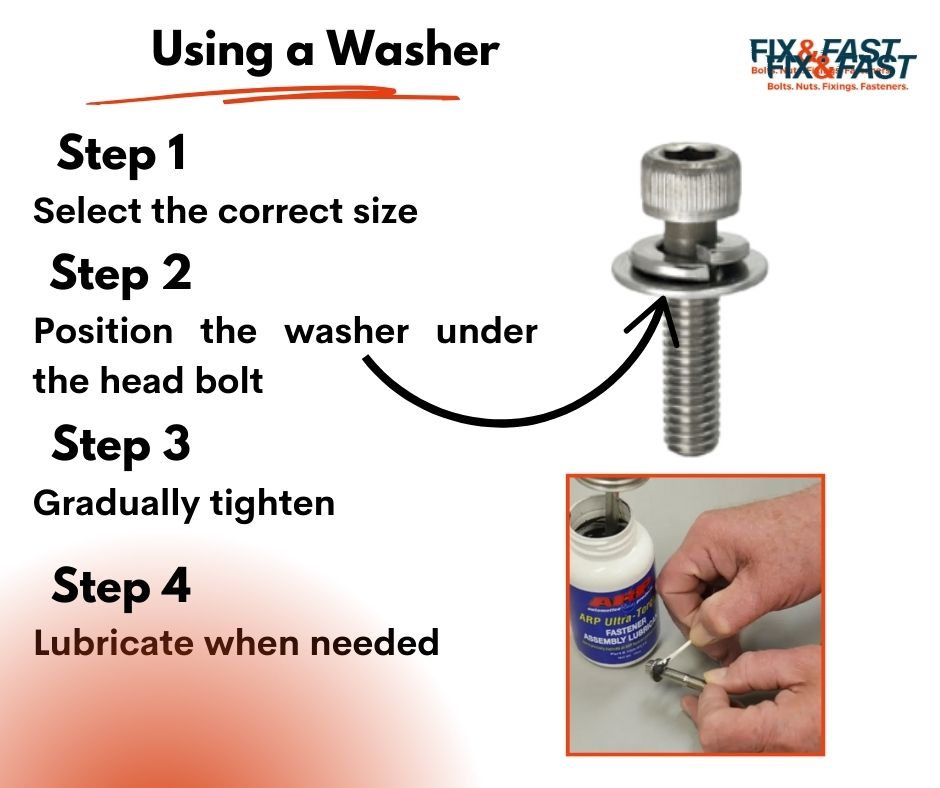
Some extra tools can help with screw installation. A magnetic bit holder keeps screws on the driver. A countersink bit makes space for screw heads to sit flush. Safety glasses protect your eyes from debris. A tape measure ensures precise placement of screws.
Credit: www.fixandfast.co.uk
Preparing The Surface
Preparing the surface is a key step before using a fastener screw. It helps the screw hold better and prevents damage. Taking time to prepare saves effort and improves results. Follow simple steps to get the surface ready and make your project easier.
Cleaning And Aligning
Start by cleaning the surface from dust and dirt. Use a cloth or brush to remove loose particles. A clean surface helps the screw grip tightly. Align the parts correctly before screwing. Proper alignment avoids mistakes and keeps the project steady.
Pre-drilling Holes
Pre-drilling makes it easier to insert screws. Use a drill bit smaller than the screw diameter. This prevents wood or material from splitting. Drill straight holes at the marked points. Pre-drilling also helps screws go in smoothly.
Marking Screw Positions
Mark where each screw will go with a pencil or marker. Measure carefully to keep even spacing. Marking guides your drilling and screwing. It ensures screws are placed exactly where needed. This step helps keep your work neat and strong.
Installation Techniques
Installing fastener screws correctly is key to a strong and lasting hold. Using the right technique helps avoid damage and ensures the screw fits perfectly. This section explains how to install screws with care and skill.
Manual Vs. Power Tools
Manual screwdrivers give you control and precision. They work well for small jobs and delicate materials. Power tools save time and effort on bigger projects. Choose the right tool based on the task size and material hardness.
Manual tools reduce the risk of overdriving screws. Power tools speed up work but need careful handling. Always select the correct bit to match the screw head type.
Proper Screw Driving Angles
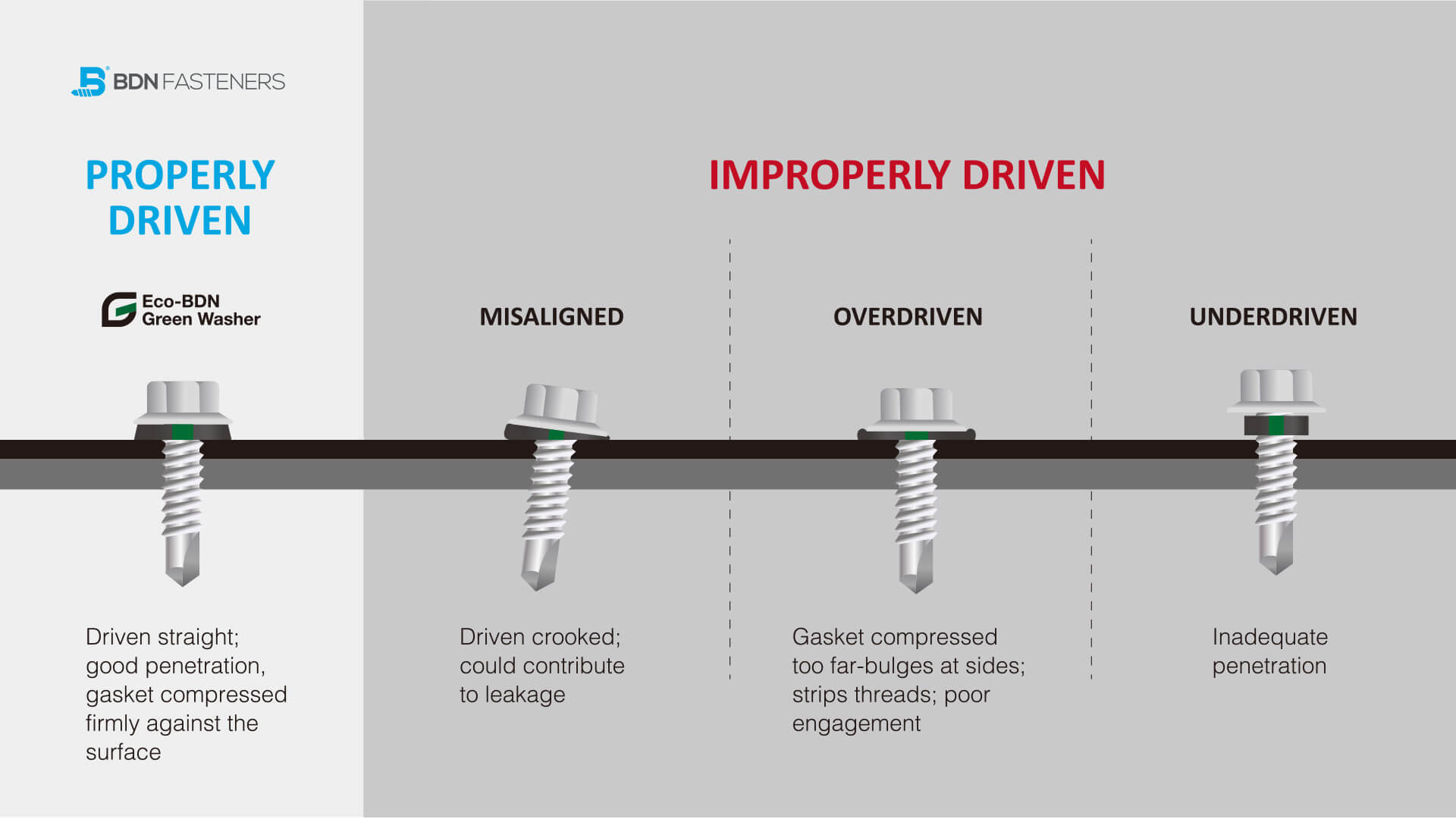
Keep the screwdriver or drill straight and steady. Driving screws at an angle weakens the hold and may strip the head. A 90-degree angle to the surface is best for strong fastening. This technique helps the screw bite evenly into the material.
Controlling Torque And Depth
Torque control prevents screws from going too deep or breaking. Use tools with adjustable torque settings for best results. Stop driving the screw when the head is flush with the surface. Avoid overtightening to protect the material and the screw thread.
Proper depth ensures the screw holds firmly without damaging the workpiece. Check the screw position often during installation to maintain control.
Common Mistakes To Avoid
Using fastener screws correctly is key for strong, lasting projects. Many people make simple mistakes that weaken their work or cause damage. Avoiding these errors saves time and money. Focus on the basics to get the best results.
Over-tightening Screws
Too much force can strip the screw head or damage the material. Screws that are too tight lose their grip and break easily. Stop turning once the screw feels snug. Use a screwdriver or drill with torque control for safety.
Using Incorrect Screw Types
Different screws fit different jobs. Wood screws differ from metal or drywall screws. Using the wrong type can cause poor holding power or damage. Match the screw to the material and task. Check the label or product guide before buying.
Ignoring Material Compatibility
Screws and materials must work well together. Some metals corrode when paired with certain screws. Wood may split if screws are too thick or long. Choose screws designed for the material. This ensures strong, stable connections that last.
Maintenance And Removal Tips
Maintaining fastener screws properly helps them last longer and work well. Removing screws safely prevents damage to both the screw and the surface. This section shares easy tips for maintaining and removing fastener screws.
Preventing Rust And Corrosion
Keep screws dry and clean to stop rust. Use a cloth to wipe off dirt and moisture. Store screws in a dry place away from water. Apply a thin layer of oil or rust-preventive spray on metal screws. Choose screws made from stainless steel or coated with rust-resistant material for outdoor use.
Safe Screw Removal Methods
Use the right screwdriver that fits the screw head perfectly. Turn screws slowly to avoid stripping the head. Apply steady pressure while turning. Use a manual screwdriver instead of a power tool for delicate jobs. If a screw is stuck, try applying a small amount of penetrating oil and wait before turning. Avoid forcing screws out quickly to prevent damage.
Replacing Damaged Screws
Check screws regularly for signs of wear or damage. Remove damaged screws carefully to avoid harming the surface. Replace old screws with ones of the same size and type. Use screws made from stronger materials for better durability. Tighten new screws securely but avoid over-tightening to prevent stripping or breaking.
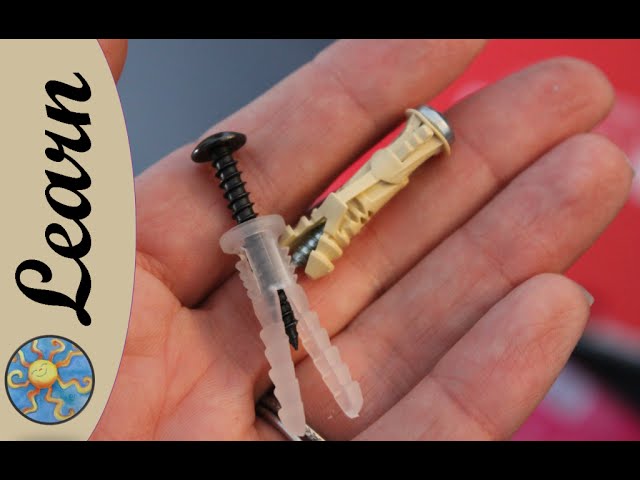
Credit: www.youtube.com
Frequently Asked Questions
What Types Of Fastener Screws Are Commonly Used?
Common fastener screws include wood screws, machine screws, sheet metal screws, and self-tapping screws. Each type suits specific materials and applications, ensuring a secure hold for projects.
How Do I Choose The Right Fastener Screw Size?
Select screw size based on material thickness and load requirements. Measure diameter, length, and thread type for optimal fit and strength.
Can I Use A Fastener Screw Without Pre-drilling?
Pre-drilling depends on material and screw type. Softwoods may not require it, but hardwoods or metals usually need pre-drilled holes to avoid splitting.
What Tools Are Needed To Use Fastener Screws?
A screwdriver or drill with the correct bit is essential. Choose Phillips, flathead, or Torx bits matching the screw head for efficient installation.
Conclusion
Using a fastener screw is simple and saves time. Choose the right screw for your project. Always prepare the surface before screwing. Apply steady pressure while turning the screw. Check that the screw fits snugly and holds well. Practice makes the process easier and quicker.
Keep your tools clean and sharp for best results. Follow these steps to complete your work smoothly. Fastener screws help join materials firmly and safely. Try these tips to improve your skills today.