Have you ever wondered what keeps your clothes snug, secure, and comfortable all day long? The secret lies in something called fastening in textiles.
Whether it’s the zipper on your jacket, the buttons on your shirt, or the hook on your bag, fastenings play a crucial role in how your favorite items fit and function. Understanding what a fastening is and how it works can change the way you choose and care for your wardrobe.
Ready to discover the simple yet powerful elements that hold your textiles together? Keep reading to unlock the essentials of fastening in textiles and see your everyday fabrics in a whole new light.
Credit: blog.fabrics-store.com
Basics Of Textile Fastening
Textile fastening is a key part of clothing and fabric products. It helps join two pieces of fabric or hold something in place. Fastening makes clothes wearable and functional. It also affects the look and comfort of the textile item.
Fasteners come in many forms and sizes. Each type serves a special purpose. Some fasteners are easy to use, while others are very strong. Understanding the basics helps in choosing the right fastener for every textile project.
Role Of Fasteners In Textiles
Fasteners keep fabric parts together. They allow clothes to open and close. Fasteners make putting on and taking off clothes simple. They also help adjust the fit. Fasteners add style and decoration to garments. Without them, most clothing would be hard to wear.
Common Materials Used
Fasteners are made from different materials. Metal is strong and durable. Plastic fasteners are light and cheap. Sometimes, natural materials like wood or bone are used. Fabric fasteners, like buttons and hooks, are also common. The choice of material depends on the use and style of the textile.
Types Of Textile Fasteners
Fasteners hold fabrics together. They make clothes fit well and easy to wear. Different fasteners work for different needs. Some are simple, others more complex. Each type serves a unique purpose.
Buttons And Buttonholes
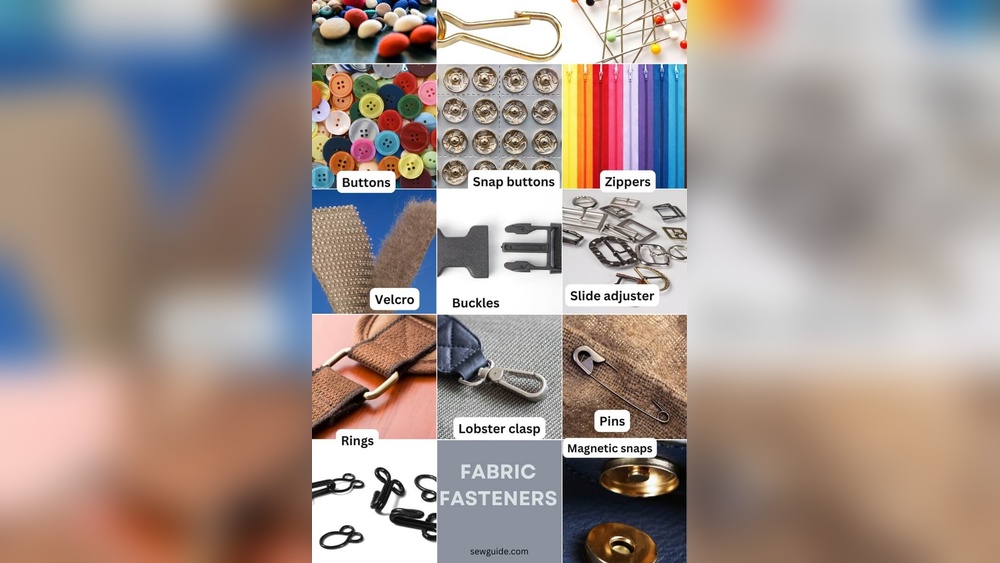
Buttons are small discs sewn on fabric. Buttonholes are slits where buttons fit through. They come in many shapes and sizes. Buttons add style and function to clothing. Easy to use and repair.
Zippers And Their Variations
Zippers join fabric edges with interlocking teeth. They open and close smoothly with a slider. Variations include metal, plastic, and invisible zippers. Common in jackets, pants, and bags. Provide strong and quick fastening.
Hooks And Eyes
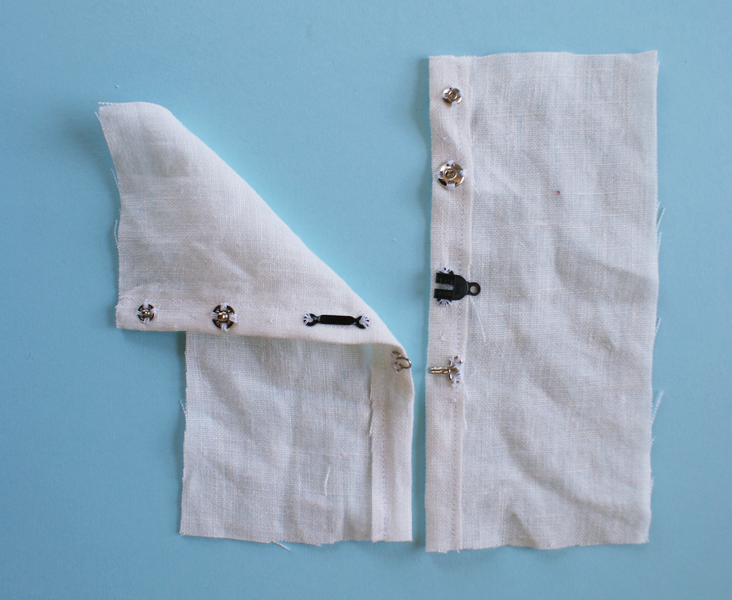
Hooks and eyes are small metal fasteners. Hooks catch onto a small loop called an eye. Often used in bras, dresses, and skirts. Provide secure closure in tight spaces. Simple and discreet fastening option.
Snaps And Press Studs
Snaps are two-part fasteners that click together. Press studs are similar and used in baby clothes. Fast to open and close. Ideal for easy wear and removal. Durable and convenient for many textiles.
Velcro And Hook-and-loop
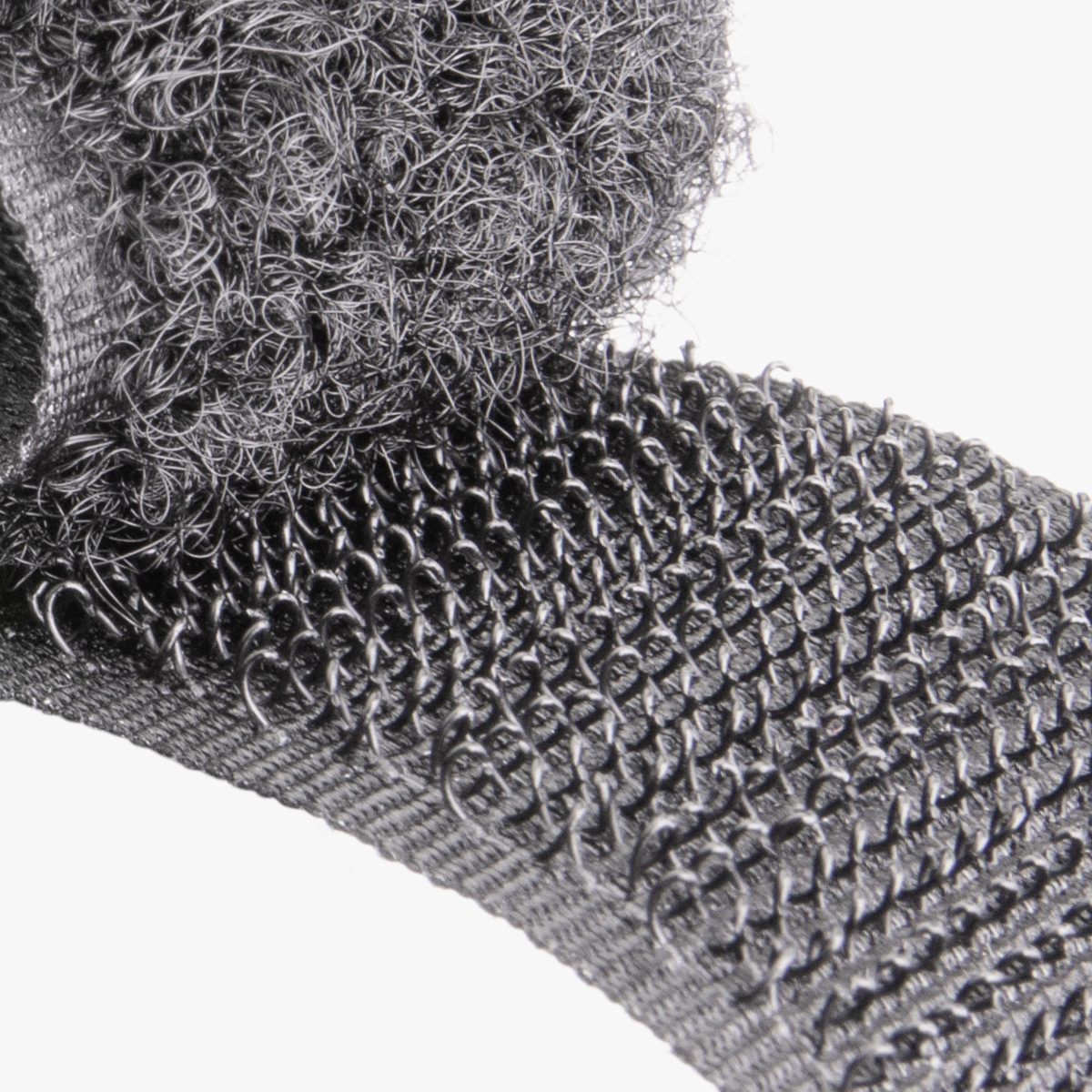
Velcro has tiny hooks on one side and loops on the other. Pressing them together creates a strong hold. Used in shoes, bags, and sportswear. Adjustable and reusable fastener. Great for quick fastening needs.
Toggles And Clasps
Toggles are long buttons fastened with loops. Clasps are metal hooks that latch together. Both add decorative and functional elements. Found on coats, bags, and jewelry. Provide secure fastening with style.
Drawstrings And Ties
Drawstrings are cords threaded through fabric channels. Pulling tight adjusts the fit. Ties are strips of fabric knotted to secure. Common in hoodies, pants, and bags. Offer flexible and adjustable fastening.
Factors Influencing Fastener Choice
Choosing the right fastener is key in textile projects. Several factors affect this choice. These factors ensure the fastener works well with the fabric and meets the garment’s needs. Understanding these can help pick the best fastening option.
Fabric Compatibility
Fasteners must suit the fabric type. Thin fabrics need light fasteners to avoid damage. Thick fabrics require stronger fasteners for support. Some materials react to metal or plastic fasteners differently. Testing fasteners on fabric samples prevents issues later.
Durability And Strength
Consider how strong the fastener must be. Heavy-duty garments need durable fasteners. Light clothing can use simpler, less strong options. The fastener should last through repeated use and washing. Strength affects how long the garment stays functional.
Aesthetic Considerations
Fasteners add to a garment’s look. Choose colors and styles that blend or contrast well. Some fasteners stand out as design features. Others stay hidden for a clean look. The fastener style can change the garment’s overall appearance.
Ease Of Use
Fasteners must be easy to open and close. Some users prefer simple buttons or snaps. Others need zippers or hooks for quick fastening. The choice depends on who will wear the garment. Comfort and convenience matter most.
Fastener Applications In Textile Products
Fasteners play a key role in many textile products. They join parts together, making items functional and easy to use. Different fasteners suit different needs and materials. Understanding their uses helps in choosing the right fastener for each product.
Clothing And Apparel
Fasteners in clothing include buttons, zippers, and snaps. They help secure garments and allow easy wearing. These fasteners also add style and detail. Lightweight fabrics need gentle fasteners to avoid damage. Heavy fabrics require strong fasteners for durability.
Home Textiles
Home textiles use fasteners like Velcro and hooks. Cushion covers and duvet covers often have hidden zippers. These fasteners keep fillings in place. Curtains use rings or hooks for easy hanging. Fasteners improve comfort and ease of cleaning.
Outdoor Gear And Equipment
Outdoor gear needs tough fasteners. Zippers and buckles secure backpacks and tents. They resist weather and rough use. Fasteners on jackets keep warmth inside. Easy-to-use fasteners help during quick changes outdoors.
Industrial And Safety Textiles
Fasteners in industrial textiles focus on safety. Heavy-duty zippers and snaps hold protective clothing together. Reflective vests use hook-and-loop fasteners for quick adjustments. These fasteners ensure a secure fit and reliable protection. They withstand harsh work conditions and frequent use.
Innovations In Textile Fastening
Innovations in textile fastening have changed how fabrics come together. New ideas make fasteners stronger, easier to use, and better for the environment. These advances help designers create clothes and products with more comfort and style. Fasteners now do more than just hold things; they add value and function.
Smart Fastening Solutions
Smart fasteners use technology to improve how we wear and use textiles. Some fasteners respond to heat or pressure, making them adjust automatically. Others connect with apps to track usage or control tightness. These solutions bring convenience and new features to everyday clothing.
Eco-friendly Fasteners
Many new fasteners focus on reducing waste and pollution. They use recycled materials or natural fibers instead of plastic or metal. Biodegradable fasteners break down safely after use. These options help protect the planet without losing strength or style.
Customizable Options
Fasteners now come in many colors, shapes, and sizes. This lets designers match fasteners to the fabric perfectly. Some fasteners can be printed or molded with logos or patterns. Custom options improve the look and fit of garments and accessories.

Credit: study.com
Maintenance And Care For Fasteners
Fasteners in textiles need regular care to last longer and work well. Proper maintenance keeps clothes and accessories looking good. It also saves money by avoiding frequent replacements. Small efforts in cleaning, repairing, and replacing fasteners help maintain their function and appearance.
Cleaning Tips
Remove dirt and dust from fasteners gently. Use a soft brush or cloth for cleaning. Avoid harsh chemicals that can damage metal or plastic parts. For metal fasteners, a little soap and water work well. Make sure to dry them completely to stop rust or corrosion.
Repair Techniques
Check fasteners for loose parts or damage often. Tighten screws or sew loose buttons back on. For zippers, use pliers to fix stuck sliders carefully. Replace missing teeth with a zipper repair kit. Small repairs can extend the life of fasteners significantly.
Replacing Fasteners
Replace fasteners that are broken or worn out. Choose the right size and type for your fabric. Remove the old fastener without harming the textile. Sew or attach the new fastener firmly in place. Proper replacement keeps the textile functional and neat.
Credit: www.velcro.com
Frequently Asked Questions
What Is Fastening In Textiles?
Fastening in textiles refers to methods used to join or secure fabric pieces. It includes buttons, zippers, snaps, hooks, and Velcro. These fasteners help in garment construction and functionality.
Why Are Fasteners Important In Clothing?
Fasteners allow easy wear and removal of garments. They ensure a secure fit and add style. Without fasteners, clothes would be hard to wear or adjust.
What Are Common Types Of Textile Fasteners?
Common textile fasteners include buttons, zippers, hooks, snaps, and Velcro. Each serves different purposes depending on fabric type and garment design.
How Do Fasteners Affect Textile Durability?
Fasteners must be strong and durable to withstand wear. Quality fasteners enhance garment longevity and user comfort. Poor fasteners may cause damage or failure.
Conclusion
Fastening in textiles holds fabrics together with ease. It helps make clothes fit and stay secure. Buttons, zippers, snaps, and hooks all play parts. Each type offers a unique way to close garments. Choosing the right fastening can improve comfort and style.
Understanding fastenings helps you pick better clothing options. Small details like these make a big difference. Now you know why fastenings matter in textiles. Simple yet essential for daily wear.