When working with cedar, choosing the right fasteners can make all the difference in how long your project lasts. You want your wood to stay strong, look great, and avoid any damage over time.
But with so many options out there, how do you know which fasteners are best for cedar? You’ll discover exactly what types of nails, screws, and other fasteners work best with cedar wood—and why. Keep reading to learn how to protect your investment and ensure your cedar projects stand the test of time.
Choosing Fasteners For Cedar
Choosing the right fasteners for cedar wood is key to a strong, lasting project. Cedar is soft and contains natural oils. These oils can react with some metals and cause stains or corrosion. Using the proper fasteners keeps your wood looking great and ensures stability over time.
Types Of Fasteners Compatible With Cedar
Stainless steel screws are the top choice for cedar. They resist rust and do not react with cedar’s oils. Galvanized nails and screws work well too. These have a protective coating that helps prevent rust. Avoid plain steel fasteners, as they can corrode and damage the wood.
Material Considerations
Fasteners made from metals like stainless steel or hot-dipped galvanized steel last longest. Copper fasteners also suit cedar, especially for outdoor use. Brass is less common but can work for decorative projects. Match the fastener material to the environment and type of cedar used.
Fastener Coatings And Finishes
Look for coatings like zinc or ceramic to protect the fasteners. Hot-dipped galvanized coatings offer strong rust resistance. Avoid electroplated fasteners since their coatings wear off quickly. Coated fasteners reduce staining and improve the wood’s lifespan. Proper finishes keep cedar projects sturdy and clean.
Corrosion Resistance In Cedar Fasteners
Choosing the right fasteners for cedar wood is key to a long-lasting project. Cedar contains natural oils that can cause some metals to corrode faster. Corrosion can weaken the fasteners and damage the wood. Using corrosion-resistant fasteners helps keep the structure strong and looking good over time.
Why Corrosion Matters
Corrosion breaks down metal fasteners. Rust can spread and stain cedar wood. It reduces the strength of nails or screws. This causes loosening and failure in the wood joints. Protecting fasteners from corrosion ensures the wood stays secure. It also keeps the appearance clean without rust marks.
Stainless Steel Vs. Galvanized Fasteners
Stainless steel fasteners resist rust better than galvanized ones. They hold up well in wet or salty environments. Galvanized fasteners have a zinc coating to protect metal. This coating wears off faster when touching cedar oils. Stainless steel lasts longer but costs more. Galvanized fasteners suit dry areas or indoor use.
Impact Of Cedar’s Natural Oils
Cedar releases oils that protect the wood from insects and decay. These oils react with some metal fasteners. Zinc coatings on galvanized nails break down quickly. This speeds up rusting and staining. Stainless steel does not react with cedar oils. It stays strong and clean, making it the best choice for cedar wood.
Fastener Sizes And Styles
Choosing the right fastener size and style is key for cedar projects. Cedar wood is soft and can split easily. The wrong fastener can damage the wood or fail to hold properly. This section covers the main options and how to pick the best fastener for your cedar work.
Nails Vs. Screws
Nails are quick to use and good for small jobs. They hold well but can loosen over time. Screws offer stronger, longer-lasting hold. They resist pulling out better than nails. Screws also cause less wood splitting. For cedar, screws often work better because the wood is soft and delicate.
Choosing The Right Length And Thickness
Pick a fastener that goes deep enough to hold firmly. A good rule is the fastener should be three times the thickness of the wood piece. Too short fasteners won’t hold well. Too thick fasteners can split cedar. Thin fasteners reduce damage but must still be strong. Measure your wood before buying fasteners.
Specialty Fasteners For Cedar Projects
Some fasteners come with coatings to stop rust and corrosion. Stainless steel or coated fasteners last longer outdoors. Ring-shank nails grip better in cedar and resist pulling out. Trim-head screws hide well under paint or stain. These specialty fasteners help your cedar project stay strong and look good over time.

Credit: bearcreeklumber.com
Installation Tips For Long-lasting Cedar Projects
Proper installation is key to making cedar projects last longer. Using the right fasteners and techniques helps protect the wood. It also keeps your work strong and looking good over time.
These tips focus on how to install fasteners properly in cedar. Follow them to avoid damage and ensure durability.
Pre-drilling And Pilot Holes
Always pre-drill holes before inserting screws or nails. Cedar is soft but can split if fasteners go in directly. Use a drill bit slightly smaller than the fastener. This makes driving easier and reduces wood damage.
Pre-drilling helps fasteners grip better. It also stops cracks from spreading around the hole. This step saves time and effort in the long run.
Proper Fastening Techniques
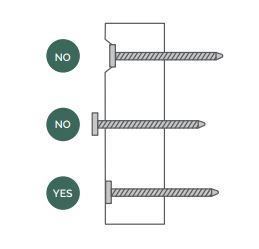
Use stainless steel or coated screws designed for cedar. These resist rust and stains that harm wood. Drive screws straight and flush with the surface. Avoid over-tightening, which can crush the wood.
For nails, use ring-shank or spiral-shank types. These hold better in cedar and reduce loosening. Space fasteners evenly to spread pressure and keep boards stable.
Avoiding Common Installation Mistakes
Do not use plain steel fasteners; they cause rust and stains. Avoid driving fasteners too close to edges. This leads to splitting and weak joints. Skip hammering nails too hard to prevent wood damage.
Check for knots or cracks in cedar before fastening. Place fasteners away from these weak spots. Taking care during installation extends your cedar project’s life.
Maintenance And Replacement
Fasteners hold cedar wood in place and keep structures strong. Proper maintenance helps extend their life and prevents damage. Replacing worn or damaged fasteners keeps your cedar safe and looking good. This section covers how to spot problems and maintain your fasteners.
Signs Of Fastener Failure
Rust or corrosion on fasteners shows they may fail soon. Loose or wobbly nails and screws mean the wood is not secure. Wood around fasteners that cracks or splits points to fastener issues. Stains or dark spots near fasteners can indicate water damage.
Regular Inspection Guidelines
Check fasteners every few months, especially in wet areas. Look closely for rust, looseness, or wood damage. Use a screwdriver or hammer to test if fasteners are tight. Inspect after storms or heavy weather for new problems. Keep a record of inspections to track changes over time.
When And How To Replace Fasteners
Replace fasteners if they show rust, looseness, or damage. Remove old fasteners carefully to avoid wood damage. Use new fasteners made for cedar, like stainless steel or coated screws. Install fasteners straight and flush with the wood surface. Check replaced fasteners regularly to ensure they stay secure.

Credit: www.youtube.com
Environmental Factors Affecting Fasteners
Choosing the right fasteners for cedar depends on several environmental factors. These factors affect how fasteners hold up over time. Understanding these helps pick the best materials and coatings for lasting results.
Fasteners face different challenges indoors and outdoors. Moisture, temperature, and sunlight can cause rust and damage. Cedar wood is natural and reacts with metals. This reaction can speed up corrosion and weaken fasteners.
Outdoor Vs. Indoor Use
Outdoor fasteners must resist rain, humidity, and dirt. Stainless steel or coated fasteners work best outside. They stop rust and hold strong through weather changes.
Indoor fasteners face less moisture and dirt. Plain steel or zinc-coated nails may work well inside. They cost less and last longer without harsh weather.
Climate And Moisture Impact
High humidity or frequent rain speeds up metal corrosion. Salt air near oceans causes rust fast. Fasteners with special coatings or stainless steel resist moisture well.
Dry climates put less stress on fasteners. Still, temperature swings can cause metal to expand and contract. Choose flexible and durable materials in these areas.
Uv And Temperature Effects
Sunlight breaks down some fastener coatings over time. UV rays cause paint or plating to peel and crack. Stainless steel resists UV damage better than coated metals.
Heat makes metals expand and cold makes them shrink. This can loosen fasteners or crack the wood. Fasteners must handle these changes without failing.
Credit: sbccedar.com
Frequently Asked Questions
What Types Of Fasteners Work Best With Cedar Wood?
Stainless steel and hot-dipped galvanized fasteners work best with cedar. They resist corrosion caused by cedar’s natural oils. Avoid plain steel to prevent rust and staining. These fasteners ensure long-lasting, secure connections and preserve cedar’s appearance and durability.
Why Avoid Using Plain Steel Fasteners With Cedar?
Plain steel fasteners rust quickly when used with cedar. Cedar’s natural oils cause corrosion that leads to rust stains. Rust weakens the fasteners and damages the wood’s surface. Using corrosion-resistant fasteners prevents these issues and extends the lifespan of your project.
Can Cedar Wood Cause Corrosion In Metal Fasteners?
Yes, cedar’s natural oils accelerate corrosion in non-resistant metals. This can damage fasteners and wood over time. Using stainless steel or galvanized fasteners prevents corrosion and maintains structural integrity. Proper fastener choice protects both the wood and the hardware.
Are Stainless Steel Fasteners Necessary For Outdoor Cedar Projects?
Yes, stainless steel fasteners are essential for outdoor cedar. They resist moisture, rust, and cedar oils, ensuring durability. Outdoor conditions speed up corrosion in non-resistant fasteners. Stainless steel guarantees a longer-lasting, stable build with minimal maintenance.
Conclusion
Choosing the right fasteners keeps cedar strong and lasting. Use stainless steel or coated nails to prevent rust. Avoid regular steel nails; they cause stains and damage. Screws work well for a tighter hold. Proper fasteners help your cedar resist weather and wear.
This makes your project look good for years. Always match fasteners to your cedar type and use. Small details make a big difference in woodwork quality. Take care, and your cedar will stay beautiful and strong.