When working with Tyvek, choosing the right fasteners can make all the difference in your project’s success. You might think any nail or staple will do, but using the wrong fasteners can cause damage or reduce Tyvek’s effectiveness.
Are you confident that you’re picking the best options to keep your work secure and lasting longer? You’ll discover exactly which fasteners work best with Tyvek—and why it matters for your home’s protection. Keep reading to make sure your next project is done right the first time.
Credit: www.parksite.com
Tyvek Basics
Tyvek is a popular material known for its durability and versatility. It is often used in construction and packaging. Understanding Tyvek basics helps in choosing the right fasteners for it. This section covers the essential properties and common uses of Tyvek.
Material Properties
Tyvek is made from high-density polyethylene fibers. It feels like paper but is stronger and tear-resistant. The material is water-resistant but allows moisture vapor to pass through. It resists mold, mildew, and UV damage. Tyvek is lightweight and flexible, making it easy to handle.
Common Applications
Builders use Tyvek as a house wrap to protect walls. It keeps water out but lets air flow, reducing mold risks. Tyvek also appears in envelopes, protective apparel, and medical packaging. Its strength and breathability make it ideal for many projects. Knowing these uses helps pick suitable fasteners for Tyvek.

Credit: www.stingerworld.com
Fastener Types
Choosing the right fasteners for Tyvek is important for a strong hold. Tyvek is a breathable, water-resistant material used in building. Different fastener types work best for different jobs. Understanding each type helps you pick the best option.
Fasteners must hold Tyvek securely without tearing it. The right fastener keeps the material tight and protects your home.
Nails
Nails are common for attaching Tyvek to wood. Use corrosion-resistant nails to prevent rust. Smooth or ring-shank nails provide good grip. Make sure nails are long enough to hold through Tyvek and into wood. Avoid over-driving nails to stop damage to Tyvek.
Staples
Staples work well for light, quick fastening. Use stainless steel staples to avoid rust. Staples hold Tyvek flat against surfaces. Choose staples with wide crowns to spread pressure. Be careful not to tear Tyvek when stapling.
Screws
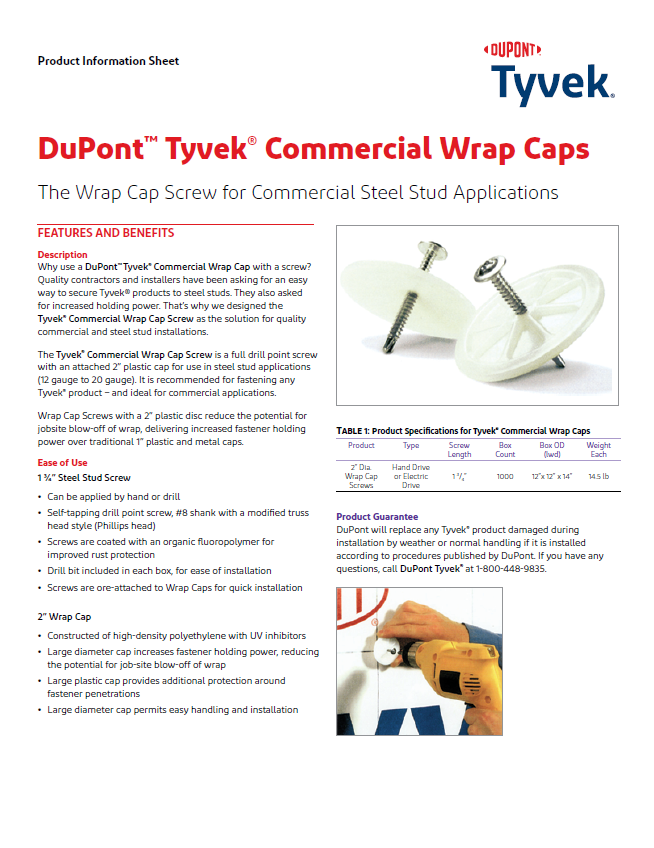
Screws offer strong, durable fastening for Tyvek. Use screws with washers to protect the material. Choose corrosion-resistant screws for outdoor use. Pre-drill holes to prevent Tyvek damage. Screws work well on wood and metal frames.
Cap Nails And Washers
Cap nails and washers provide extra hold and protection. The cap spreads pressure over a larger area. This stops tears and damage to Tyvek. Use plastic caps with galvanized nails for weather resistance. This combination works best on siding and trim.
Choosing Fasteners For Tyvek
Choosing the right fasteners for Tyvek is important for a strong, lasting hold. Tyvek is a lightweight, breathable material used in building wraps. It needs fasteners that do not damage its protective layer. The correct fasteners keep Tyvek secure against wind and weather. This section helps you pick fasteners that work well with Tyvek.
Compatibility With Tyvek
Fasteners must not tear or puncture Tyvek. Use fasteners with smooth edges. Plastic cap nails or staples are common choices. These spread pressure evenly on Tyvek’s surface. Avoid sharp or large fasteners that can cause holes. Choose materials that do not react with Tyvek’s polyethylene fibers.
Weather Resistance
Fasteners face sun, rain, and wind outdoors. Rust-resistant fasteners last longer. Stainless steel or galvanized metal fasteners resist corrosion. Plastic fasteners also withstand weather well. Weather-resistant fasteners keep Tyvek attached during storms. They prevent rust stains on the building’s exterior.
Durability Factors
Fasteners need strength to hold Tyvek tight. Nails should be long enough for a firm grip. Staples must penetrate framing without bending. Fasteners with wide heads prevent pull-through. Durability ensures Tyvek stays in place for years. Choose fasteners designed for outdoor construction use.
Installation Techniques
Installing Tyvek correctly ensures the building stays protected and energy-efficient. Using the right fasteners and techniques helps keep the material secure. Proper installation also prevents damage and air leaks. Below are key methods to follow during the installation process.
Proper Fastener Placement
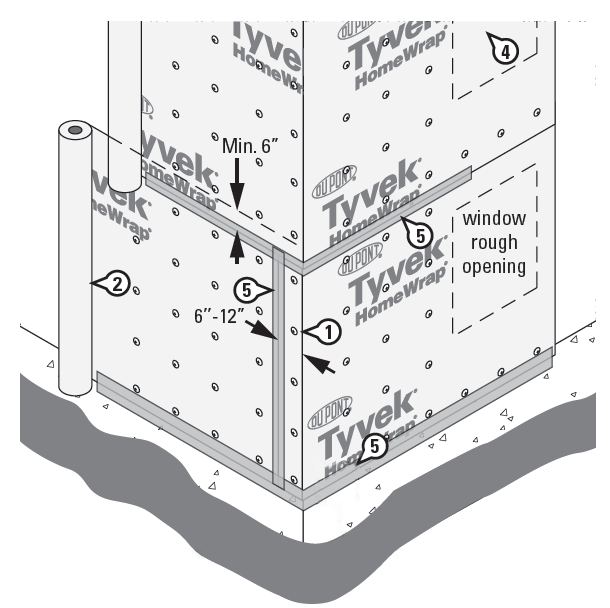
Place fasteners evenly across the Tyvek surface. Space them about 12 to 16 inches apart. Avoid placing fasteners too close to the edges. This prevents tearing and ensures a tight fit. Use fasteners designed for house wrap materials. Nails or staples with large heads work best.
Avoiding Tyvek Damage
Do not overdrive fasteners into Tyvek. Overdriving can puncture or tear the material. Use just enough pressure to hold it in place. Avoid sharp or rough fasteners that may cut the wrap. Handle Tyvek carefully during installation. Keep it clean and dry for best results.
Securing Corners And Edges
Corners and edges need extra attention. Fold the Tyvek neatly at corners for a smooth fit. Use additional fasteners around edges to prevent lifting. Seal edges with tape designed for house wraps. This stops moisture and wind from entering. Proper sealing extends the life of the Tyvek.
Tools For Fastening Tyvek
Choosing the right tools for fastening Tyvek is important for a secure installation. Tyvek is a delicate house wrap that needs careful handling. The right tools make the job easier and help avoid damaging the material. This section covers the best tools to use with Tyvek.
Recommended Nail Guns
Nail guns speed up the fastening process and provide strong holds. For Tyvek, use pneumatic nail guns with adjustable depth settings. This prevents nails from going too deep and tearing the wrap. Look for lightweight models to reduce hand fatigue. Nails with large heads work well to hold Tyvek firmly.
Staple Guns Options
Staple guns are another good choice for fastening Tyvek. Choose a staple gun that shoots narrow crown staples. These staples hold the wrap without causing big holes. Manual staple guns offer control, but electric or pneumatic models save time on large projects. Make sure staples are rust-resistant to last outdoors.
Hand Tools
Hand tools work well for small jobs or touch-ups. Use hammer and cap nails to secure Tyvek carefully. Caps spread the pressure and protect the wrap from tearing. Hand tools give more control but take longer than power tools. Carry them as backup tools on site for quick fixes.
Common Mistakes To Avoid
Using the right fasteners with Tyvek is crucial for a strong, weatherproof barrier. Many people make simple mistakes that reduce the material’s effectiveness. Avoiding these errors ensures your Tyvek stays intact and protects your home well. Here are common mistakes to watch out for.
Overdriving Fasteners
Driving fasteners too deep can damage Tyvek. It tears the material or creates holes that let water in. Fasteners should be snug, not tight. Leave a little space so Tyvek remains sealed and flexible.
Incorrect Fastener Size
Using the wrong fastener size weakens the installation. Too short fasteners won’t hold Tyvek firmly. Too long fasteners can poke through walls or cause bulges. Choose fasteners that fit the thickness of your wall and Tyvek layers.
Ignoring Manufacturer Guidelines
Every Tyvek product has specific instructions. Ignoring these can lead to poor performance and damage. Follow the manufacturer’s fastener type, size, and spacing rules exactly. This keeps your barrier strong and effective for years.
Maintenance And Inspection
Proper maintenance and inspection of fasteners used with Tyvek are essential. These steps help keep Tyvek effective and protect your building. Regular checks ensure fasteners stay strong and secure. This prevents damage and costly repairs.
Checking Fastener Integrity
Look closely at all fasteners holding Tyvek. Check for rust, looseness, or missing pieces. Fasteners must hold the material tightly without gaps. Use a flashlight to see hidden areas well. Early detection of issues saves time and money.
Replacing Damaged Fasteners
Remove any fasteners that show signs of wear or damage. Use new fasteners made for use with Tyvek. Avoid nails or screws that rust quickly or are too weak. Secure the new fasteners firmly but avoid tearing Tyvek. Proper replacement keeps the barrier strong and intact.
Long-term Tyvek Performance
Good fastener care extends Tyvek’s lifespan. It keeps water and air from entering walls. Regular maintenance prevents holes and tears. This means your home stays safer and more energy-efficient. Check fasteners at least once a year for best results.
Credit: www.diyhomecenter.com
Frequently Asked Questions
What Fasteners Work Best With Tyvek House Wrap?
Plastic cap nails and corrosion-resistant staples work best with Tyvek. They prevent tearing and ensure a secure hold. Avoid using smooth nails that can damage the wrap and reduce its effectiveness.
Can You Use Staples To Fasten Tyvek?
Yes, stainless steel or galvanized staples are ideal for Tyvek. They hold the wrap firmly without causing damage. Use wide crown staples to distribute pressure evenly and maintain the wrap’s integrity.
Are Corrosion-resistant Nails Necessary For Tyvek Installation?
Yes, corrosion-resistant nails prevent rust and damage to Tyvek. They ensure long-lasting performance and protect the wrap from moisture-related issues. Zinc-coated or stainless steel nails are commonly recommended.
How Far Apart Should Fasteners Be Placed On Tyvek?
Fasteners should be spaced 12 to 16 inches apart on Tyvek. This spacing secures the wrap without over-stressing it. Follow manufacturer guidelines for optimal installation and performance.
Conclusion
Choosing the right fasteners keeps Tyvek strong and secure. Nails, staples, and screws work well with Tyvek sheets. Use corrosion-resistant fasteners to prevent damage over time. Proper installation helps Tyvek protect your building from air and water. Always follow manufacturer advice for best results.
Good fasteners make your project last longer and stay safe. Simple steps lead to better building protection. Trust the right tools to get the job done right.

