Have you ever wondered who came up with the simple yet brilliant idea behind the hook and loop fastener? This small invention has made your life easier in countless ways—from your shoes to your bags and even sports gear.
Knowing the story behind it can change how you see everyday things around you. Keep reading, and you’ll discover the surprising mind and clever moments that brought this handy fastener to life. Your next “aha” moment is just ahead!
Credit: www.velcro.com
Early Inspirations
The invention of the hook and loop fastener did not appear out of nowhere. It grew from simple observations and ideas inspired by nature and early experiments. Understanding these early inspirations helps us see how a common fastener came to be.
Nature’s Influence
The way burrs stuck made people think about easy ways to close clothing. The idea was simple but clever. Nature’s design was a perfect example of a strong but reusable grip.
Initial Concepts
Early inventors studied the burrs and tried to copy their hook and loop system. They tested materials and shapes to make a practical fastening method. The goal was to create something easy to use and hold firmly.
These initial ideas laid the foundation for the modern hook and loop fastener. Inventors worked on making hooks and loops with synthetic materials. This helped create a fastener that was durable and worked well on different fabrics.
The Inventor’s Journey
The story of the hook and loop fastener begins with one man’s curiosity and persistence. His journey shows how simple ideas can lead to useful inventions. The process was full of trials and learning.
This section explores the inventor’s background and the key experiments that shaped the final product.
Background And Motivation
George de Mestral, a Swiss engineer, invented the hook and loop fastener. He was inspired by nature. One day, he noticed burrs stuck to his clothes after a walk. This sparked a question: How do burrs stick so well?
He wanted to create a fastener that was easy to use and could replace buttons or zippers. His goal was simple—make fastening quick and strong.
Key Experiments
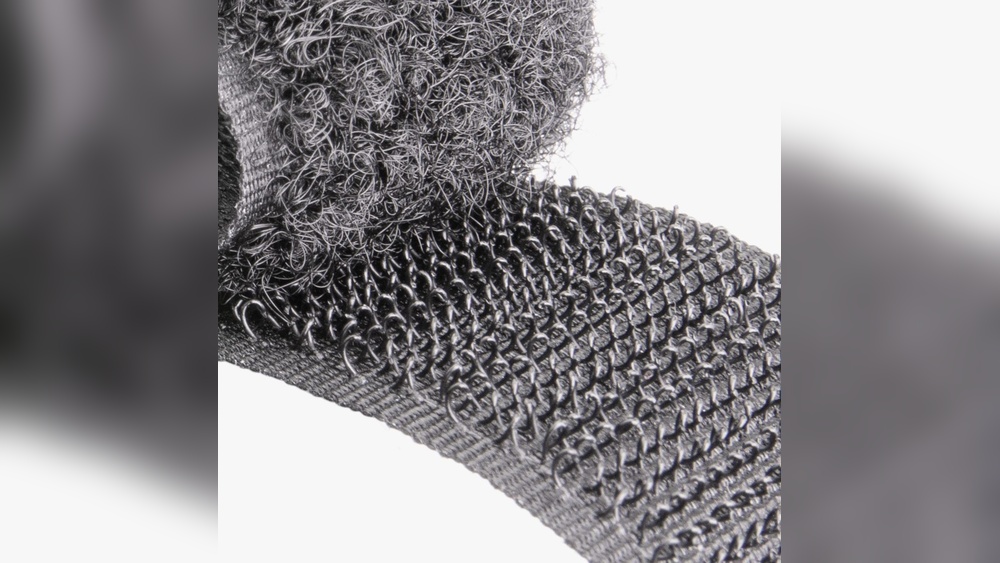
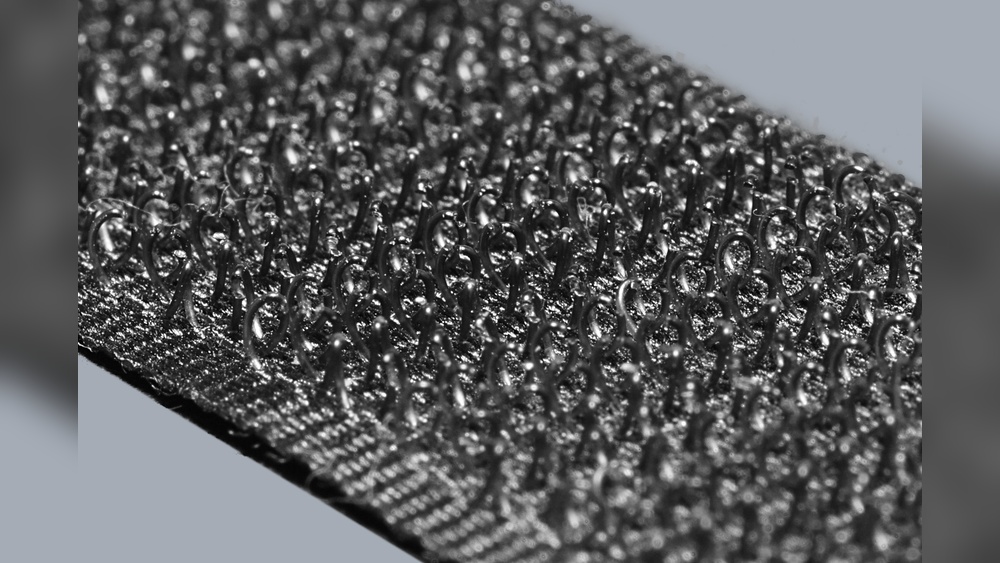
De Mestral studied the burrs under a microscope. He saw tiny hooks that caught on loops in fabric. This observation led him to try making a similar system.
He tested many materials and shapes for hooks and loops. Early attempts failed due to weak hold or hard use. After many tries, he found the right nylon thread and design.
His persistence paid off in 1948. The hook and loop fastener was born. It combined strength, ease, and reusability.
Patent And Development
The story of hook and loop fastener is a tale of clever invention and persistence. The invention did not appear overnight. It took time and effort to develop a product that worked well. The inventor had to protect his idea through a patent. This step was key to ensure the invention’s success.
The patent and development phase marks the birth of this now-common fastener. It shows how a simple concept turned into a practical tool. The process included filing a patent and overcoming many challenges. Each step helped improve the design and make it ready for the market.
Filing The Patent
The inventor filed a patent in 1955. The patent described a new type of fastener. It used tiny hooks and loops to stick together. This design was different from buttons or zippers. The patent gave legal protection to the invention. It stopped others from copying the idea. This was important to secure the inventor’s rights.
Challenges Faced
Creating the hook and loop fastener was not easy. The first versions did not work perfectly. The hooks were often too weak or too sharp. The loops sometimes wore out quickly. The inventor had to test many materials. Finding the right fabric and shape took time. Manufacturing the fastener on a large scale was tough. These challenges delayed the product’s launch. Yet, the inventor kept improving the design until it was strong and reliable.

Credit: www.hookandloop.com
Evolution Of The Fastener
The hook and loop fastener has a rich history of change and growth. Its invention sparked many ideas for improvement. Over time, this simple fastener became a common tool in homes and industries. The story of its evolution shows human creativity and practical thinking.
Improvements Over Time
After its invention, many changes made the fastener better. The hooks and loops were made stronger and more durable. Different materials were tested to improve grip and comfort. Designers worked on making it easier to use and safer on skin. These improvements helped the fastener fit many new purposes.
Commercialization
The fastener moved from invention to market quickly. Early users included the military and medical fields. Its ease of use made it popular for clothing and shoes. Companies began mass-producing the fastener for everyday use. Advertising helped spread its benefits worldwide. Today, it is found in many products everywhere.
Impact On Industries
The invention of the hook and loop fastener brought big changes to many industries. Its simple design makes it easy to use and very practical. Many fields found new ways to use this fastener. It saves time and effort in many tasks. The impact stretches across fashion, medicine, and other areas. This section explores these important uses.
Fashion And Apparel
Clothing designers use hook and loop fasteners to improve comfort. Shoes, jackets, and bags often have this fastener. It replaces buttons and zippers for quick closing. Kids’ clothing benefits a lot. It helps children dress themselves easily and fast. Sportswear uses it to hold gear securely. The fastener is strong but gentle on fabrics.
Medical Uses
Hospitals use hook and loop fasteners for many tools and gear. Bandages and braces use it to fit tightly without pain. Patients can adjust their own supports easily. Wheelchairs and medical devices use it for safety. It helps keep parts in place without screws or clips. This fastener makes hospital care more comfortable and efficient.
Other Applications
Hook and loop fasteners appear in many other fields. In the military, it holds gear firmly during movement. In homes, it secures items like curtains and cushions. Electronics use it to keep cables neat and organized. Craft projects often use it for quick attachments. The fastener’s versatility makes it useful everywhere.
Modern Innovations
Modern innovations have changed hook and loop fasteners in many ways. These changes improve strength, comfort, and usability. The fasteners now work better for many new uses. The materials and designs keep evolving to meet new needs.
New Materials
New materials make hook and loop fasteners stronger. Some use plastic that resists heat and water. Others use soft fibers for comfort on skin. These materials help fasteners last longer. They also expand the fastener’s use in sports and medicine.
Advanced Designs
Designs now focus on better grip and easy use. Some fasteners have smaller hooks for delicate fabrics. Others have bigger hooks for heavy-duty jobs. Some designs reduce noise when opened. These changes make fasteners fit more needs well.
Fun Facts And Trivia
Did you know that the hook and loop fastener was invented by George de Mestral? He got the idea from burrs sticking to his clothes during a walk in the woods. This simple invention is now used worldwide in shoes, clothes, and more.
Surprising Origin Story
The hook and loop fastener was invented by a Swiss engineer named George de Mestral. He created it in 1941 after a walk in the woods. Curious about burrs sticking to his clothes, he studied them under a microscope. This simple observation led to a new fastening idea.
Natural Inspiration Behind The Design
The design mimics tiny hooks on burrs that catch on loops in fabric. Nature was the original inventor. This natural mechanism gave birth to a practical invention now used worldwide.
Initial Challenges And Success
De Mestral worked years to develop the fastener. Early materials wore out quickly, so he experimented with nylon. In 1955, the hook and loop fastener hit the market. It quickly gained popularity for its ease and strength.
Wide Range Of Uses
This fastener appears in shoes, clothes, and even space suits. NASA used it on space missions for its reliability. Schools and hospitals rely on it for safety and convenience.
Patents And Legal Battles
De Mestral held patents worldwide. Many companies tried copying the idea. Legal fights over patents shaped the product’s history. These battles helped improve the fastener’s quality and design.
Credit: www.bondproducts.com
Frequently Asked Questions
Who Invented The Hook And Loop Fastener?
The hook and loop fastener was invented by Swiss engineer George de Mestral in 1941. He created it after observing burrs sticking to his clothes and his dog’s fur during a walk.
When Was The Hook And Loop Fastener Invented?
The hook and loop fastener was invented in 1941 by George de Mestral. He patented it in 1955 after perfecting the design for practical use.
How Does The Hook And Loop Fastener Work?
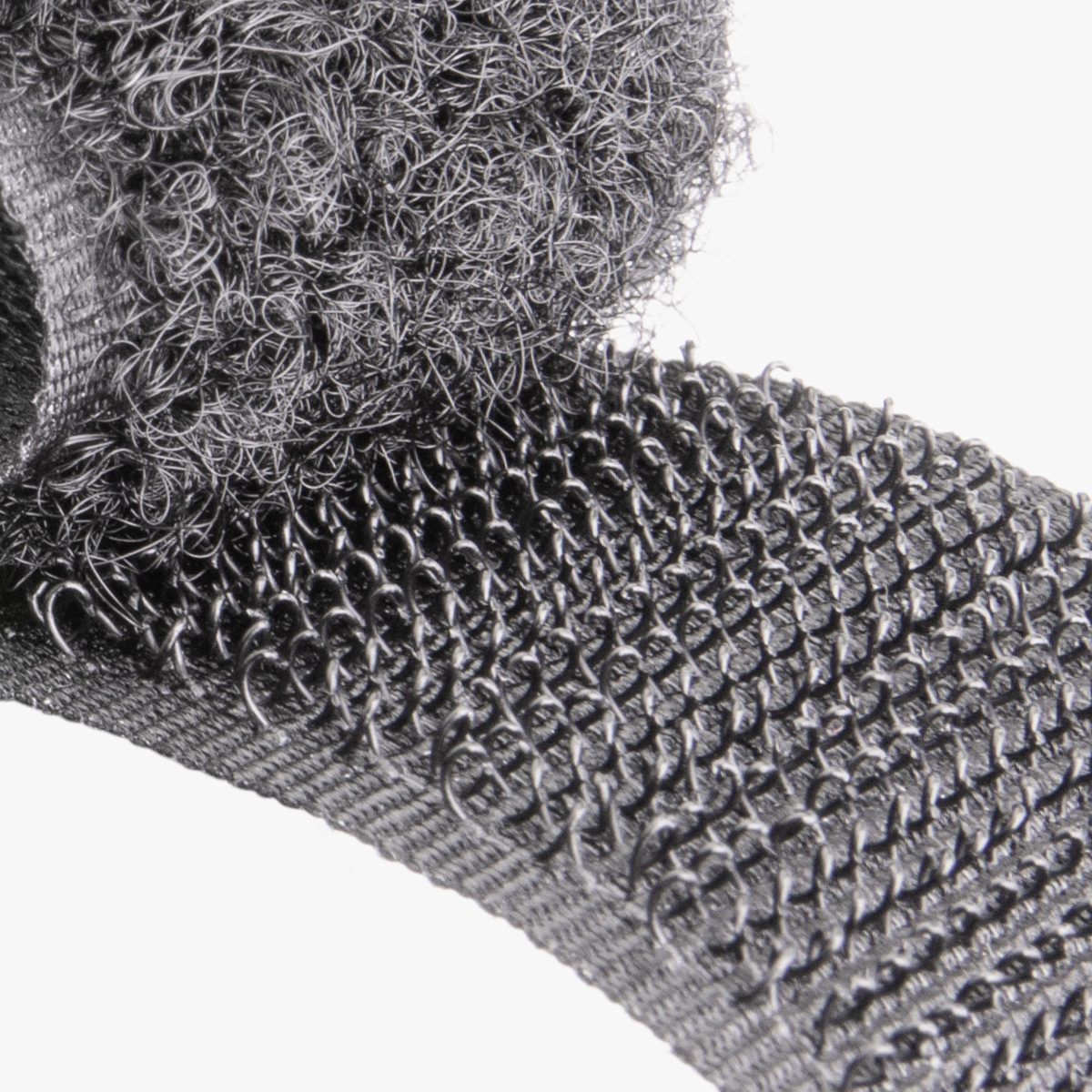
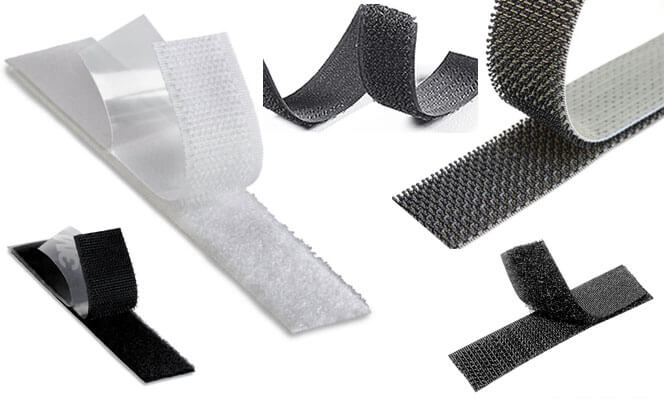
The fastener uses two components: hooks on one side and loops on the other. When pressed together, the hooks catch the loops, creating a secure closure.
What Inspired The Invention Of Hook And Loop Fasteners?
George de Mestral was inspired by burrs clinging to his clothing and his dog’s fur. This natural phenomenon led him to create a reusable fastening system.
Conclusion
George de Mestral invented the hook and loop fastener in 1941. He found inspiration from burrs sticking to his clothes. This simple idea led to a useful and common fastening tool. Today, hook and loop fasteners help in many daily tasks.
They are easy to use and strong. The invention shows how nature can inspire human creativity. This fastener remains popular worldwide for many reasons. It changed how we fasten things quickly and safely. Its story reminds us to observe the world closely.
Innovation can come from small, everyday moments.