Have you ever wondered what makes your shoes, bags, or jackets so easy to open and close? The secret often lies in something called Velcro fastening.
It’s a simple yet clever invention that saves you time and effort every day. If you’ve ever struggled with tricky buttons or zippers, understanding Velcro can change the way you think about fasteners forever. Keep reading, and you’ll discover how this small but powerful tool works, why it’s so popular, and how it might just make your life easier in unexpected ways.
Basics Of Velcro
Velcro fastening is a simple and clever way to join two pieces of fabric. It is used in clothes, shoes, bags, and many other items. This fastening is easy to use and strong enough to hold things together securely. Understanding the basics of Velcro helps to see why it became so popular around the world.
Origins And Invention
Velcro was invented by a Swiss engineer named George de Mestral in 1941. He noticed how burrs stuck to his clothes and his dog’s fur after walking in the forest. This gave him the idea to create a new type of fastener. He spent years studying the burrs under a microscope. Finally, he designed two strips that could stick together like the burrs did. The name Velcro comes from the French words “velour” and “crochet,” meaning soft and hook.
How Velcro Works
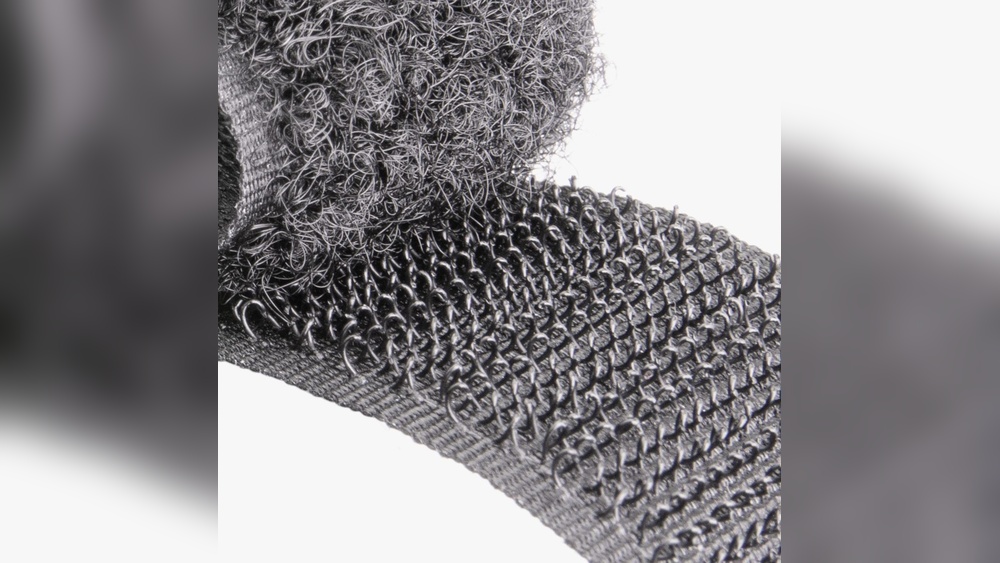
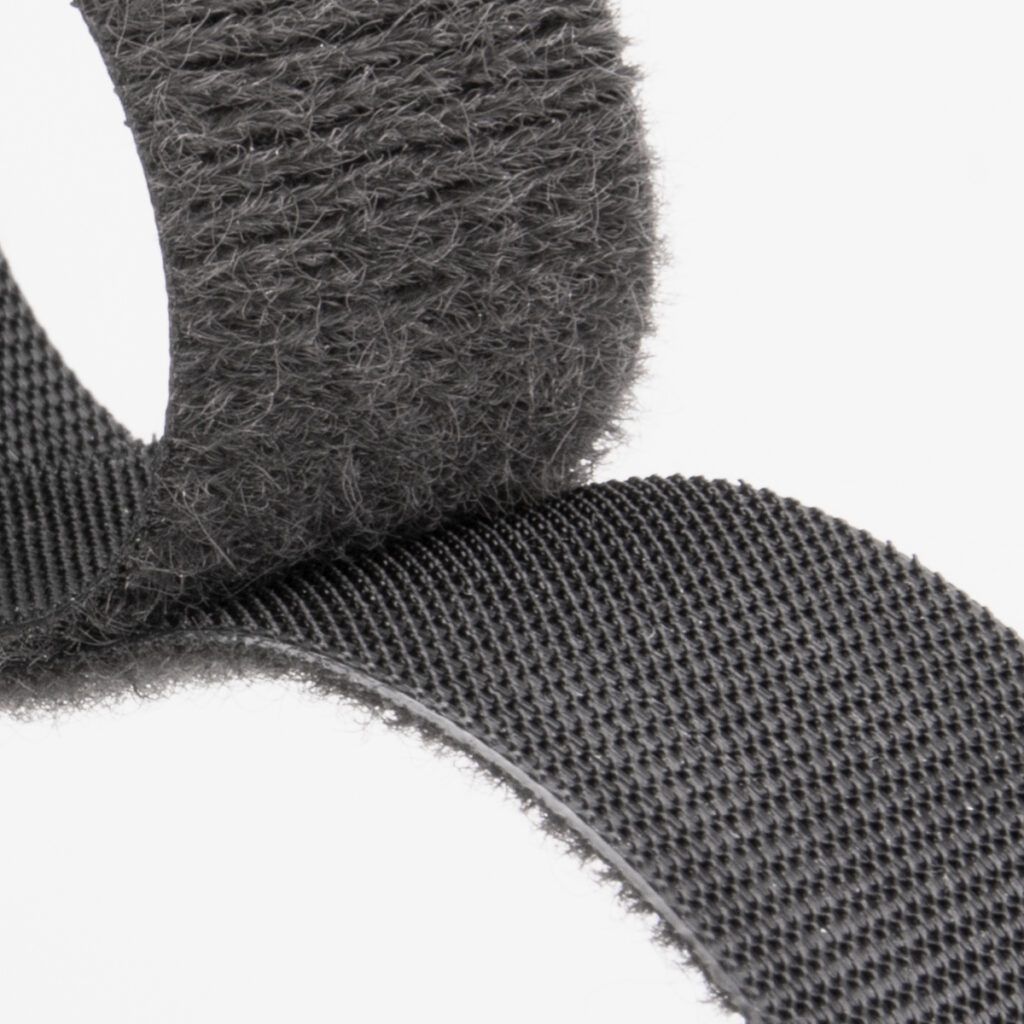
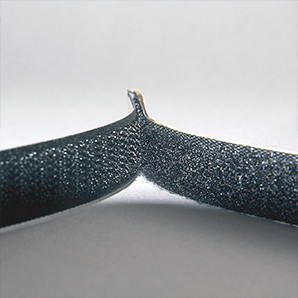
Velcro has two parts. One side has tiny hooks, and the other side has small loops. When pressed together, the hooks catch the loops. This creates a strong bond that holds the two pieces firmly. You can pull them apart easily by peeling the strips. This makes Velcro very useful for quick and repeated fastening. It works well on many surfaces and can be sewn or glued onto fabrics.
Types Of Velcro
There are several types of Velcro for different uses. Sew-on Velcro is common for clothes and bags. It has soft fabric backing and can be stitched easily. Adhesive Velcro has glue on the back and sticks to surfaces without sewing. Industrial Velcro is stronger and used for heavy objects. Some Velcro comes in different colors or shapes to match the item. Choosing the right type depends on the purpose and material.
Credit: www.velcro.com
Benefits Of Velcro Fastening
Velcro fastening offers many benefits that make it a popular choice in various fields. It provides a simple and reliable way to join materials without complex tools or techniques. Its design allows quick attachment and detachment, saving time and effort.
This fastening method combines ease, strength, and flexibility, making it suitable for many uses. Understanding these benefits helps appreciate why Velcro remains widely used worldwide.
Ease Of Use
Velcro is simple to use for people of all ages. Just press the two sides together, and they stick firmly. Pull them apart easily when needed, without strain or tools. This makes Velcro perfect for clothing, shoes, and everyday items.
Strength And Security
Despite its simple design, Velcro holds strongly. The tiny hooks and loops grip tightly, preventing accidental openings. This ensures safety in many applications, from sports gear to medical devices. The secure hold gives confidence in daily use.
Versatility Across Applications
Velcro works well on many surfaces and materials. It attaches to fabric, plastic, metal, and more. Used in fashion, home, industry, and healthcare, Velcro adapts easily. Its flexibility meets different needs without special adjustments.
Common Uses Of Velcro
Velcro fastening is a simple and useful invention. It helps join two surfaces quickly and easily. Its design allows repeated opening and closing without damage. This makes it popular in many daily items. People use Velcro in different areas to save time and effort. Below are some common uses of Velcro fastening.
Clothing And Accessories
Velcro is common in clothing for children and adults. Shoes often use Velcro straps for easy wear. Jackets, hats, and gloves sometimes have Velcro closures. It helps adjust sizes for a better fit. Bags and wallets also use Velcro for secure pockets. This fastening is safe for those who struggle with buttons or zippers.
Home And Office
Velcro is useful around homes and offices. It holds cables and wires neatly in place. Wall hooks with Velcro keep pictures and decorations secure. It attaches remote controls and small devices to surfaces. Furniture pads with Velcro prevent slipping and scratching. It helps organize spaces without nails or screws.
Sports And Outdoors
Velcro is popular in sports gear and outdoor equipment. Shoes, knee pads, and gloves often use Velcro fasteners. It secures tents, sleeping bags, and backpacks. Cyclists use Velcro straps to fasten helmets and accessories. This fastening keeps gear in place during active movement.
Credit: www.plasticmetall.com
Choosing The Right Velcro
Choosing the right Velcro is key to making your project work well. The type of Velcro you pick affects how strong and useful it will be. Think about where and how you will use it. Different Velcro types suit different tasks.
Material Considerations
Velcro comes in many materials like nylon and polyester. Nylon is soft and flexible. Polyester is more durable and water-resistant. Choose a material that fits your needs. Indoor projects may use lighter materials. Outdoor use needs stronger, weather-proof types.
Size And Strength Options
Velcro strips vary in width and length. Wider strips hold more weight and stick better. Thin strips work for light tasks or small items. Consider the force the Velcro must hold. Stronger Velcro suits heavy or frequently opened items. Match size and strength to your project.
Adhesive Vs Sew-on
Velcro can have adhesive backing or be sew-on. Adhesive Velcro is easy to stick on smooth surfaces. It works well for quick fixes. Sew-on Velcro is more secure and lasts longer. It fits fabric and rough surfaces best. Pick based on how permanent and strong you want the bond.
Tips For Effective Velcro Use
Velcro fastening is simple but needs some care to work well. Small steps help Velcro last longer and hold tight. Follow these tips for the best results.
Proper Attachment Techniques
Press the hook side firmly on the loop side. Make sure both parts are clean and dry. Avoid stretching the Velcro while attaching. Align the strips straight for a strong hold. Press along the entire length to secure fully.
Maintenance And Cleaning
Keep Velcro free from dirt and lint. Use a soft brush to clean hooks and loops gently. Wash Velcro with mild soap and water if needed. Let it air dry completely before using again. Avoid heat or harsh chemicals that can damage it.
Troubleshooting Common Issues
Weak hold? Check for dirt stuck in hooks or loops. Clean thoroughly to restore grip. If Velcro peels off fabric, sew it back carefully. Replace Velcro if hooks or loops are worn out. Store Velcro items flat to avoid bending or damage.
Innovations In Velcro Technology
Velcro fastening has evolved beyond its original design. New technology brings fresh ideas and improvements. These changes make Velcro more useful and friendly to the environment. They also make it last longer and work smarter in different uses.
Eco-friendly Materials
Velcro now uses materials that harm nature less. Manufacturers choose recycled and biodegradable fabrics. This reduces plastic waste and pollution. Eco-friendly Velcro helps protect forests and oceans. It fits well in products that care about the planet.
Enhanced Durability
Recent advances make Velcro stronger and longer-lasting. New weaving techniques improve the hook and loop bond. This means it can hold tight even after many uses. It resists water, heat, and dirt better. Durable Velcro is perfect for outdoor gear and clothing.
Smart And Specialized Fasteners
Velcro fasteners now come with smart features. Some open with less noise for quiet use. Others have special shapes for specific tasks. Velcro appears in medical tools and sports equipment. These fasteners adapt to different needs easily.

Credit: www.seattlefabrics.com
Frequently Asked Questions
What Is Velcro Fastening Made Of?
Velcro fastening consists of two strips: one with tiny hooks and another with soft loops. When pressed together, they create a strong, reusable bond. This design allows easy fastening and unfastening without tools or adhesives, making Velcro a practical choice for many uses.
How Does Velcro Fastening Work?
Velcro fastening works by interlocking tiny hooks and loops on two fabric strips. When pressed together, the hooks catch the loops, holding the materials firmly. This connection is strong yet easy to separate by pulling the strips apart, allowing quick and convenient fastening.
Where Is Velcro Fastening Commonly Used?
Velcro fastening is commonly used in clothing, shoes, bags, and sports gear. It also appears in medical devices, child products, and industrial applications. Its ease of use and durability make Velcro a popular choice for many everyday and specialized items.
Why Is Velcro Fastening Popular?
Velcro fastening is popular due to its simplicity, strength, and reusability. It provides quick fastening without buttons or zippers. Velcro is versatile, durable, and works well in various conditions, making it a convenient fastening option for many users.
Conclusion
Velcro fastening offers a simple and strong way to join materials. It works with tiny hooks and loops that stick together easily. People use Velcro in clothes, shoes, and many other items. It saves time and effort compared to buttons or zippers.
This fastening method is useful for all ages and skills. Knowing how Velcro works helps you choose the right fastener. Small, handy, and reliable—Velcro stays popular for many reasons. Try it yourself and see how easy fastening can be.