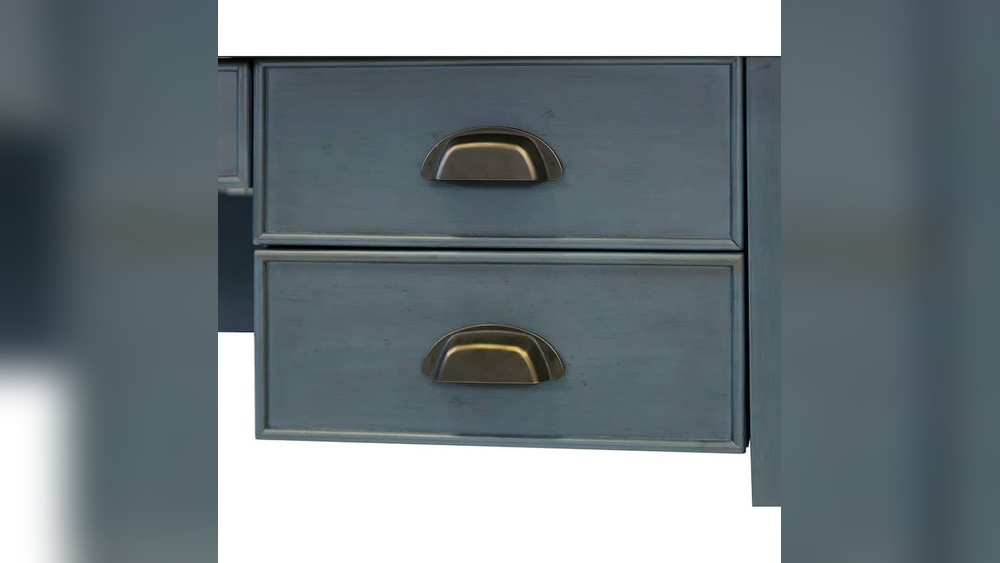
Are you ready to give your cabinets a fresh, stylish look but unsure where to place the hardware? Choosing the right spot for cabinet handles and knobs can make a big difference in both appearance and ease of use.
If you’ve ever struggled with awkward drawer pulls or handles that just don’t feel right, this guide is for you. Keep reading to discover the simple secrets to installing cabinet hardware perfectly every time—making your space look polished and working smoothly without any guesswork.
Credit: ourhomefromscratch.com
Choosing Hardware Types
Choosing the right hardware for your cabinets is important. It changes the look and feel of your space. Hardware also affects how easy it is to open drawers and doors. Think about the style and function before picking hardware types. This guide helps you decide which hardware suits your cabinets best.
Knobs Vs Pulls
Knobs are small and simple. They fit on one spot on the door or drawer. They work well for light use and smaller cabinets. Pulls are longer and need two screws. They give better grip and support heavier doors. Pulls suit bigger drawers and busy kitchens. Choose knobs for a subtle look. Pick pulls for a bold, modern touch.
Material And Finish Options
Hardware comes in many materials like metal, wood, and plastic. Metal is most common and very durable. Popular finishes include brushed nickel, chrome, bronze, and black. Each finish offers a different feel and look. Matte finishes hide fingerprints better than shiny ones. Think about the room’s use and cleaning needs. Select hardware that fits your lifestyle and lasts long.
Matching Hardware To Style
Cabinet hardware should match your room’s style. Classic kitchens suit vintage or ornate hardware. Modern spaces look great with sleek, simple pieces. Rustic rooms work well with wood or iron hardware. Choose hardware that blends with your cabinets and overall decor. Consistency creates a balanced and inviting space. Don’t mix too many styles to avoid a cluttered look.
Credit: renovatedfaith.com
Optimal Placement Heights
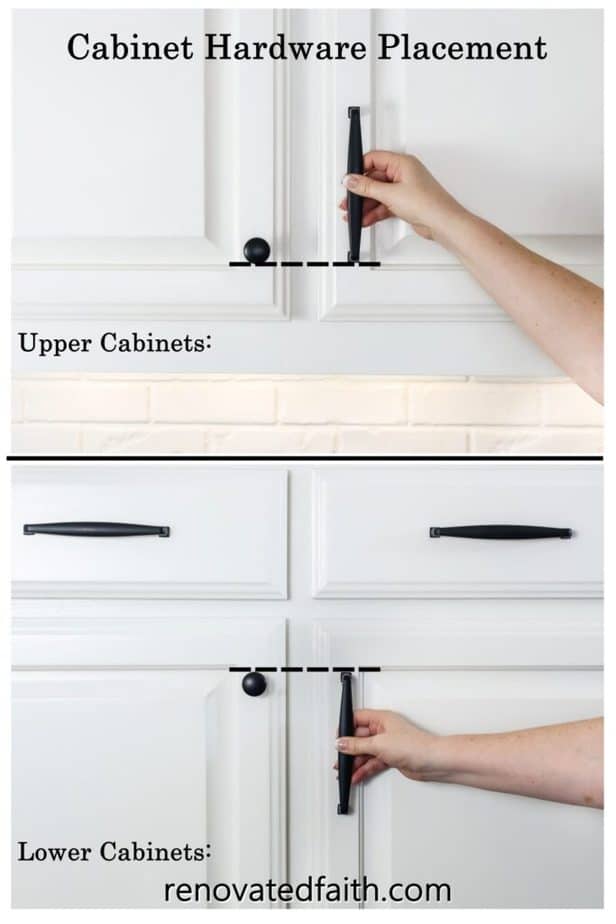
Placing cabinet hardware at the right height makes your kitchen or bathroom easier to use. Proper heights help you open drawers and doors smoothly. It also adds to the room’s style and balance. Choosing the best height depends on the cabinet type and user comfort. Below are common height guidelines for drawers and cabinet doors. These tips make your space look neat and feel natural.
Standard Heights For Drawers
Drawer pulls usually sit in the center of the drawer front. Measure the drawer height and mark the middle point. This spot works well for most drawer sizes. For smaller drawers, place hardware about 2 to 3 inches from the top edge. Large drawers with two pulls need each handle placed evenly. This helps distribute the weight when opening. Consistent placement across drawers keeps the look tidy and uniform.
Recommended Heights For Cabinet Doors
Knobs or handles on cabinet doors often go near the bottom corner of upper cabinets. For lower cabinets, place hardware near the top corner. This setup makes opening easy without bending or reaching too much. Measure about 2 to 3 inches from the cabinet edge for good placement. Consistency across all doors improves the kitchen’s flow. Proper height also prevents hardware from clashing with other design elements.
Placement Techniques
Correct placement of cabinet hardware boosts both style and function. Proper techniques ensure handles and knobs look balanced and feel comfortable. Careful planning helps avoid mistakes and saves time during installation.
Measuring And Marking
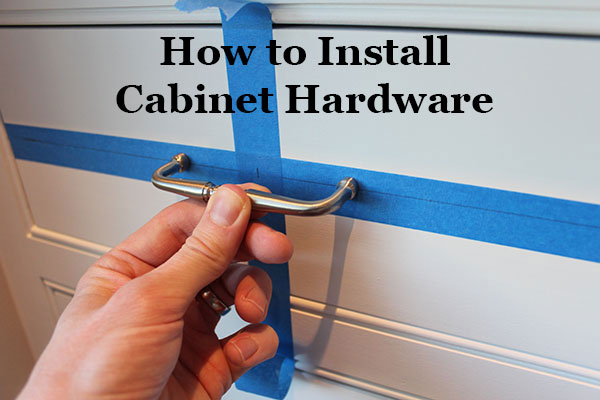
Start by measuring the cabinet door or drawer. Use a ruler or tape measure for accuracy. Mark the spot where the hardware will go with a pencil. Check the height and distance from edges carefully. Consistent markings prevent uneven placement. Double-check all measurements before drilling any holes.
Aligning Hardware Consistently
Use a level to keep hardware straight across cabinets. Align handles and knobs at the same height on all doors. Keep the distance uniform from edges for a neat look. Consistent alignment helps cabinets appear professionally finished. Take your time to ensure each piece matches perfectly.
Special Considerations
Installing cabinet hardware needs extra care for certain types of cabinets. These special cases require different approaches to make sure the hardware fits and works well. Understanding these details helps keep your cabinets both useful and attractive.
Corner Cabinets
Corner cabinets can be tricky. The space is often tight and angles are unusual. Hardware should not block the door from opening fully. Choose knobs or pulls that allow easy grip in small spaces. Sometimes, placing hardware near the edge helps avoid interference with adjacent doors.
Glass Front Cabinets
Glass front cabinets show the inside of your cabinet. Hardware should complement the glass without drawing too much attention. Small, simple knobs or pulls often work best. Avoid hardware that looks heavy or bulky. It keeps the cabinet looking light and elegant.
Custom And Unusual Cabinets
Custom cabinets may not fit standard hardware sizes. Measure carefully before buying anything. Some cabinets have unique shapes or designs. Choose hardware that matches the style and shape of the cabinet. Sometimes, custom hardware is needed for a perfect fit and look.
Tools And Installation Tips
Installing cabinet hardware needs the right tools and careful steps. This section explains the tools you need and tips for a smooth installation. Follow these guidelines to get neat and strong results.
Essential Tools
You need a few basic tools to install cabinet hardware. A tape measure helps mark exact spots. A pencil is useful for making light marks. A drill with the right drill bit makes holes clean. A screwdriver fits screws tightly. A level keeps handles straight. These tools make the job easier and better.
Drilling And Fixing Hardware
Mark the spot carefully before drilling. Use a small drill bit to make pilot holes. This stops the wood from splitting. Drill straight and slowly. Insert screws by hand or with a screwdriver. Tighten screws just enough to hold firmly. Avoid over-tightening to prevent damage. Check alignment often as you work.
Avoiding Common Mistakes
Measure twice, drill once. Wrong placement looks bad and wastes time. Don’t rush. Rushing causes crooked or loose hardware. Use a level to keep handles even. Avoid big holes by using correct drill bits. Keep screws tight but not too tight. These tips help keep your cabinets neat and functional.

Credit: www.thriftydecorchick.com
Frequently Asked Questions
Where Should I Place Cabinet Hardware For Easy Access?
Install cabinet hardware at the edge of doors and drawers. Position handles or knobs 2-3 inches from the corner for ergonomic use. This placement ensures comfort and quick access while maintaining a sleek look.
How High Should Cabinet Knobs Be Installed?
Cabinet knobs should be installed around 2. 5 to 3 inches from the bottom corner of upper cabinet doors. For lower cabinets, place knobs 2. 5 to 3 inches from the top corner. This height provides a balanced and consistent appearance.
What Is The Best Location For Cabinet Pulls On Drawers?
Install cabinet pulls centered horizontally on drawers. Vertically, place them about 1 to 2 inches from the top edge. This placement ensures a comfortable grip and enhances the drawer’s visual appeal.
Can I Install Cabinet Hardware Anywhere On The Door?
While you can install hardware anywhere, the corners are best for functionality. Avoid placing hardware too close to hinges or edges to prevent interference. Proper placement improves usability and maintains cabinet aesthetics.
Conclusion
Choosing the right spot for cabinet hardware makes a big difference. Place knobs and pulls where your hand naturally rests. This helps you open doors and drawers easily. Remember to measure carefully before you drill any holes. Small changes can improve your kitchen or bathroom’s look and feel.
A little effort goes a long way in making your cabinets user-friendly. Keep it simple and functional for the best results. Your space will look neat and work better with the right hardware placement.