Are your cabinet handles looking dull or outdated? You don’t have to replace them to give your kitchen or bathroom a fresh new look.
Cleaning and painting your cabinet hardware is a simple, cost-effective way to transform your space without breaking the bank. In this guide, you’ll learn easy steps to make your old knobs and pulls shine like new and match your style perfectly.
Keep reading to discover how you can refresh your cabinets and enjoy a stylish upgrade you’ll love every day.

Credit: www.thriftydecorchick.com
Gathering Supplies
Gathering the right supplies is the first step to clean and paint cabinet hardware effectively. Having everything ready helps the process go smoothly. It also ensures a neat and long-lasting finish. Focus on quality tools and materials to get the best results. Here’s what you need to prepare.
Essential Cleaning Materials
Start with basic cleaning items. Mild soap and warm water work well to remove dirt. Use a soft cloth or sponge to avoid scratches. For tough grime, a toothbrush helps reach small areas. Rinse and dry hardware completely before painting. This step removes oils and dust that block paint.
Choosing The Right Paint
Select paint made for metal or plastic surfaces. Spray paint is popular for cabinet hardware. It gives a smooth, even coat without brush marks. Pick a paint with a durable finish to resist chips. Consider colors that match or contrast your cabinets. Primer can improve paint adhesion and durability.
Tools For Painting Hardware
Gather tools that help paint neatly. Painter’s tape protects areas you don’t want painted. Use a small paintbrush for touch-ups. Gloves keep hands clean and free from paint. A well-ventilated area or spray booth helps with fumes. Set up a stand or rack to hold hardware while drying.
Removing Cabinet Hardware
Removing cabinet hardware is the first step in cleaning and painting your cabinets. It lets you work on each piece carefully. You avoid damage to your cabinets and hardware. This process also makes painting easier and cleaner.
Take your time to remove hardware gently. Keep all parts safe and organized. This helps during reassembly after painting.
Safety Tips
Wear gloves to protect your hands from sharp edges. Use safety glasses to shield your eyes from dust or debris. Work in a well-lit area to see screws and tools clearly. Keep children and pets away from your workspace. Use the correct screwdriver size to avoid slipping. Handle hardware carefully to prevent scratches or dents.
Step-by-step Removal Process
Start by opening cabinet doors or drawers. Locate screws holding the hardware in place. Use a screwdriver to turn screws counterclockwise. Apply steady pressure to avoid stripping screws. Remove handles, knobs, or pulls gently. Place screws and hardware pieces on a clean surface. Check for any hidden screws or clips. If screws are tight, use a lubricant or gentle tapping to loosen.
Organizing Hardware Pieces
Sort hardware by type and location for easy reinstallation. Use small containers or bags to keep screws with matching pieces. Label containers with cabinet or drawer names. Lay out hardware on a tray or cloth to prevent rolling away. Take photos of hardware positions for reference. Keep all parts in a safe, dry place until ready to paint.
Cleaning Hardware
Cleaning hardware is the first step to fresh, beautiful cabinets. Dirt, grease, and old paint can hide on knobs and handles. Removing these makes painting easier and results last longer. Take your time and clean each piece carefully.
Use gentle methods to avoid damage. Some metals need special care. Below are simple cleaning steps anyone can follow.
Soaking Techniques
Fill a bowl with warm water and mild soap. Place the hardware in the water. Let it soak for 10 to 15 minutes. This loosens dirt and softens grime. Avoid soaking too long to protect the finish.
For metal pieces, add a little vinegar or baking soda for extra cleaning power. After soaking, rinse the hardware with clean water. Dry each piece well before moving on.
Scrubbing And Polishing
Use a soft brush or old toothbrush to scrub gently. Focus on corners and crevices where dirt hides. Avoid hard scrubbing to keep the metal safe. Wipe the hardware with a soft cloth after scrubbing.
Polish the hardware to restore shine. Use a metal polish or a small amount of olive oil. Rub gently with a clean cloth. This step brightens the surface and prepares it for painting.
Dealing With Stubborn Grime
Stubborn grime needs extra effort. Mix equal parts baking soda and water into a paste. Apply the paste to the hardware. Let it sit for 10 minutes. Scrub gently with a brush to lift grime.
For rust spots, use a small piece of steel wool carefully. Rub lightly to avoid scratches. Rinse and dry the hardware fully before painting. Repeat cleaning if needed to ensure a smooth finish.
Prepping For Paint
Prepping cabinet hardware for paint is a crucial step for a smooth finish. Proper preparation helps the paint stick better and last longer. It also prevents chipping and peeling over time. Follow these steps carefully to get the best results.
Sanding Surfaces
Begin by sanding the hardware with fine-grit sandpaper. This removes old paint and roughens the surface slightly. A rough surface helps the new paint hold on better. Wipe off dust with a clean, dry cloth before moving to the next step.
Applying Primer
Use a primer made for metal surfaces if your hardware is metal. Primer creates a base that paint can stick to easily. Apply a thin, even coat and cover all areas. This step also helps prevent rust and corrosion under the paint.
Drying Time
Let the primer dry completely before painting. Drying time varies by brand and weather but usually takes about one hour. Avoid touching or moving the hardware during this time. Patience here ensures a smooth, durable finish.
Painting Hardware
Painting cabinet hardware is a simple way to refresh your kitchen or bathroom. It changes the look without buying new pieces. Small steps lead to big changes. Careful painting makes the hardware look smooth and neat. This section guides you through painting hardware for the best results.
Choosing Paint Application Method
Pick the right paint method for your hardware type. Spray paint gives an even coat and works well on small details. Brush painting is good for bigger pieces and gives control. Use a paint pen for tiny spots or fine edges. Choose oil-based paint for durability or water-based for easy cleanup.
Applying Multiple Coats
Apply thin coats instead of one thick coat. Thin coats dry faster and last longer. Wait for each coat to dry before the next. Usually, two to three coats give good coverage. Light sanding between coats helps paint stick better. Patience improves the final look.
Avoiding Drips And Bubbles
Hold the hardware steady while painting. Use smooth, even strokes to prevent drips. Avoid overloading your brush or spray can. Paint in a well-ventilated, dust-free area. Keep temperature moderate to stop bubbles from forming. Fix drips early by gently smoothing them out.
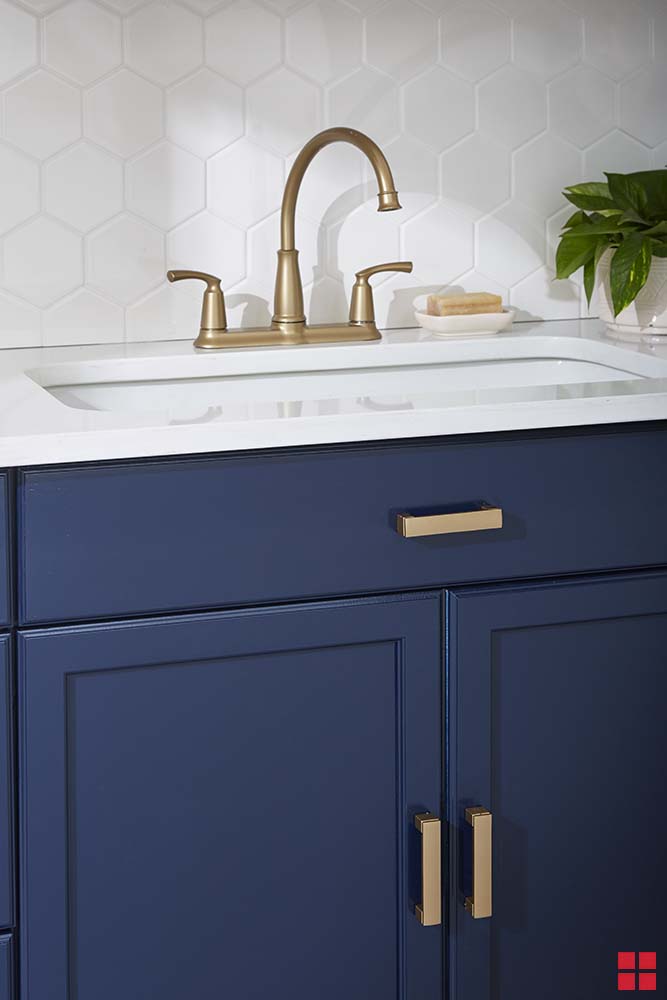
Credit: www.rustoleum.com
Drying And Curing
Drying and curing are crucial steps after painting cabinet hardware. Proper drying ensures the paint sets well. Curing strengthens the paint for long-lasting results. Skipping these steps can cause paint to chip or peel. Pay close attention to these phases for a smooth finish.
Ideal Drying Environment
Choose a clean, dust-free area for drying. Good air circulation helps paint dry evenly. Avoid humid or very cold places. Room temperature around 70°F (21°C) works best. Keep hardware away from direct sunlight to prevent bubbles.
Curing Timeframe
Drying feels quick but curing takes longer. Let painted hardware cure at least 24 to 48 hours. Some paints need up to a week to fully harden. Check paint label for specific curing times. Do not rush this step to avoid damage.
Handling Painted Hardware Safely
Handle with care during drying and curing. Avoid touching painted surfaces to prevent smudges. Use soft gloves if necessary. Place hardware on a soft cloth or paper towel. Wait until paint is fully cured before reinstalling.
Reinstalling Hardware
Reinstalling cabinet hardware is the last step in your cleaning and painting project. It brings everything back together and shows your hard work. This part needs care to make sure the hardware fits well and looks great.
Aligning And Securing
Start by placing the hardware in its original position. Check if the holes on the cabinet and hardware match. Use a screwdriver to tighten screws slowly. Make sure the hardware stays straight and does not move. Tighten all screws evenly for a balanced hold.
Checking For Stability
After securing, test the hardware. Pull or push gently to check if it stays firm. Loose hardware can cause damage or fall off. Tighten screws more if you feel any wobbling. Stable hardware lasts longer and works better.
Final Touches
Wipe the hardware to remove fingerprints or dust. Look closely for any missed spots or paint marks. Clean edges help the hardware look new and fresh. Now, enjoy your refreshed cabinets with neat, strong hardware.
Maintenance Tips
Maintaining your cabinet hardware keeps it looking fresh and lasting longer. Simple care steps protect paint and metal from wear. Regular upkeep avoids costly repairs or replacements.
Cleaning Painted Hardware
Use a soft cloth with mild soap and water. Avoid harsh chemicals that strip paint or damage finish. Wipe gently to remove dirt and grease without scratching. Dry hardware fully to prevent water spots or rust.
Preventing Damage
Handle hardware with care to stop chips or scratches. Avoid using sharp tools near painted surfaces. Tighten screws gently to prevent cracking paint. Use felt pads on tools or trays that touch hardware.
When To Repaint
Check hardware for paint chips or fading regularly. Repaint when color looks dull or damaged. Sand lightly before applying new paint for better grip. Choose paint made for metal to ensure long wear.

Credit: www.youtube.com
Frequently Asked Questions
How Do I Clean Cabinet Hardware Effectively?
Use warm soapy water and a soft cloth to clean hardware. Avoid harsh chemicals to prevent damage. For tough grime, soak in vinegar solution for 15 minutes, then scrub gently with a toothbrush. Dry thoroughly before painting or reattaching.
What Paint Type Works Best For Cabinet Hardware?
Use spray paint designed for metal surfaces, such as enamel or acrylic spray paint. These paints provide a smooth finish and durability. Always apply a primer first to ensure better adhesion and longer-lasting results.
How Long Should Cabinet Hardware Paint Dry?
Allow paint to dry for at least 24 hours. Drying time depends on paint type and humidity levels. Ensure hardware is fully dry before reattaching to cabinets to avoid smudging or peeling.
Can I Paint Cabinet Hardware Without Removing It?
Removing hardware before painting is best for even coverage. Painting without removal may cause uneven paint and mess. If removal isn’t possible, protect surrounding areas with painter’s tape and paint carefully.
Conclusion
Cleaning and painting cabinet hardware can change your room’s look. Start with simple cleaning to remove dirt and old paint. Use the right paint for a smooth finish. Take your time and work carefully for best results. Small updates like this can brighten your kitchen or bathroom easily.
Enjoy the fresh, new feel of your cabinets. Try it yourself and see the difference it makes!