If you’ve ever struggled with loose panels, wires, or parts that just won’t stay put, a fastener clip might be the simple solution you need. These small, powerful tools can make your repair or assembly tasks much easier and faster.
But how do you use a fastener clip correctly to get the best hold without damage? You’ll discover clear, step-by-step tips to master fastener clips and keep your projects secure and neat every time. Keep reading—your next fix is about to become a whole lot easier.

Credit: filingsupplies.com
Types Of Fastener Clips
Fastener clips come in many types. Each type serves a special purpose. Choosing the right clip makes your project easier and stronger. Some clips hold plastic parts, others hold metal parts. Some clips work best in unique or tough spots. Knowing the types helps you pick the best clip for your needs.
Plastic Clips
Plastic clips are light and easy to use. They resist rust and do not conduct electricity. These clips work well in cars and electronics. They come in many shapes and sizes. Plastic clips hold wires, panels, and small parts tightly. They snap into place without tools. Perfect for quick fixes and gentle holds.
Metal Clips
Metal clips are strong and durable. They handle heavy loads and high heat. These clips are common in construction and machinery. Metal clips come in steel, aluminum, and other metals. They resist bending and breaking easily. Use metal clips for tough jobs and long-lasting holds.
Specialty Clips
Specialty clips fit unique jobs and shapes. Some hold cables inside cars or machines. Others secure fabric or insulation. These clips are designed for one main use. They solve problems where regular clips fail. Specialty clips make tricky tasks simple and safe.
Tools Needed
Using fastener clips correctly requires the right tools. These tools help you install and remove clips without damage. Having them ready makes your work easier and faster.
Pliers
Pliers are useful for gripping and pulling fastener clips. They give you control and reduce the risk of breaking clips. Needle-nose pliers work well for small or tight spots.
Screwdrivers
Screwdrivers help pry clips out carefully. A flathead screwdriver is most common for this task. Use gentle pressure to avoid scratching surfaces or bending clips.
Trim Removal Tools
Trim removal tools are designed for removing clips and panels safely. They are made of plastic or nylon to prevent damage. These tools slide under clips and lift them without harm.
Preparing The Surface
Preparing the surface is a key step before using a fastener clip. It ensures the clip stays secure and lasts longer. A clean, undamaged area helps the fastener clip hold tight. This section covers how to clean the area and check for any damage.
Cleaning The Area
Start by removing dirt, dust, and grease from the surface. Use a cloth with mild soap and water. Wipe the area gently but thoroughly. Let the surface dry completely before applying the fastener clip. A clean surface helps the clip stick better and prevents slipping.
Checking For Damage
Look closely for cracks, rust, or weak spots on the surface. These can stop the fastener clip from holding properly. If you find damage, fix it before using the clip. Repair small cracks or replace damaged parts for a strong hold. A solid surface ensures the clip works well and stays put.
Installing Fastener Clips
Installing fastener clips is simple and quick. These clips hold parts firmly in place. Proper installation ensures a strong and lasting connection.
Follow these steps carefully to install your fastener clip correctly. This will help you avoid damage and keep everything secure.
Aligning The Clip
First, find the exact spot where the clip fits. Match the clip holes with the mounting points. Make sure the clip sits flat and straight. Proper alignment prevents slipping and loosening later.
Securing The Clip
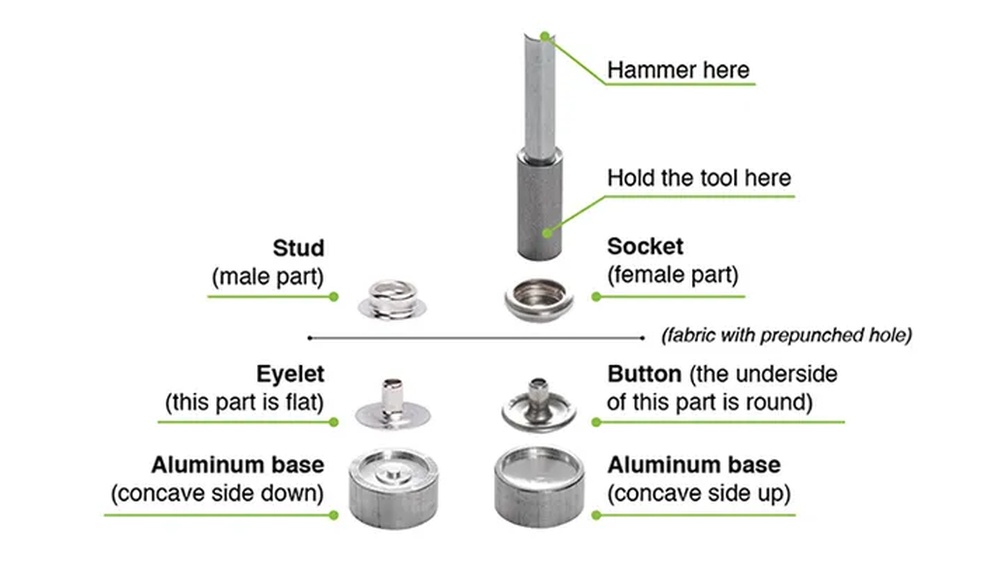
Press the clip firmly into place. Use your hands or a tool to push it down. Some clips snap in with a click. Ensure the clip locks tightly for a secure hold.
Testing The Fix
After securing, gently tug on the parts. Check if they move or feel loose. If the clip holds firm, the installation is done. Reinstall or adjust if needed for safety.
Removing Fastener Clips
Removing fastener clips is a simple task if done carefully. These clips hold parts together tightly. Removing them without the right method can cause damage. Taking time and using proper tools makes the job easy and safe.
Using The Right Tools
Choose a flathead screwdriver or a clip removal tool. These tools fit under the clip’s edge. Avoid using sharp knives or pliers as they can break the clip. Gently lift the clip by applying small pressure. Work slowly to loosen the clip without bending it.
Avoiding Damage
Do not pull the clip forcefully. Fastener clips are made of plastic and can snap easily. Protect the surrounding surface by placing a cloth under the tool. Remove clips one at a time to avoid extra stress. Keep clips safe if you need to reuse them later.

Credit: www.youtube.com
Common Mistakes To Avoid
Using fastener clips correctly is important for a strong hold. Many people make simple mistakes that can cause problems later. Avoid these common errors to get the best results. Understanding what to watch out for helps you save time and effort.
Overtightening
Applying too much force can damage the clip or the material. Fastener clips need just enough pressure to hold parts together. Tightening too much can crack plastic clips or bend metal ones. The clip may lose its grip and fail after overtightening. Use a firm but gentle touch for the best fit.
Using Wrong Clip Types
Each clip type fits specific uses and materials. Using the wrong clip can cause loose joints or damage. Check the clip size and design before starting your project. Some clips work only with certain thicknesses or materials. Pick the right clip to ensure a safe and steady hold.
Quick Fix Tips
Fastener clips hold parts tightly together. Sometimes, they wear out or break. Quick fixes help keep things working until a full repair is done. These tips save time and avoid bigger problems later. Use these simple ideas to fix clips fast and keep your projects moving.
Temporary Solutions
Use tape or glue to hold a broken clip in place. These fixes stop loose parts from moving. Try zip ties for a stronger hold. They wrap tightly and hold parts well. These solutions are short-term. Check them often to avoid issues.
When To Replace
Replace clips if they crack, bend, or lose grip. Old clips may not hold parts safely. Signs of wear include rust and missing teeth. Use new clips to prevent damage to other parts. Regular checks help catch problems early. Replace clips for a safe and strong hold.
Maintenance And Care
Maintaining fastener clips is essential for their long life and strong hold. Regular care keeps clips working well and avoids damage. Simple steps help keep clips safe and ready for use.
Regular Inspections
Check fastener clips often for signs of wear or damage. Look for cracks, bends, or rust on the clips. Replace any clips that look weak or broken. Regular checks stop failures before they happen. Inspection is quick but very effective.
Cleaning Fastener Clips
Keep fastener clips clean to ensure a good grip. Remove dirt, dust, and grease with a soft brush or cloth. Use mild soap and water for tougher grime. Dry clips completely to prevent rust. Clean clips last longer and work better.

Credit: filing.com
Frequently Asked Questions
What Is A Fastener Clip Used For?
A fastener clip secures panels, trims, or parts in vehicles and appliances. It ensures a tight fit and easy assembly.
How Do I Install A Fastener Clip Correctly?
Align the clip with the hole, press firmly until it clicks. Avoid forcing to prevent damage or misalignment.
Can Fastener Clips Be Reused After Removal?
Some fastener clips are reusable if undamaged. Inspect for wear or breakage before reuse to ensure a secure hold.
What Materials Are Fastener Clips Made From?
Fastener clips are typically made from plastic, metal, or nylon. Material choice depends on strength and environmental resistance needs.
Conclusion
Fastener clips help hold things tightly and safely. They are easy to use and save time. Choose the right clip for your project. Always check the clip fits well before starting. Using fastener clips can make your work neat. Keep your tools organized and ready to go.
Small steps like this improve your results. Try fastener clips to make tasks easier today.