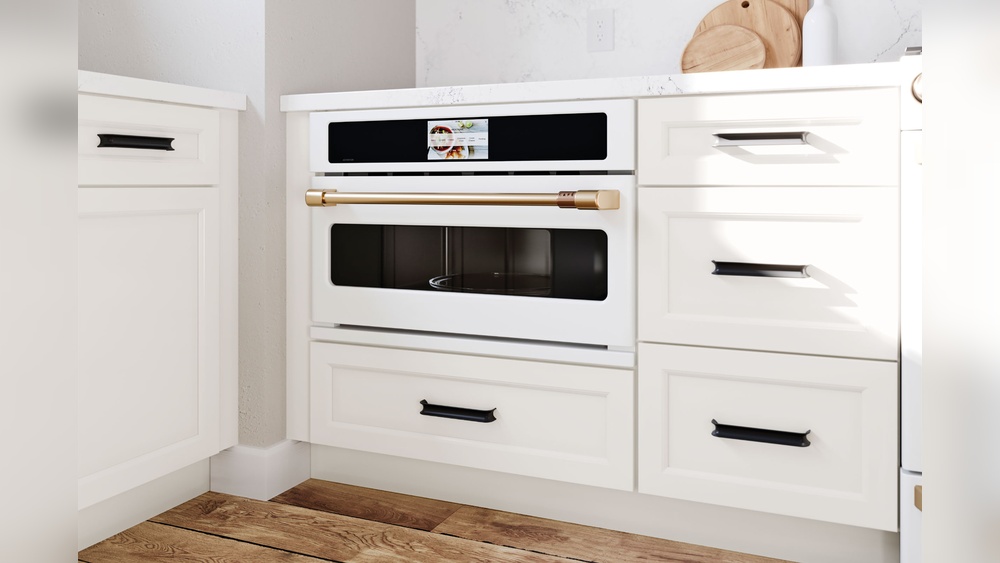
Are your cabinets missing that perfect finishing touch? Installing cabinet hardware might seem simple, but doing it the right way can completely transform your space.
If you want your cabinets to look professional and function smoothly, you need to know the proper steps. In this guide, you’ll discover easy-to-follow tips that save you time, avoid mistakes, and make your cabinets stand out. Keep reading—you’re just a few steps away from mastering the art of cabinet hardware installation.
Choosing The Right Hardware
Choosing the right hardware for your cabinets makes a big difference. It changes the look and feel of your kitchen or bathroom. Good hardware also improves how you use your cabinets every day.
Think about style, function, and material before buying hardware. The right choice fits your cabinets well and lasts a long time.
Types Of Cabinet Hardware
Cabinet hardware comes in many types. The most common are knobs and pulls. Knobs are small and round or square. Pulls are longer and easier to grip. Both types help open doors and drawers.
Other types include handles, latches, and hooks. Each type suits different needs. Choose the type that feels comfortable for daily use.
Matching Hardware To Cabinet Style
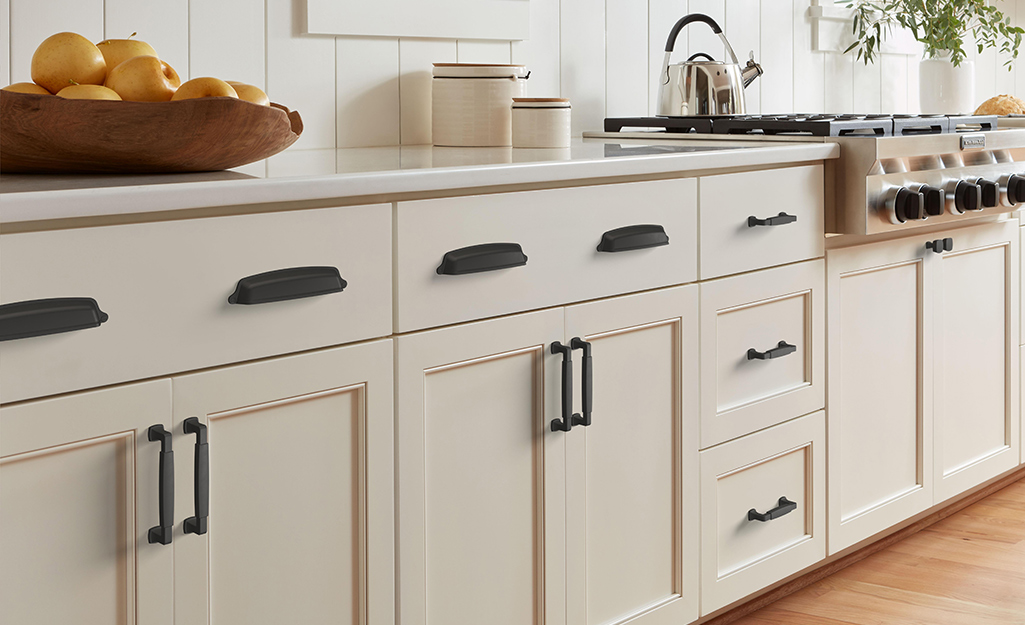
Hardware should match your cabinet style. Modern cabinets look good with sleek, simple hardware. Traditional cabinets fit well with ornate or classic designs.
Wood cabinets pair nicely with warm metals like bronze or brass. White cabinets work well with chrome or nickel. Match colors and shapes to create a balanced look.
Selecting Durable Materials
Choose materials that last long and resist wear. Metal hardware like stainless steel, brass, and zinc are strong choices. They resist rust and scratches.
Plastic hardware is cheaper but less durable. Avoid it for heavy-use cabinets. Durable hardware saves money over time by needing fewer replacements.
Credit: www.homedepot.com
Gathering Essential Tools
Before you start installing cabinet hardware, gather all the tools you need. Having the right tools saves time and helps you work with confidence. It also ensures a neat and accurate installation.
Focus on tools that help measure, drill, and keep you safe. Let’s explore the essentials.
Measuring Tools For Accuracy
Use a tape measure to check dimensions precisely. A ruler or a straight edge helps mark straight lines. A pencil or a fine-tip marker is perfect for small marks. Consider a level to keep hardware straight and balanced.
Drills And Screwdrivers
A power drill makes drilling holes quick and easy. Choose drill bits that match the screw size. A screwdriver, either manual or electric, tightens screws securely. Keep both Phillips and flathead screwdrivers on hand.
Safety Gear
Wear safety glasses to protect your eyes from dust and debris. Use work gloves to keep your hands safe and clean. Ear protection helps if you use loud power tools. Always prioritize safety to avoid accidents.
Preparing Cabinets For Installation
Preparing cabinets for hardware installation ensures a smooth and lasting fit. Proper preparation helps the hardware look neat and work well. It also prevents damage and future problems. Follow these simple steps before you start installing new handles or knobs.
Cleaning And Inspecting Surfaces
Start by cleaning the cabinet surfaces thoroughly. Use a mild soap and warm water to remove dirt and grease. Dry the area well to avoid moisture issues. Check the surface for scratches, dents, or peeling paint. Fix any damage before installing hardware. Clean and smooth surfaces help hardware stick better and look good.
Removing Old Hardware
Remove the old knobs, handles, or pulls carefully. Use a screwdriver to avoid damaging the wood. Keep the screws in a safe place in case you need them later. Check the holes left behind for size and condition. Fill large holes with wood filler, then sand smooth. Clean the area again after removal to prepare for new hardware.
Marking Placement Points
Measure carefully to mark where new hardware will go. Use a ruler or tape measure for accuracy. Mark points lightly with a pencil to avoid permanent marks. Double-check measurements on each cabinet door or drawer. Consistent placement ensures a professional and balanced look. Take your time to avoid mistakes before drilling holes.

Credit: www.youtube.com
Step-by-step Installation Process
Installing cabinet hardware correctly makes your cabinets look neat and last longer. Follow these simple steps to ensure a perfect fit. Each step is important for a strong and clean installation. Take your time and work carefully.
Measuring And Marking Holes
Start by measuring where the hardware will go. Use a ruler or tape measure for accuracy. Mark the spots lightly with a pencil. Check the marks twice to avoid mistakes. Consistent placement on all cabinets creates a balanced look.
Drilling Pilot Holes
Next, drill small pilot holes at the marked spots. Use a drill bit smaller than the screw size. This prevents wood from splitting. Hold the drill straight to keep holes clean and even. Take care not to drill too deep.
Attaching Hardware Securely
Place the hardware on the cabinet, aligning with the holes. Insert screws and tighten them with a screwdriver. Avoid over-tightening to prevent damage. Check that the hardware is firmly attached and straight. Test the handle or knob to ensure it works well.
Common Installation Mistakes
Installing cabinet hardware might seem simple but many make common mistakes. These errors can cause problems later. Knowing what to avoid helps your hardware last longer and look better. Here are some frequent mistakes to watch out for.
Misaligned Hardware
Misaligned hardware looks messy and feels awkward. It happens when handles or knobs are not level or centered. Measuring carefully before drilling is key. Use a template or ruler to keep everything straight. Small shifts can ruin the cabinet’s look.
Overtightening Screws
Too much force on screws can damage the cabinet or hardware. Over-tightening can strip screw holes or crack wood. Turn screws firmly but gently. Stop as soon as the hardware feels secure. Tightening more won’t make it stronger.
Ignoring Weight Limits
Some hardware is made for light doors or drawers only. Putting heavy items on weak hardware causes bending or breaking. Check the weight limits on your hardware packaging. Choose strong handles for heavy cabinet doors or drawers. Safety and durability depend on this step.

Credit: smart.dhgate.com
Finishing Touches
After installing your cabinet hardware, the final steps make a big difference. These finishing touches ensure your cabinets look great and work well. Small details improve both the appearance and function of your hardware. Proper care now helps your cabinets last longer.
Cleaning Smudges And Debris
Remove fingerprints and dust from your new hardware. Use a soft cloth slightly dampened with water. Avoid harsh chemicals that can damage the finish. Clean all edges and crevices carefully. A clean surface highlights the hardware’s design and color.
Adjusting Hardware For Functionality
Check that all handles and knobs move smoothly. Tighten any loose screws to prevent wobbling. Make sure doors and drawers open and close easily. Adjust alignment if hardware feels off-center. Proper fitting hardware improves daily use and comfort.
Maintaining Hardware Longevity
Regular cleaning keeps your hardware looking new. Avoid abrasive tools that can scratch surfaces. Use gentle cleaners recommended for your hardware type. Inspect screws and tighten them as needed over time. Good maintenance protects your investment and keeps cabinets sturdy.
Frequently Asked Questions
How Do I Choose The Right Cabinet Hardware Size?
Select hardware size based on cabinet door thickness and style. Measure existing holes or door edges for accurate fit. Proper size ensures easy operation and enhances cabinet appearance.
What Tools Are Needed To Install Cabinet Hardware?
You need a drill, screwdriver, tape measure, pencil, and level. These tools help ensure precise placement and secure attachment of handles or knobs.
How Do I Align Cabinet Handles Perfectly?
Use a template or measuring tape to mark screw holes evenly. Check alignment with a level before drilling. Consistent spacing creates a professional look.
Can I Install Cabinet Hardware Without Drilling New Holes?
Yes, if existing holes match your new hardware size. Otherwise, drilling is necessary for secure installation. Using old holes saves time and avoids damage.
Conclusion
Properly installing cabinet hardware makes a big difference. It improves both function and style. Take your time measuring and marking carefully. Use the right tools for a clean, secure fit. Small details like tight screws and aligned handles matter. This simple task can refresh your kitchen or bathroom easily.
Enjoy the new look and smooth operation every day. Keep these steps in mind for your next project. You’ll feel proud of your work and results. Simple changes bring great satisfaction.