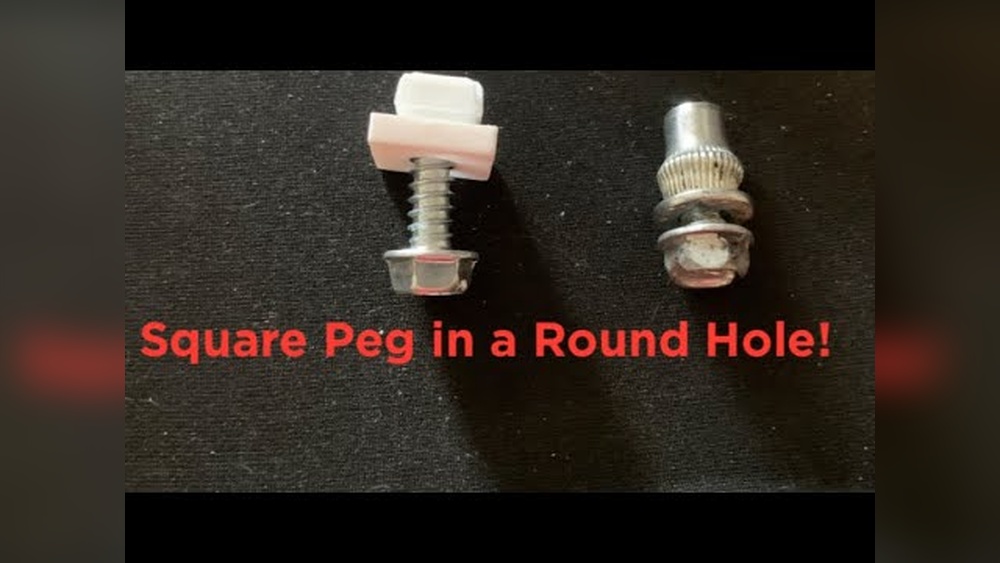
Have you ever wondered what holds everything around you together, from your furniture to your car? The answer lies in the fastener industry.
This industry plays a crucial role in making sure objects stay secure and functional. If you want to understand how everyday items stay connected and why fasteners are so important, you’re in the right place. Keep reading to discover what the fastener industry is all about and why it matters to you.
Credit: www.industrialfastenersandsupply.com
Fastener Industry Basics
The fastener industry plays a key role in many sectors. It produces items that hold things together. These small parts are vital in construction, automotive, electronics, and more.
Understanding the basics helps to see how these parts impact daily life. It also shows the variety and complexity behind simple fasteners.
Types Of Fasteners
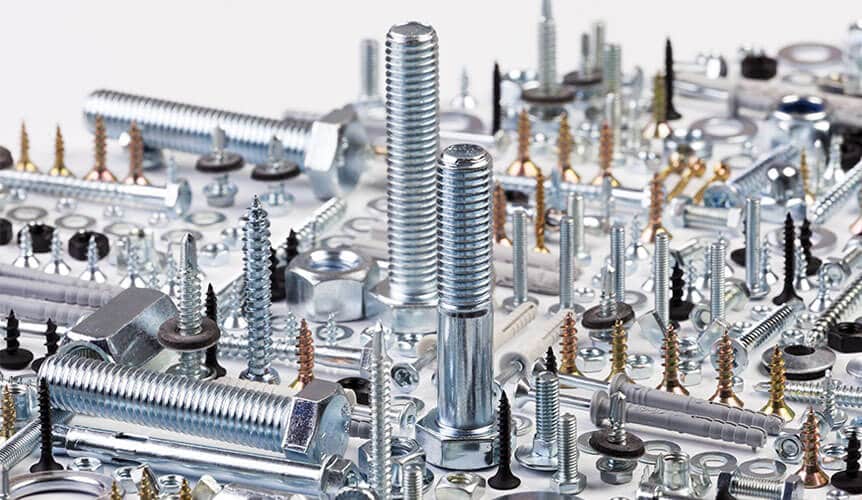
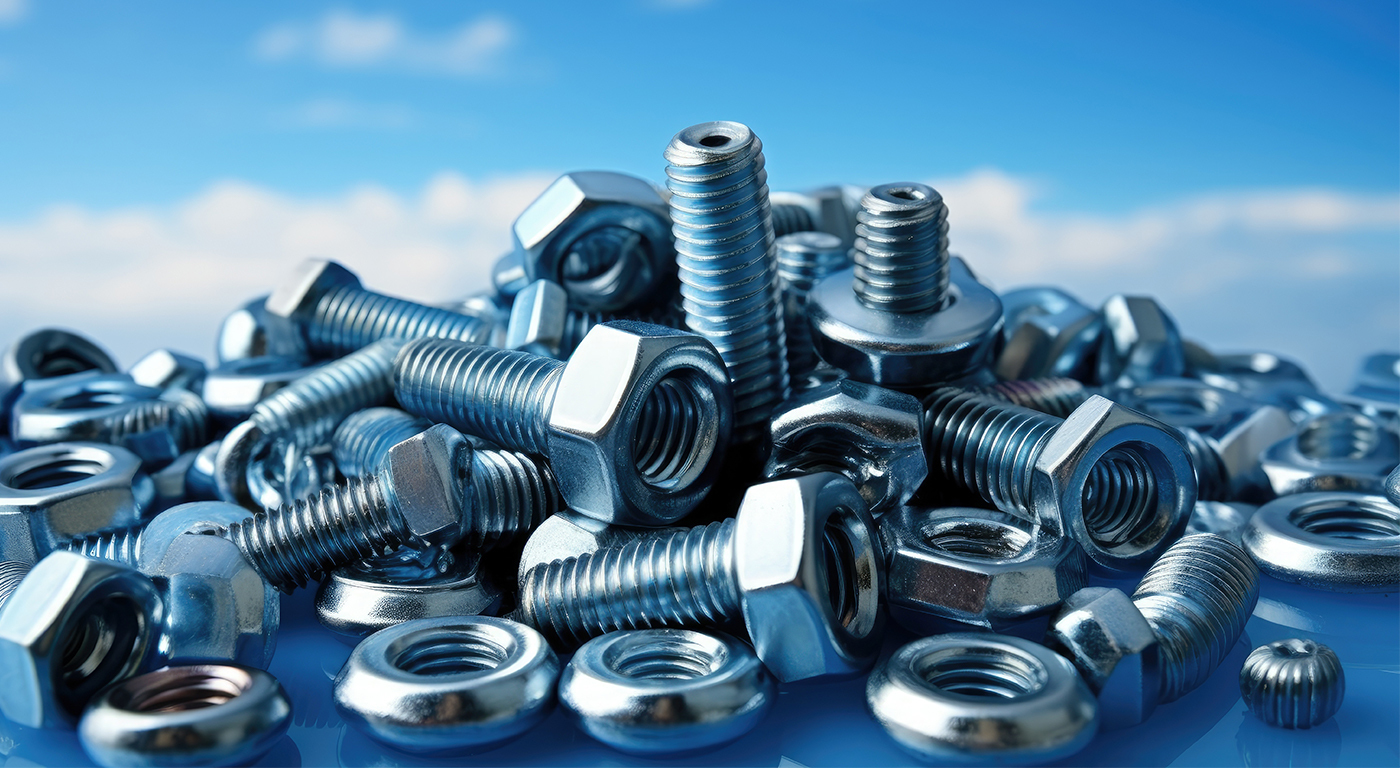
Fasteners come in many shapes and sizes. Common types include screws, bolts, nuts, and washers. Each type has a specific use and function. Screws often join wood or metal pieces. Bolts usually work with nuts to secure objects. Washers spread the load to prevent damage.
Materials Used
Fasteners are made from various materials. Steel is the most common due to its strength. Stainless steel resists rust and corrosion. Brass offers good electrical conductivity. Aluminum is lightweight and used where weight matters. Plastic fasteners serve in non-load applications.
Manufacturing Processes
Fasteners are made using several manufacturing methods. Cold forging shapes metal at room temperature. Thread rolling forms the spiral grooves. Heat treatment improves strength and durability. Coating adds protection against rust. Quality checks ensure each fastener meets standards.
Credit: www.superscrews.com
Key Applications
The fastener industry plays a crucial role in many fields. Fasteners like screws, bolts, and nuts hold parts together. These small components ensure safety and durability. Their use spans several important sectors. Each sector demands specific types of fasteners. Understanding these key applications helps grasp the industry’s impact.
Automotive Sector
Fasteners are vital in vehicle manufacturing. They secure engines, frames, and interiors. Vehicles require strong and reliable fasteners. Safety depends on their quality and strength. Different materials suit various car parts. The automotive sector drives constant innovation in fastener design.
Construction Industry
Buildings and infrastructure depend heavily on fasteners. Nails, screws, and anchors support structures. They connect steel, wood, and concrete parts. Proper fasteners increase a building’s stability. Construction projects demand fasteners that resist weather and pressure. This sector uses millions of fasteners every day.
Electronics And Appliances
Fasteners in electronics hold delicate parts firmly. They ensure devices work without damage. Small screws and clips secure circuit boards and panels. Appliances need fasteners that resist heat and vibration. Precision is key in this industry’s fastener use. Fasteners help keep gadgets safe and functional.
Market Dynamics
The fastener industry is a key part of many manufacturing processes. It involves the production of nuts, bolts, screws, and other small components. These items hold machines and structures together. Understanding market dynamics helps grasp how this sector changes and grows.
Market dynamics include factors that affect supply, demand, and prices. They shape how companies operate and compete. The fastener industry faces both challenges and chances for expansion.
Demand Drivers
Demand for fasteners grows with construction and automotive industries. More buildings and vehicles require many fasteners. Growth in electronics and appliances also raises demand. Fasteners must be strong, reliable, and cost-effective. New technologies create needs for specialty fasteners. These needs push manufacturers to innovate.
Challenges Faced
Raw material prices can rise suddenly. This affects production costs and prices for buyers. Competition is intense, especially from low-cost countries. Quality control is critical to avoid failures. Environmental rules require cleaner production methods. Meeting these rules adds costs and complexity. Skilled labor shortages also affect output and quality.
Opportunities For Growth
Growing industries in Asia and Africa offer new markets. Demand for high-quality, customized fasteners is rising. Digital tools improve design and manufacturing processes. Eco-friendly materials attract customers seeking sustainability. Partnerships between manufacturers and users create tailored solutions. Investing in automation can boost production efficiency and quality.
Emerging Trends
The fastener industry is evolving with new technologies and ideas. These changes help companies make better products and meet customer needs. Emerging trends shape how fasteners are designed and produced. They also affect the materials used and the manufacturing process.
Smart Fasteners
Smart fasteners include sensors or chips. They can track tension, temperature, or movement. This data helps monitor the health of structures. Engineers use this information to prevent failures and improve safety. Smart fasteners are growing in construction and automotive fields.
Sustainable Materials
Fastener makers now choose eco-friendly materials. Recycled metals and biodegradable plastics are popular. These materials reduce waste and lower environmental impact. Customers prefer products that support green practices. The shift to sustainability benefits both business and nature.
Automation In Production
Automation speeds up fastener manufacturing. Robots and machines handle repetitive tasks with precision. This reduces errors and cuts production time. Automated lines increase output and lower costs. The industry gains efficiency and better product quality through automation.
Leading Regions
The fastener industry plays a vital role worldwide. It supplies essential components for construction, automotive, electronics, and many other sectors. Certain regions lead the market due to strong manufacturing bases and high demand. These areas shape trends and innovation in the fastener business.
North America
North America holds a strong position in the fastener industry. The United States and Canada have many factories producing high-quality fasteners. The automotive and aerospace industries drive a large part of this demand. The region focuses on durable and precise fasteners. It also invests in research to improve materials and designs.
Asia-pacific
Asia-Pacific is the largest fastener market globally. Countries like China, Japan, and India dominate production and consumption. Rapid industrial growth and urbanization increase the need for fasteners. This region offers a wide range of products at competitive prices. Many global companies have factories here due to lower costs.
Europe
Europe has a strong fastener industry with a focus on quality and innovation. Germany, Italy, and France lead the market in this region. The manufacturing sector demands specialized fasteners for machinery and vehicles. Strict standards ensure high safety and performance. Europe’s fastener companies often export products worldwide.
Future Outlook
The future outlook of the fastener industry shows strong potential for growth and change. This sector will continue evolving with new technologies and market demands. Companies must adapt to stay competitive and meet industry needs.
Technological Innovations
Technology will drive the fastener industry forward. New materials and manufacturing methods will improve product strength and durability. Automation and robotics will speed up production and reduce costs. Smart fasteners with sensors may emerge for better monitoring in construction and machinery.
Market Forecasts
The fastener market is expected to grow steadily over the next decade. Demand from automotive, aerospace, and construction sectors will increase. Emerging economies will create new opportunities for manufacturers. Environmental concerns will push for eco-friendly and recyclable fasteners.
Investment Potential
Investors find the fastener industry attractive due to steady demand. Innovations and expanding markets offer good returns. Companies focusing on quality and sustainability will gain more interest. Strategic partnerships and research will be key to success in this field.
Credit: www.poojaforgeltd.com
Frequently Asked Questions
What Is The Fastener Industry?
The fastener industry produces small mechanical components like screws, bolts, and nuts. These parts join or secure objects in manufacturing and construction. It serves various sectors, including automotive, aerospace, and electronics. The industry focuses on quality, strength, and precision to ensure safety and durability.
Why Are Fasteners Important In Manufacturing?
Fasteners hold parts together, ensuring stability and safety. They allow easy assembly and disassembly of products. Without fasteners, building complex machines or structures would be difficult. High-quality fasteners enhance product longevity and performance. They are crucial for maintaining structural integrity.
Which Materials Are Used In Fasteners?
Fasteners are commonly made from steel, stainless steel, brass, and aluminum. Steel provides strength, while stainless steel offers corrosion resistance. Brass is used for decorative or electrical applications. Material choice depends on the application’s strength, durability, and environmental needs.
How Does The Fastener Industry Impact The Economy?
The fastener industry supports manufacturing, construction, and repair sectors worldwide. It creates jobs and boosts industrial productivity. Fasteners enable efficient production and maintenance of machinery and infrastructure. Thus, the industry plays a key role in economic growth and technological advancement.
Conclusion
The fastener industry plays a key role in many sectors. It provides essential parts like screws, nuts, and bolts. These small items hold machines and buildings together. Without fasteners, many products would not work properly. The industry keeps growing with new materials and designs.
It supports construction, automotive, electronics, and more. Understanding this industry helps appreciate everyday objects. Fasteners might seem simple, but they are very important. They connect pieces and ensure safety and strength. The fastener industry quietly supports much of modern life.