Have you ever wondered what holds everything around you together? From the furniture in your home to the gadgets you use daily, there’s one simple thing making it all possible: fasteners.
But what exactly are fasteners, and why are they so important? If you want to understand how things stay connected and why choosing the right fastener matters for your projects, this article is for you. Keep reading to discover the basics of fasteners and how they play a crucial role in your everyday life.
Fasteners Basics
Fasteners are small but very important parts. They hold things together in many objects. From furniture to machines, fasteners keep parts safe and stable. Understanding fasteners helps in choosing the right one for any job.
Fasteners come in many shapes and sizes. Each type has a special use. Learning the basics of fasteners makes repair and building easier and faster.
Definition And Purpose
Fasteners are tools that join two or more objects. They create a strong bond that can hold parts tightly. Most fasteners are removable, allowing easy fixing or changing parts. They help in construction, repair, and assembly tasks. Without fasteners, many products would fall apart or be hard to build.
Common Materials
Fasteners are made from different materials. Steel is the most common due to its strength and durability. Stainless steel resists rust, making it good for outdoor use. Brass and aluminum are light and resist corrosion. Plastic fasteners are used for lightweight or low-stress needs. Choosing the right material ensures the fastener works well in its environment.
Types Of Fasteners
Fasteners join two or more objects tightly together. They come in many shapes and sizes. Each type suits different jobs. Knowing the types helps you pick the right one. Here are the common fastener types used in everyday projects.
Nails And Screws
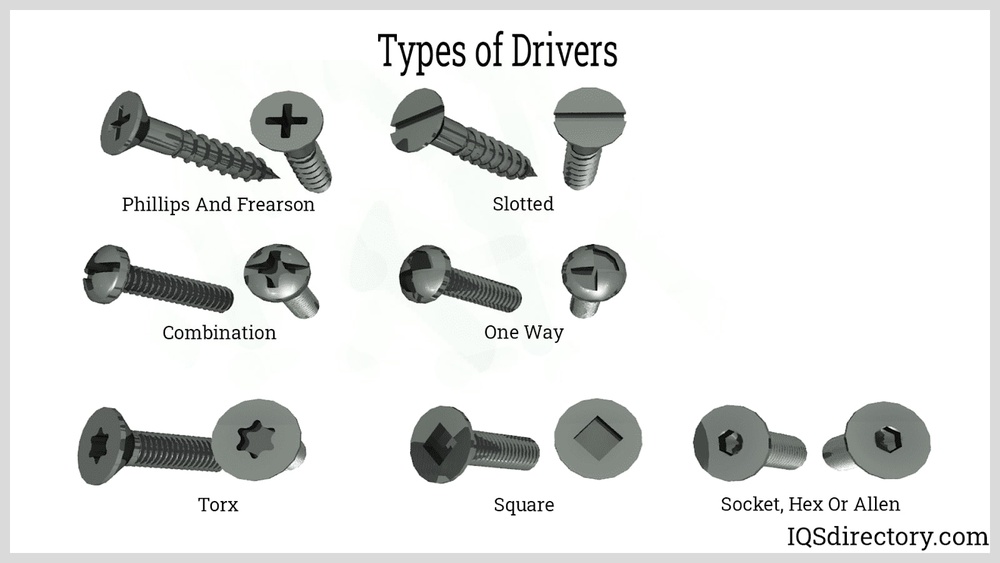
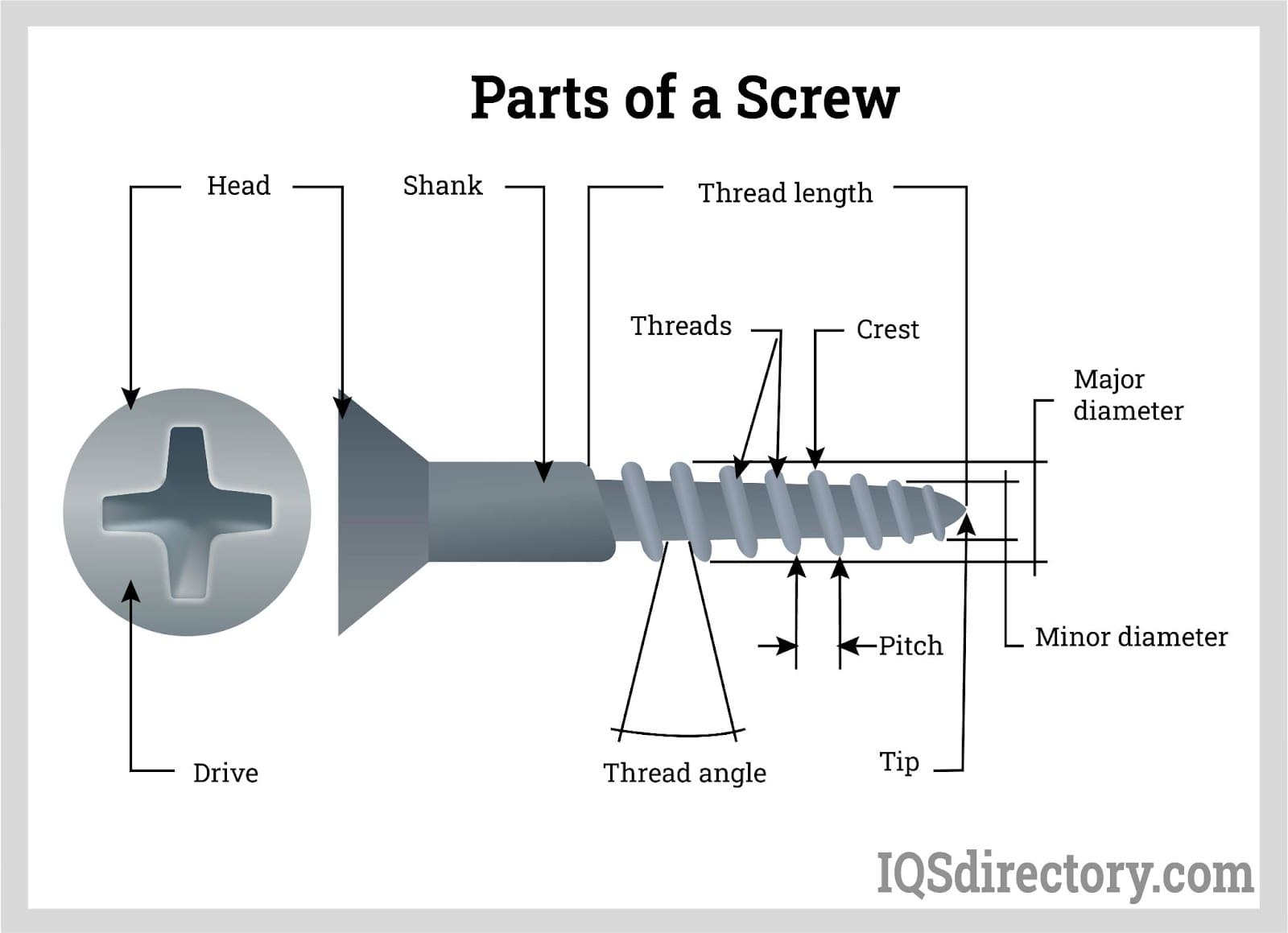
Nails are thin metal rods with a flat head. They hold wood pieces together. Nails are hammered into the material. Screws have a spiral thread that bites into surfaces. They need a screwdriver to turn. Screws hold materials stronger than nails.
Bolts And Nuts
Bolts are metal rods with threads on the end. They go through holes in materials. Nuts twist onto bolts to lock parts tightly. This pair is strong and can be removed easily. Bolts and nuts are common in machines and buildings.
Rivets And Pins
Rivets join materials by deforming their end. They stay in place permanently. Pins are simple rods used to hold parts together. Pins can be removed and reused. Both work well for metal and heavy materials.
Clips And Clamps
Clips hold parts by snapping around them. They are quick and easy to use. Clamps squeeze objects tightly to hold them. They are adjustable and reusable. Clips and clamps are great for temporary or flexible joins.
Choosing The Right Fastener
Choosing the right fastener is key for any project. The correct fastener ensures strength, durability, and safety. Picking the wrong type can cause failures and waste time and money. Consider several factors before making a choice. These include the materials, the load, and the environment where the fastener will be used.
Material Compatibility
Fasteners must match the materials they join. Using the wrong fastener can cause corrosion or damage. Metals like steel, aluminum, and brass need specific fasteners. Some fasteners react badly with certain materials. Always check if the fastener material suits your project parts. This prevents rust and keeps the connection strong.
Load And Strength Considerations
Fasteners carry different weights and forces. Choose one that can handle the load safely. Consider tension, shear, and vibration forces. A weak fastener can break under stress. Check the strength rating and size before buying. Using the right strength fastener avoids accidents and failures.
Environmental Factors
The environment affects fastener performance. Moisture, heat, and chemicals can cause damage. Outdoor projects need rust-resistant fasteners. Marine or chemical exposure requires special coatings. Cold temperatures may need fasteners that stay strong. Think about where the fastener will be used every time.
Credit: www.iqsdirectory.com
Applications Across Industries
Fasteners are small but vital parts used to join objects together. They hold materials tightly and ensure structures stay strong. Various industries rely on fasteners for different needs. Their roles vary based on the demands of each sector.
Construction And Building
Fasteners secure beams, panels, and frames in buildings. Nails, screws, and bolts keep walls and roofs stable. They help create safe homes, offices, and bridges. Strong fasteners resist weather and heavy loads. Builders choose fasteners for durability and ease of use.
Automotive And Aerospace
Cars and airplanes need precise and strong fasteners. Bolts and rivets hold engines and body parts together. Fasteners must withstand vibrations and extreme conditions. Safety depends on the quality of these tiny components. Engineers select fasteners that meet strict industry standards.
Electronics And Appliances
Small fasteners join parts inside gadgets and machines. Screws and clips keep circuit boards and panels in place. Fasteners allow easy repair and assembly of devices. They must be reliable but gentle on delicate parts. Manufacturers focus on fasteners that support compact designs.
Installation Techniques
Installation techniques for fasteners ensure strong and lasting connections. Proper methods help avoid damage and improve safety. Correct installation saves time and reduces errors. Understanding the right tools, safety measures, and maintenance is key.
Tools And Equipment
Choosing the right tools makes fastener installation easier. Common tools include screwdrivers, wrenches, and drills. Power tools speed up the process but require skill. Measuring tools ensure correct placement and alignment. Using the correct size and type of tool prevents damage to fasteners.
Safety Tips
Safety is vital during fastener installation. Wear protective gear like gloves and safety glasses. Keep your workspace clean to avoid slips or falls. Handle sharp tools carefully. Follow manufacturer guidelines for torque settings. Never force a fastener into place. Stop if you feel resistance and check the alignment.
Maintenance And Inspection
Regular checks keep fasteners secure and functional. Inspect for rust, corrosion, or loosening. Tighten any loose fasteners to avoid failures. Replace damaged or worn fasteners immediately. Clean fastened areas to prevent dirt buildup. Routine maintenance extends the life of installations.

Credit: allpointsfasteners.com

Credit: en.wikipedia.org
Frequently Asked Questions
What Are The Main Types Of Fasteners?
Fasteners include screws, bolts, nuts, washers, rivets, and pins. Each type serves different joining purposes in construction and manufacturing.
How Do Fasteners Work In Assembly?
Fasteners join materials by creating a mechanical bond. They hold parts securely, allowing for easy disassembly and maintenance.
Why Are Fasteners Important In Construction?
Fasteners provide structural integrity and safety. They ensure components stay together under stress and environmental changes.
What Materials Are Fasteners Made From?
Common materials include steel, stainless steel, brass, aluminum, and plastic. Material choice depends on strength and corrosion resistance needs.
Conclusion
Fasteners hold things together in many ways. They come in many types like screws, bolts, and nails. Each type has a special job in building or fixing objects. Knowing what fasteners do helps us choose the right one. They keep structures strong and safe every day.
Simple but important tools in construction and repairs. Understanding fasteners makes projects easier and better. They are small parts with a big role.


