Have you ever wondered exactly how Jesus was fastened to the cross? It’s a question that many people ask but few truly understand.
Knowing the details can give you a deeper insight into the pain and sacrifice He endured. You’ll discover the methods used, the reasons behind them, and what it meant for Jesus’ final moments. Keep reading—what you learn here might change the way you see this powerful moment forever.
Methods Of Crucifixion
Crucifixion was a cruel form of execution used in ancient times. It caused great pain and suffering. The way a person was fastened to the cross varied. Different methods affected how long the victim survived. Understanding these methods helps us learn more about Jesus’ death.
The main ways of attaching a person to the cross were nailing and binding. Each method had its own impact on the victim’s pain and death time. Roman soldiers chose methods based on many factors. These included the victim’s crime and their own cruelty.
Nailing Vs. Binding
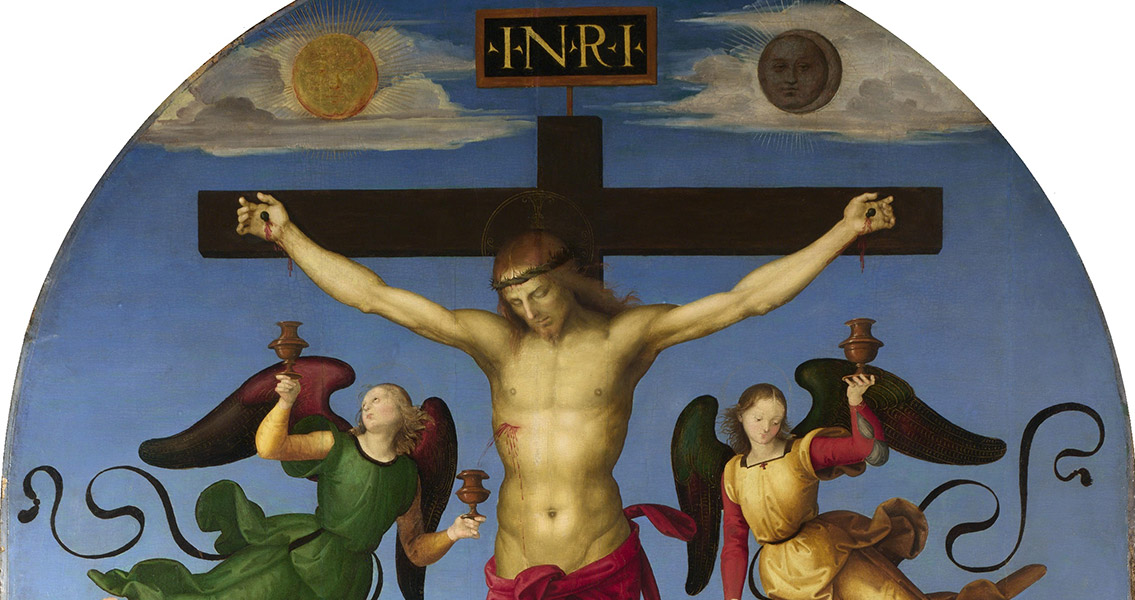
Nailing involved driving large nails through the victim’s hands or wrists and feet. This method caused intense pain and quickened death. Nails held the person firmly to the cross. Binding used ropes to tie the victim’s hands and feet to the wood. This caused slow suffocation and prolonged agony. Sometimes, soldiers used both nails and ropes together. Nails made escape impossible. Ropes alone allowed more movement but still caused great pain.
Historical Practices In Roman Crucifixion
The Romans perfected crucifixion as a public punishment. They used it to scare others from crime. Victims were often stripped and whipped first. Soldiers then nailed or tied them to wooden crosses. The cross shape varied, including the traditional “T” or “X” shapes. Death could take hours or days, depending on the method. Romans aimed to make crucifixion a slow, painful death. The position of nails or ropes affected breathing and pain. This method was both a punishment and a public display.
Credit: www.newhistorian.com
Evidence From The Gospels
The Gospels offer key details about how Jesus was fastened to the cross. These ancient texts provide a direct look at the events of the crucifixion. They describe the physical suffering Jesus faced and the method used to secure him to the cross. Understanding these descriptions helps us learn more about this critical moment in history.
Descriptions Of Jesus’ Crucifixion
The Gospels describe Jesus being led to the place called Golgotha. They mention that Jesus carried His own cross or the crossbeam. The soldiers then nailed Him to the wooden cross. Jesus was hung between two criminals, showing the public nature of the execution. The Gospels emphasize the pain and humiliation Jesus endured during this process.
Mentions Of Nails And Thorns
The Gospel of John specifically mentions nails being driven through Jesus’ hands and feet. The other Gospels also imply the use of nails in the crucifixion. The crown of thorns placed on Jesus’ head caused more pain and mocked His claim as king. These details highlight the brutal treatment Jesus received during His crucifixion.
Archaeological Findings
Archaeological findings provide important clues about how Jesus was fastened to the cross. These discoveries help us understand the methods used during crucifixion. They show physical evidence that supports historical accounts. Archaeologists have found nails and skeletal remains linked to crucifixion victims. These findings give insight into the pain and suffering endured. They also reveal the specific ways the body was attached to the cross.
Discovery Of Crucifixion Nails
Archaeologists have uncovered iron nails used in crucifixions. One famous find was in a Jerusalem tomb. This nail was still stuck in a heel bone. It showed that nails were driven through the feet during crucifixion. The nail’s length and rust pattern suggest it was hammered into wood. This evidence confirms that victims were nailed rather than tied. The discovery helps explain the extreme agony caused by the nails.
Skeletal Remains And Their Significance
Skeletal remains of crucifixion victims tell a clear story. Bones often show holes from nails, especially in the wrists or feet. These signs match biblical descriptions of Jesus’ crucifixion. Some skeletons also show broken bones, which may relate to Roman execution methods. The study of these remains reveals how the body was positioned. It also confirms crucifixion as a brutal form of punishment.

Credit: en.wikipedia.org
Medical Insights On Crucifixion
Medical research helps us understand how Jesus was fastened to the cross. Ancient crucifixion was a brutal and painful method of execution. Doctors and scientists study the physical effects to learn more about the process. These insights explain the suffering Jesus endured and the body’s reaction.
Physical Effects Of Nailing
Nails were driven through the wrists or hands to hold the body. The wrists could support the weight better than the palms. Nailing caused intense pain and damage to nerves. This led to shock and loss of muscle control. The wounds would bleed heavily and cause swelling. The pain increased as the body hung on the nails.
Positioning Of The Body On The Cross
The body was usually positioned with arms stretched out. The feet were either nailed separately or supported by a small platform. The chest had to work hard to breathe in this position. Hanging made breathing difficult and caused fatigue. Blood flow to the brain slowed down over time. This positioning led to exhaustion and eventually death.
The Location Of The Nails
The exact place where the nails were driven during the crucifixion of Jesus has been a topic of much discussion. This detail holds importance for many who study the historical and religious aspects of the event. The location affects how we understand the pain Jesus endured and the method of crucifixion used at the time.
Scholars and experts have debated where the nails were placed on Jesus’ body. Two main areas are often discussed: the hands versus the wrists, and the placement of the feet on the cross. Each point offers different insights into the process and the suffering involved.
Hands Vs. Wrists Debate
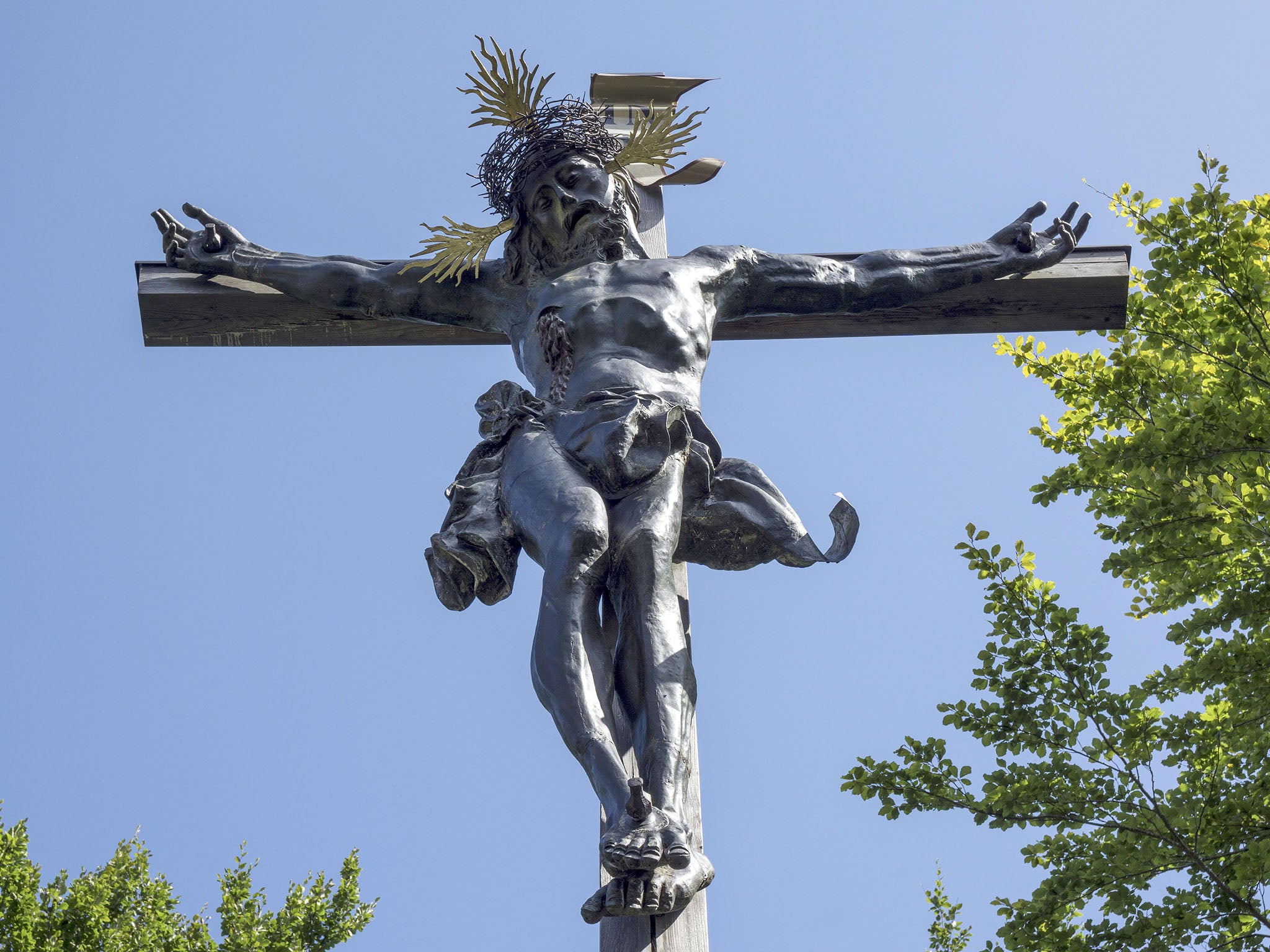
Many people picture the nails being driven through Jesus’ hands. This image is common in art and movies. Yet, some experts say the nails were likely placed through the wrists. The wrists could support the body’s weight better than the hands. Nails in the hands might not hold the body up during crucifixion. The wrists contain strong bones that could bear the load. This idea matches better with how crucifixion was done in ancient times.
Feet Placement On The Cross
The feet placement is another important detail. Usually, the feet were nailed together or one over the other. This position helped keep the body stable on the cross. Some evidence suggests the nails went through the sides of the feet. This method would cause extreme pain but also secure the body. The way the feet were fastened adds to our understanding of the physical suffering endured.
Credit: www.independent.co.uk
Implications For Historical Accuracy
The way Jesus was fastened to the cross holds important clues about history. It affects how we understand the events of that time. The details about nails, ropes, or other methods matter to historians and believers alike. These details shape the story told in religious texts and what archaeology reveals. Exploring these facts helps us see the past more clearly.
Understanding this topic helps separate fact from tradition. It also shows how history and faith sometimes tell different stories. This makes the study of Jesus’ crucifixion both complex and fascinating.
Reconciling Religious Texts And Archaeology
Religious texts describe Jesus’ crucifixion but often lack detailed specifics. They focus more on the meaning than the method. Archaeology offers physical evidence about Roman execution methods. Nails found in ancient crosses show nails through the wrists, not the palms. This matches some historical records but not all Bible translations.
Some scholars suggest ropes might have been used in addition to nails. This idea helps explain why the Bible does not mention nails clearly. Archaeology fills gaps left by ancient writings. Together, they create a fuller picture of the crucifixion process.
Impact On Christian Theology
The way Jesus was fastened to the cross affects Christian beliefs deeply. It shapes how the suffering and sacrifice are understood. Nails in the wrists may symbolize strength and pain differently than nails in the palms. The method of fastening also influences art and worship practices.
The physical reality of crucifixion supports the idea of Jesus’ true human suffering. This strengthens faith for many believers. At the same time, the mystery around exact details keeps the spiritual message central. Theology balances historical facts with spiritual meaning.
Frequently Asked Questions
How Was Jesus Physically Fastened To The Cross?
Jesus was nailed through his wrists and feet to the wooden cross. Roman soldiers used large iron nails to secure him firmly.
Did Jesus Suffer More From Nails Or The Cross’s Weight?
The nails caused intense pain, but the cross’s weight made breathing difficult. Both contributed to his suffering.
Were Nails Or Ropes Used To Attach Jesus?
Most historians agree nails were primarily used, though ropes might have helped initially. Nails ensured Jesus stayed on the cross.
Where Exactly Were The Nails Placed On Jesus?
Nails were driven through Jesus’ wrists and feet, not his palms. This placement supported his body weight during crucifixion.
Conclusion
Jesus was nailed to the cross through his hands and feet. Roman soldiers used large iron nails to hold him firmly. This method caused great pain and suffering. The cross stood as a symbol of sacrifice and love. Understanding how Jesus was fastened helps us appreciate his sacrifice more.
His story continues to inspire people worldwide today. It reminds us of strength, faith, and forgiveness. The details may be hard to imagine, but they show his deep commitment. This simple yet powerful act changed history forever.


