When you start a project, the right fastener can make all the difference between success and frustration. But with so many types of fasteners available, how do you know which one is best for your needs?
Understanding the different options can save you time, money, and headaches. You’ll discover the main types of fasteners and how each one works. By the end, you’ll feel confident choosing the perfect fastener for your next task. Keep reading to unlock the secrets that professionals use every day.
Credit: www.fusiondesigninc.com
Common Fastener Types
Fasteners hold things together in many projects and repairs. They come in various shapes and sizes. Each type has a unique use and strength. Knowing common fastener types helps you pick the right one for your work.
Bolts And Screws
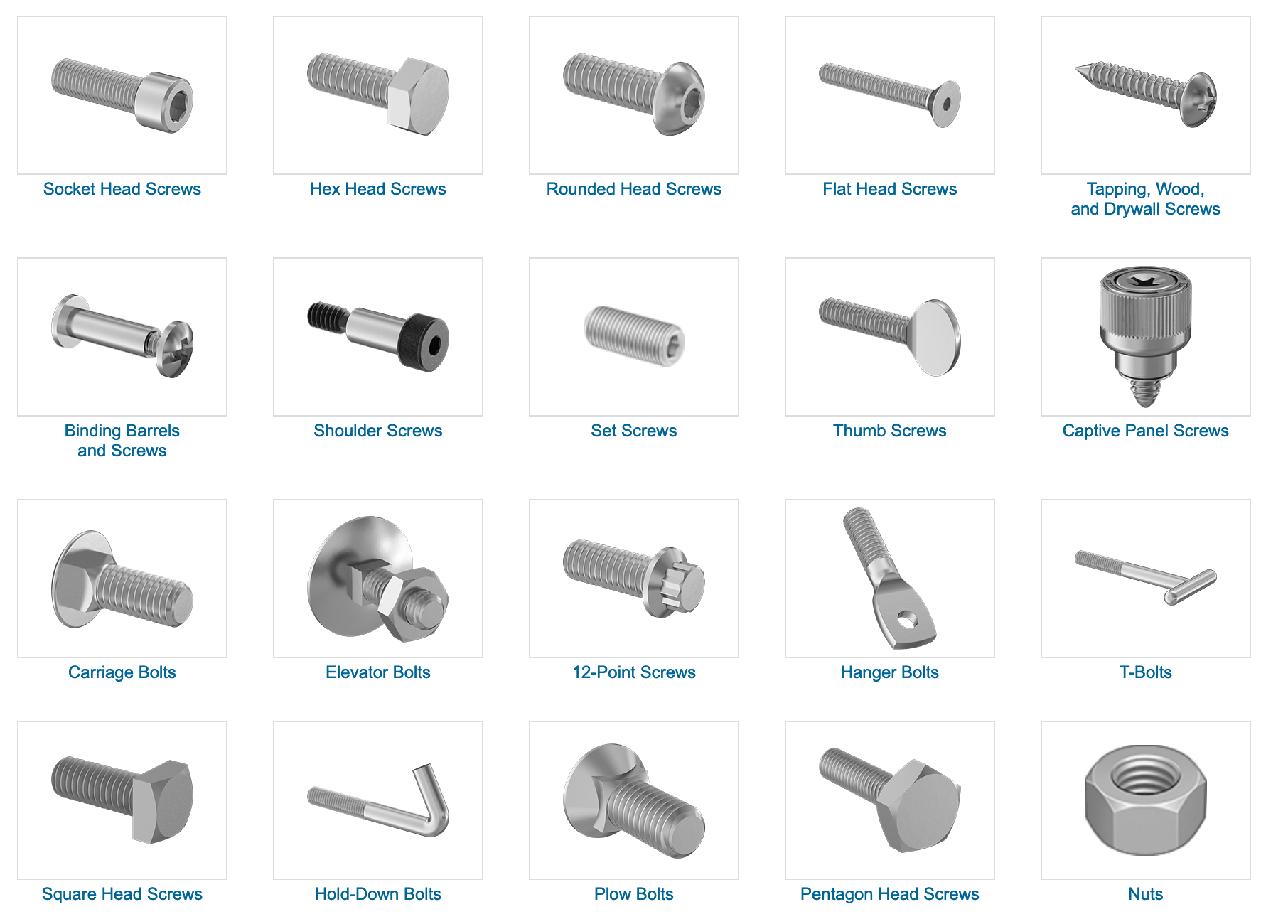
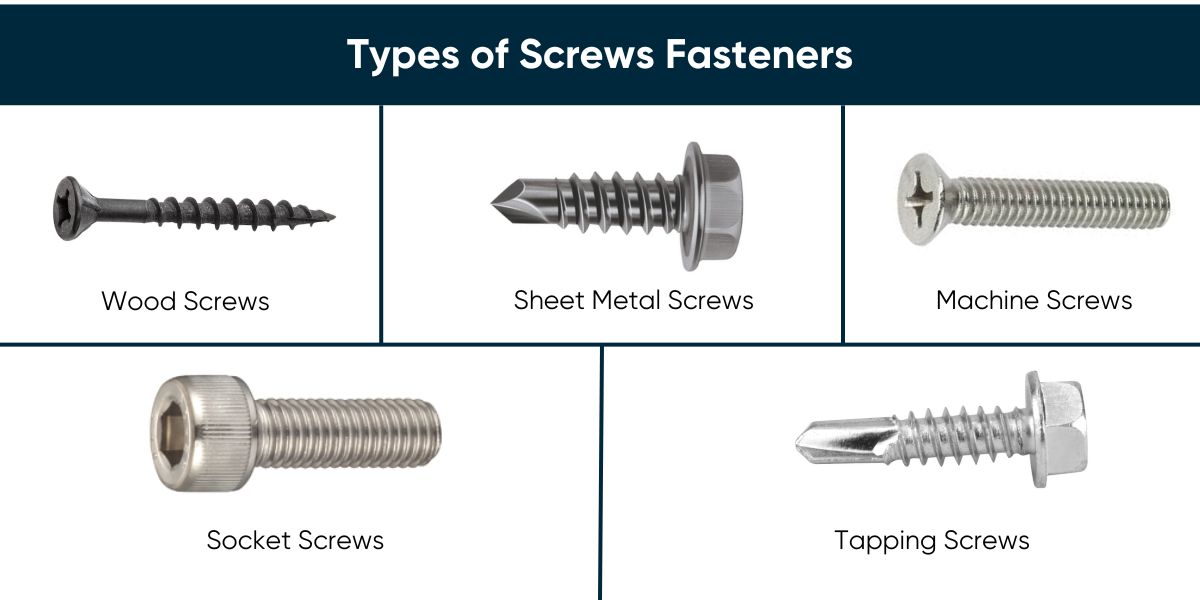
Bolts and screws are among the most popular fasteners. Both have threads that grip the material tightly. Bolts usually need a nut to hold things together. Screws can hold materials without a nut. They often go directly into wood or metal. Screws come in many head shapes for different tools. Bolts and screws provide strong, secure connections.
Nails And Pins
Nails and pins are simple fasteners used mainly with wood. Nails have smooth shafts and need a hammer to set. Pins are smaller and thinner than nails. They hold light materials or temporary parts. Nails provide quick and easy fastening. Pins often keep pieces aligned before final fixing.
Rivets And Washers
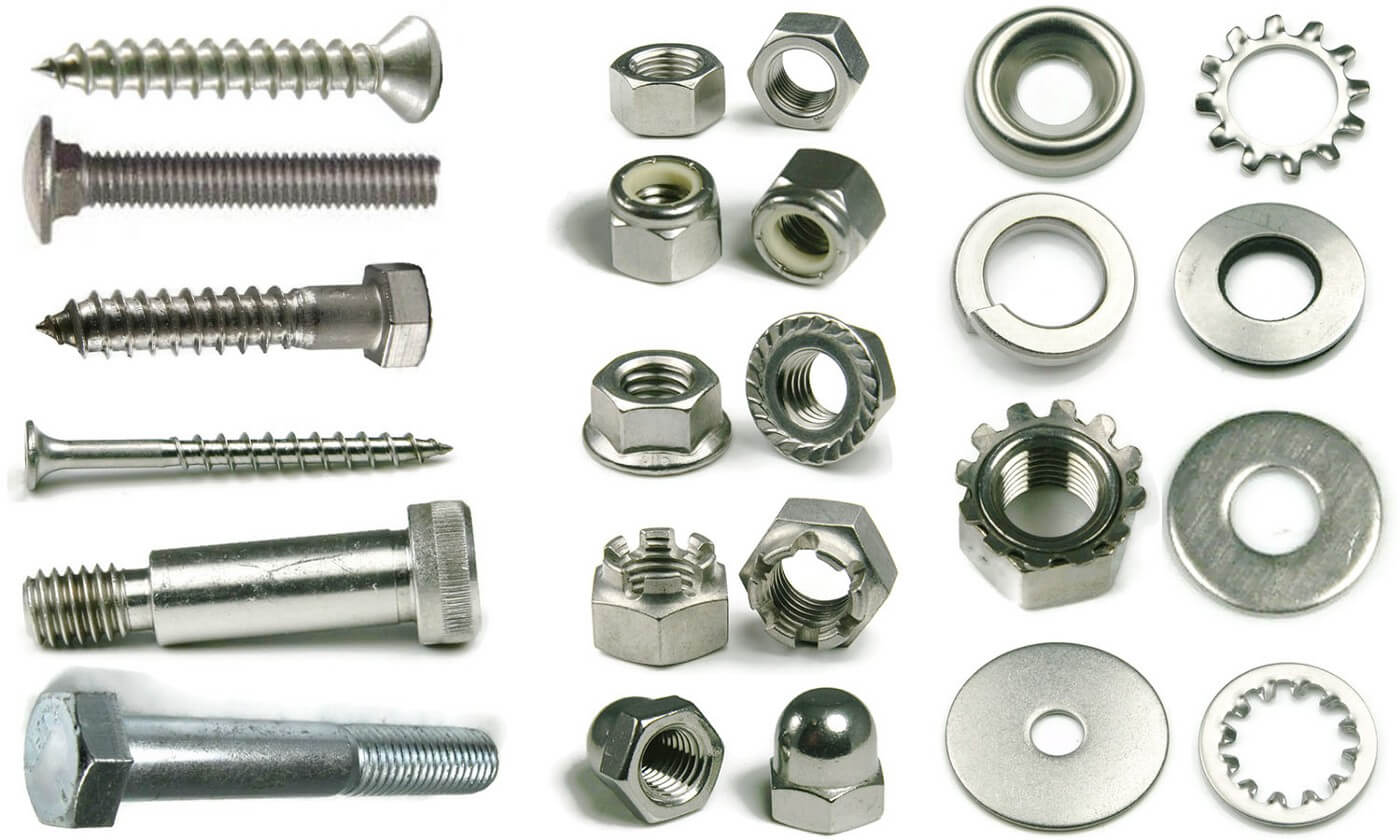
Rivets join materials by being hammered or pressed in place. They create permanent, strong bonds. Washers are small rings used with bolts or screws. They spread the load to avoid damage. Washers also help prevent loosening from vibration. Rivets and washers improve the strength and durability of fastened parts.
Specialty Fasteners
Specialty fasteners serve unique purposes in construction and manufacturing. They fit specific needs that standard fasteners cannot meet. These fasteners ensure strong connections in unusual or challenging conditions. Their design supports tasks requiring precision and reliability.
Anchors And Clips
Anchors hold objects tightly in place. They work well with materials like concrete or drywall. Clips fasten parts quickly and allow easy removal. Both help secure items without damaging surfaces. They are common in electrical and automotive work.
Hinges And Hooks
Hinges connect two parts to allow movement. They are essential in doors, lids, and gates. Hooks hold or hang items securely. They come in many shapes and sizes. These fasteners provide flexible but strong support.
Retaining Rings And Cams
Retaining rings fit into grooves to hold components. They keep parts from sliding off shafts or housings. Cams convert rotational motion into linear movement. They control mechanical actions in machines. Both fasteners improve equipment performance and safety.
Materials And Finishes
Fasteners come in many types, but their materials and finishes matter most. These aspects affect strength, durability, and use in different environments. Choosing the right material and finish helps your project last longer and perform better.
Steel And Stainless Steel
Steel fasteners are strong and cost-effective. They work well in most building and mechanical projects. Stainless steel resists rust and corrosion. It suits outdoor or wet places. Stainless steel fasteners keep their look and strength over time.
Brass And Aluminum
Brass fasteners resist corrosion and have a golden color. They are ideal for decorative and electrical uses. Aluminum fasteners are lightweight and resist rust. They work well in light-duty or non-structural tasks. Both metals offer good options for special needs.
Coatings And Treatments
Coatings protect fasteners from rust and wear. Zinc plating is common and adds rust resistance. Black oxide gives a sleek, dark finish and mild protection. Other treatments include galvanizing and anodizing. They help fasteners last longer in tough conditions.
Credit: bhansalitechno.com
Choosing The Right Fastener
Choosing the right fastener is important for any project. The fastener must hold parts together securely and last long. Different jobs need different fasteners. Picking the correct type helps avoid problems like loosening or breaking. Consider several key factors to make the best choice.
Load And Strength Requirements
Fasteners must handle the weight and force applied. Stronger fasteners suit heavy loads. Light-duty fasteners work for small parts. Check the strength needed before selecting a fastener. Using a weak fastener can cause failure and damage.
Environmental Considerations
Fasteners face different environments. Some need to resist water, heat, or chemicals. Choose rust-proof materials for outdoor use. For hot areas, select heat-resistant fasteners. Matching fasteners to conditions helps them last longer and stay safe.
Compatibility With Materials
Fasteners must fit well with the materials joined. Metal fasteners suit wood, plastic, or metal parts differently. Avoid fasteners that can damage soft materials. The right match prevents cracking or loosening over time. Always check material compatibility before deciding.
Tools For Fastening
Fastening tools help join parts quickly and securely. They suit different types of fasteners and work settings. Using the right tool ensures strong joints and saves time.
Manual Tools
Manual tools are simple and easy to use. Common examples include screwdrivers, wrenches, and pliers. These tools need hand strength but offer good control. They work well for small jobs and tight spaces. Manual tools do not require electricity or batteries.
Power Tools
Power tools speed up fastening tasks. Drills and impact drivers are popular power tools for screws and bolts. These tools run on batteries or electricity. They reduce hand strain and increase efficiency. Power tools suit large projects or frequent fastening jobs.
Specialized Equipment
Specialized equipment handles specific fastening needs. Rivet guns, torque wrenches, and nail guns belong here. These tools provide precise fastening and strong holds. They are common in construction and manufacturing. Specialized tools ensure correct tightness and safety.
Credit: www.3erp.com
Fastener Maintenance Tips
Fasteners hold things together. Their strength depends on good care. Regular maintenance keeps fasteners working well and safe. It also stops costly damage and failures. Follow simple tips to extend their life and performance.
Inspection And Replacement
Check fasteners often for signs of wear or damage. Look for cracks, rust, or bending. Tighten any loose screws or bolts. Replace fasteners that show serious damage or wear. Using bad fasteners can cause parts to break or fall apart.
Corrosion Prevention
Rust weakens fasteners and reduces their strength. Keep fasteners dry and clean to prevent rust. Use protective coatings like paint or oil. Choose stainless steel or coated fasteners for wet areas. Avoid exposing fasteners to harsh chemicals or salt.
Proper Storage
Store fasteners in a dry, cool place. Use labeled containers to keep different types separate. Avoid mixing sizes or materials in one box. Keep fasteners away from moisture and dust. Good storage helps find fasteners quickly and keeps them in good shape.
Frequently Asked Questions
What Are The Common Types Of Fasteners Used?
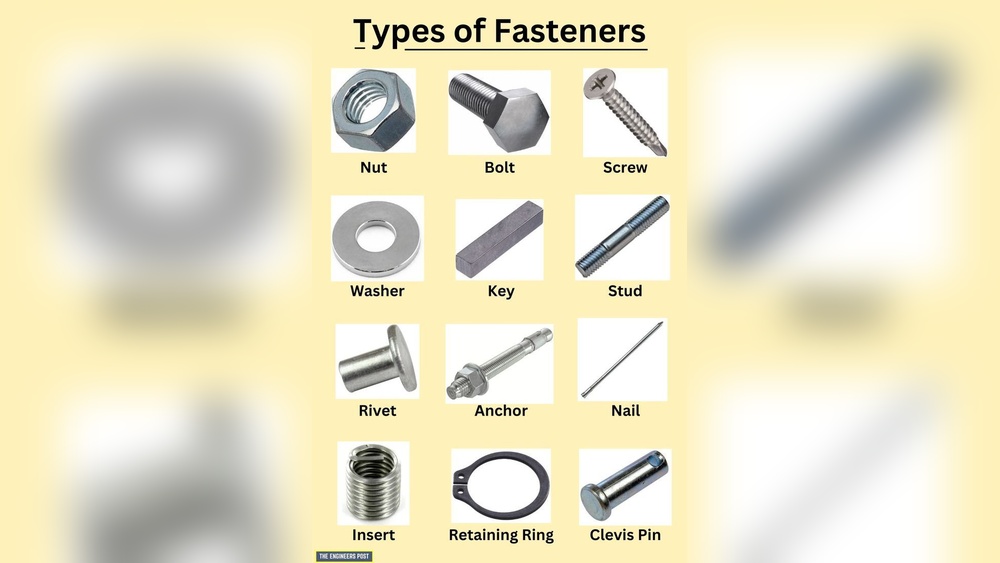
Common fasteners include bolts, screws, nuts, washers, rivets, and clips. Each serves a unique purpose in joining materials securely.
How Do Bolts Differ From Screws?
Bolts are used with nuts to clamp parts, while screws thread directly into materials for fastening without nuts.
What Is The Role Of Washers In Fasteners?
Washers distribute load evenly, preventing damage and loosening. They also protect surfaces and improve fastening stability.
When Should Rivets Be Used As Fasteners?
Rivets are ideal for permanent, strong joints in metal and plastic materials where disassembly is not needed.
Conclusion
Fasteners come in many types, each with a specific use. Knowing their differences helps you pick the right one. Screws, bolts, nuts, and nails are common choices. Each fastener offers unique strength and ease of use. Choosing the correct fastener makes your project strong and safe.
Keep these types in mind for your next build. Understanding fasteners saves time and effort. Simple tools and the right fastener create lasting results.