When tightening lug fasteners, an impact wrench should be used carefully—and knowing exactly how can save you from costly mistakes. If you’re working on your vehicle or machinery, getting this step right is crucial for safety and performance.
You might think it’s as simple as just grabbing the wrench and going for it, but there’s more to it than that. Keep reading to discover the key tips you need to avoid damage, ensure proper torque, and protect your wheels and fasteners every time you tighten.
Your next project depends on it.
Risks Of Over-tightening
Over-tightening lug fasteners with an impact wrench can cause serious problems. Many people think tighter is better, but this is not true. Too much force can damage parts and create safety risks. Understanding these risks helps keep your vehicle safe and in good condition.
Damage To Fasteners
Over-tightening can strip the threads on lug nuts and bolts. Stripped threads lose their grip and may fail to hold the wheel securely. This damage makes it hard to remove or tighten the fasteners later. Broken or weakened fasteners increase repair costs and cause inconvenience.
Wheel Deformation
Excessive torque can bend or warp the wheel. Deformed wheels do not fit properly on the hub. This causes vibrations and uneven tire wear. A bent wheel can also affect the vehicle’s balance and handling, making driving unsafe.
Safety Concerns
Over-tightened lug nuts can lead to wheel failure while driving. A wheel may loosen or fall off, causing accidents. Uneven pressure on the wheel can damage brake components. Safe torque levels protect you and other road users from harm.
Choosing The Right Impact Wrench
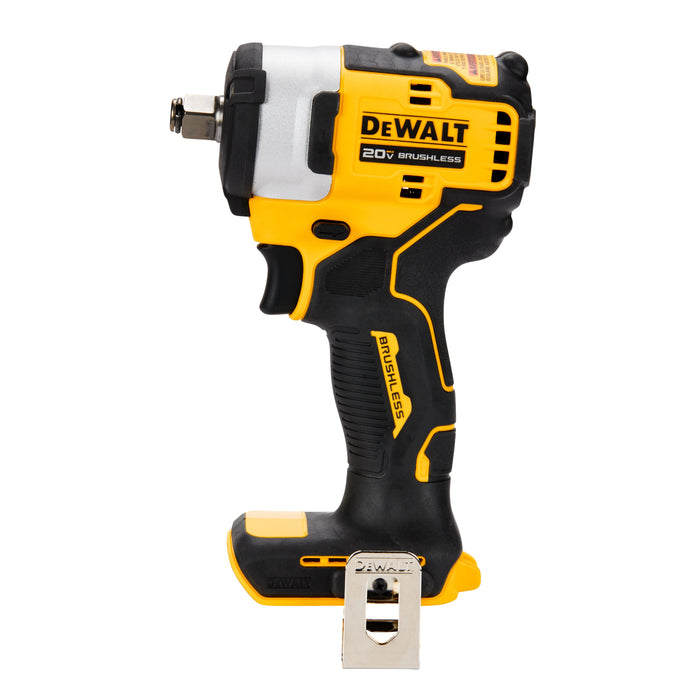
Choosing the right impact wrench is important for tightening lug fasteners safely and effectively. The right tool can prevent damage to wheels and ensure bolts are secure. It helps to pick a wrench that matches your needs and skill level. Understanding key features makes the choice easier.
Power Settings
Power settings control how strong the wrench hits. Lower settings are good for small bolts. Higher settings work well on tough or rusty fasteners. Choose a wrench with adjustable power. It gives you more control and prevents over-tightening.
Torque Control Features
Torque control helps set the exact tightness. This stops bolts from being too loose or too tight. Some wrenches have built-in torque limits. Others use a clutch to slip when the set torque is reached. This feature is very useful for precise work.
Corded Vs Cordless Options
Corded wrenches need a power outlet. They offer steady power and do not run out of battery. Cordless wrenches use rechargeable batteries. They are easier to carry and use anywhere. Choose cordless for mobility and corded for long tasks.
Proper Torque Techniques
Proper torque techniques are essential when tightening lug fasteners. Correct torque ensures the wheel stays secure and avoids damage. Using an impact wrench alone can lead to over-tightening or uneven pressure. Applying the right torque prevents these problems and keeps your vehicle safe.
Using A Torque Wrench After Impact
Start by using an impact wrench to snug the lug fasteners. Do not fully tighten them with the impact tool. Next, use a torque wrench to apply the exact torque recommended by the vehicle manufacturer. This step ensures even pressure on all fasteners and prevents damage to the wheel or studs.
Step-by-step Tightening Process
First, hand-tighten each lug nut in a star or crisscross pattern. This helps distribute pressure evenly. Then, use an impact wrench to slightly tighten the nuts in the same pattern. Finally, use a torque wrench to finish tightening to the correct torque. Check each fastener twice to ensure accuracy.
Avoiding Common Mistakes
Do not rely only on an impact wrench for final tightening. Avoid tightening fasteners in a circular pattern. This can cause uneven pressure and wheel damage. Never skip the torque wrench step. Avoid overtightening, which can strip threads or warp brake rotors. Follow the vehicle’s torque specs exactly.
Credit: www.coastaltool.com
Maintenance Of Tools And Fasteners
Proper maintenance of tools and fasteners is essential for safety and performance. It extends the life of your equipment. It ensures that every job gets done correctly. Neglecting maintenance can lead to tool failure and unsafe conditions.
Regular checks and care keep impact wrenches and lug fasteners in top shape. This reduces the risk of over-tightening or damaging parts. Following simple maintenance steps saves time and money in the long run.
Inspecting Fasteners Before Use
Check lug fasteners for any signs of damage or wear. Look for cracks, rust, or stripped threads. Do not use fasteners that look damaged. Clean fasteners to remove dirt and grease. Properly inspecting fasteners ensures a safe and secure fit.
Impact Wrench Calibration
Calibration keeps the impact wrench accurate and reliable. Use a torque tester to check if the wrench tightens correctly. Recalibrate tools regularly, especially after heavy use. Correct calibration prevents over-tightening or under-tightening fasteners. This helps avoid damage to wheels or bolts.
Cleaning And Storage Tips
Clean the impact wrench after every use. Remove dust, dirt, and grease from the tool’s surface. Use a soft cloth and mild cleaner. Store the wrench in a dry, cool place to avoid rust. Keep fasteners in a sealed container to prevent moisture. Proper cleaning and storage increase tool lifespan and performance.
Best Practices For Safety
Safety is key when tightening lug fasteners with an impact wrench. Following best practices protects users and avoids damage. This section covers essential safety steps for using an impact wrench correctly and safely.
Personal Protective Equipment
Always wear safety glasses to protect your eyes from flying debris. Use gloves to avoid cuts and improve grip. Hearing protection helps reduce noise from the impact wrench. Wear sturdy shoes to protect your feet in case tools fall.
Work Environment Setup
Keep your work area clean and free of clutter. Make sure the floor is dry to prevent slips. Good lighting helps you see fasteners clearly. Secure the vehicle or object to stop movement during tightening. Avoid distractions to stay focused on the task.
Training And Skill Development
Learn the correct way to use an impact wrench before starting. Understand torque settings and how they affect fastener tightness. Practice on scrap materials to gain confidence. Regular training reduces mistakes and improves safety. Follow manufacturer instructions for every tool.

Credit: knowhow.napaonline.com
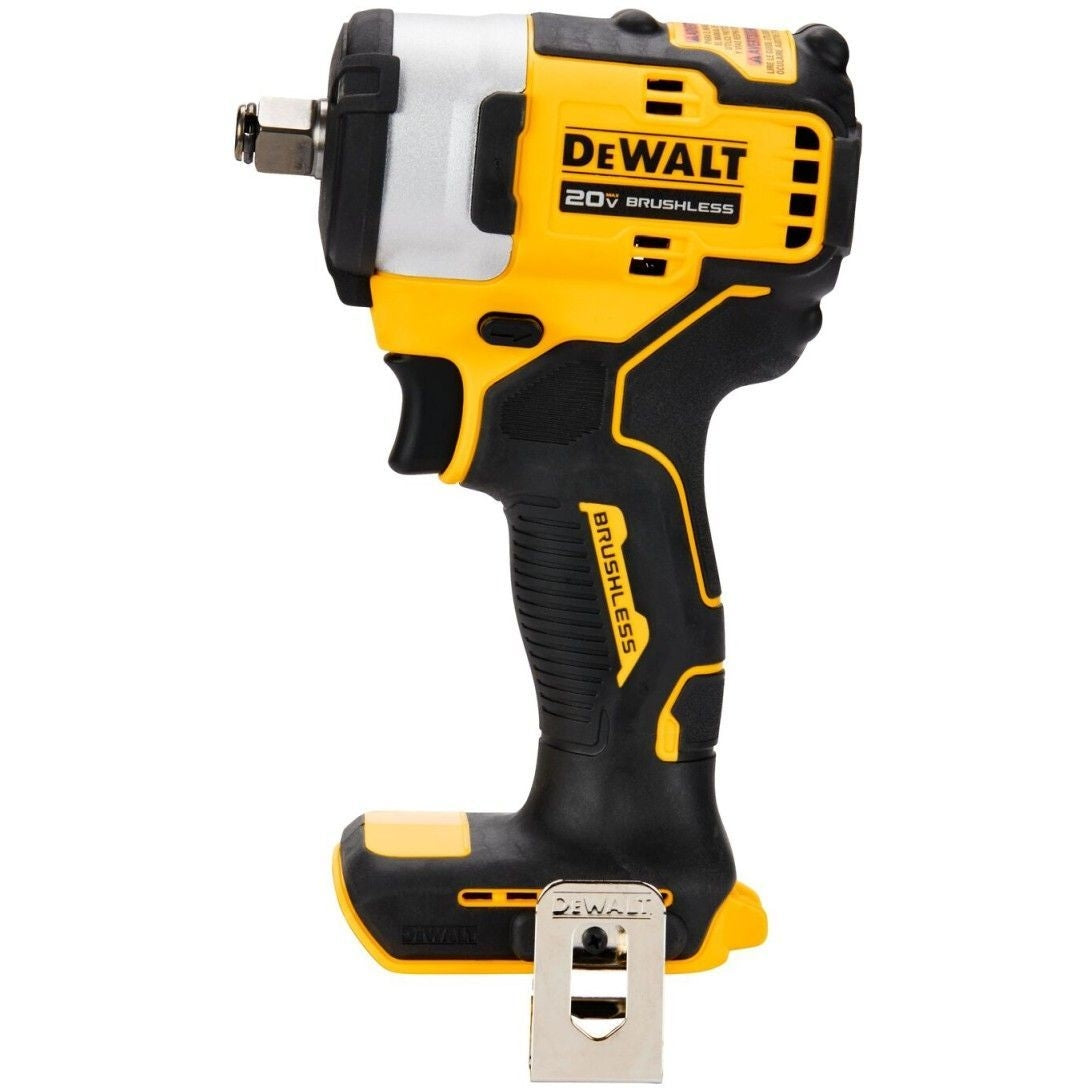
Credit: www.toolnut.com
Frequently Asked Questions
When Should You Stop Using An Impact Wrench On Lug Fasteners?
Stop using the impact wrench once the lug fasteners are snug. Over-tightening can damage threads or brake components. Always finish tightening with a torque wrench to the manufacturer’s recommended specifications for safety and accuracy.
Why Is Over-tightening Lug Fasteners Dangerous?
Over-tightening lug fasteners can strip threads and warp brake rotors. It may also cause uneven stress on wheels, leading to unsafe driving conditions. Proper torque ensures wheel security without damaging parts or compromising vehicle safety.
How To Properly Tighten Lug Fasteners With An Impact Wrench?
Use the impact wrench to initially tighten lug fasteners just until snug. Avoid full torque with the impact wrench. Then, use a torque wrench to apply the final, precise torque as specified by the vehicle manufacturer.
Can Impact Wrenches Replace Torque Wrenches For Lug Fasteners?
No, impact wrenches cannot replace torque wrenches for final tightening. Impact wrenches provide speed but not precise torque control. Always use a torque wrench to ensure lug fasteners meet exact torque specifications.
Conclusion
Tightening lug fasteners with an impact wrench needs care. Use the correct torque to avoid damage or loose wheels. Always follow the car maker’s instructions for safe tightening. Double-check the lug nuts after driving a short distance. This helps keep your wheels secure and your ride safe.
Using the right tools and steps makes all the difference. Keep safety first and your vehicle will perform well. Simple habits prevent costly problems on the road.