Have you ever wondered how patches stick so securely to jackets, bags, or uniforms yet come off just as easily? The secret lies in something called a hook fastener.
If you want a simple, reliable way to attach and swap out patches without sewing or damaging your gear, understanding what a hook fastener is will change the way you think about fasteners. You’ll discover how this clever fastening system works, why it’s so popular, and how it can make your life easier—whether you’re customizing your clothing, organizing your equipment, or just want a quick fix that holds strong.
Ready to unlock the magic behind hook fasteners? Let’s dive in.
Hook Fastener Basics
Hook fasteners are simple yet effective fastening tools. They consist of two parts that join together easily. This basic system allows quick attachment and removal of items. Hook fasteners are popular in clothing, gear, and many other uses. Understanding their basics helps you see why they are so widely used.
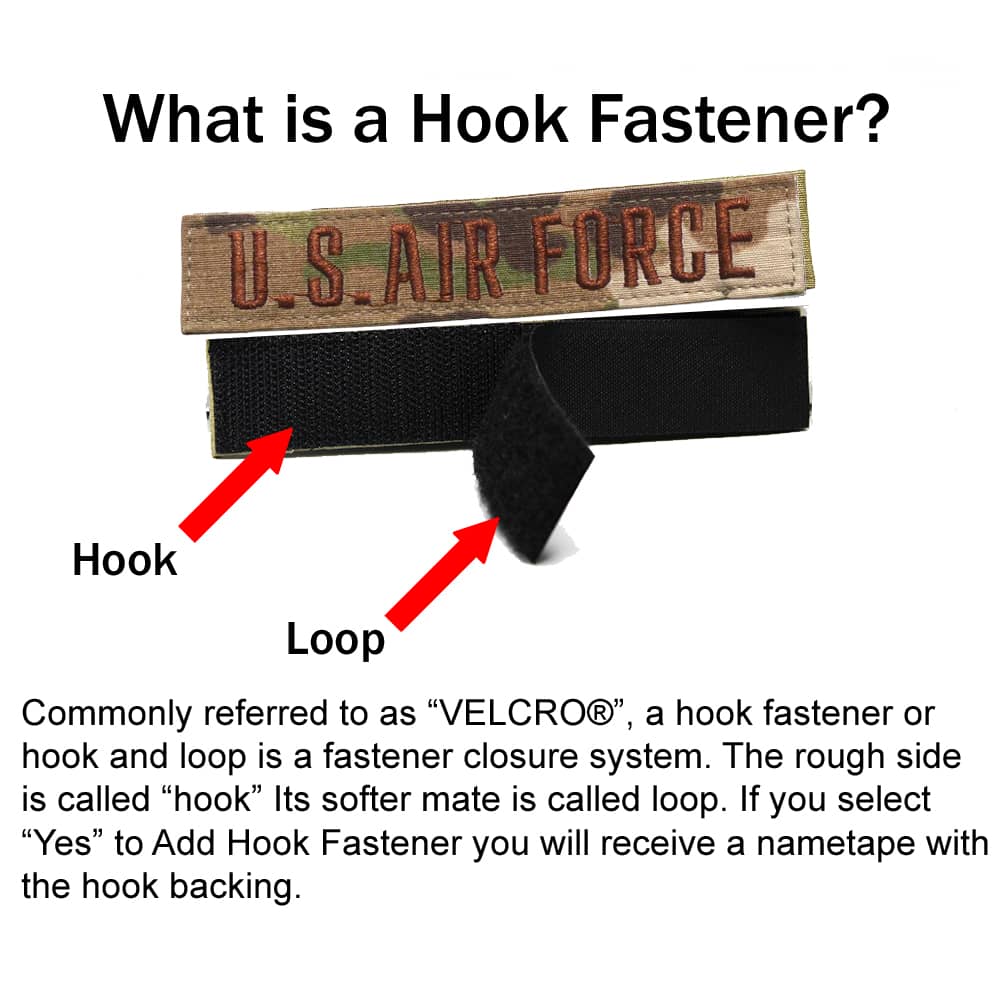
The system relies on the interaction between two different surfaces. These surfaces are called the hook side and the loop side. Each has unique features that make the fastening strong and reusable.
Hook Side Features
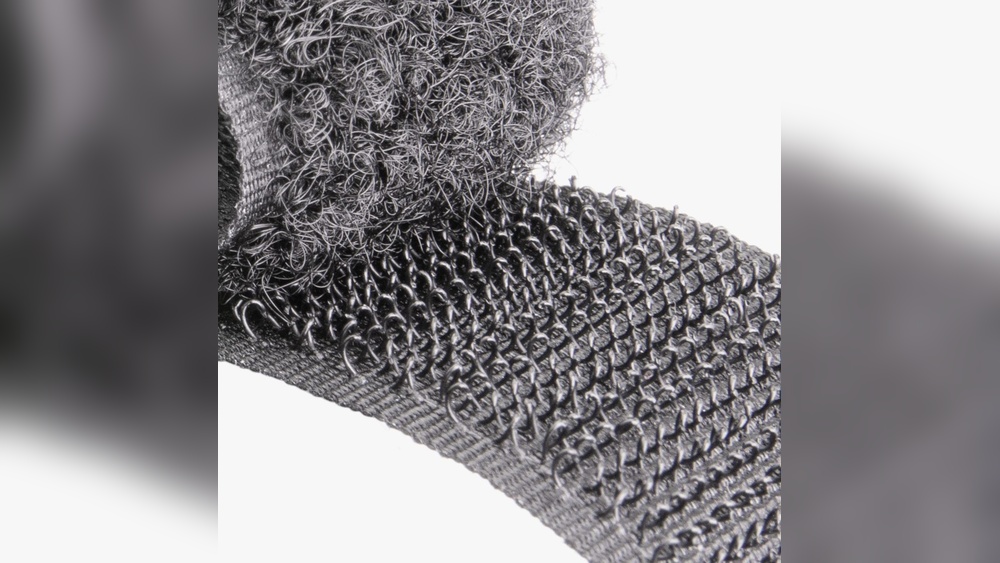
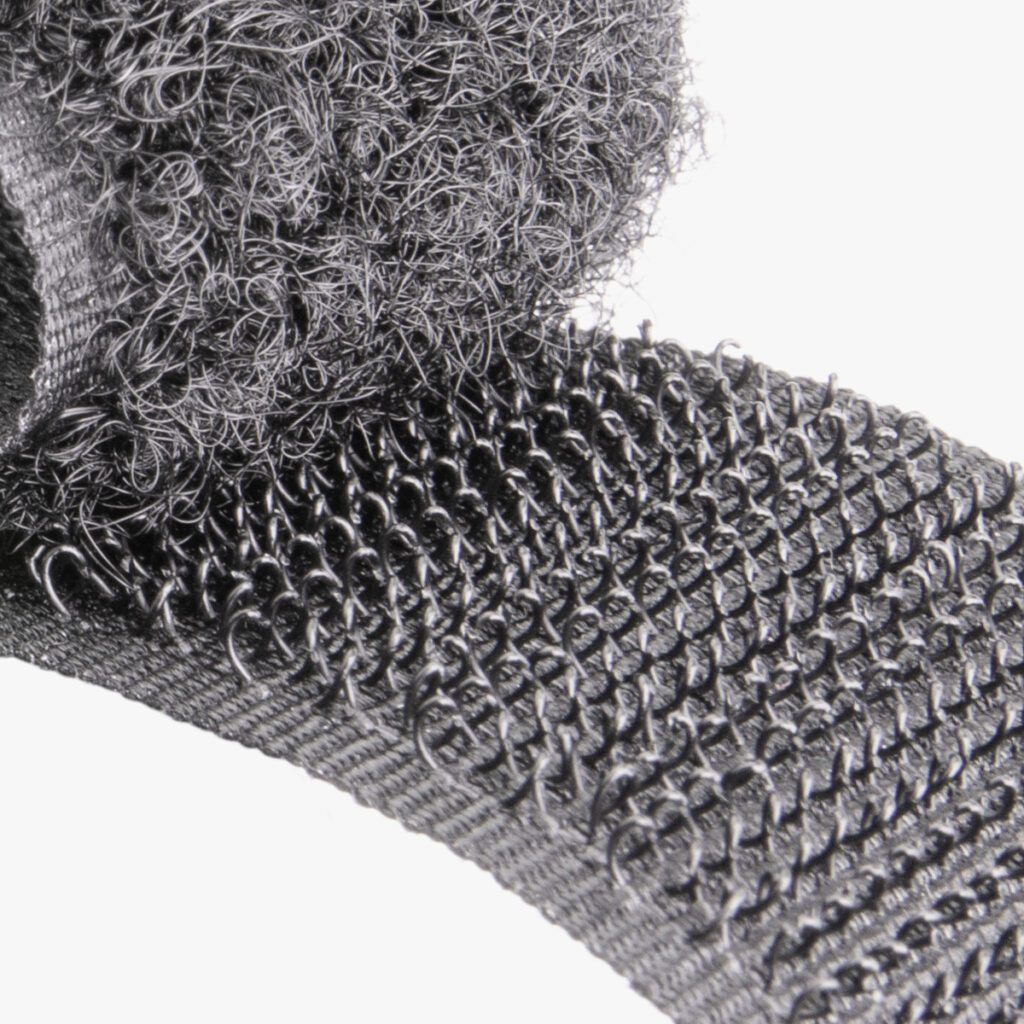
The hook side has many tiny, rigid hooks made of plastic or nylon. These hooks look like small claws. They catch onto loops on the other side. The surface feels rough and scratchy to the touch. It is usually attached to the back of patches or straps. The hooks provide the grip that holds the fastener firmly in place.
Loop Side Features
The loop side is soft and fuzzy. It is made of many small loops of thread or fabric. These loops create a cushioned surface. This side is sewn or glued onto the item where the patch or strap will attach. The loops catch the hooks and hold them securely. The soft texture makes it easy to press the two sides together.
How Hook And Loop Connect
When the hook side presses against the loop side, hooks catch in the loops. This connection creates a firm bond that holds the pieces tightly. The bond is strong but can be pulled apart easily. This allows repeated opening and closing without damage. The hook and loop system works like a tiny mechanical grip. It keeps patches, straps, or other items in place with ease.
Credit: www.bradleyssurplus.com
Common Hook Fastener Types
Hook fasteners come in several common types. Each type serves different purposes and applications. Choosing the right type depends on the material and the use case. Understanding these types helps in selecting the best fastener for your project.
Sew-on Fasteners
Sew-on hook fasteners attach firmly to fabric by stitching. They are durable and ideal for clothing and gear. These fasteners hold well through washing and heavy use. Sewing provides a secure bond that lasts long. They work great for patches, uniforms, and bags.
Adhesive Backed Fasteners
Adhesive backed hook fasteners stick using a strong glue layer. They offer quick and easy application. No sewing skills are needed for these fasteners. Adhesive backed types suit hard surfaces and lightweight fabrics. They are perfect for temporary or light-duty uses.
Specialized Variants
Some hook fasteners are made for specific conditions. Examples include fire-resistant and waterproof versions. Others have extra strong hooks for heavy-duty use. Specialized hook fasteners meet unique needs in industries like military and sports. These variants enhance performance and durability.
Popular Uses
Hook fasteners have many practical uses across different fields. Their strong yet removable grip makes them ideal for items that need frequent changes or updates. These fasteners add convenience and flexibility to everyday objects and specialized gear. Here are some popular uses of hook fasteners.
Military And Tactical Gear
Hook fasteners are common in military uniforms and tactical equipment. Soldiers use them to attach patches, name tags, and insignias quickly. Gear like backpacks and vests also use hook fasteners to secure accessories. This system allows easy customization and fast changes in the field. The strong hold ensures items stay in place during intense activity.
Sports Apparel
Athletes often wear clothing with hook fasteners for added functionality. These fasteners hold team logos, numbers, and sponsorship patches. They allow quick removal for washing or switching designs. Sports gear like gloves and pads also use hook fasteners for adjustable fits. This improves comfort and performance during games and training.
Custom Patches
Custom patches use hook fasteners to offer flexibility and personalization. People attach patches to jackets, hats, and bags without sewing. This lets them change designs based on mood or event. Businesses use hook fasteners to display logos that can be swapped as needed. The system is popular for collectors and hobbyists who enjoy variety.
Everyday Items
Hook fasteners appear on many daily products. Shoes, wallets, and phone cases often use them for easy opening and closing. Home items like curtains and cable organizers rely on hook fasteners for simple handling. They also help in crafting and DIY projects by providing a reusable bond. This fastener type makes life more organized and efficient.

Credit: www.electriduct.com
Benefits Of Hook Fasteners
Hook fasteners offer many benefits that make them popular in various fields. They provide a simple way to attach and detach items without any tools. This ease improves convenience and saves time in daily use. The following sections explain key benefits of hook fasteners and why they are widely used.
Easy Attachment And Removal
Hook fasteners allow quick and easy attachment. Pressing the hook side onto the loop side creates a secure hold instantly. Removing the fastener is just as simple. No buttons, zippers, or snaps are needed. This speed helps in situations needing frequent changes or adjustments. Users can attach or remove patches, straps, and other items with little effort.
Versatility Across Applications
Hook fasteners suit many uses. They work well on clothes, bags, shoes, and gear. Military, sports, and fashion industries rely on them for easy customization. Different types of patches and materials can attach using hook fasteners. They adapt to various surfaces, including fabric, plastic, and metal. This versatility makes them a practical choice for many tasks.
Durability And Reusability
Hook fasteners last through many uses. Their strong grip holds items securely over time. They resist wear and tear even after repeated attachment and removal. This durability saves money by reducing the need to replace fasteners often. Users can reuse hook fasteners on patches, badges, and straps repeatedly. This feature supports sustainability and convenience.
Applying Hook Fasteners
Applying hook fasteners correctly ensures a strong and lasting bond. Proper application helps the fastener hold firmly and stay in place during use. The process involves careful surface preparation, choosing the right sewing method, or using adhesives to attach the fastener. Each step matters for durability and performance.
Surface Preparation
Clean the surface before attaching the hook fastener. Remove dirt, dust, and oils with a mild cleaner or alcohol wipe. Allow the surface to dry completely. Smooth surfaces offer better adhesion for hook fasteners. Rough or uneven areas may cause weak attachment or damage the fastener.
Sewing Techniques
Sewing is a common way to attach hook fasteners to fabric. Use a strong thread that matches the material color. Stitch around the edges of the hook fastener securely. Avoid loose or uneven stitches that can come undone over time. A sewing machine or hand stitching both work well for this task.
Adhesive Methods
Adhesives provide a quick method to apply hook fasteners. Use fabric glue or double-sided tape designed for textiles. Apply the adhesive evenly on the back of the fastener. Press firmly onto the prepared surface and hold for a few seconds. Let the adhesive cure fully before using the item to ensure a strong bond.
Maintaining Hook Fasteners
Maintaining hook fasteners ensures they work properly for a long time. Dirt and debris can reduce their grip. Regular care keeps them strong and reliable.
Small problems can turn into big issues without proper maintenance. Simple cleaning and timely fixes improve their performance. Follow these tips to keep hook fasteners in top shape.
Cleaning Tips
Remove dirt by gently brushing the hook side with a soft brush. Use a lint roller to pick up tiny fibers. Avoid washing with harsh chemicals that can damage hooks.
For stubborn dirt, rinse with warm water and mild soap. Let the fastener air dry completely before use. Clean both hook and loop sides regularly for best results.
Extending Lifespan
Store hook fasteners away from heat and direct sunlight. Keep them fastened when not in use to prevent hooks from bending. Avoid contact with sharp objects that can damage hooks.
Replace worn-out fasteners quickly to maintain secure attachment. Using hook fasteners gently reduces wear and tear. Proper care extends their useful life significantly.
Troubleshooting Common Issues
Hooks may lose grip if filled with lint or hair. Clean regularly to restore hold. If hooks bend, try straightening them carefully with tweezers.
When hooks break or wear out, replacement is the best option. Check the loop side for damage too. Damaged loops also reduce fastener strength.
Innovations In Hook Fasteners
Hook fasteners continue to evolve with new features and improvements. These innovations enhance their usability and durability. They make hook fasteners more user-friendly and environmentally conscious. This section highlights key advancements in hook fastener technology.
Snag-free Designs
Snag-free hook fasteners reduce damage to fabrics and skin. They use softer hooks or protective coverings to prevent catching. These designs maintain strong attachment without rough edges. Users enjoy safer and smoother handling. Snag-free fasteners suit delicate materials and frequent use.
Heavy-duty Versions
Heavy-duty hook fasteners offer extra strength and durability. They use thicker, reinforced hooks and loops for tough tasks. These fasteners resist wear from heavy loads and harsh conditions. Ideal for outdoor gear, workwear, and industrial applications. They provide long-lasting hold and reliability.
Eco-friendly Materials
Manufacturers now create hook fasteners from sustainable materials. Recycled plastics and biodegradable fibers reduce environmental impact. These eco-friendly options perform as well as traditional fasteners. They support green initiatives and lower waste. Users can choose quality fasteners that help protect the planet.
Credit: www.velcro.com
Frequently Asked Questions
What Is A Hook Fastener On A Patch?
A hook fastener on a patch is the rough side with tiny hooks that attach to a soft loop surface. It allows easy, reusable patch attachment and removal. This system, known as hook-and-loop fastener or Velcro, is common on uniforms, gear, and clothing for quick patch swapping.
What Are Fastener Hooks Used For?
Fastener hooks attach to loop fabric, enabling easy, reusable fastening for patches, uniforms, gear, and apparel. They allow quick swapping and secure hold.
What Is A Hook Fastener With A Soft Side?
A hook fastener with a soft side combines a rough, hook surface with a soft, loop backing. The hooks grip the loops firmly. This system allows easy attachment, removal, and reuse on fabrics, making it ideal for patches, uniforms, and gear.
It offers versatility and convenience.
What Does A Hook And Loop Fastener Look Like?
A hook and loop fastener has two parts: a rough, hook side and a soft, loop side. The hooks catch the loops, creating a secure, reusable bond. It looks like tiny hooks on one side and fuzzy loops on the other, often seen on patches, clothing, and gear.
Conclusion
A hook fastener is a simple, useful way to attach patches. It uses tiny hooks that grip soft loops firmly. This system makes it easy to add, remove, or change patches quickly. Many people use hook fasteners on uniforms, bags, and sports gear.
The design saves time and adds convenience. You get a strong hold without sewing every time. This fastener suits many patch types and keeps items looking neat. Overall, hook fasteners offer a smart, flexible solution for everyday needs.