Are you struggling to find the right size fastener for your project? Measuring fasteners correctly can save you time, money, and frustration.
Whether you’re fixing something at home or working on a big construction job, knowing how to measure bolts, screws, and nuts is essential. In this guide, you’ll learn simple, clear steps to measure fasteners like a pro. Keep reading, and you’ll never second-guess your fastener sizes again.
Types Of Fasteners
Fasteners hold parts together. They come in many shapes and sizes. Knowing the types helps to measure them correctly. Each type has unique features and uses.
Bolts And Screws
Bolts and screws look similar but have different uses. Bolts need a nut to hold parts tight. Screws twist directly into material. Both have heads of various shapes. Measure their length from head to tip. Thread size is also important to note.
Nuts And Washers
Nuts fit onto bolts to lock parts in place. They come in different shapes like hex or wing. Washers sit under nuts or bolt heads. They spread the load and protect surfaces. Measure nuts by their thread size. Washers are measured by inner and outer diameter.
Specialty Fasteners
Some fasteners have special jobs. Examples include rivets, anchors, and clips. Rivets join parts permanently. Anchors hold fasteners in walls or concrete. Clips snap parts together without tools. These need specific measuring methods. Knowing their type helps pick the right size.
Tools Needed For Measurement
Measuring fasteners accurately requires the right tools. Using proper tools helps get exact sizes. This prevents mistakes and ensures a good fit. The tools vary depending on what you measure. Some tools check thickness, others check length or thread size. Here are the common tools needed for measuring fasteners.
Calipers And Micrometers
Calipers measure the outside and inside dimensions of fasteners. They can also measure depth. Digital calipers show measurements clearly and are easy to use. Micrometers provide very precise measurements for small parts. They work well for diameter and thickness. Both tools help avoid guesswork when measuring.
Thread Gauges
Thread gauges measure the pitch and size of screw threads. They match the fastener’s threads to a standard size. This ensures the fastener will fit the nut or hole. Thread gauges come in different types for metric and imperial threads. They are simple tools that save a lot of time.
Rulers And Tape Measures
Rulers and tape measures work for quick, rough measurements. Use them to check length and width of fasteners. They are not very precise but good for general sizing. Plastic or metal rulers work best for small fasteners. Tape measures are useful for longer fasteners or bolts.
Measuring Fastener Length
Measuring fastener length is a key step in choosing the right bolt or screw for a project. The length affects how well the fastener holds materials together. Understanding how to measure length correctly saves time and avoids errors.
Different types of fasteners require different measuring methods. Knowing what to include in the measurement is important. This guide covers how to measure bolts and screws, how head types affect length, and how to measure threaded and non-threaded parts.
Measuring Bolts And Screws
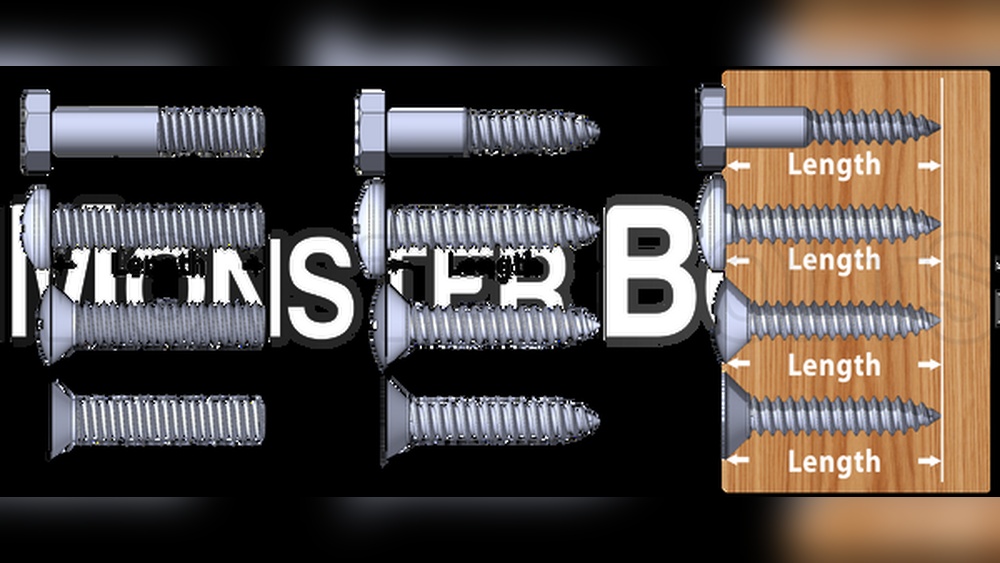
Measure bolts from the base of the head to the tip. For screws, measure from the point where the head sits to the tip. Use a ruler or caliper for accuracy. Avoid including the head if the fastener has a flat or countersunk head.
Accounting For Head Types
Fastener heads come in many shapes. Flat or countersunk heads sit flush with the surface. Do not include these heads in the length measurement. Rounded or hex heads sit above the surface. Include these heads in the total length.
Measuring Threaded Vs Non-threaded Sections
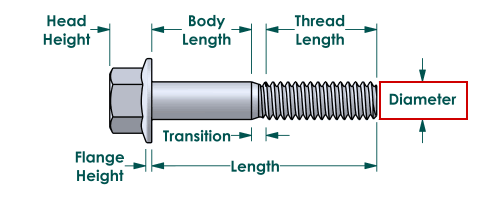
Some fasteners have threads along the entire length. Others have a smooth, non-threaded section near the head. Measure the entire fastener length, but note thread length separately. This helps ensure the fastener fits and grips properly.
Credit: www.mudgefasteners.com
Determining Diameter
Determining the diameter of fasteners is essential for selecting the right size. Accurate measurement helps ensure a secure fit and proper function. Diameter affects strength and compatibility with tools and materials.
Knowing how to measure diameter avoids mistakes during assembly or repairs. It also saves time and prevents damage to parts.
Measuring Shank Diameter
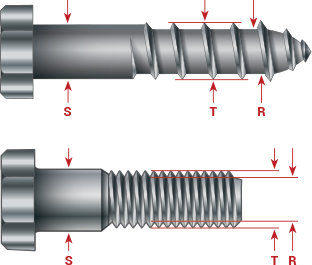
The shank diameter is the thickness of the fastener’s smooth part. Use a caliper for precise measurement. Place it around the shank and read the value in millimeters or inches.
A correct shank diameter ensures the fastener fits the hole properly. Avoid measuring the threaded section here to get the right size.
Thread Diameter And Pitch
Thread diameter is the width across the threads’ outer edges. It is larger than the shank diameter. Measure it using a caliper across the threads.
Thread pitch is the distance between threads. Measure it with a thread pitch gauge or ruler. Correct pitch ensures compatibility with nuts or tapped holes.
Using Thread Gauges Correctly
Thread gauges help identify thread pitch and type. Match the gauge teeth with the fastener threads. The right fit means the gauge and threads align perfectly.
Use clean fasteners for accurate readings. Avoid forcing the gauge, as this may damage threads or give false results.
Identifying Thread Pitch
Identifying thread pitch is essential for measuring fasteners accurately. Thread pitch tells how tight or loose the threads are on a bolt or screw. Knowing the pitch helps you find the right fastener for your project. It also prevents damage from using the wrong size. This section explains how to identify thread pitch using simple methods.
Metric Vs Imperial Threads
Threads come in two main types: metric and imperial. Metric threads use millimeters to measure pitch. It shows the distance between threads. Imperial threads use inches and count the number of threads per inch. Metric threads are common worldwide. Imperial threads are often used in the United States. Identifying the type helps you select the correct fastener.
Counting Threads Per Inch
Counting threads per inch (TPI) is a basic way to find pitch. Use a ruler with clear markings. Align the fastener so you can see the threads. Count how many threads fit in one inch. The number you count is the TPI. This method works for imperial fasteners. It gives a quick and easy measurement.
Using Pitch Gauges
Pitch gauges are tools made to measure thread pitch precisely. They have many blades with different thread sizes. Match the blades to the fastener’s threads. The blade that fits perfectly shows the pitch size. Pitch gauges work for both metric and imperial threads. They provide the most accurate measurement of thread pitch.
Credit: www.fastenersuperstore.com
Common Measurement Mistakes
Measuring fasteners correctly is key to a strong and safe fit. Many people make simple mistakes that cause wrong sizes. These errors lead to wasted materials and time. Understanding common errors helps avoid costly problems.
Misreading Tools
Using the wrong tool or reading it wrong causes big errors. Rulers, calipers, and gauges must be clear and precise. Check zero points and scale marks carefully. Avoid guessing between millimeters and inches. Double-check measurements for accuracy before recording.
Ignoring Thread Types
Threads come in many shapes and sizes. Using the wrong thread type can ruin a connection. Identify if threads are coarse or fine. Match thread pitch and angle to the fastener. Ignoring these details causes loose or tight fits.
Not Accounting For Tolerances
Tolerances are small limits in size allowed by manufacturers. Measuring without considering tolerances leads to wrong parts. Always check the tolerance range for your fastener. This helps ensure parts fit well and work safely. Allow space for slight variations in size.
Tips For Accurate Sizing
Getting the size of fasteners right is important for any project. Accurate sizing ensures the fastener fits well and holds parts securely. It saves time and avoids damage. Follow these simple tips to measure fasteners correctly and confidently.
Double-checking Measurements
Always measure twice before buying or using a fastener. This reduces mistakes and prevents wasted materials. Use the same tool for both measurements to keep consistency. Write down your measurements to avoid forgetting or mixing them up.
Using The Right Tools
Choose tools made for measuring small objects. Calipers work best for diameter and length. Rulers or tape measures can work for larger fasteners, but may not be very precise. Keep tools in good condition for clear readings.
Keeping Fasteners Clean
Clean fasteners before measuring. Dirt or rust can change the size and give wrong readings. Use a brush or cloth to remove debris. Clean fasteners help tools grip better and improve accuracy.

Credit: www.youtube.com
Frequently Asked Questions
How Do You Measure Fastener Length Accurately?
Measure fastener length from the bottom of the head to the tip. Use a caliper or ruler for precision. For countersunk heads, measure the entire fastener length including the head. Accurate length ensures proper fit and secure fastening.
What Tools Are Best For Measuring Fasteners?
Calipers and micrometers are ideal for precise fastener measurements. A standard ruler can work for quick checks. Digital calipers provide accuracy up to 0. 01 mm. Choose tools based on the fastener size and required precision.
How To Measure Fastener Thread Size Correctly?
Measure the thread diameter with calipers at the widest part. Count the threads per inch (TPI) or measure pitch in millimeters. Use a thread gauge for accuracy. Correct thread size ensures compatibility with nuts or tapped holes.
Why Is Measuring Fastener Diameter Important?
Fastener diameter affects load capacity and fit in pre-drilled holes. Incorrect diameter leads to weak joints or damage. Measuring diameter ensures strength and proper assembly. Always verify diameter before selecting or replacing fasteners.
Conclusion
Measuring fasteners is simple with the right steps and tools. Always double-check your measurements for accuracy. Knowing the size helps you choose the correct fastener for your project. This saves time and avoids mistakes. Practice measuring often to build confidence.
Clear measurements lead to better results and stronger builds. Keep your tools clean and ready to use. Remember, small details make a big difference in any task. Measuring well ensures your work stays safe and secure.