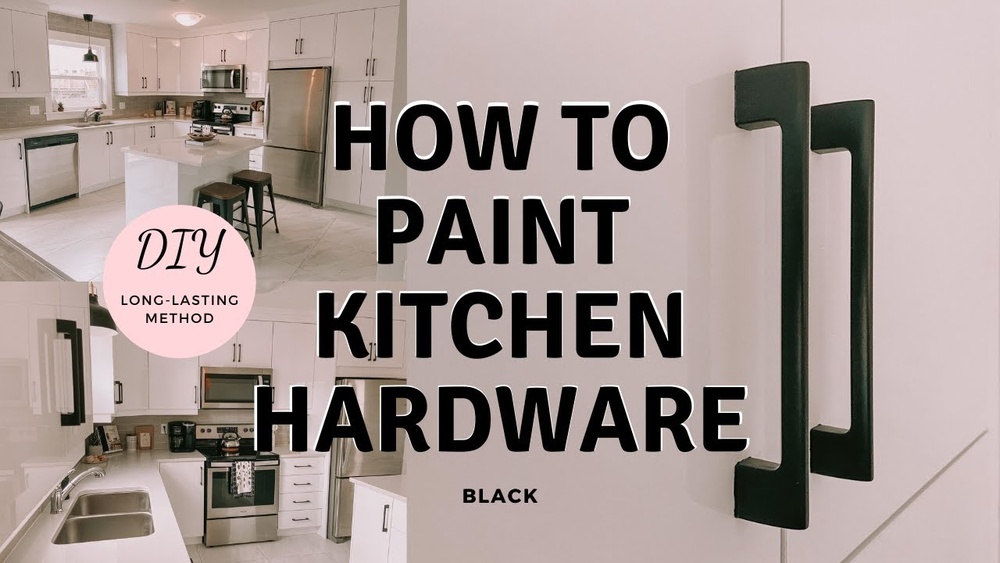
Are you looking to give your kitchen a fresh, modern look without spending a fortune? Painting your cabinet hardware black is one of the easiest and most impactful ways to transform your space.
Whether your handles are outdated brass or simply worn down, a sleek black finish can instantly elevate your cabinets and tie your whole room together. But how do you get that perfect, smooth black coat that lasts? In this guide, you’ll learn simple, step-by-step tips to prepare, paint, and seal your cabinet hardware like a pro—even if you’ve never picked up a paintbrush before.
Keep reading to discover how you can achieve a stunning, durable black finish that will make your cabinets stand out for years to come.

Credit: www.thriftydecorchick.com
Tools And Materials
Painting cabinet hardware black can transform your kitchen or bathroom easily. Having the right tools and materials ensures a smooth and lasting finish. Prepare everything before starting to avoid interruptions and mistakes.
Paint Types For Hardware
Choose paint made for metal surfaces. Spray paint offers even coverage and works well on small hardware pieces. Look for paints labeled as rust-resistant or durable. Satin or matte finishes help hide fingerprints and wear. Avoid regular wall paint; it may chip quickly.
Essential Supplies
Gather these supplies before painting. Fine-grit sandpaper helps remove old paint and roughens the surface for better adhesion. Use a primer designed for metal to improve paint bonding. Have painter’s tape and newspaper or plastic sheets to protect your workspace. Use a small brush for touch-ups after spraying.
Safety Gear
Wear a mask to avoid inhaling paint fumes. Gloves protect your skin from chemicals and stains. Work in a well-ventilated area to reduce fume buildup. Safety glasses shield your eyes from paint splatters. Follow all safety instructions on paint labels to stay safe.

Credit: www.thriftydecorchick.com
Preparing Cabinet Hardware
Preparing your cabinet hardware is a crucial step before painting. Proper preparation helps the paint stick well and last longer. It also prevents chipping and peeling, giving your cabinets a professional finish.
Taking time to prepare the hardware correctly will save you from redoing the work later. This process involves removing the hardware, cleaning it thoroughly, and sanding the surface for better paint adhesion.
Removing Hardware
Start by carefully removing all cabinet hardware. Use a screwdriver that fits the screws to avoid damage. Place screws and handles in a container to keep them safe. Removing hardware makes it easier to paint all sides evenly.
Cleaning And Degreasing
Clean the hardware to remove dirt, grease, and oils. Use warm water and mild soap with a soft brush or cloth. For tough grease, use a degreaser or rubbing alcohol. Dry the pieces completely before moving on. Clean hardware ensures the paint will stick properly.
Sanding For Adhesion
Lightly sand the hardware to roughen the surface. Use fine-grit sandpaper, around 220 grit, for best results. Sanding helps the paint grip the metal better. After sanding, wipe the hardware with a damp cloth to remove dust. Let it dry before painting.
Priming The Hardware
Priming cabinet hardware is a key step before painting it black. It helps the paint stick better and last longer. Without primer, the paint can peel or chip easily. Proper priming also improves the overall finish and look of the hardware.
Choosing The Right Primer
Select a primer made for metal surfaces. Look for one labeled as rust-inhibiting or bonding primer. These primers prevent rust and help the paint grip the hardware. Avoid primers meant only for wood or plastic. A spray primer works best for small hardware pieces.
Applying Primer Evenly
Hold the hardware steady on a protected surface. Spray the primer from about 8-12 inches away. Use smooth, light strokes to cover every side. Avoid thick layers that can drip or run. Let each coat dry before applying another for even coverage.
Drying Time
Allow the primer to dry fully before painting. Drying usually takes 20 to 30 minutes, but check the product label. Rushing this step can cause paint to peel or bubble. Make sure the primer feels dry and smooth to touch before the next step.
Credit: www.youtube.com
Painting Techniques
Painting cabinet hardware black can dramatically update your space. Choosing the right technique ensures a smooth, lasting finish. Different methods suit different tools and skill levels. Understanding each helps you pick the best way to paint your hardware efficiently and neatly.
Spray Painting Tips
Spray painting creates a smooth, even coat quickly. Use spray paint designed for metal surfaces. Shake the can well before starting to mix the paint. Hold the can 6 to 8 inches from the hardware. Spray in light, even strokes to avoid buildup. Apply multiple thin coats rather than one thick coat. Let each layer dry completely before adding the next. Work in a well-ventilated area to avoid fumes. Lay the hardware on a covered surface to catch overspray.
Brush And Roller Methods
Brush and roller painting works well for small projects or touch-ups. Choose a high-quality brush with fine bristles for smooth results. Use a small foam roller for larger flat surfaces. Dip the brush or roller lightly in paint to avoid drips. Paint in one direction to reduce streaks. Apply thin layers and allow drying between coats. Light sanding between coats can improve adhesion. This method takes more time but offers great control.
Avoiding Drips And Runs
Drips and runs ruin the finish and make hardware look unprofessional. Use thin layers of paint to prevent excess buildup. Avoid pressing the brush or spray too hard on the surface. Keep the hardware moving while spraying or brushing. If a drip starts, gently smooth it out with a brush before it dries. Always paint in a horizontal or vertical direction, not circular. Check your work under good light to spot drips early. Patience and slow, steady work help avoid these issues.
Finishing Touches
After painting your cabinet hardware black, the final steps are crucial. These finishing touches protect your work and help the hardware last longer. Proper care ensures your cabinets look fresh and stylish for years.
Applying A Protective Clear Coat
A clear coat seals the paint and adds shine. Use a spray clear coat designed for metal surfaces. Hold the can about 8-10 inches away. Spray in light, even layers to avoid drips. Let each layer dry before adding the next. This step prevents chipping and fading.
Curing Time For Durability
Let the hardware dry fully before use. Curing time strengthens the paint and clear coat. Place the hardware in a dry, dust-free area. Avoid touching or moving the pieces during this time. Wait at least 24 hours. For best results, wait up to 72 hours before reattaching.
Reattaching Hardware
Check that the paint is completely dry before reattaching. Align screws carefully to avoid scratching the new finish. Use a screwdriver to tighten screws gently. Avoid over-tightening to prevent damage. Test the hardware to ensure it moves smoothly. Your black cabinet hardware is now ready to impress.
Troubleshooting Common Issues
Painting cabinet hardware black can refresh your kitchen’s look. Some common issues may appear during the painting process. Knowing how to fix these problems saves time and keeps your hardware looking great. Here are solutions for paint bubbles, uneven coverage, and paint chips.
Fixing Paint Bubbles
Paint bubbles happen when air or moisture gets trapped under the paint. To fix this, first let the paint dry completely. Then, gently sand the bubbled area with fine-grit sandpaper. Wipe away dust with a clean cloth. Apply a thin layer of primer before repainting. Use light, even coats to avoid new bubbles.
Handling Uneven Coverage
Uneven coverage makes hardware look patchy or streaky. Start by cleaning the surface well before painting. Use a spray paint designed for metal for smoother results. Apply multiple thin coats instead of one thick coat. Allow each coat to dry fully before adding the next. This method ensures a smooth, even finish.
Dealing With Paint Chips
Paint chips occur from rough handling or poor surface prep. To fix chips, lightly sand the damaged spot. Clean the area to remove dust and oils. Apply a small amount of primer, then repaint with thin layers. Let the paint dry fully between coats. Handle the hardware gently after painting to prevent new chips.
Maintenance Tips
Maintaining black painted cabinet hardware keeps it looking fresh and new longer. Proper care prevents damage and preserves the smooth finish. Follow simple steps to clean, protect, and know when to refresh the paint.
Cleaning Painted Hardware
Use a soft cloth and mild soap to clean the hardware. Avoid abrasive cleaners that can scratch the paint. Wipe gently to remove dirt and oils from hands. Dry the hardware completely to prevent water spots.
Preventing Wear And Tear
Handle cabinets with care to avoid chipping paint. Avoid using sharp objects near the hardware. Apply a clear protective sealant for extra durability. Check for loose screws and tighten them to reduce movement.
When To Repaint
Repaint if you see chips or fading. Light scratches can be touched up with matching paint. If the finish looks dull, a fresh coat restores the shine. Regularly inspect hardware to catch wear early.
Frequently Asked Questions
Can You Paint Cabinet Handles Black?
Yes, you can paint cabinet handles black. Clean, sand, and prime them first. Use paint designed for metal surfaces for best results.
What Kind Of Paint To Use On Cabinet Hardware?
Use spray paint designed for metal, such as Rust-Oleum Universal Metallic Spray Paint. Clean, sand, and prime hardware before painting for best results.
Do You Have To Sand Cabinet Handles Before Spray Paint?
Yes, sanding cabinet handles before spray painting improves paint adhesion and ensures a smooth, durable finish. Clean and lightly sand handles with fine-grit sandpaper before priming and painting for best results.
Is It Better To Spray Or Roll Paint On Cabinets?
Spraying cabinets offers a smooth, professional finish and works faster for large areas. Rolling is budget-friendly, easier to control, but may leave texture and takes more time. Choose based on your budget, desired finish, and project size.
Conclusion
Painting cabinet hardware black can refresh your kitchen’s look easily. Clean and sand the pieces well before applying primer. Use paint designed for metal to ensure good coverage. Spray paint gives a smooth finish, but brush painting works too. Let each coat dry completely for best results.
Reattach the hardware carefully once fully dry. This simple update adds style without replacing your fixtures. Try this project to give your cabinets a fresh, modern touch. Small changes can make a big difference in your space.