When you’re working on a cabinet project, choosing the right hardware can make all the difference. But have you ever stopped to think about the screws that hold your cabinet pulls in place?
Are they coarse or fine thread screws, and why does that matter to you? Understanding this simple detail can save you time, prevent damage, and make installation much smoother. Keep reading to discover which type of screw is best for your cabinet pulls and how to get the perfect fit every time.
Credit: www.rockler.com
Thread Types For Cabinet Screws
Cabinet pull hardware screws come with different thread types. Thread type affects how screws hold and perform in wood or metal. Knowing the thread type helps choose the right screw for cabinet installation and repair.
Two main thread types exist for cabinet screws: coarse thread and fine thread. Each type has unique features and uses. Understanding these features makes it easier to select the best screw for your project.
Coarse Thread Features
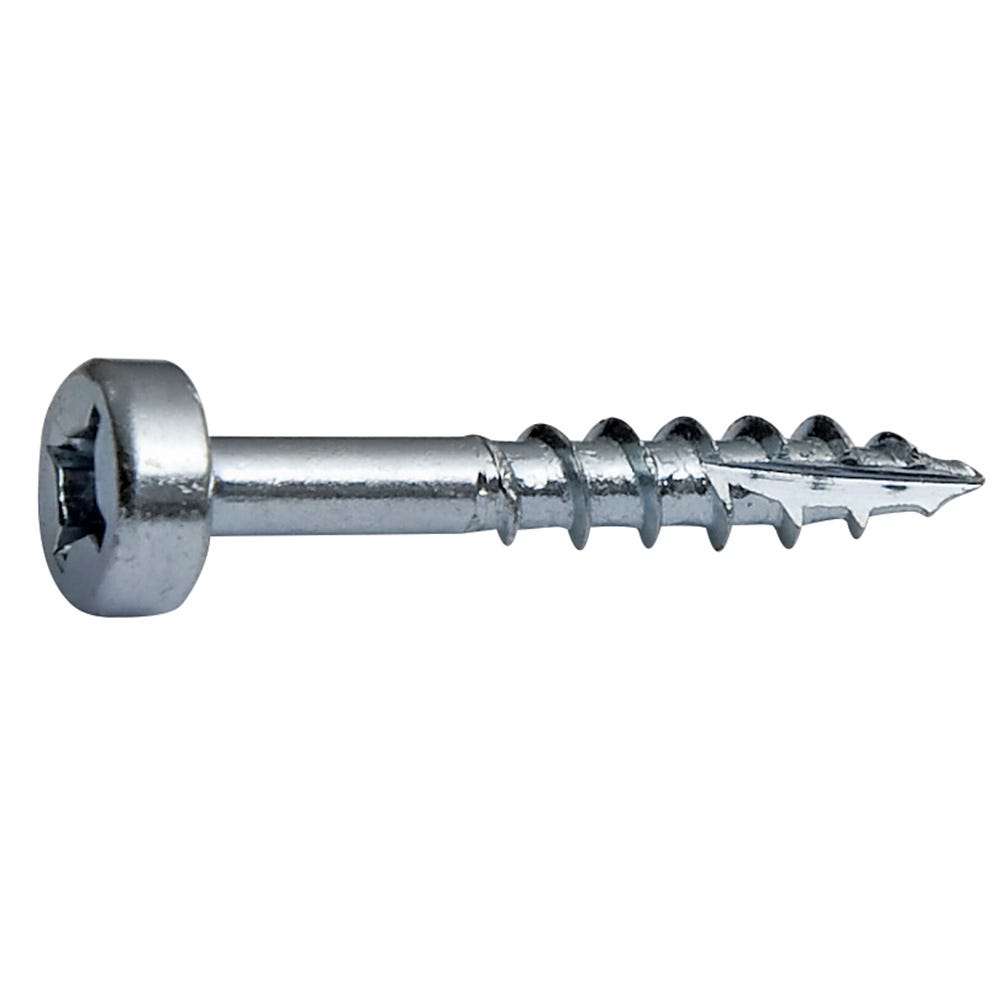
Coarse thread screws have wider, deeper threads. They grip wood fibers better and hold tight in soft materials. These screws are easier to insert and remove. Coarse threads reduce the risk of stripping the wood.
They work well in softwoods and particle boards. Coarse thread screws provide strong holding power. They also resist loosening from vibrations.
Fine Thread Features
Fine thread screws have closely spaced, shallow threads. They offer greater surface contact for metal and hardwoods. Fine threads require more turns to drive in but give a tighter fit.
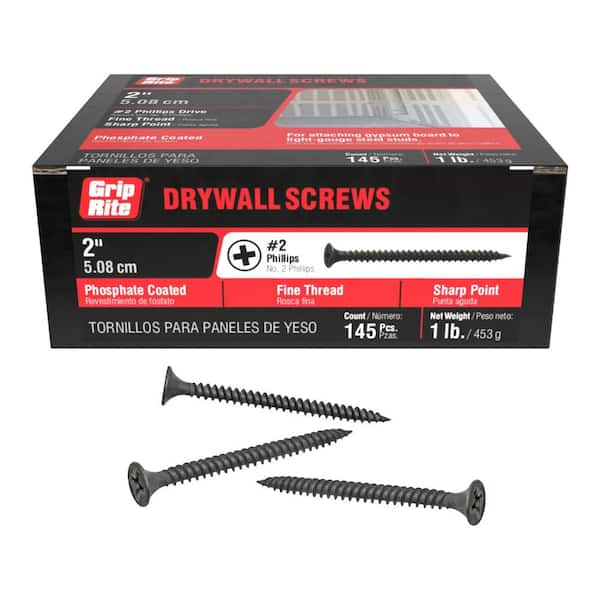
They are ideal for thin metals and hardwoods. Fine thread screws hold firmly in dense materials. Their threads reduce the chance of splitting wood.
Credit: www.homedepot.com
Common Screws Used In Cabinet Pull Hardware
Cabinet pull hardware uses specific types of screws to ensure a strong hold. These screws vary in size, material, and thread pattern. Choosing the right screw helps keep cabinet pulls secure and stable. Understanding common screws helps in selecting the best fit for your project.
Most cabinet pulls use screws designed for wood or metal surfaces. The length and thickness of screws depend on the cabinet door or drawer thickness. Using the correct screw size avoids damage and improves durability.
Materials And Sizes
Cabinet pull screws come in different materials like steel, brass, and stainless steel. Steel screws are strong and cost-effective. Brass screws resist rust and offer a classic look. Stainless steel screws prevent corrosion and last longer.
Sizes vary mainly in length and diameter. Common lengths range from 1 inch to 1.5 inches. Diameter sizes usually match standard pull holes, often 8 or 10 gauge. Correct screw size ensures a tight and secure fit.
Thread Patterns In Cabinet Screws
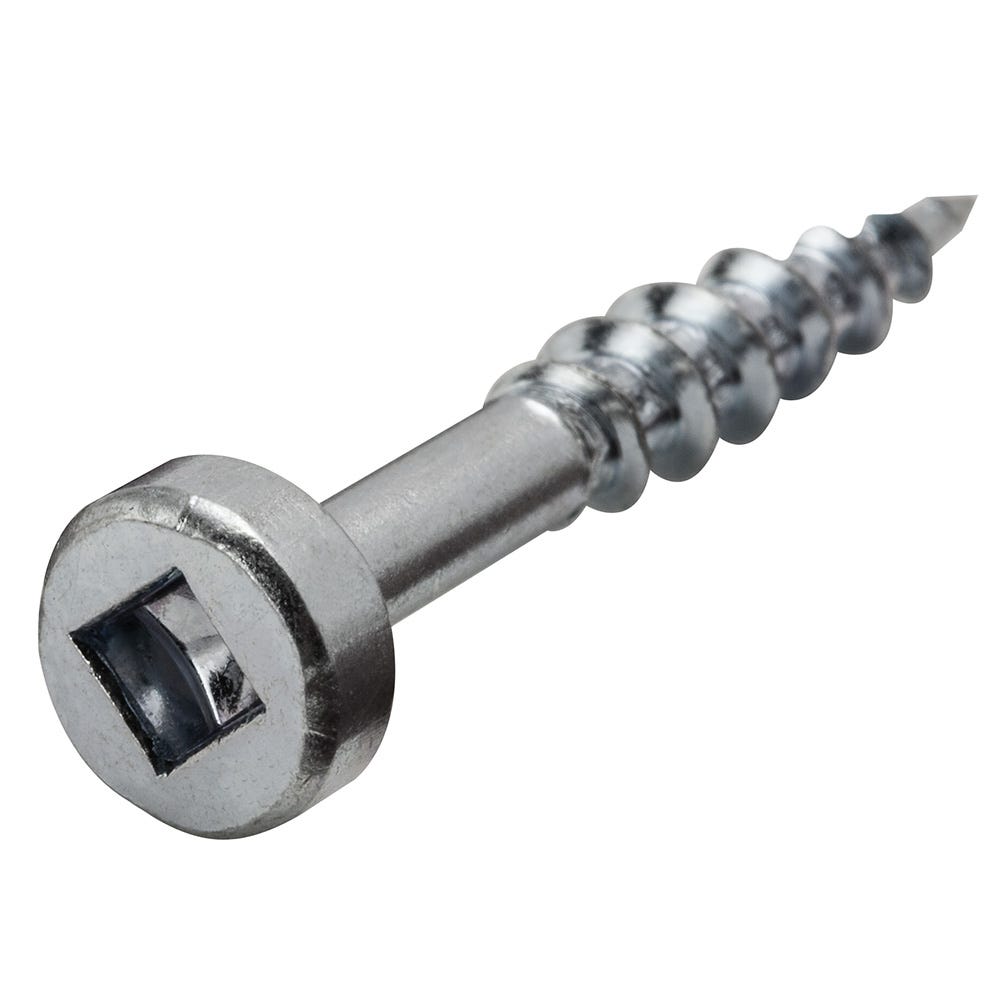
Cabinet pull screws mostly have coarse threads. Coarse threads grip wood better by cutting into the grain. This prevents loosening over time from drawer or door movement.
Fine threads are less common but used in metal cabinets. Fine threads provide better hold in thin metal surfaces. Selecting the thread type depends on the cabinet material and screw length.
Benefits Of Coarse Thread Screws
Coarse thread screws offer several benefits that make them ideal for cabinet pull hardware. Their design helps provide a strong hold in wood materials. These screws work well with softer woods and particleboard, common in cabinet construction.
Choosing coarse thread screws can make your installation process smoother. They require less effort to drive into the material and reduce the risk of splitting the wood. This makes them a popular choice for many woodworking projects.
Grip Strength In Wood
Coarse thread screws have wider and deeper threads. This design allows them to grip wood fibers more firmly. The larger thread spacing creates more surface contact inside the wood. As a result, the screw holds tightly and resists loosening over time.
This strong grip is especially important for cabinet pulls that face frequent use. The screws keep the hardware secure and prevent wobbling. Coarse thread screws provide reliable support for long-lasting durability.
Ease Of Installation
Coarse thread screws are easier to install than fine thread screws. Their larger threads cut through wood quickly without much resistance. This means less force is needed to drive them in.
The reduced effort lowers the chance of damaging the wood or stripping the screw head. It also speeds up the installation process. For DIY projects or professional work, this ease of use saves time and frustration.
Advantages Of Fine Thread Screws
Fine thread screws offer specific benefits for cabinet pull hardware. Their design suits detailed and delicate work. They help secure hardware firmly without damaging the material.
Precision And Stability
Fine thread screws provide better control during installation. Their smaller threads allow for precise adjustments. This results in a tighter and more stable fit. Cabinets stay secure and aligned for longer periods. Fine threads reduce the chance of loosening over time.
Use In Harder Materials
Fine thread screws work well with dense or hard materials. Their design allows better grip in tough surfaces. They reduce the risk of cracking or splitting wood. These screws create a stronger hold in metals and plastics. Fine thread screws are ideal for durable cabinet finishes.
Choosing The Right Thread For Your Project
Choosing the right thread for your cabinet pull screws is important. The thread type affects how well the screw holds and fits your cabinet. Using the wrong thread can cause damage or make the pull loose over time. Understanding the difference between coarse and fine threads helps you pick the best option for your project.
Matching Screw To Cabinet Material
Coarse threads work well with soft materials like pine or particleboard. They grip better in these materials and reduce the chance of stripping. Fine threads suit hard materials such as hardwood or metal. They provide a tighter hold and less risk of cracking the wood.
Choosing the right thread based on the cabinet material makes the installation stronger and lasts longer. Check your cabinet’s material before selecting screws. This step saves time and prevents damage.
Considerations For Pull Hardware
Pull hardware comes in various designs and sizes. The screw thread must fit the pull’s hole perfectly. Coarse threads are thicker and fit pulls with larger holes. Fine threads fit smaller holes and offer more precise adjustment.
Also, consider the length of the screw. It should be long enough to hold the pull securely but not too long to damage the cabinet. Matching the thread type with the hardware ensures a smooth and secure fit.
Tips For Installing Cabinet Pull Screws
Installing cabinet pull screws correctly makes a big difference. It keeps pulls tight and cabinets looking neat. Small steps help avoid damage to wood or hardware. Follow these tips for a smooth installation.
Tools You’ll Need
Gather a drill with the right drill bit size. Use a screwdriver matching your screw heads. A tape measure helps mark the exact spot. A pencil is useful for marking drill points. Having a level ensures pulls sit straight.
Avoiding Common Mistakes
Measure twice before drilling any holes. Make sure screws match the pull hardware size. Don’t overtighten screws; it can strip the wood. Drill slowly to avoid cracking the cabinet face. Keep the pull aligned to avoid a crooked look.
Credit: www.rockler.com
Frequently Asked Questions
Are Cabinet Pull Hardware Screws Usually Coarse Thread?
Cabinet pull hardware screws are typically coarse thread. Coarse threads grip wood firmly and prevent stripping. They are ideal for securing pulls on wooden cabinet doors and drawers. Fine threads are less common in this application.
Why Choose Coarse Thread Screws For Cabinet Pulls?
Coarse thread screws provide better holding power in soft materials like wood. They resist loosening from frequent use. This ensures cabinet pulls stay secure over time. Fine threads may strip easily in wood, making coarse threads the preferred choice.
Can Fine Thread Screws Be Used For Cabinet Pulls?
Fine thread screws can be used but are less effective. They are better suited for metal or hard materials. In wood, fine threads may strip or loosen quickly. Coarse threads are generally recommended for cabinet pull installations.
How To Identify Coarse Vs Fine Thread Screws?
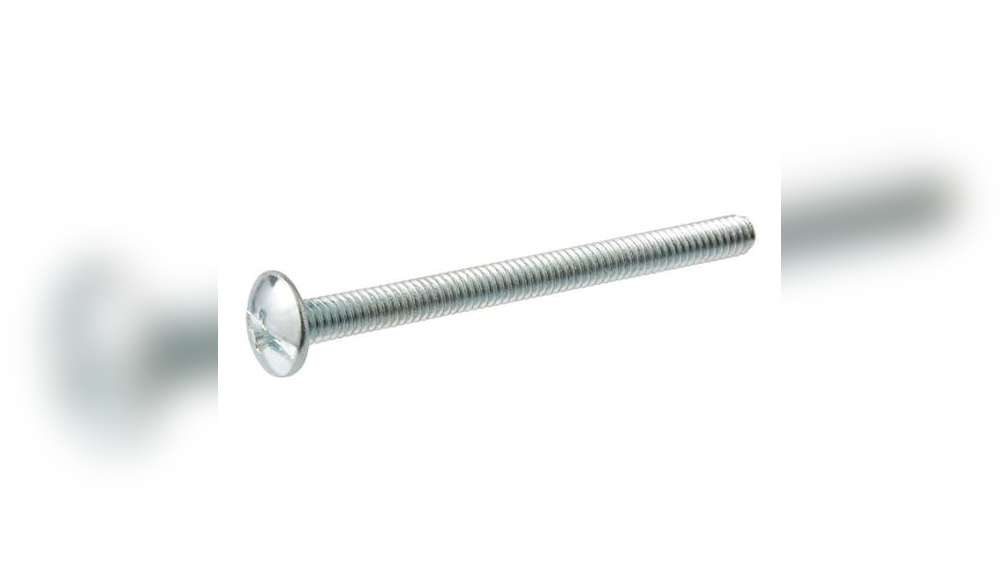
Coarse threads have fewer threads per inch and wider spacing. Fine threads have more threads per inch and tighter spacing. Examining the screw’s threads closely helps distinguish them. Coarse threads look chunkier and more spaced out.
Conclusion
Cabinet pull hardware screws usually have coarse threads. These threads grip wood better and hold tighter. Fine threads fit metal parts but can slip in wood. Choosing the right screw helps your cabinet pulls stay secure. Always check the screw type before buying or installing.
This small step saves time and effort later. Remember, coarse threads work best for most cabinet pulls. Keep your hardware strong and your cabinets looking great. Simple choices make a big difference in your home projects.