
Have you ever wondered how strong metal parts come together to form machines, bridges, or even your car? The secret often lies in something called weld joints.
When an assembly is fastened together by weld joints, it means the pieces are fused into one solid structure. But why does that matter to you? Understanding this can help you make smarter choices, whether you’re working on a project, buying equipment, or just curious about how things hold together.
Keep reading to discover what weld joints are, how they work, and why they are essential for strength and durability.
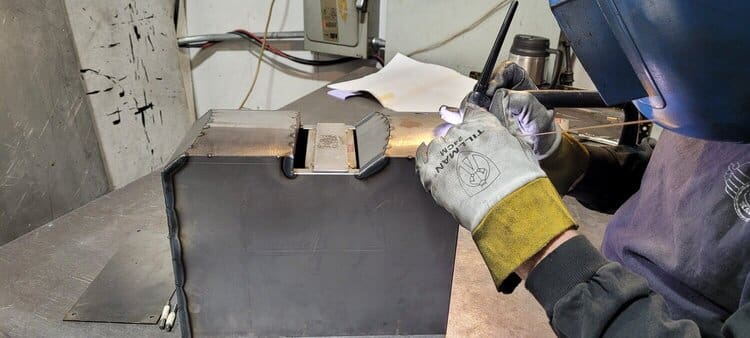
Credit: www.approvedsheetmetal.com
Basics Of Welded Assemblies
Welded assemblies are common in many industries. They hold parts together by melting and joining metals. This creates strong and durable connections. Understanding the basics helps to grasp how these joints work and why they are important.
Welding offers a fast and reliable way to connect metal parts. It is used in construction, automotive, and manufacturing. The quality of a welded assembly depends on the type of weld joint and materials used.
What Is A Weld Joint
A weld joint is the point where two metal pieces are joined by welding. The metals are heated until they melt and fuse together. This process forms a solid bond once cooled. Weld joints must be strong to hold parts securely in place.
Common Types Of Weld Joints
There are several types of weld joints. The main types include butt, lap, corner, edge, and T-joints. Butt joints join two pieces end to end. Lap joints overlap one piece over another. Corner joints connect two pieces at a right angle. Edge joints join pieces along their edges. T-joints form a T shape by joining one piece to the middle of another.
Materials Used In Welding
Different metals can be welded, such as steel, aluminum, and stainless steel. Steel is the most common due to its strength and availability. Aluminum is lightweight and resists corrosion. Stainless steel offers high strength and rust resistance. The choice of material affects the welding method and joint strength.
Benefits Of Welded Assemblies
Welded assemblies offer many advantages that make them popular in various industries. They join parts securely and create strong connections. These benefits improve product quality and reduce production issues. Understanding these benefits helps in choosing the right assembly method for projects.
Strength And Durability
Welded joints provide excellent strength to assemblies. They create a continuous bond between parts that resists high stress. This makes the assembly durable and able to withstand heavy loads. Welds also perform well under vibrations and shocks. This strength helps products last longer in tough conditions.
Cost Efficiency
Welding can reduce costs in several ways. It often requires fewer materials compared to other joining methods. It also needs less labor time to complete the assembly. Welded parts usually need less maintenance over time. This lowers overall expenses and improves project budgets.
Design Flexibility
Welding allows for flexible design options. It can join different metals and complex shapes easily. This enables creative and efficient product designs. Welded assemblies can be customized to fit specific needs. This flexibility supports innovation and better use of materials.
Welding Techniques And Processes
Welding is a key process in joining metal parts. It creates strong, lasting bonds. Different techniques fit different needs. Each method uses heat to melt metal and fuse parts together. Understanding these methods helps choose the right one for your project.
Mig Welding
MIG welding uses a wire that melts to join metals. It is fast and easy to learn. A gas shield protects the weld from air. This method works well on thin metals. It produces clean, strong joints.
Tig Welding
TIG welding uses a non-consumable tungsten electrode. It creates precise and clean welds. This technique works on thin and thick metals. It requires skill and steady hands. TIG is ideal for detailed and delicate work.
Stick Welding
Stick welding uses a coated electrode that melts during welding. It works well outdoors and on rusty metals. This method is simple and low-cost. It creates strong joints but can be messy. Stick welding suits heavy-duty jobs.
Spot Welding
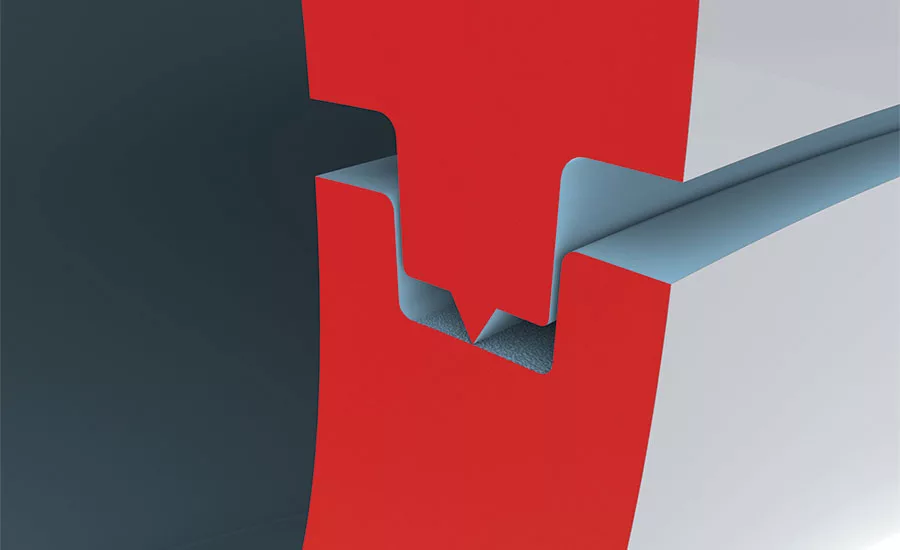
Spot welding joins metal sheets by applying heat and pressure. It uses electric current to fuse parts quickly. This method is common in car manufacturing. Spot welding is fast and creates strong spots. It is best for thin metal sheets.
Credit: www.assemblymag.com
Applications Of Welded Assemblies
Welded assemblies are essential in many industries. They join metal parts firmly and create strong structures. Their strength and durability make them ideal for various applications. Below are some key areas where welded assemblies play a vital role.
Construction Industry
Welded assemblies build bridges, buildings, and towers. Steel frames use welds to hold parts tightly. This adds safety and stability to structures. Welds also help in fabricating heavy equipment and scaffolding. They allow quick and secure assembly on-site.
Automotive Manufacturing
Cars and trucks rely on welded assemblies for their frames. Welding joins body panels, chassis, and exhaust systems. It ensures the vehicle can withstand stress and impacts. Automated welding lines speed up production and improve quality. Welds reduce weight while keeping parts strong.
Aerospace And Defense
Aircraft and defense equipment need strong, precise welds. Welded assemblies hold together fuselages, wings, and engine parts. High-quality welds improve safety and performance. This industry demands strict weld inspections and standards. Welds must resist extreme temperatures and pressures.
Shipbuilding
Ships and submarines use welded assemblies for hulls and decks. Welding creates watertight and durable joints. It supports heavy loads and harsh ocean conditions. Welded parts help build engines and pipelines on ships. Welds also enable faster construction and repairs at sea.
Common Challenges In Welding
Welding is a common method to join metal parts by melting their edges together. Though useful, welding also comes with challenges. These challenges affect the strength and safety of the final product. Understanding these issues helps improve the welding process and results.
Weld Defects
Weld defects are common problems during welding. Cracks, porosity, and slag inclusions weaken the joint. These defects reduce the strength and durability of the weld. Detecting and preventing defects is vital for a strong assembly.
Material Compatibility
Different metals react differently to welding heat. Some metals do not fuse well together. This causes weak joints or cracking. Choosing compatible materials ensures a better weld and longer-lasting product.
Heat Distortion
Heat from welding changes the shape of metal parts. This distortion can cause misalignment and fitting problems. Controlling heat input and using proper techniques reduce distortion issues.
Inspection And Testing
Inspecting welds is necessary to find hidden problems. Visual checks, X-rays, and ultrasonic tests detect defects inside the weld. Regular testing ensures the weld meets quality and safety standards.
Safety Considerations
Safety is very important when working with assemblies fastened by weld joints. Welding involves heat, sparks, and strong light. These can cause injuries or health problems without proper care. Following safety rules protects workers and keeps the work environment safe.
Protective Gear
Welders must wear protective gear to avoid burns and eye damage. A welding helmet with a dark lens shields the eyes from bright light. Gloves made of heat-resistant material protect hands from sparks and hot metal. Long sleeves and flame-resistant clothing cover the skin. Proper footwear helps prevent injuries from falling objects or sparks.
Ventilation And Fume Control
Welding produces harmful fumes and gases. Breathing these fumes can cause serious health problems. Work areas need good ventilation to clear the air. Use fans or exhaust systems to remove fumes quickly. Wearing a respirator mask can also help protect the lungs. Keep the workspace clean to avoid buildup of hazardous substances.
Fire Prevention
Sparks from welding can start fires easily. Remove flammable materials from the work area. Have a fire extinguisher nearby and ready to use. Use fire-resistant blankets or shields to protect surfaces. Always watch the area for any signs of fire. Plan an emergency exit route before starting work.
Future Trends In Welding
Welding is a key part of building strong assemblies. The way welding is done is changing fast. New methods and tools are making welding better, faster, and safer. These changes will shape the future of how weld joints hold parts together.
Automation And Robotics
Robots now help welders with tough tasks. They can work long hours without rest. Robots make welding more precise and steady. This reduces mistakes and saves money. Automation also helps in dangerous places where humans cannot work.
Advanced Materials
New materials need new welding methods. Metals like titanium and composites are harder to join. Welding techniques are improving to handle these materials. Stronger welds on advanced materials lead to longer-lasting products.
Innovative Welding Technologies
Technology like laser welding is growing fast. It uses focused light to join metals quickly. Other methods like friction stir welding create strong joints without melting the metal. These technologies improve quality and speed.
Credit: homework.study.com
Frequently Asked Questions
What Is An Assembly Fastened By Weld Joints?
An assembly fastened by weld joints connects metal parts through welding. It creates strong, permanent bonds for structural integrity and durability.
How Do Weld Joints Affect Assembly Strength?
Weld joints provide high strength by fusing metals. Proper welding ensures load distribution and resistance to stress, enhancing assembly durability.
What Are Common Types Of Weld Joints?
Common weld joints include butt, lap, corner, edge, and T-joints. Each suits different assembly needs and shapes for optimal strength.
Are Welded Assemblies More Durable Than Bolted Ones?
Welded assemblies are generally more durable due to continuous metal fusion. They resist vibration and environmental factors better than bolted assemblies.
Conclusion
Weld joints hold parts tightly in many assemblies. They create strong, lasting connections. This method saves time and costs in building. Welded assemblies resist stress and wear well. Choosing the right weld type matters for safety. Proper welding improves product quality and life.
Understanding weld joints helps in many projects. This knowledge supports better design and repair. Weld fastening stays a trusted choice today.

